Best On-Ear Headphones
On-ears sit on the ear instead of around it: lighter and more packable than over-ears, cheaper per feature, and less sweaty — at the cost of weaker passive isolation and pressure on the ear itself over long sessions. They're the commuter and student pick, and the category where $50-80 buys a shocking amount of headphone.
Headphone Ranker tracks 5 on-ear headphones from 4 brands, priced $38 to $130. The highest-rated of them is the JBL Tune 520BT, and the most affordable is the Sony WH-CH520 at $38. Compare them all below.
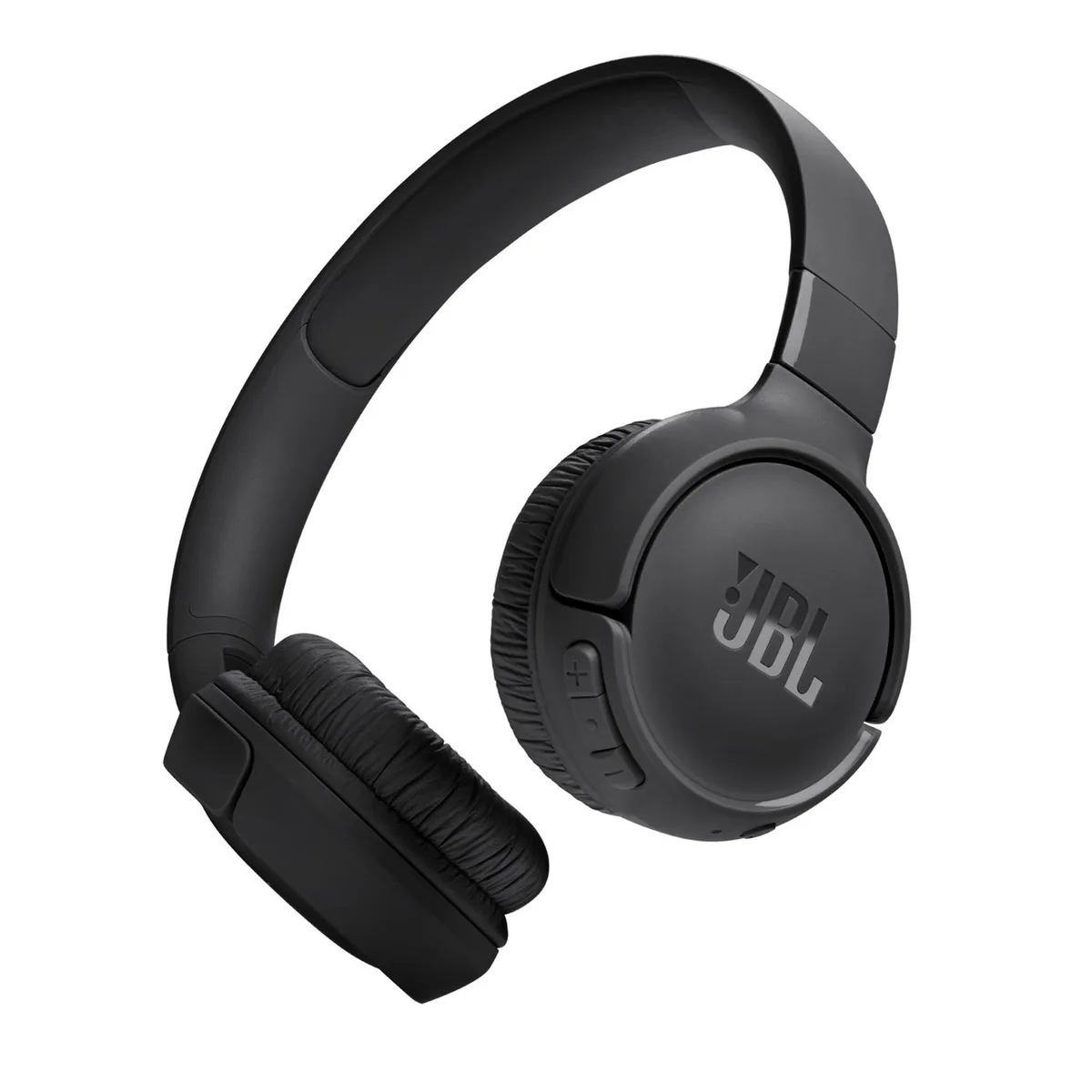
JBL
On-Ear Headphones
The Tune 520BT is everywhere for a reason: it costs about $40, weighs almost nothing, and the 57-hour battery is real — owners routinely go weeks between charges. JBL's Pure Bass tuning is exactly what it sounds like, warm and bass-forward, which most casual listeners enjoy even if detail-hounds will find the treble soft. The build is entirely lightweight plastic; it survives backpacks fine but creaks a little and feels every bit its price. Being an on-ear, the pads press on your ears rather than around them, and after two or three hours that pressure gets noticeable. There's no ANC, and the thin pads leak sound both ways on a bus. Multipoint and app EQ at this price are genuinely rare, and the mic is passable for calls indoors. As cheap-and-cheerful wireless headphones go, this is the default pick.
Best for students and commuters who want cheap, long-lasting wireless sound
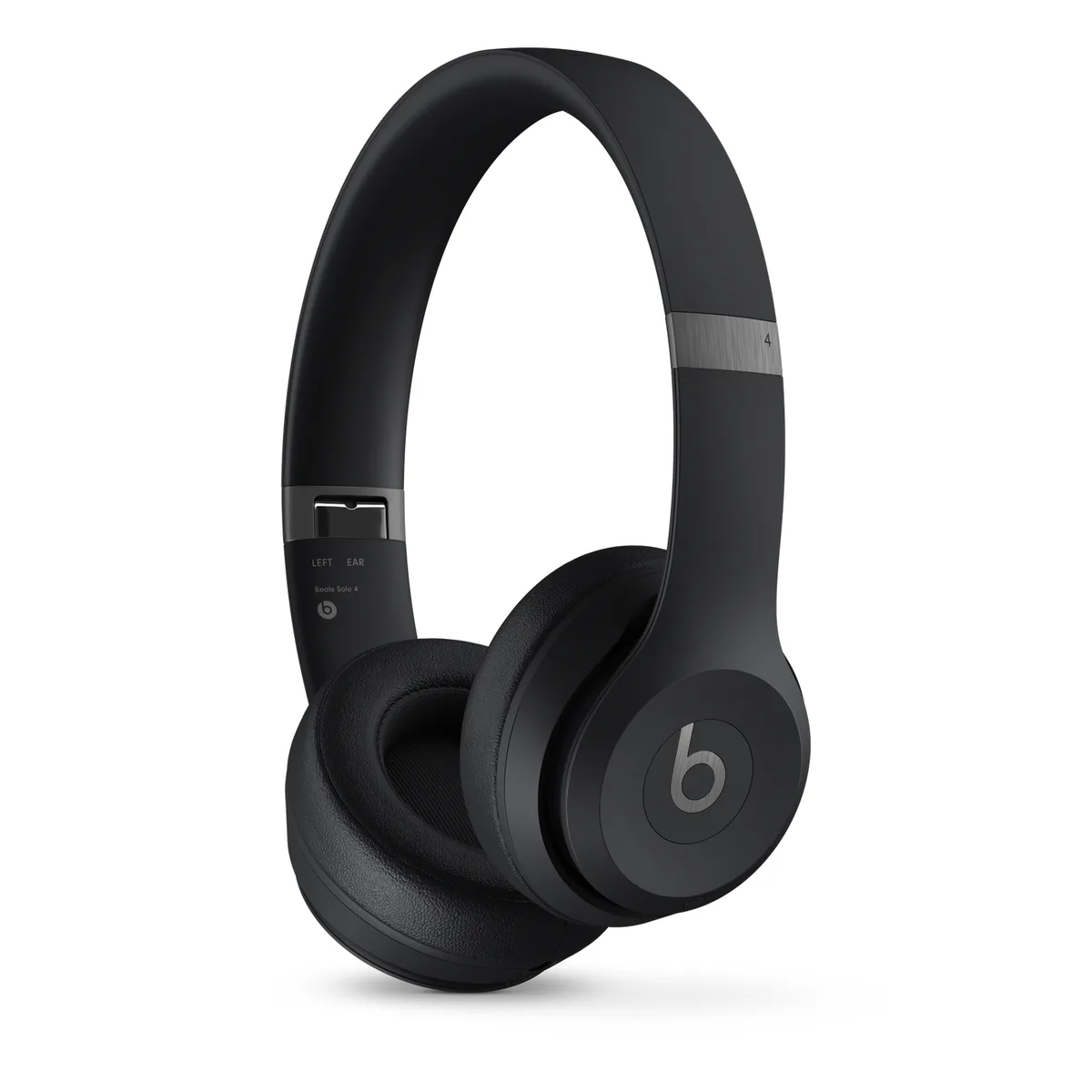
Beats
On-Ear Headphones
The Solo 4 keeps the classic Beats on-ear formula but fixes the two old sins: battery (now a huge 50 hours) and sound, which is far more balanced than the bass-cannon Solos of the 2010s while still warm. It also does something rare at any price — genuine lossless audio over USB-C or the 3.5mm jack. The honest problems: there's no ANC at a $200 list price, which is why you should only buy at the frequent $99-130 street price, and the trademark Solo clamp is still here. Comfort is fine for an hour or two, then your ears know about it, especially with glasses. There's no EQ app on either platform, and no true multipoint — you get Apple's ecosystem switching and one-touch pairing on Android instead. Personalized Spatial Audio with head tracking works great on iPhone. Fit-dependent, but the battery is untouchable.
Best for iPhone owners who want on-ear style with marathon battery
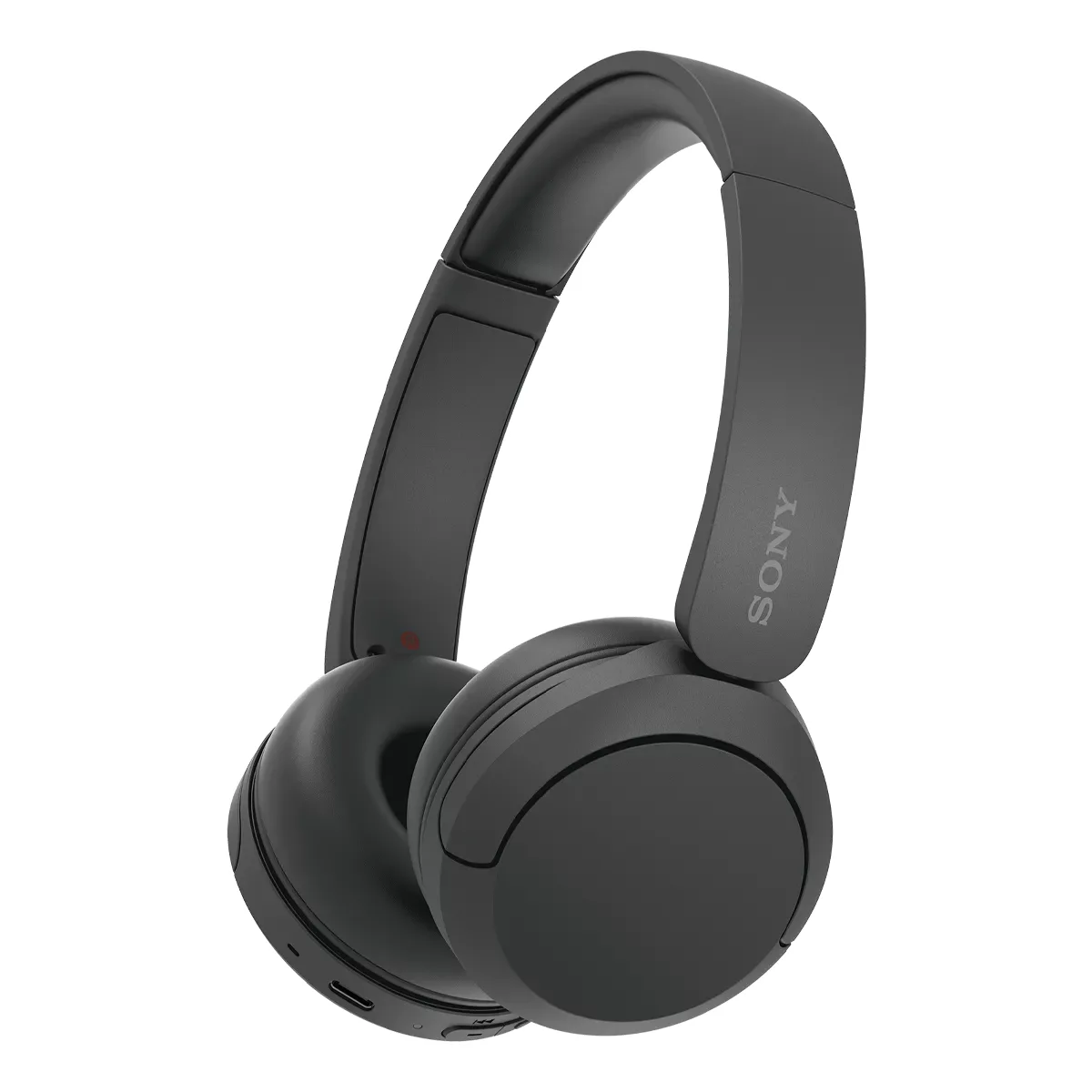
Sony
On-Ear Headphones
At its near-permanent $38 Amazon price, the WH-CH520 is the sensible default for anyone who just needs wireless headphones that work. You get a 50-hour battery, real multipoint, and — unusually at this price — the full Sony Headphones Connect app with custom EQ and 360 Reality Audio certification. The stock tuning is surprisingly even for the money; a little EQ warms it up nicely from the 30mm drivers. The trade-offs are exactly what you'd guess: an all-plastic build that feels light rather than premium, thin on-ear pads that get fatiguing past a couple of hours, zero noise isolation to speak of, and no ANC. The one genuinely annoying omission is a 3.5mm jack — when the battery dies, it's a paperweight until you charge it. The mic is serviceable for quiet-room calls. As a beater pair, it's nearly impossible to beat.
Best for anyone who wants reliable wireless sound for under $40
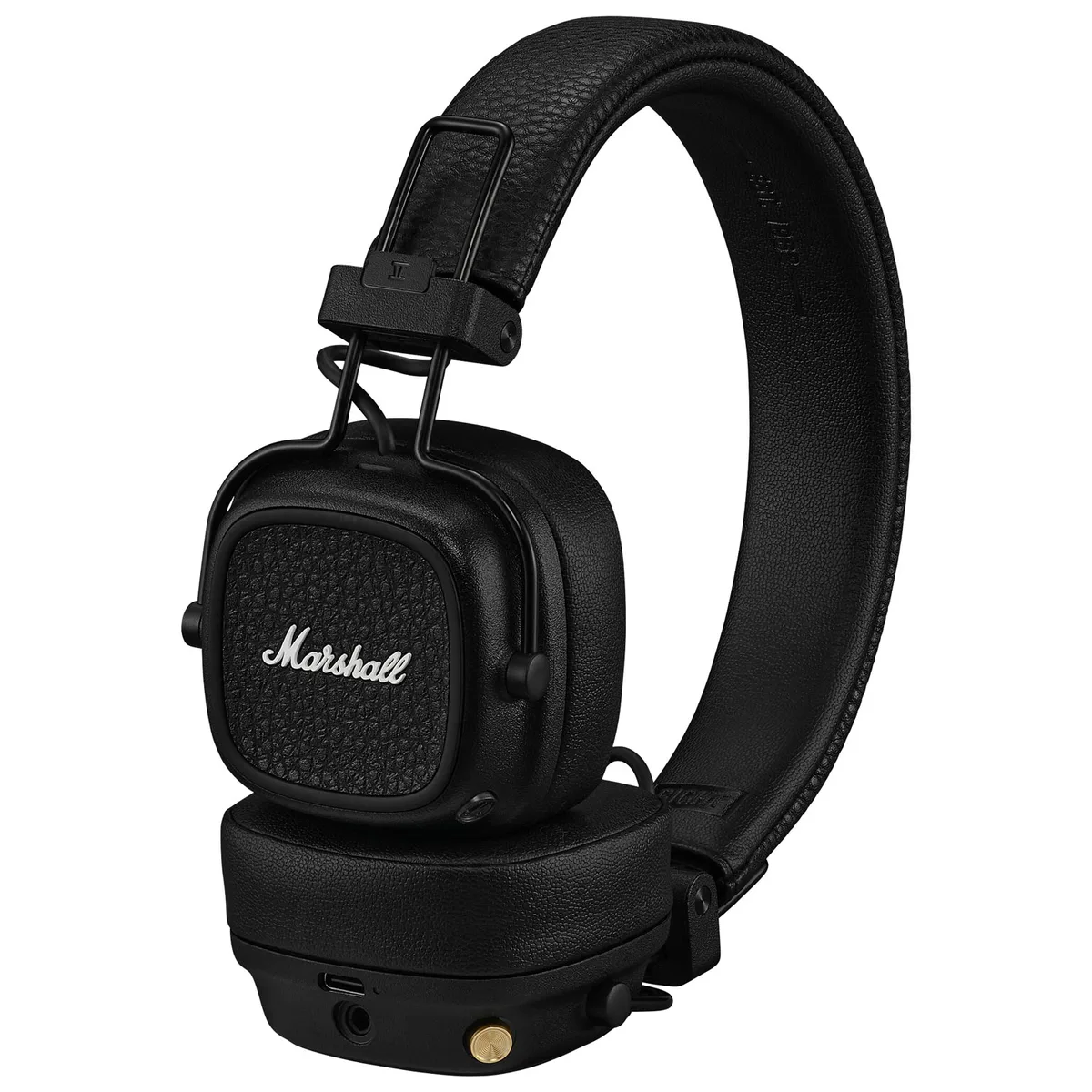
Marshall
On-Ear Headphones
The headline is the battery: 100+ hours of playtime, which in practice means charging these once or twice a month, and a 15-minute charge buys 15 hours when you forget. Nothing else near this price comes close. The rest is classic Marshall — vinyl-textured folding frame, brass-accented control knob, and the signature rock tuning from 40mm drivers: thunderous bass, forward treble, very fun and very much not neutral, though the app's EQ can tame it. You also get genuinely modern connectivity for the money: Bluetooth 5.3 with multipoint, LE Audio and Auracast readiness with the LC3 codec, wireless charging (rare at any price in headphones), and a 3.5mm jack that can even share audio out to a friend. The honest caveats are inherent to on-ears: the cups press on your ears rather than around them, and while the V's plusher pads are a real improvement over the Major IV, some owners still find long sessions fatiguing — this is the on-ear trade-off, not a Marshall defect, but know yourself before buying. There's no ANC and no official water resistance, and above half volume these leak enough that your neighbors will know your taste in music. For commuters who want week-long battery, a compact fold-up frame, and some rock-and-roll attitude, it's an easy recommendation.
Best for commuters who never want to think about charging
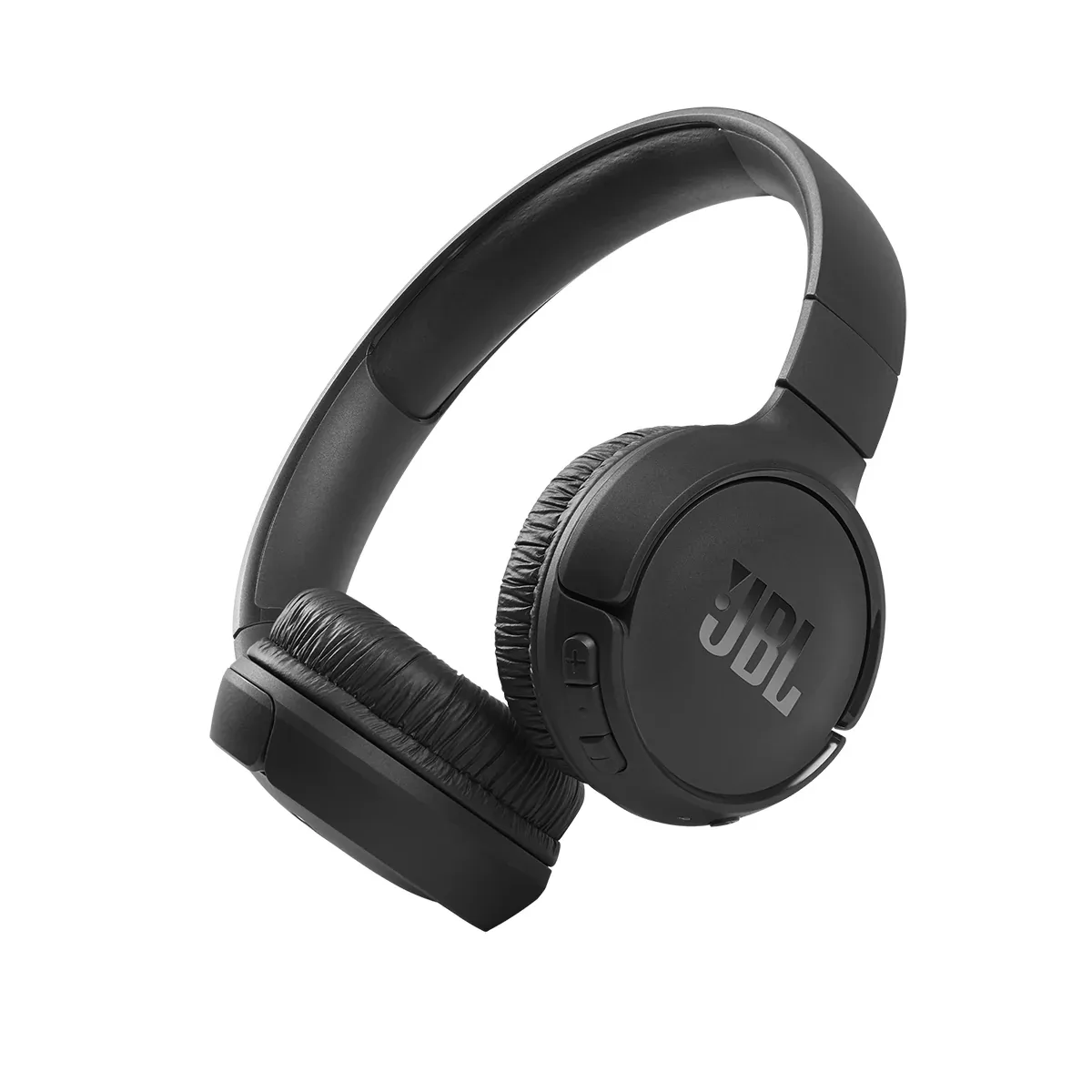
JBL
On-Ear Headphones
One of the best-selling headphones on the planet, and the formula is obvious: a real brand, JBL's bass-forward 'Pure Bass' tuning from 32mm drivers, 40 hours of battery, multipoint, and a folding 160g frame, all for the price of a takeout dinner. For casual listening, video calls, and throwing in a bag, it does the job — long-term reviews consistently call the sound genuinely good for the money, with strong bass and inoffensive mids. Now the caveats, which are real. This is an on-ear with a fairly tight, non-adjustable clamp and thin padding: owners routinely report ear soreness after a couple of hours, and glasses wearers get it worse. Build is light plastic, and broken hinges show up often enough in owner reports that you shouldn't sit on them. There's no ANC, no app, no EQ, and — the sneaky one — no 3.5mm jack at all: when the battery dies or you need zero-latency audio, there is no wired fallback (the USB-C port is charge-only). Sound also leaks at higher volumes. None of that changes the value math: if you need cheap, light, wireless headphones from a brand with actual quality control, this is the default answer — just budget for comfort breaks.
Best for cheap, no-fuss wireless sound from a real brand