125 models · 46 brands · zero sponsors
Headphones and earbuds,
compared spec by spec.
Earbuds, over-ears, gaming headsets and open-ear models, compared on battery, noise cancelling, codecs and price.
Catalog meters · live from the data
The catalog
Find your next headphones
Filter by brand, type, noise cancelling, and price. Pick up to three to put their spec sheets side by side.
125 models
Apple
Wireless Earbuds
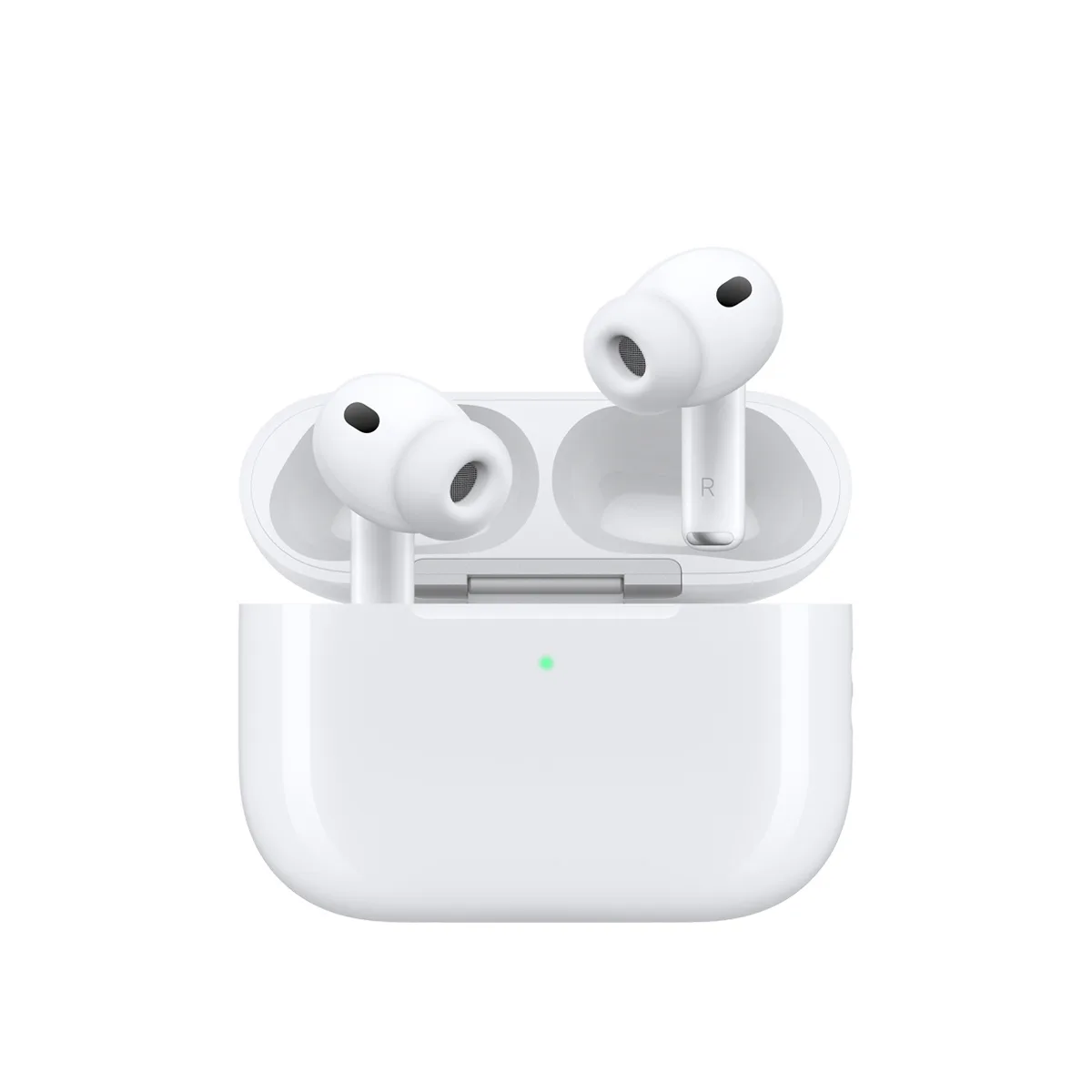
If you live on an iPhone, these are the easy answer. Apple roughly doubled the ANC over the Pro 2, added heart-rate sensing, foam-infused tips that actually seal, and bumped water resistance to IP57 — owners consistently say the noise cancellation now trades blows with Bose. Battery went up to 8 hours per charge, though the slimmer case total actually dropped to 24 hours. The honest caveats: you're stuck with AAC (no LDAC or aptX, so Android users lose hi-res and most features entirely), there's no real EQ beyond Apple's presets, and multipoint only works as auto-switching between Apple devices. Transparency mode and call quality remain the best in the business, and the hearing-aid feature is genuinely useful. Some longtime owners still grumble about eventual battery degradation — it's not user-replaceable. On Android, buy literally anything else.
Best for iPhone users who want set-and-forget ANC
Apple
Wireless Earbuds
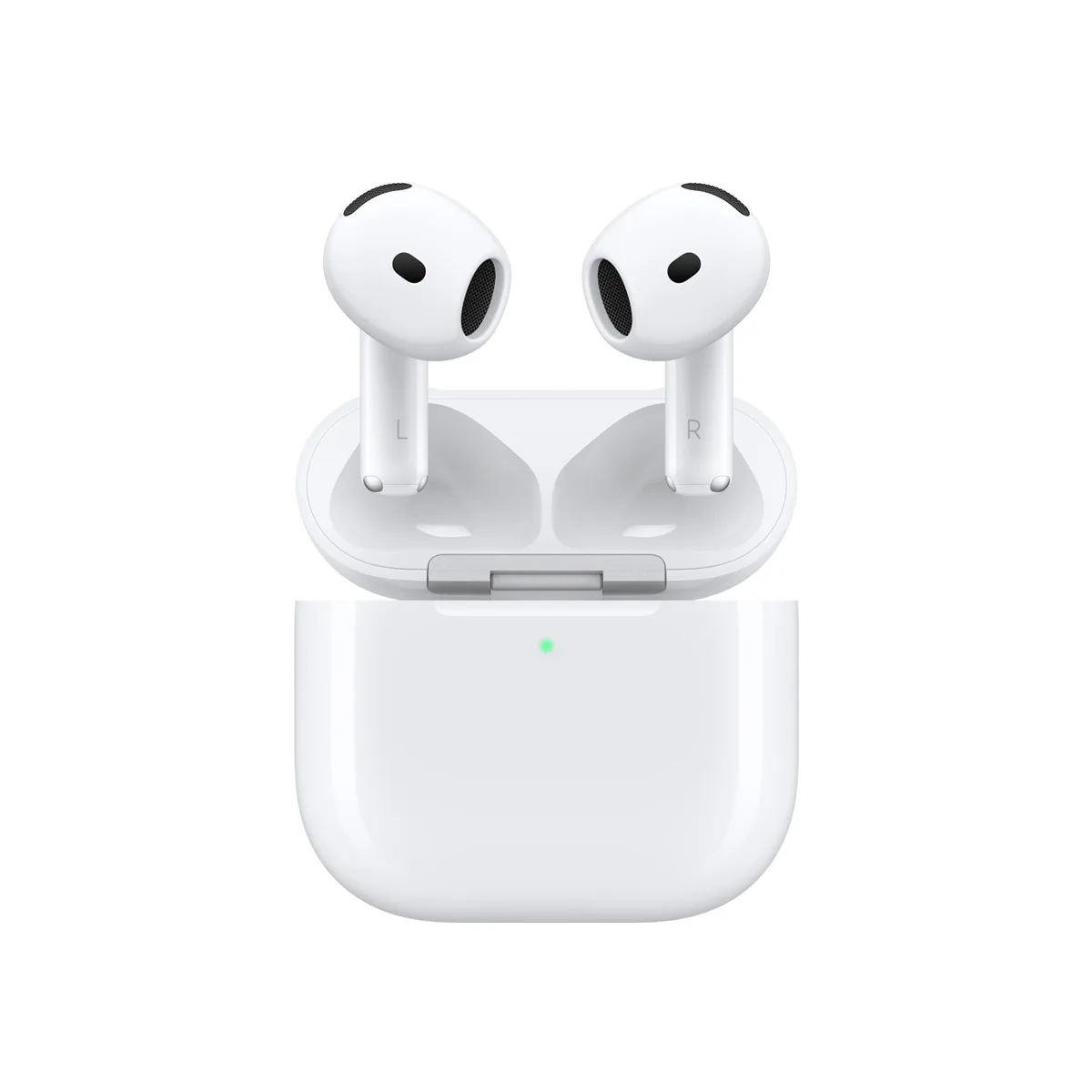
These are for people who hate silicone ear tips but still want some noise cancellation — and on that narrow promise they deliver. ANC on an open-fit earbud shouldn't work as well as it does here; it takes the edge off planes and offices, though physics means it can't touch a sealed bud like the Pro 3, and bass depends entirely on how the hard plastic sits in your particular ears. That's the real gamble: fit is a lottery, and if AirPods have never stayed put for you, nothing changed. Battery is the other weak spot — 4 hours with ANC on is bottom of the class. Call quality is excellent, the H2 chip does Adaptive Audio and Conversation Awareness, and the ANC version of the case adds wireless charging and a Find My speaker. AAC-only and no EQ app, as always with Apple.
Best for ear-tip haters who still want noise cancellation
Sony
Wireless Earbuds
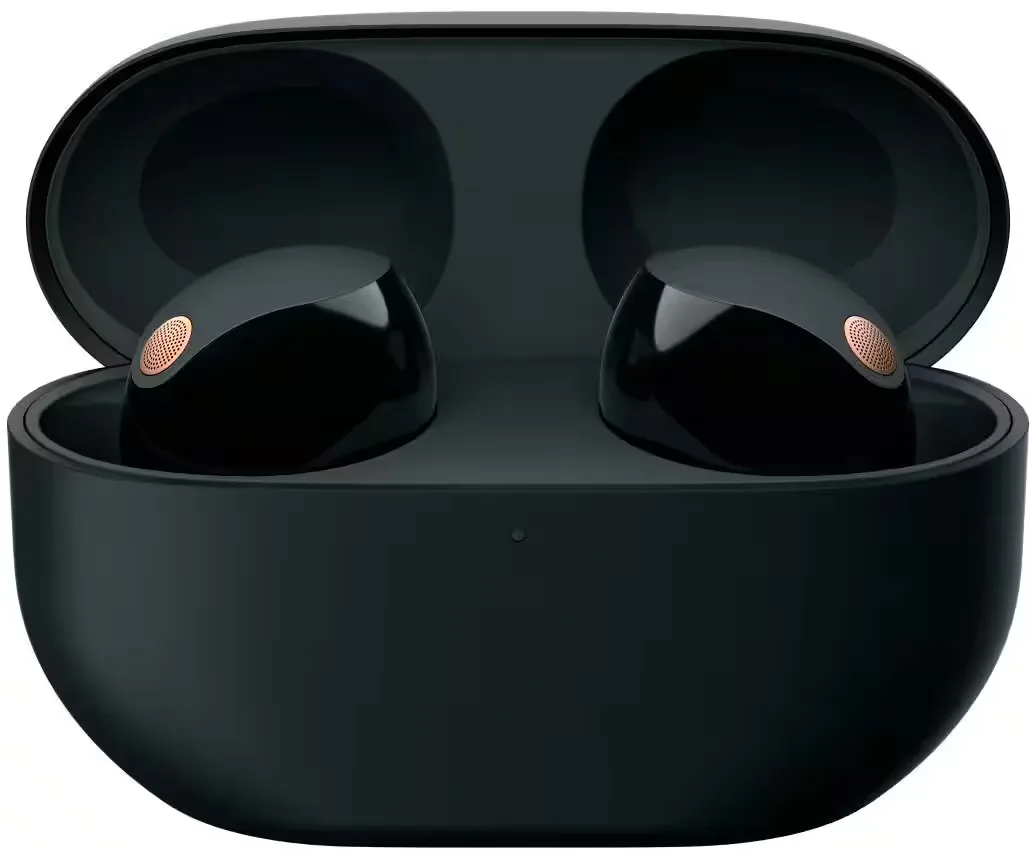
Still the all-rounder to beat for Android users, especially now that the XM6's arrival keeps pushing the price down. The 8.4mm Dynamic Driver X sounds rich and warm out of the box, LDAC delivers genuine hi-res from a phone, and the foam-ish tips seal so well that ANC feels stronger than it measures. Eight hours with noise canceling on is excellent, and 3 minutes in the case buys an hour. The consensus owner complaints are real, though: call quality falls apart in wind, the polished case scratches if you look at it wrong, and a vocal minority reports one bud draining faster than the other after a year-plus. Multipoint works but disables LDAC. The Headphones Connect app EQ is powerful once you find the settings buried three menus deep. IPX4 is fine for gym sweat, nothing more.
Best for Android listeners who want hi-res LDAC and strong ANC
Bose
Wireless Earbuds
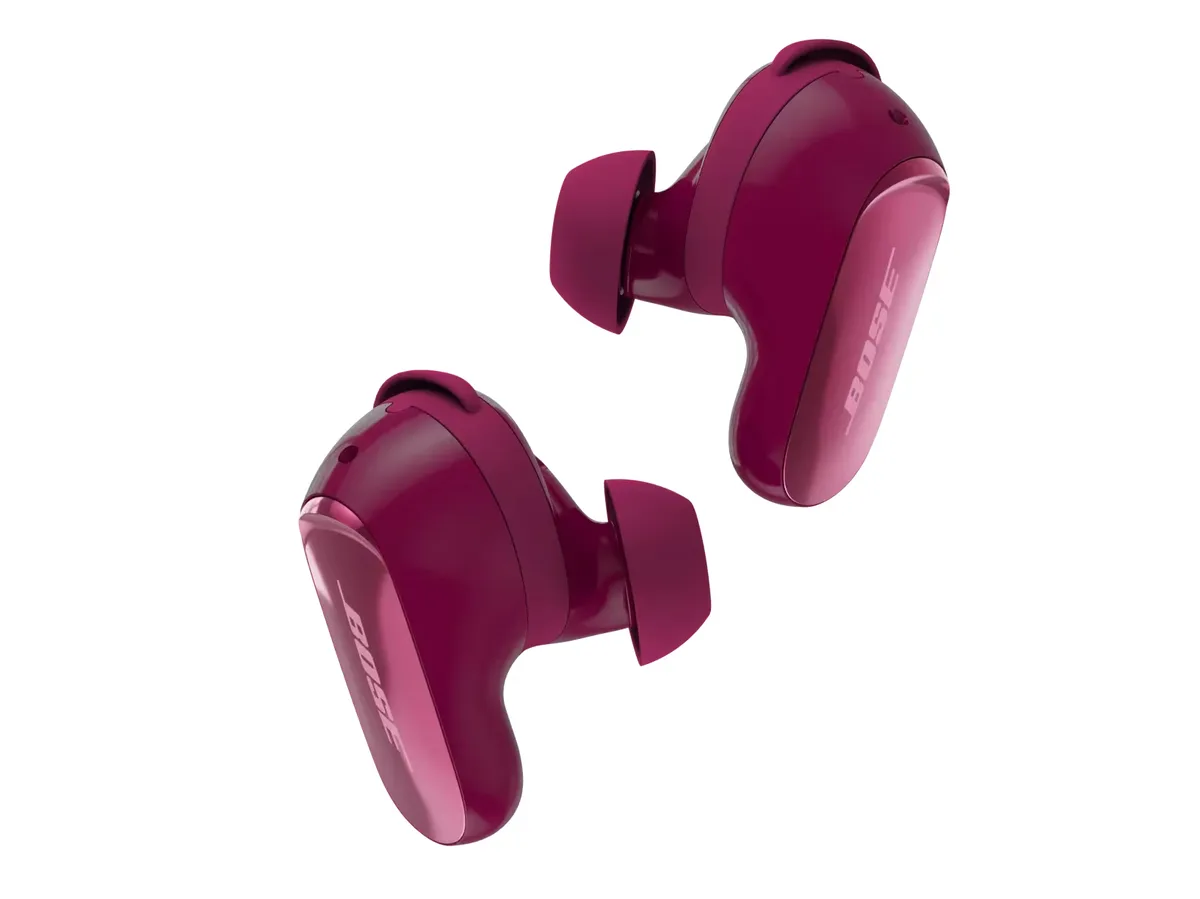
Nobody seriously disputes that these have the strongest noise cancellation you can put in your ears — low rumble just vanishes, and the CustomTune calibration means it works across different ear shapes. The second gen fixed the first gen's most annoying gaps: the case finally charges wirelessly, multipoint is on board, and AI noise suppression cleaned up what used to be mediocre call quality. What Bose didn't fix: 6 hours of battery is behind Sony and Technics, and running Immersive Audio knocks it down near 4. At 7.7g per bud they're chunky, and people with smaller ears feel it on long sessions. No LDAC either — aptX Adaptive on supported Androids, AAC otherwise. Sound is punchy and pleasant rather than audiophile-precise, and the app EQ is a basic three-band affair. Buy them for the silence; everything else is merely good.
Best for frequent flyers who want maximum silence
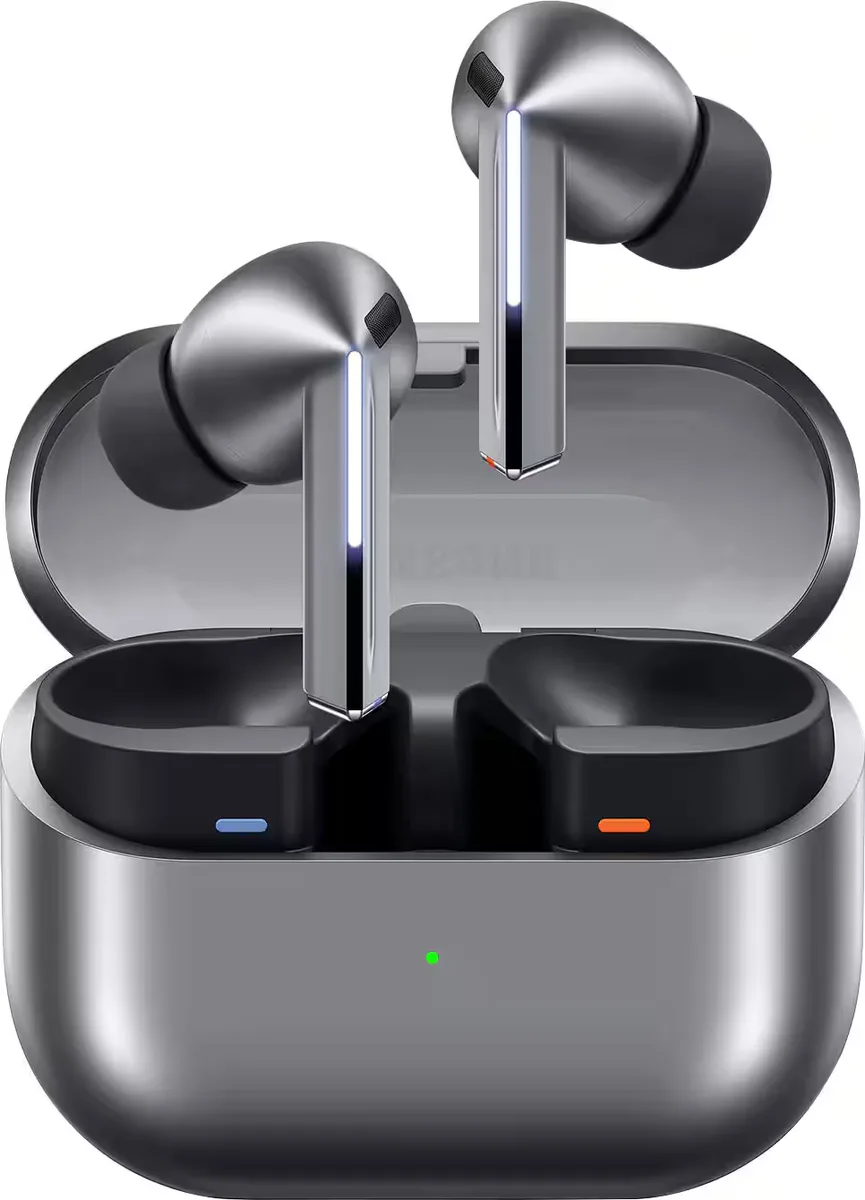
Samsung
Wireless Earbuds
The AirPods-with-stems redesign annoyed Samsung loyalists, but the dual-driver setup — a 10.5mm dynamic woofer plus a 6.1mm planar tweeter — is legitimately one of the best-sounding architectures in this class, and the blade lights are more useful than they look for pinch controls. Here's the catch owners hammer on: the good stuff is walled inside the Galaxy ecosystem. The 24-bit SSC UHQ codec, 360 Audio, and Adaptive ANC tuning need a Samsung phone; on a Pixel you get AAC, and on iPhone there's no app at all. No true multipoint either — only Samsung's own device auto-switching. Battery is a middling 6 hours with ANC, though IP57 is among the most rugged ratings here. Early-batch ear-tip tearing from 2024 was fixed. At street prices well under the $250 list, Galaxy owners get a genuine flagship; everyone else is paying for locked doors.
Best for Samsung phone owners wanting the full ecosystem
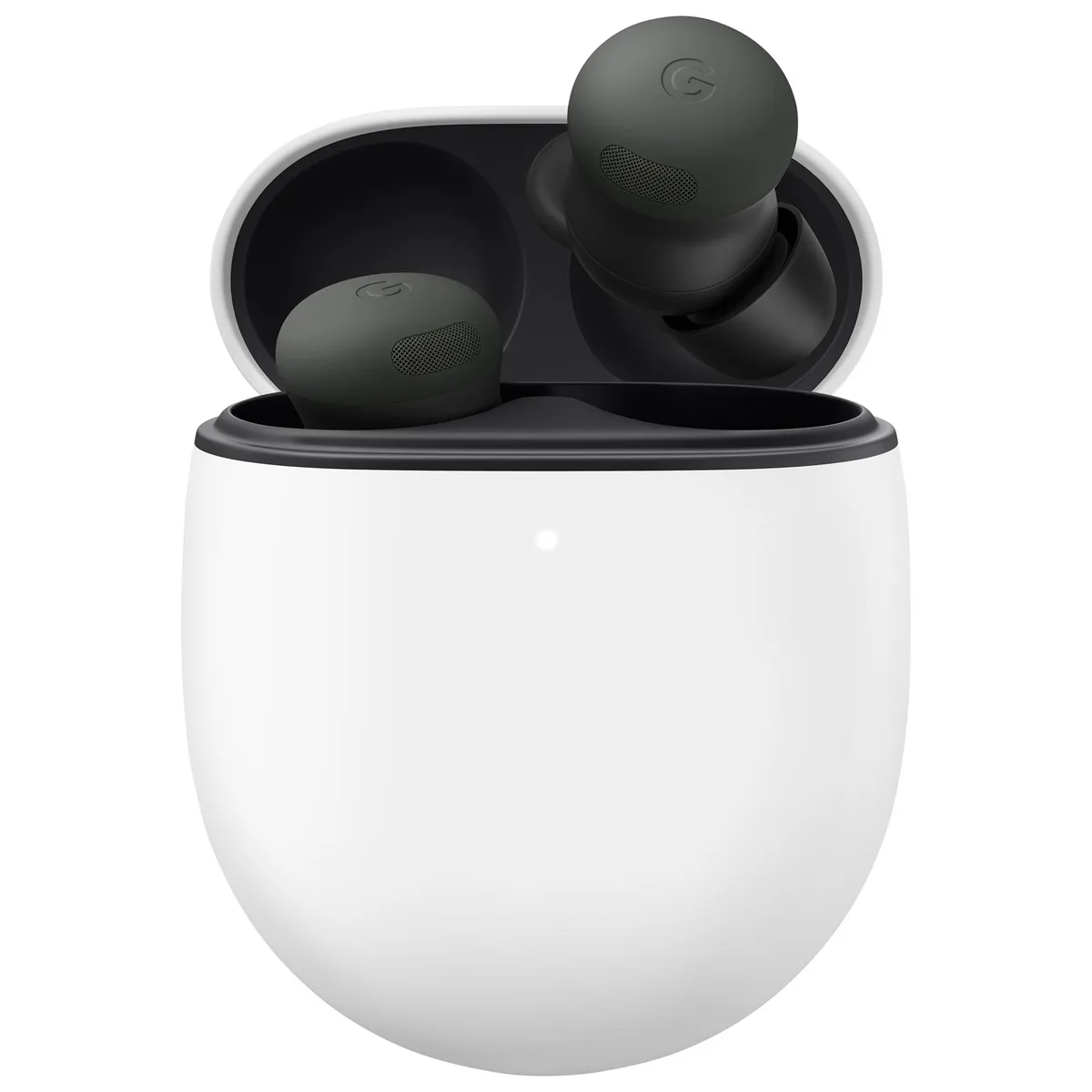
Wireless Earbuds
The comfort champions. At 4.7g and 27% smaller than the originals, with a twist-to-adjust stabilizer fin, these are the buds people with small ears keep recommending after everything else fell out. The Tensor A1 chip doubled the ANC over gen one — solidly mid-pack now, behind Bose but ahead of most — and 8 hours with ANC plus 30 total is among the best endurance here. Real multipoint works across any two devices, not just Google's. The dealbreaker for audio nerds: SBC and AAC only, no LDAC or aptX, so hi-res streaming is off the table even on a Pixel (LE Audio/LC3 is arriving via updates). Sound is clean and balanced but needs the app's 5-band EQ to add excitement. Gemini voice features are hit-or-miss, and some owners report occasional case-charging quirks. On sale around $169 they're an easy recommendation.
Best for small-eared Android users prioritizing comfort and battery
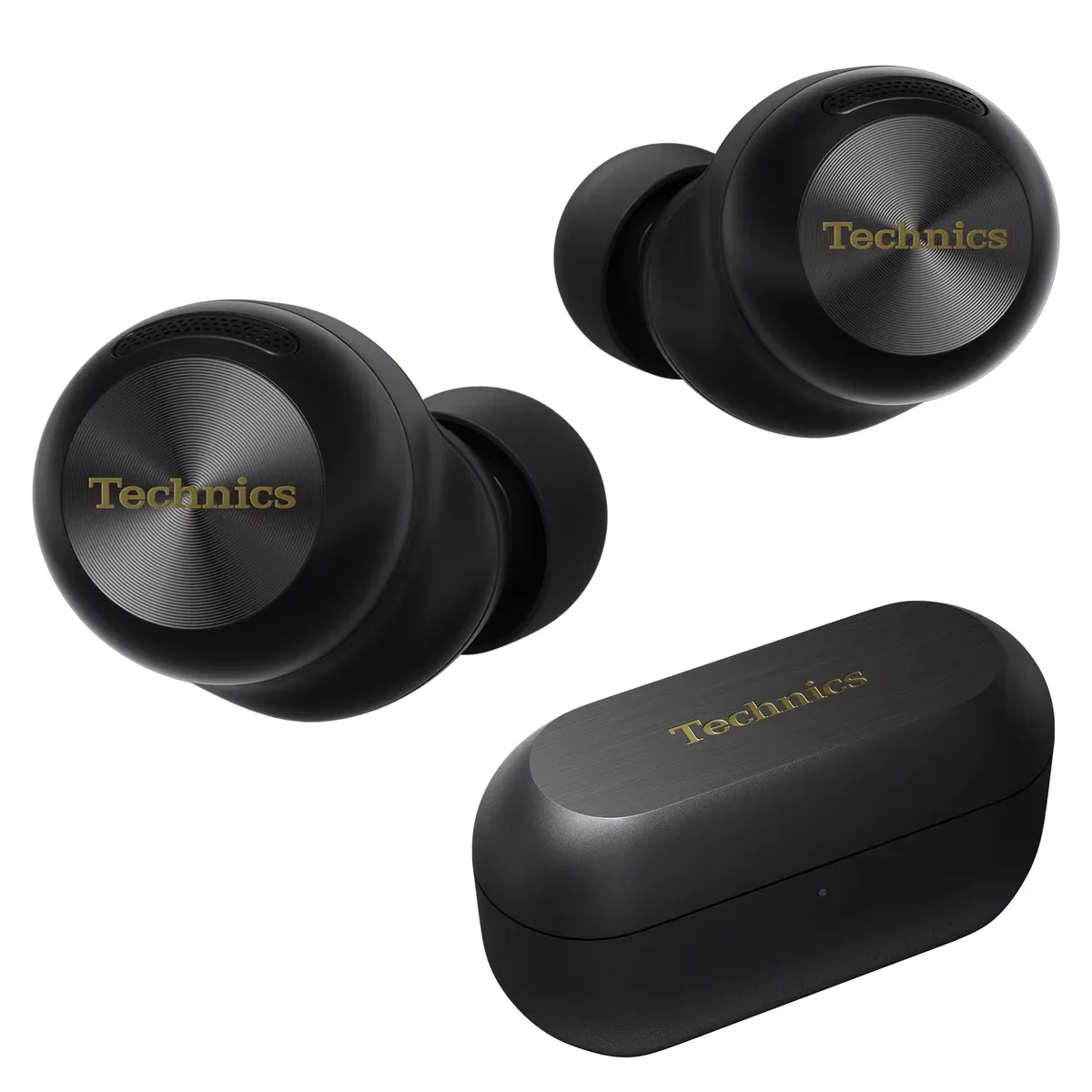
Technics
Wireless Earbuds
The audiophile-forum darling of this generation. The 10mm magnetic-fluid driver borrowed from Technics' $1,200 wired IEMs produces detail and instrument separation that owners routinely call the best in true wireless, and it does LDAC hi-res while connected to three devices simultaneously — a multipoint trick nobody else matches. Ten hours with ANC on (seven-ish using LDAC) leads the flagship class, and Dolby Atmos head tracking is aboard. Why it isn't the default pick: the Adaptive ANC is clearly a step behind Bose and the AirPods Pro 3 — good on planes, not great — and the shallow-fit housings divide opinion, with some owners never getting a reliable seal. IPX4 is minimal, call quality is average in noise, and the Audio Connect app is functional but clunky. If sound quality outranks silence on your list, this is the one to beat.
Best for sound-quality-first listeners who juggle multiple devices
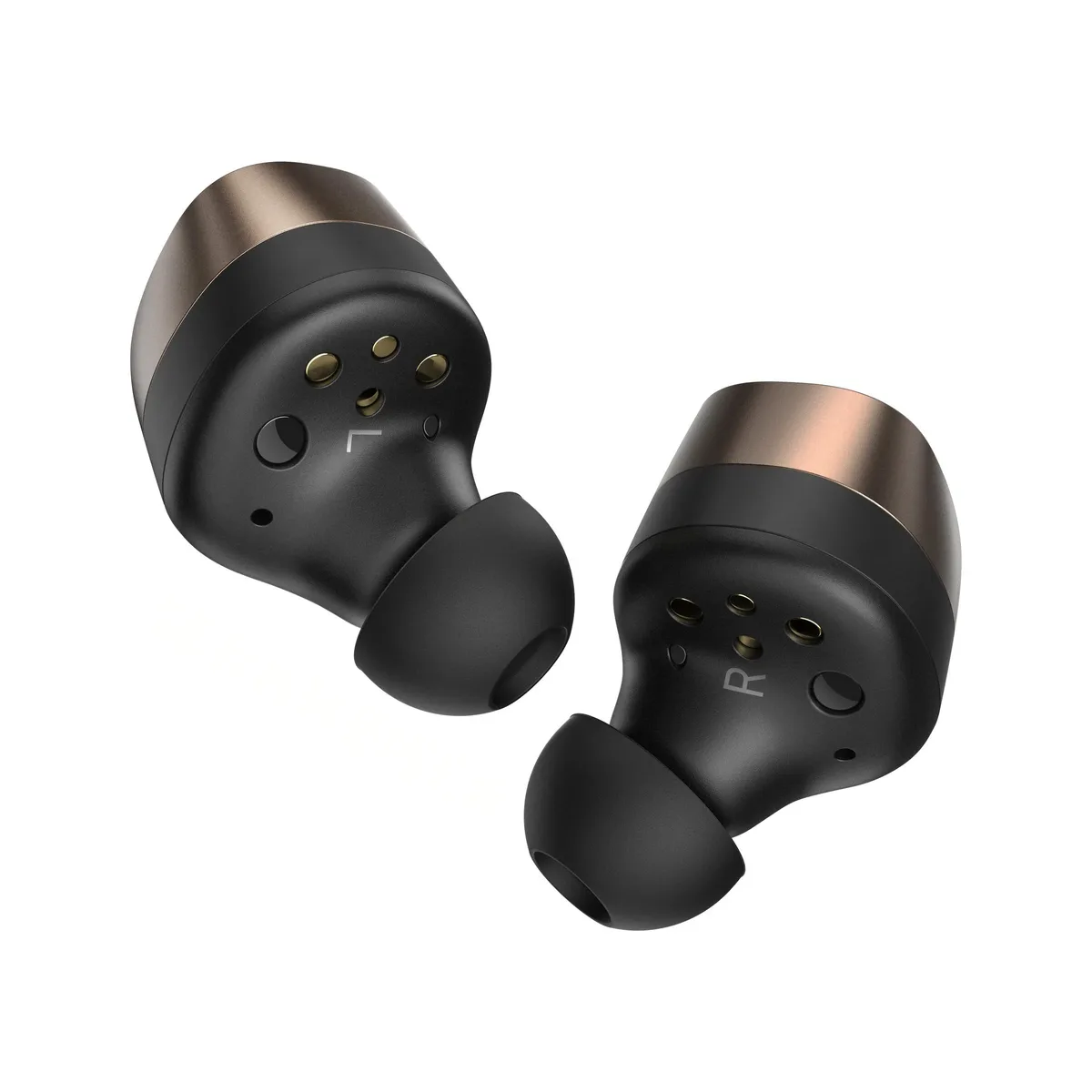
Sennheiser
Wireless Earbuds
The codec king. If your phone supports aptX Lossless — mostly Snapdragon flagships — this is one of the only earbuds that can play CD-quality audio without compression, and the 7mm TrueResponse driver has the refined, spacious tuning Sennheiser is known for. Seven hours with ANC and 30 total is strong, multipoint works, and the Smart Control app has a proper EQ. The reasons these sit at 4.1 stars instead of 4.5: the chunky 6.2g housings are a genuinely bad fit for smaller ears, and owner threads are full of connection-drop and app-pairing complaints that firmware updates only partly cured. The Adaptive ANC is comfortably mid-tier — noticeably behind Bose and Sony — and call quality is unremarkable. No spatial audio at all, which either matters to you or doesn't. Best bought on the frequent sub-$200 sales, not at the $300 list.
Best for Snapdragon phone owners chasing lossless wireless audio
Nothing
Wireless Earbuds
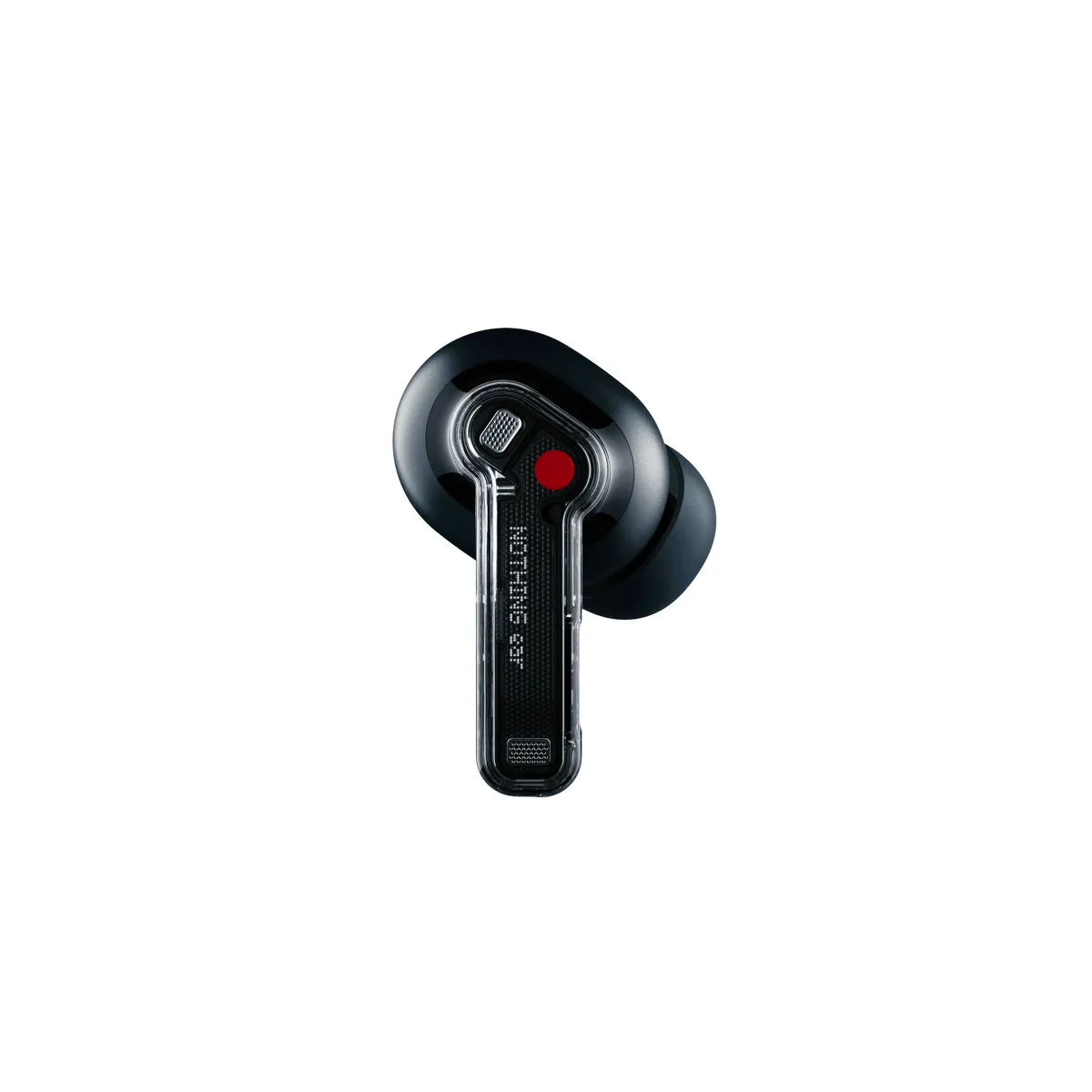
Pound for pound the best value on this list. For way under half the price of the flagships you get an 11mm ceramic-diaphragm driver, both LDAC and LHDC 5.0 hi-res codecs, a genuinely useful 8-band EQ with a custom profile system, multipoint, wireless charging, and the transparent design that still gets comments. The sound is punchy and fun, and surprisingly tweakable. Where the budget shows: 5.2 hours with ANC on is short — commuters notice — and the 45dB Smart ANC handles office hum fine but loses to plane roar. Mics are only okay in wind, and some owners report occasional single-bud connection hiccups that a re-pair fixes. The pinch controls work better than most touch surfaces. No spatial audio, and the ChatGPT integration is a party trick. If you're not paying flagship money, this is what to buy instead.
Best for value hunters who want hi-res codecs cheap
JBL
Wireless Earbuds
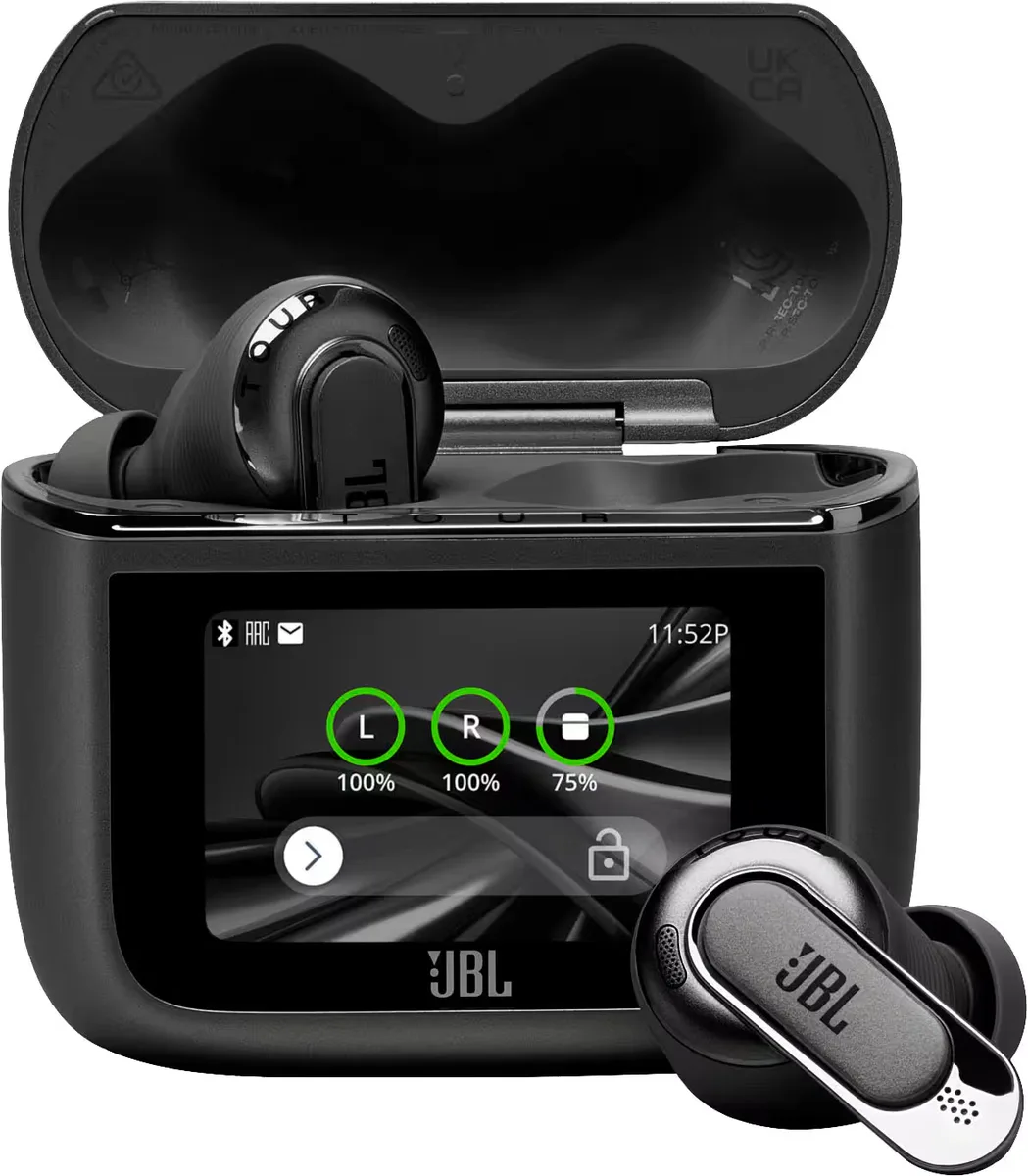
The touchscreen case sounds like a gimmick until you plug it into an airplane seatback and it becomes a wireless transmitter for your buds — frequent flyers say that feature alone justifies the price, and it retransmits over Auracast too. The buds themselves are properly specced: an 11mm dynamic driver plus balanced armature per side, LDAC, 8 hours with ANC, and a monster 44-hour total. True Adaptive ANC 2.0 is solid mid-pack — behind Bose, roughly level with Sony. The honest knocks: out of the box the tuning is bass-heavy V-shape, so plan on living in the 10-band EQ; the 71.8g case is a pocket brick; and the case screen genuinely is unnecessary for daily control once novelty fades. Call quality is above average, and IP55 beats most rivals. If you fly a lot or burn through battery, these make a strong case.
Best for frequent flyers who want seatback-screen audio wirelessly
JLab
Wireless Earbuds
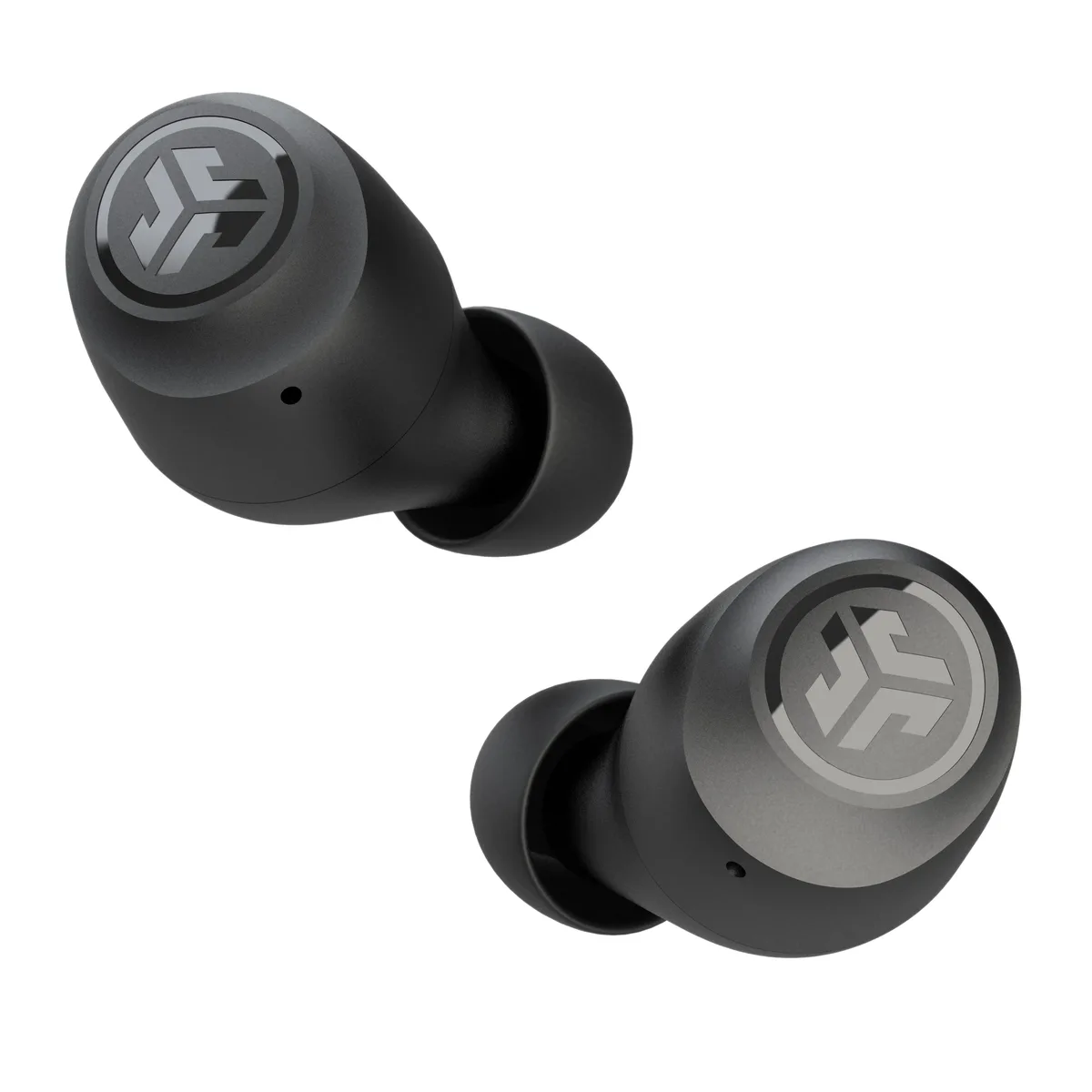
JLab's follow-up to the mega-selling Go Air Pop keeps everything that made the original a default recommendation: tiny buds, a case with the USB-C cable integrated right into it, and 9 hours per charge with 35 total. New here are Bluetooth 5.3, Google Fast Pair, and full custom EQ through the JLab app instead of just the old three-preset EQ3 cycling. Owners are blunt about the tradeoffs: the mics are rough on calls and nearly unusable in wind, touch controls trigger accidentally when you adjust a bud, and there's no ANC, ambient mode, or multipoint — Dual Connect just means either bud works solo. Bass-forward tuning suits gym playlists more than acoustic tracks. At around $25 with an enormous and consistently warm owner base, they're the safest ultra-cheap buds you can buy.
Best for gym-goers who want cheap, reliable buds
Soundcore
Wireless Earbuds
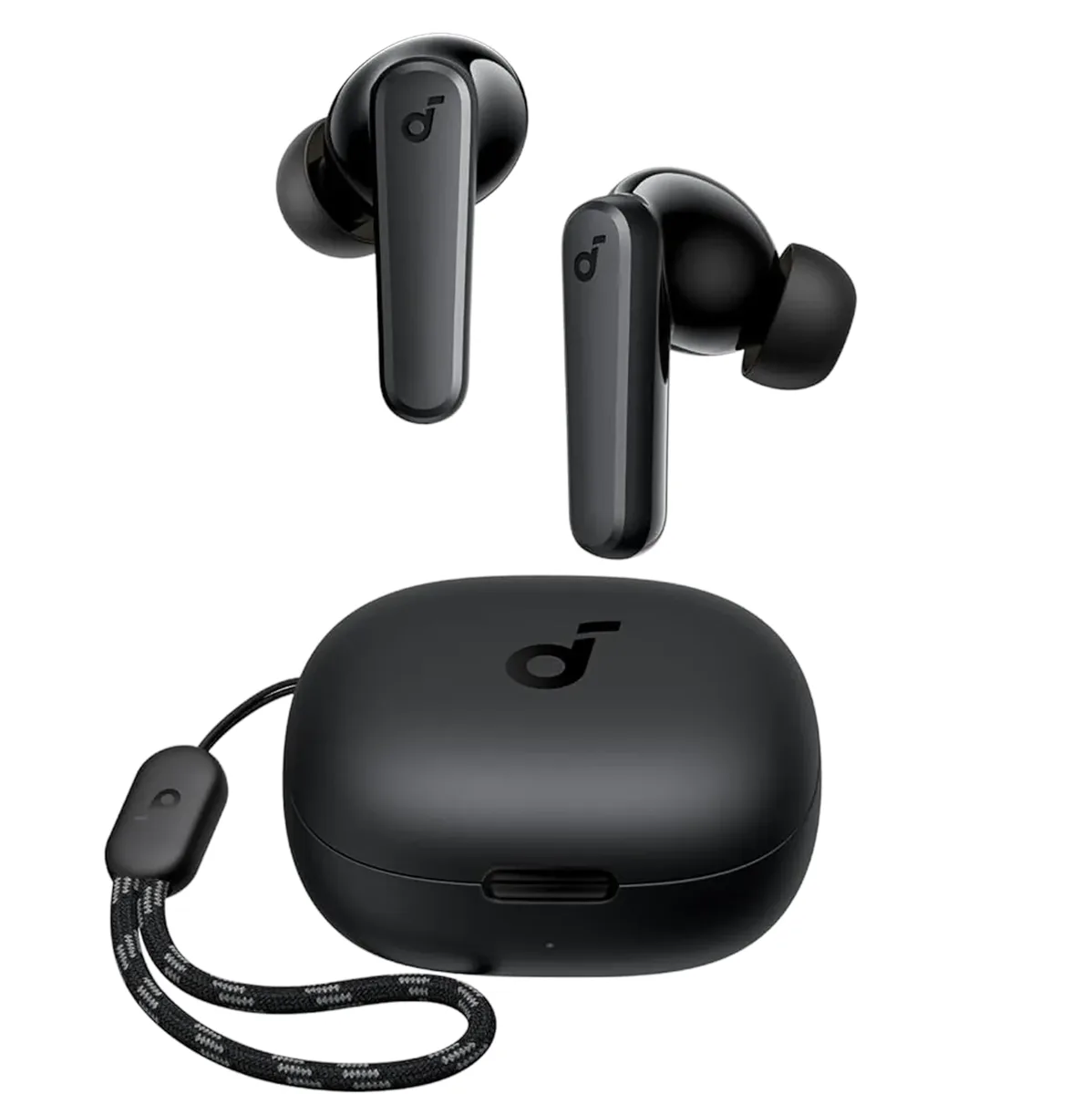
The P20i is what happens when Anker optimizes purely for the Amazon search results page: $20, 10-hour buds, big 10mm drivers, and over 90,000 ratings. For casual listening it genuinely delivers — bass-heavy out of the box, but the Soundcore app's 22 EQ presets tame it, and IPX5 handles sweat fine. Know what you're skipping: no ANC, no transparency mode, no multipoint, no wireless charging, and the pebble-shaped buds are bulky enough that smaller ears struggle to get a stable seal. Call quality is passable indoors and falls apart outside in wind despite the 'AI clear calls' marketing. Long-term owners mostly report the batteries holding up, though a vocal minority see one bud draining faster after a year. As a first pair or a beater set, nothing at this price is more proven.
Best for first-time earbud buyers on a tight budget
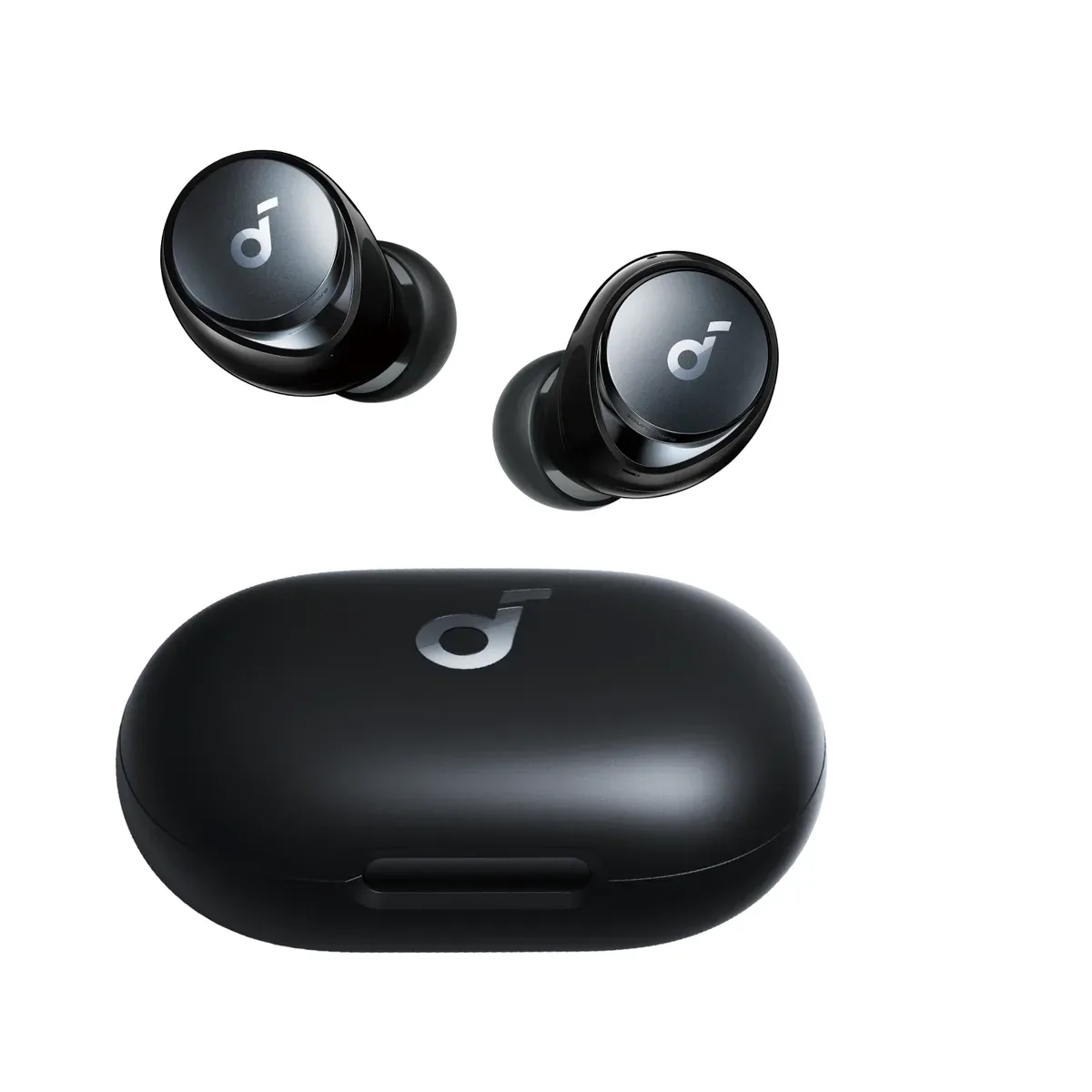
Soundcore
Wireless Earbuds
The Space A40 remains the budget ANC benchmark two-plus years after launch, and recurring $45 sales keep it planted on best-seller lists. The adaptive noise cancelling legitimately hangs with buds twice the price, the buds are small enough to sleep on, and you get LDAC, true multipoint, and a wireless-charging case — a spec sheet nothing else at this price matches. Caveats from long-term owners: LDAC drops battery from 8 hours (ANC on) to roughly 5, the touch controls don't cover volume by default and there's no wear detection, and the mics are mediocre for outdoor calls. Some report one bud developing faster battery drain past the one-year mark, which drags the Amazon average to 4.2. If you want maximum ANC per dollar and can live with average call quality, this is still the pick.
Best for travelers and sleepers wanting cheap ANC
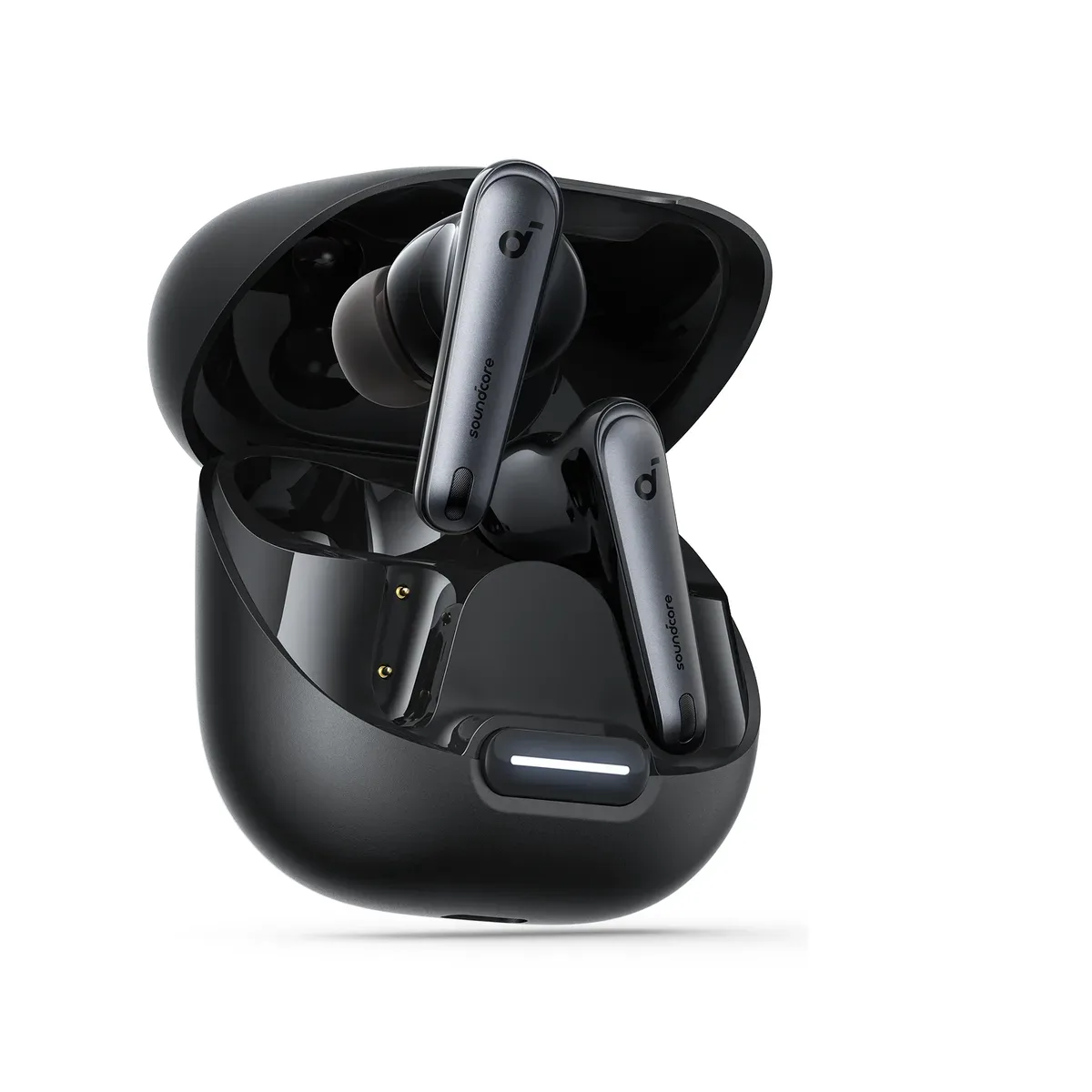
Soundcore
Wireless Earbuds
On paper the Liberty 4 NC reads like a $300 flagship: adaptive ANC claiming 98.5% noise reduction, 11mm drivers, LDAC, multipoint, wireless charging, and a 10-minute charge that buys four hours. In practice it delivers most of it — the ANC is genuinely strong, and HearID builds a custom EQ profile that meaningfully improves the default V-shaped tuning. The compromises: LDAC and multipoint can't run simultaneously, the glossy pill case scratches fast, the Soundcore app pushes firmware and promo nags, and the flat oval stems give some ears a loose seal that undermines the ANC. A subset of owners reports noticeable battery fade around the one-year mark, echoing the Space A40. Street price bounces between $57 and $99; anywhere near the low end it's one of the best-value ANC buds on Amazon.
Best for spec hunters who want everything under $75
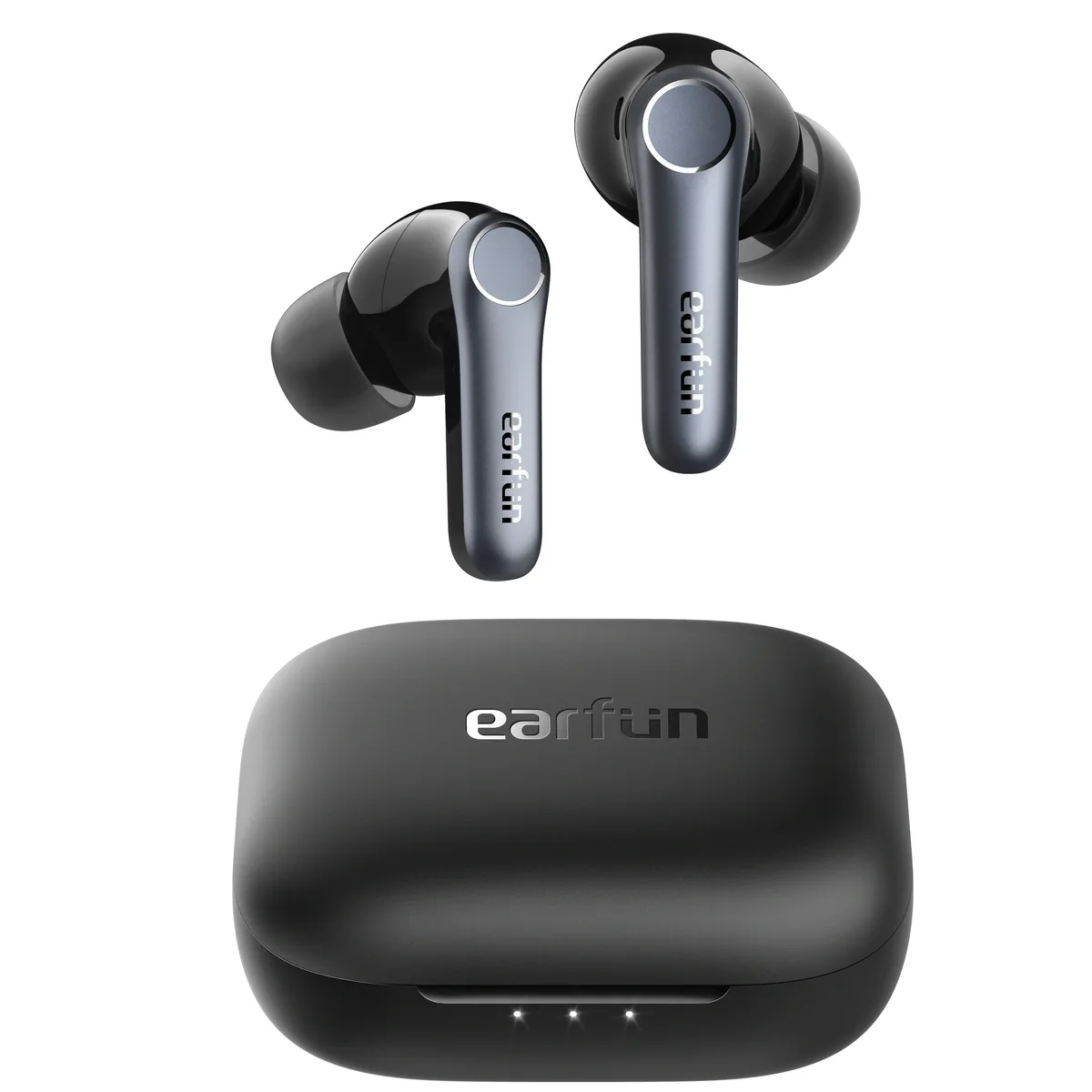
EarFun
Wireless Earbuds
EarFun's Air Pro 4 is the codec nerd's budget pick: aptX Lossless with Snapdragon Sound, LDAC, LE Audio, Bluetooth 5.4, multipoint, wireless charging, and in-ear detection — a list normally reserved for $200 buds. Adaptive ANC is solid if a step behind Bose, and battery is excellent at 7.5 hours with ANC on (11 off) and 52 total. Honest downsides owners flag: the default tuning is heavily bass-boosted until you EQ it in the app, the six-mic array still transmits wind noise on outdoor calls, the Theater Mode spatial effect thins out fidelity and feels like a gimmick, and the glossy shells show every fingerprint. Firmware updates install one bud at a time and take patience. If you're on Android with an aptX or LDAC phone, nothing under $70 extracts more from a Bluetooth pipe.
Best for Android users chasing hi-res codecs cheaply
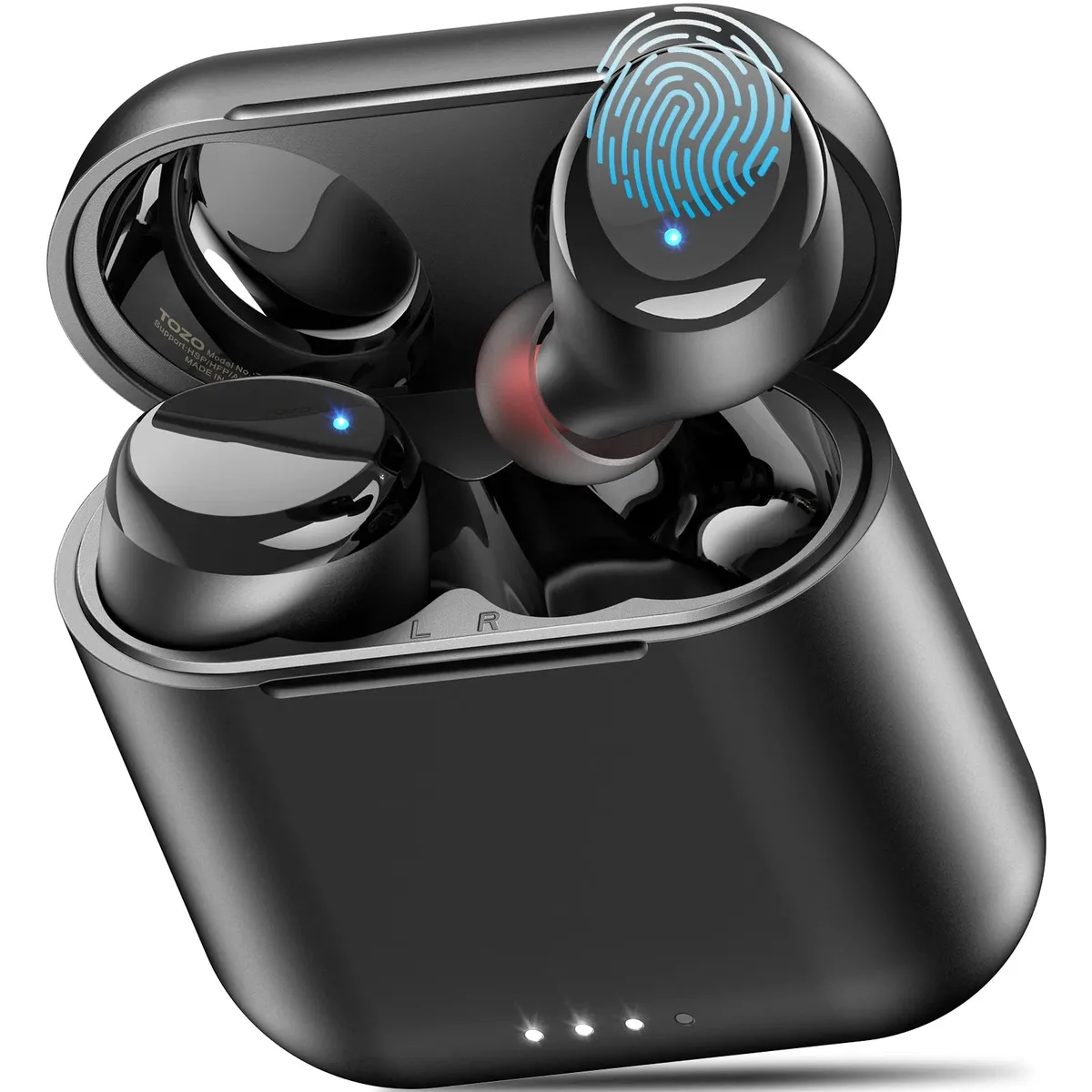
TOZO
Wireless Earbuds
The T6 is one of the best-selling budget earbuds ever made, and the refreshed version keeps it relevant with Bluetooth 5.3, app EQ with 32 presets, and a claimed 12 hours per charge. The IPX8 rating is the real differentiator: these shrug off rain and sweat that kill other cheap buds, and the case still supports wireless charging at a price where that's almost unheard of. Why it's $26: SBC/AAC only, no ANC or ambient mode, no multipoint, and TOZO's infamous quirk where volume resets to a blaring default on every reconnect still annoys longtime owners. Touch controls are oversensitive, and the mic is fine for quick calls but not meetings. The bass-heavy OrigX tuning flatters pop and hip-hop. As a durable, replaceable workout bud, the T6 endures because it nails the basics.
Best for sweaty workouts and rainy runs
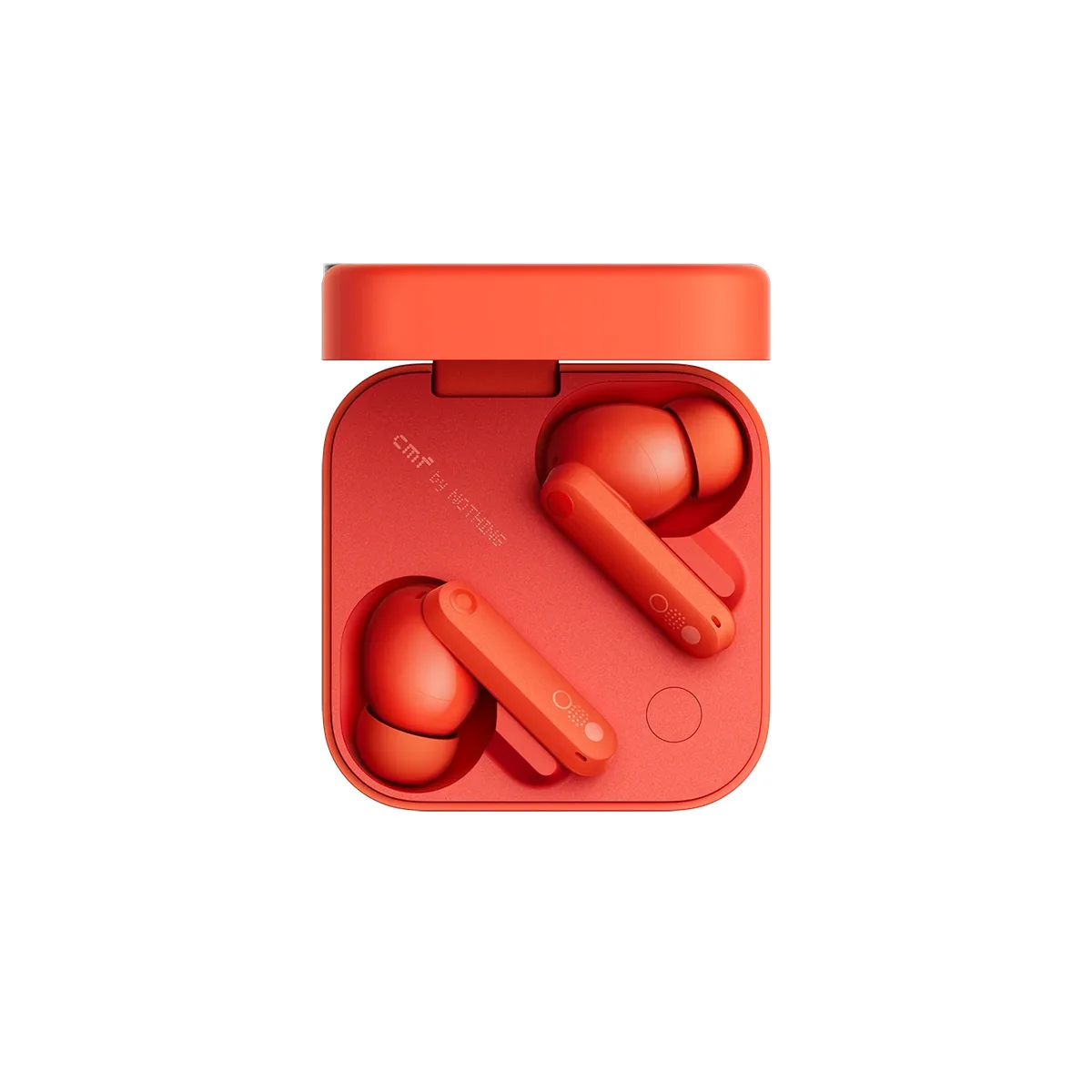
CMF by Nothing
Wireless Earbuds
Nothing's budget sub-brand packs the Buds Pro 2 with an 11mm woofer plus 6mm tweeter per side, LDAC, 50dB adaptive ANC, a spatial audio mode, and the party trick: a Smart Dial on the case that twists to adjust volume or toggle modes. The Nothing X app is one of the best in budget audio, with genuinely useful EQ control. Reality checks from owners: the ANC is good-not-great against voices, the spatial audio effect sounds diffuse and most people turn it off, LDAC disables dual-device connection, and the case — while the buds themselves are IP55 — is bare plastic that scuffs quickly. Mics get shouty in wind. Battery runs 6.5 hours with ANC on and 43 total. The price yo-yos between $37 sales and $59 regular, and at the low end these embarrass buds twice the price.
Best for budget Android users wanting ANC with style
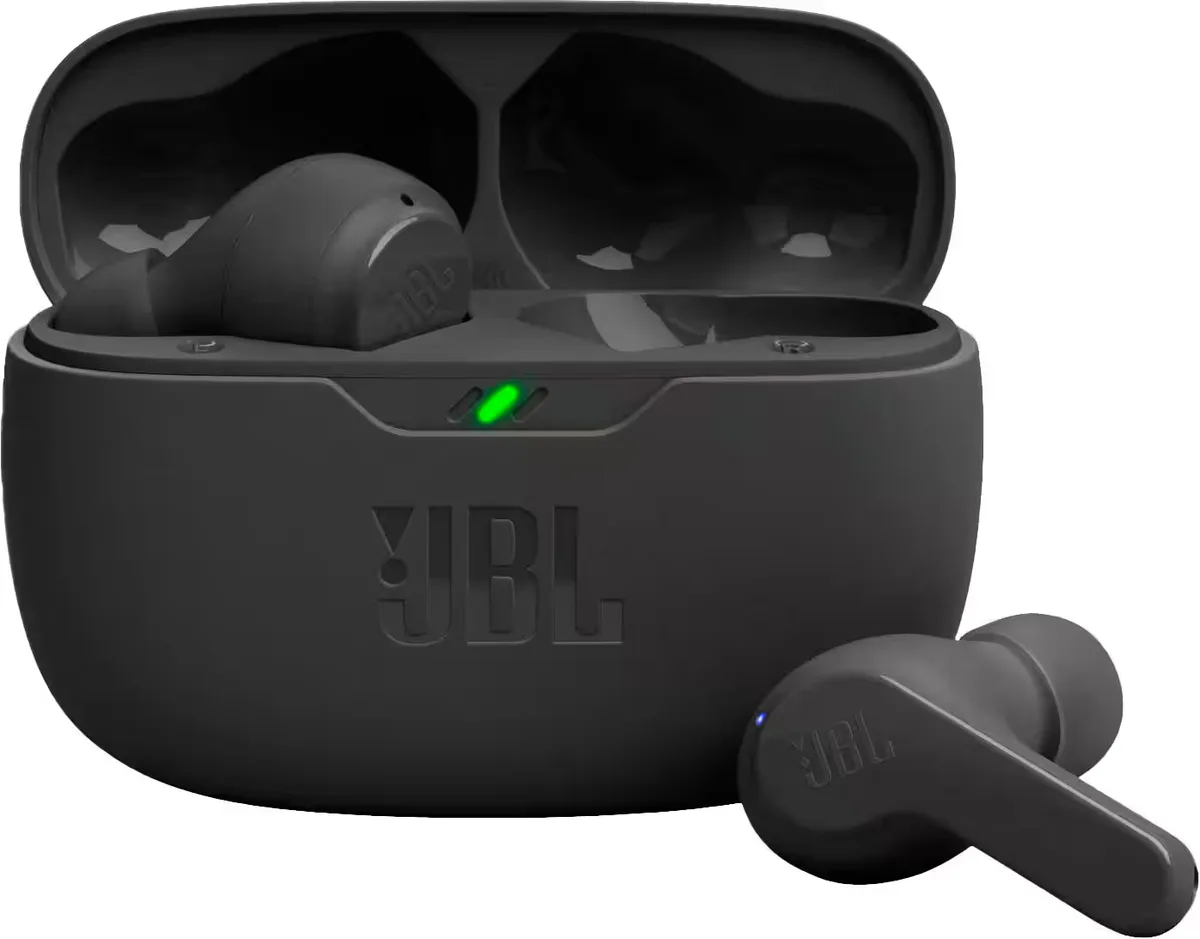
JBL
Wireless Earbuds
The Vibe Beam is JBL's volume seller, and it earns that by doing the unglamorous stuff well. The stick design fits securely, IP54 handles gym sweat, the battery runs a real 8 hours, and unusually for $30 you get Ambient Aware and TalkThru transparency modes plus full EQ customization in the genuinely good JBL Headphones app. What's missing is exactly what you'd guess: no ANC, no multipoint, no wireless charging, SBC/AAC only over Bluetooth 5.2. Owner gripes center on the mic — fine indoors, but windy calls turn robotic — and touch controls that misread taps. A few report that the case's weaker IPX2 rating means a soaked gym bag kills it even when the buds survive. If brand-name reliability matters more than a feature list, this is the safe $30 spend.
Best for casual listeners upgrading from freebie earbuds
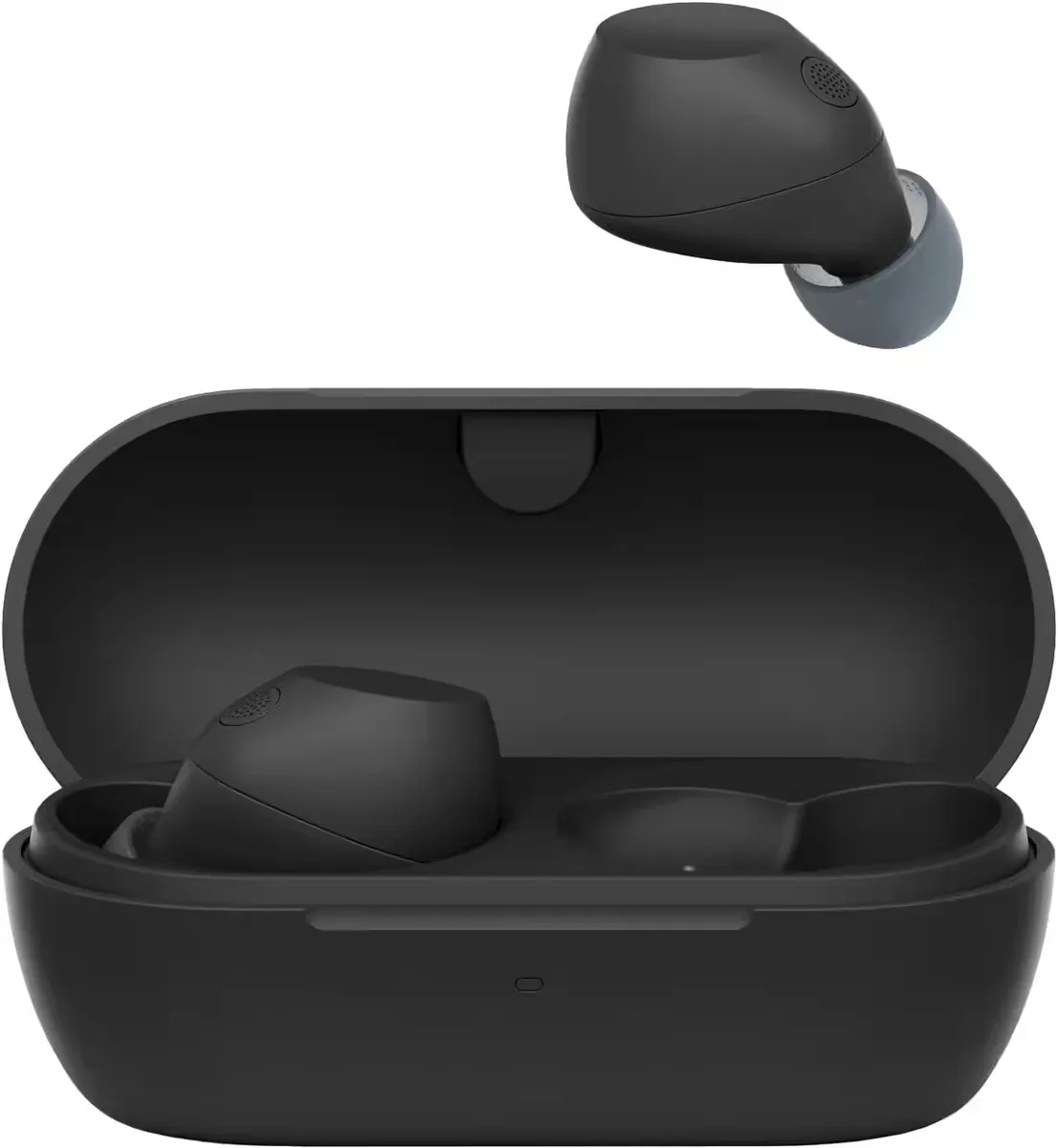
Sony
Wireless Earbuds
Sony's WF-C710N fixes the two loudest complaints about the beloved WF-C700N: it adds multipoint and touch controls, and stretches ANC battery life to 8.5 hours. The translucent Glass Blue finish became a minor social-media phenomenon, and the ANC — with dual noise sensors — is comfortably among the best in the sub-$100 tier when you catch it on sale from its $120 list. The stingy parts are very Sony: SBC/AAC only (no LDAC on a Sony bud at this price still stings), no wireless charging, no spatial audio, and the buds grew slightly chunkier than the C700N, which smaller ears notice on long sessions. The Sound Connect app is feature-rich but pushy about accounts and notifications. Mic quality is average outdoors in wind. Retail review volume is still building since the 2025 launch, but sentiment tracks the C700N's strong reputation.
Best for commuters wanting Sony ANC without flagship prices
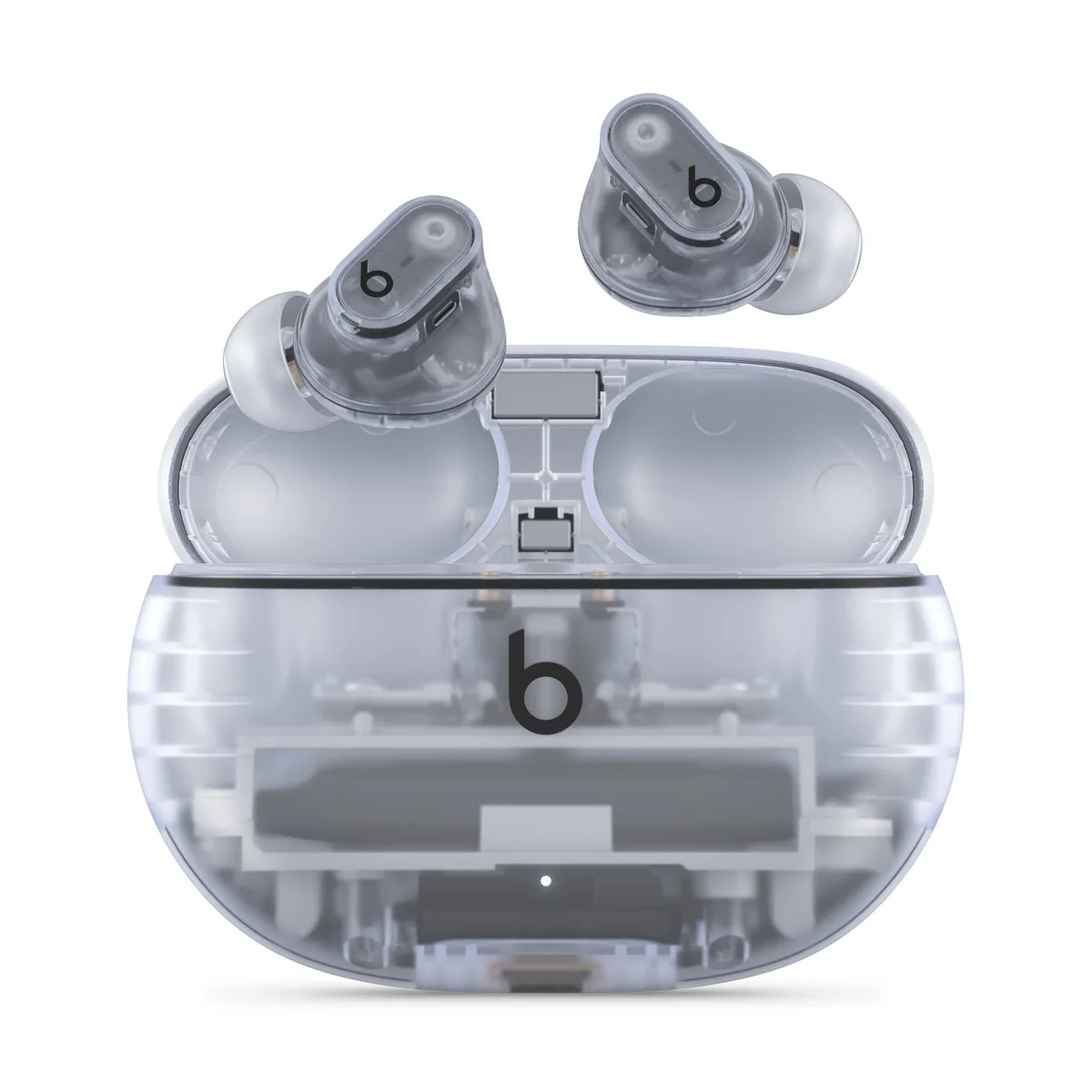
Beats
Wireless Earbuds
The Studio Buds+ occupy a unique niche: near-native behavior on both platforms, with one-touch pairing and Find My on iPhone plus Fast Pair and Find My Device on Android — no other brand bridges the gap this cleanly. The transparent shell looks great, transparency mode is genuinely natural, spatial audio works with Apple Music, and Fast Fuel adds an hour in five minutes. The compromises are real, though: ANC is noticeably weaker than a Space A40 at half the price, and there's no multipoint, no wireless charging, no wear detection, and no EQ of any kind. Battery runs 6 hours with ANC on, and owners note the 36-hour case total assumes ANC off. Owner sentiment is dragged down by intermittent dropout complaints and a left-bud drain issue on early units. At the frequent $100 sale price they make sense; at $170 list they don't.
Best for households split between iPhone and Android

Skullcandy
Wireless Earbuds
The Dime 3 is the rare $25 bud with multipoint pairing and built-in Tile tracking, and its thumbnail-sized shells fit small ears that bulkier budget buds can't. Sound is warmer and more balanced than the price implies, and three EQ presets (music, bass boost, podcast) cover the basics. The catch is that everything is button-driven: there's no app at all, so remapping controls or fine-tuning EQ isn't possible, and the multi-press combos take memorizing. Battery is a modest 8 hours per charge and 20 total, charging is USB-C only, and the mic is serviceable indoors but wind shreds it. The lanyard-equipped case feels featherweight to the point of flimsy, and IPX4 covers sweat, not submersion. These are the default cheap, cheerful, losable recommendation.
Best for kids, gifts, and easy-to-lose situations
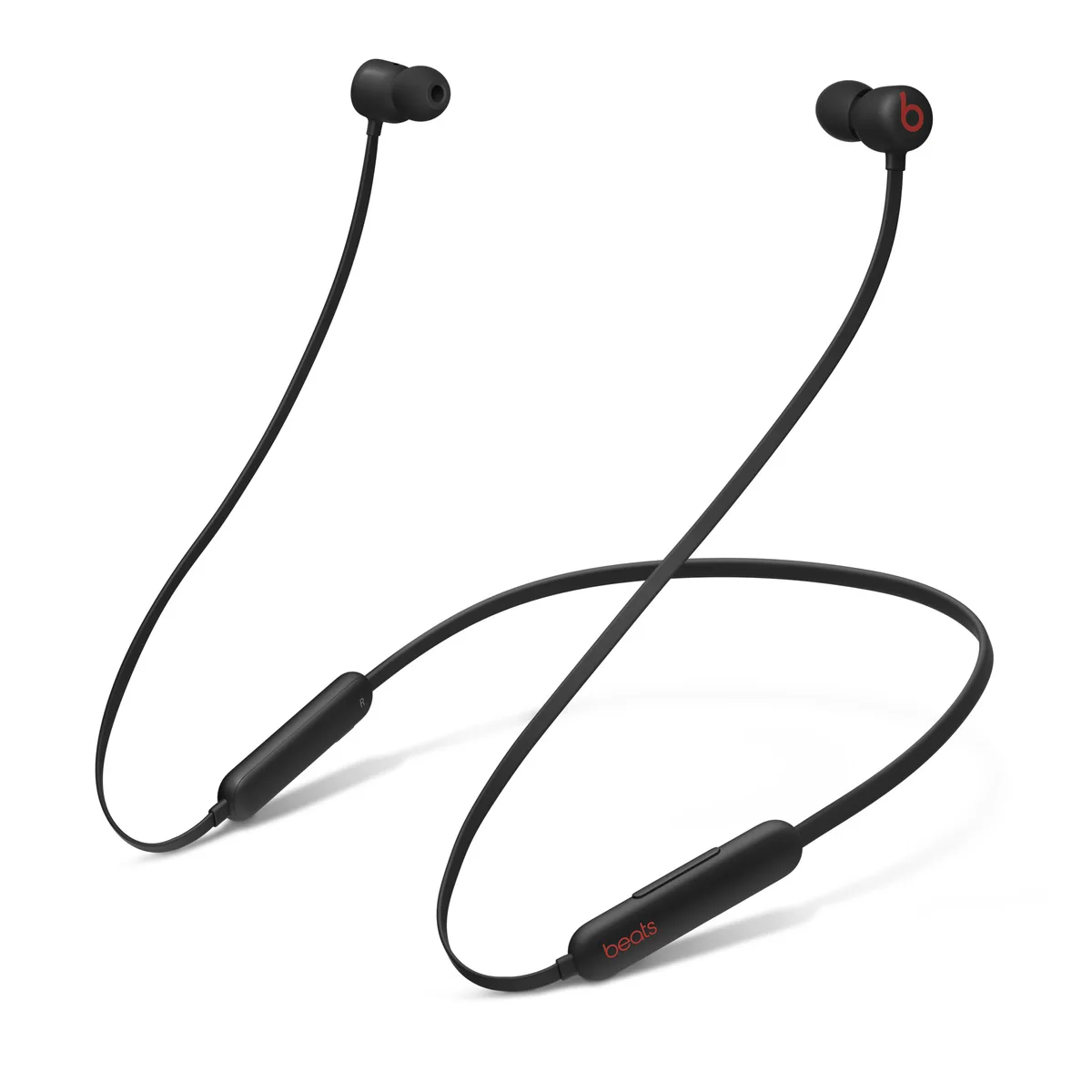
Beats
Wireless Earbuds
The Flex is the last neckband standing in Apple's lineup, and it persists because the format still solves problems true wireless can't: 18.6 grams total (the weight listed is the whole neckband unit, not per bud), nothing falls out or gets lost, the magnetic buds click together to auto-pause, and one USB-C charge covers a 12-hour day. The W1 chip gives instant pairing and iCloud device switching on Apple gear; on Android it's ordinary Bluetooth with SBC/AAC. Be clear about what $40 buys: no ANC, no transparency, no charging case top-ups, and no official sweat resistance — treadmill users report dead units, and water damage isn't covered. The inline remote is plasticky and the cable snags on collars. Long-term owners praise the reliability but note battery capacity fades after a couple of years of daily charging.
Best for all-day wear without losing individual buds
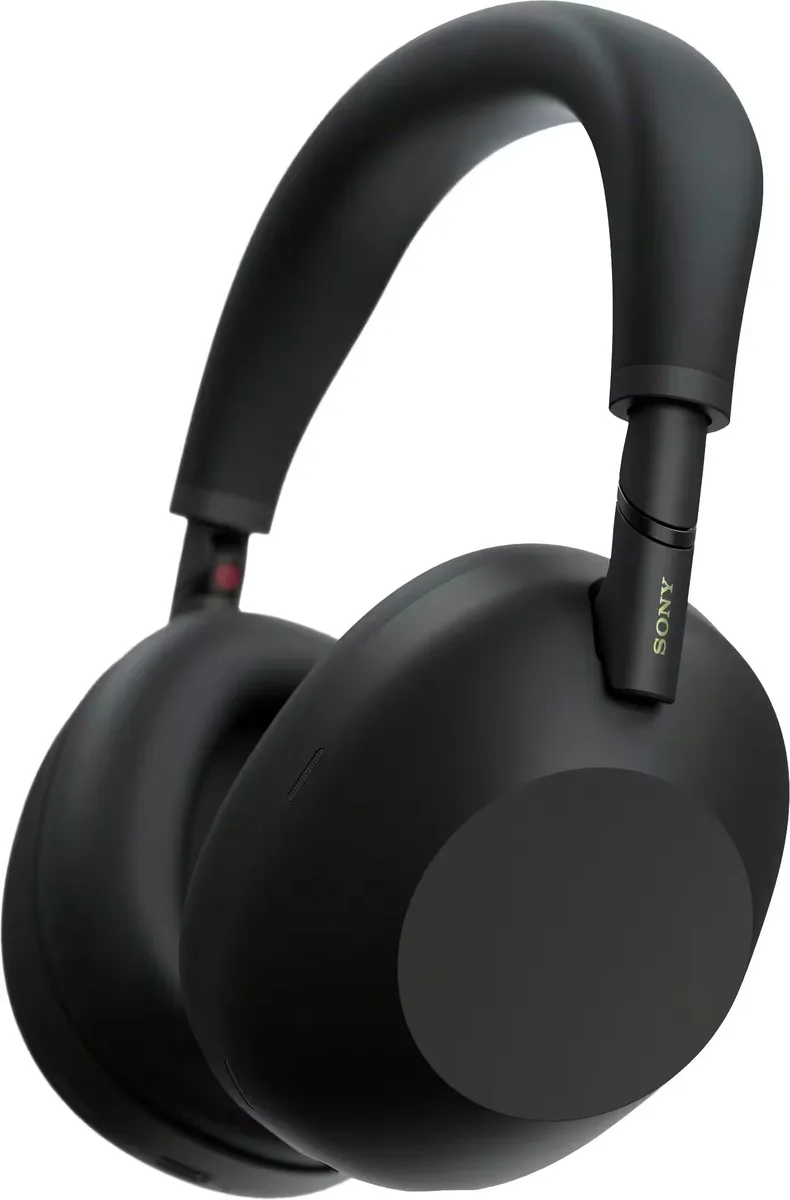
Sony
Over-Ear Headphones
Sony's flagship fixes the XM5's two biggest sins: the folding hinges are back, and the case now closes with a satisfying magnetic clasp instead of a fiddly zipper. The QN3 chip and 12 mics deliver arguably the best ANC you can buy right now, and the wider headband spreads pressure better than the XM5 ever did. Owners' gripes are real, though: the $449 list price stings (thankfully street price has drifted to about $398), 30 hours of battery is now merely average, and running LDAC drains it noticeably faster. The matte finish picks up skin oils, and a few owners report the power button being awkwardly close to the ANC button. No aptX support, as always with Sony. Still, as a total package — sound, ANC, call quality, comfort — this is the one most people should buy.
Best for frequent flyers who want the best all-rounder
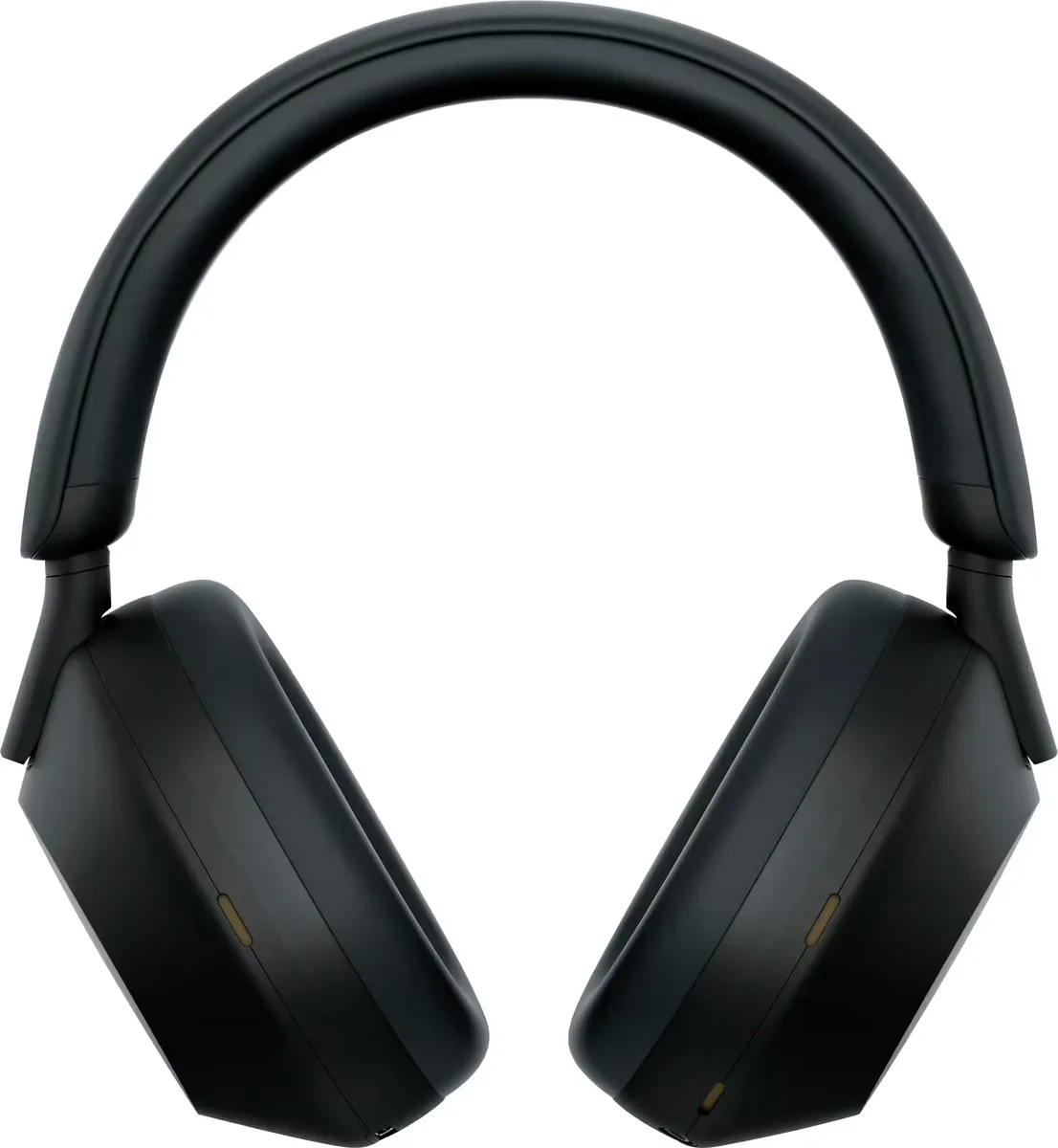
Sony
Over-Ear Headphones
Now that the XM6 exists, the XM5 has become the value play — routinely dipping to around $248 on Amazon, nearly $150 under its original price. The ANC and warm, bass-forward tuning still hold up against anything in this bracket, multipoint works reliably, and at 250g it disappears on your head. But know the ownership record: the non-folding design means a bulky case, and there are widespread reports of the headband stems cracking at the hinge after a year or two — enough that it spawned class-action chatter. Touch controls can misfire in cold or humid weather, and the smooth plastic scuffs easily. If you can live with babying the hinges, this is a lot of flagship for mid-range money; if you're rough on gear, the XM6's return to folding metal hinges is worth the premium.
Best for value hunters who want 90% of the XM6 for less
Before you buy
Headphone questions, answered
Is active noise cancelling actually worth paying for?
For planes, buses, offices, and city commutes — yes, it's the single biggest quality-of-life difference in modern headphones. ANC kills low-frequency drone (engines, HVAC) far better than it kills voices or clattering keyboards, so set expectations accordingly. Budget ANC ($50-100) now genuinely works; flagship ANC is better mostly at wind handling and high-pitched noise. How ANC really works →
Do Bluetooth codecs like LDAC and aptX actually matter?
Less than spec sheets imply. AAC on an iPhone and LDAC on Android both sound excellent; the audible ceiling is your earbuds' drivers and tuning, not the codec. Where codecs do matter: Android phones handle AAC inconsistently, LDAC drains battery faster and can stutter in crowded areas, and no iPhone supports LDAC or aptX at all — so don't pay extra for a codec your phone can't use. Codec guide →
Should I get earbuds or over-ear headphones?
Earbuds win for portability, workouts, and hot weather; over-ears win for battery life, comfort over long sessions, sound quality per dollar, and ANC strength (a sealed cup blocks more before electronics even switch on). If you're on video calls all day, over-ears with a good mic array are less fatiguing. Plenty of people rationally own one of each. Full tradeoff breakdown →
What is multipoint, and do I need it?
Multipoint keeps your headphones connected to two devices at once — laptop and phone — and switches audio when a call comes in. If you work at a computer and own a phone, it's the feature you'll use every single day, and it's still missing from some expensive models (including AirPods outside the Apple ecosystem). Check the spec table before you buy.
What do IP ratings like IPX4 and IP67 mean for workouts?
The digit after the X (or the second digit) is water: 4 means sweat and rain splashes are fine, 7 means it survives a dunk. The first digit is dust. IPX4 covers gym use; runners in the rain want IPX5+; only IP67+ survives a wash-cycle accident, and nothing covers swimming with Bluetooth anyway — water blocks the signal.
Why do AirPods sound worse on Android?
AirPods leaning features — spatial audio, auto-switching, one-tap pairing, ear-detection — live in Apple's ecosystem, not in the Bluetooth spec, so on Android you get a plain AAC connection with none of it. Sound is close, features aren't. On Android, the equivalents are Galaxy Buds (on Samsung), Pixel Buds (on Pixel), or platform-neutral picks from Sony, Bose, and Anker.
How long do wireless earbuds last before the battery dies for good?
The lithium cells in each bud are tiny and non-replaceable, and heavy daily use typically cuts noticeable capacity in 2-3 years. Nothing you can do prevents it entirely; avoiding heat and not storing them at 0% helps. Over-ear headphones last longer — their bigger cells cycle less — and some (and all wired models) will outlive your phone. When to spend more →
Are $300 headphones really better than $50 ones?
The honest curve: $30-60 now buys genuinely good sound and workable ANC (the budget tier has improved dramatically). $150-250 buys the real jumps — stronger ANC, better mics for calls, multipoint, wireless charging, better fit engineering. Past $300 you're paying for the last 10%: refinement, materials, and ecosystem features. Diminishing returns are real; buy the tier that matches your daily hours. Price-tier breakdown →