HyperX Headphones
HyperX has 3 headphones on Headphone Ranker, priced from $45 to $70. The highest-rated HyperX pick is the HyperX Cloud II. Compare the full lineup below.
All three HyperX headsets are wired and cost $70 or less, and owners treat the brand as the safest name in budget gaming audio. The Cloud II ($60) is the one that built the reputation. Its aluminum frame regularly lasts five to seven years of daily use, with nothing failing but the pads (about $10 to replace), and the plain 3.5mm plug works on every console. The Cloud III ($70) keeps that frame and comfort, adds angled 53mm drivers, a 10mm mic with an LED mute tip, and USB-C/USB-A alongside 3.5mm. The Cloud Stinger 2 ($45) is the light all-plastic entry model with a swivel-to-mute mic.
The weak spots owners report are mostly mics and software. The Cloud II's mic sounds faint through the USB box, the Stinger 2 has a pattern of crackling or dead mics within weeks, and the Cloud III's EQ and DTS live in NGENUITY, which owners call buggy and which runs on Windows only. Owners mostly leave the virtual surround off on the Cloud II and Cloud III. If you can afford it, the Cloud III is the pick. The Cloud II wins on durability, and the Stinger 2 is for a backup headset or a first one.
HyperX
Gaming Headsets
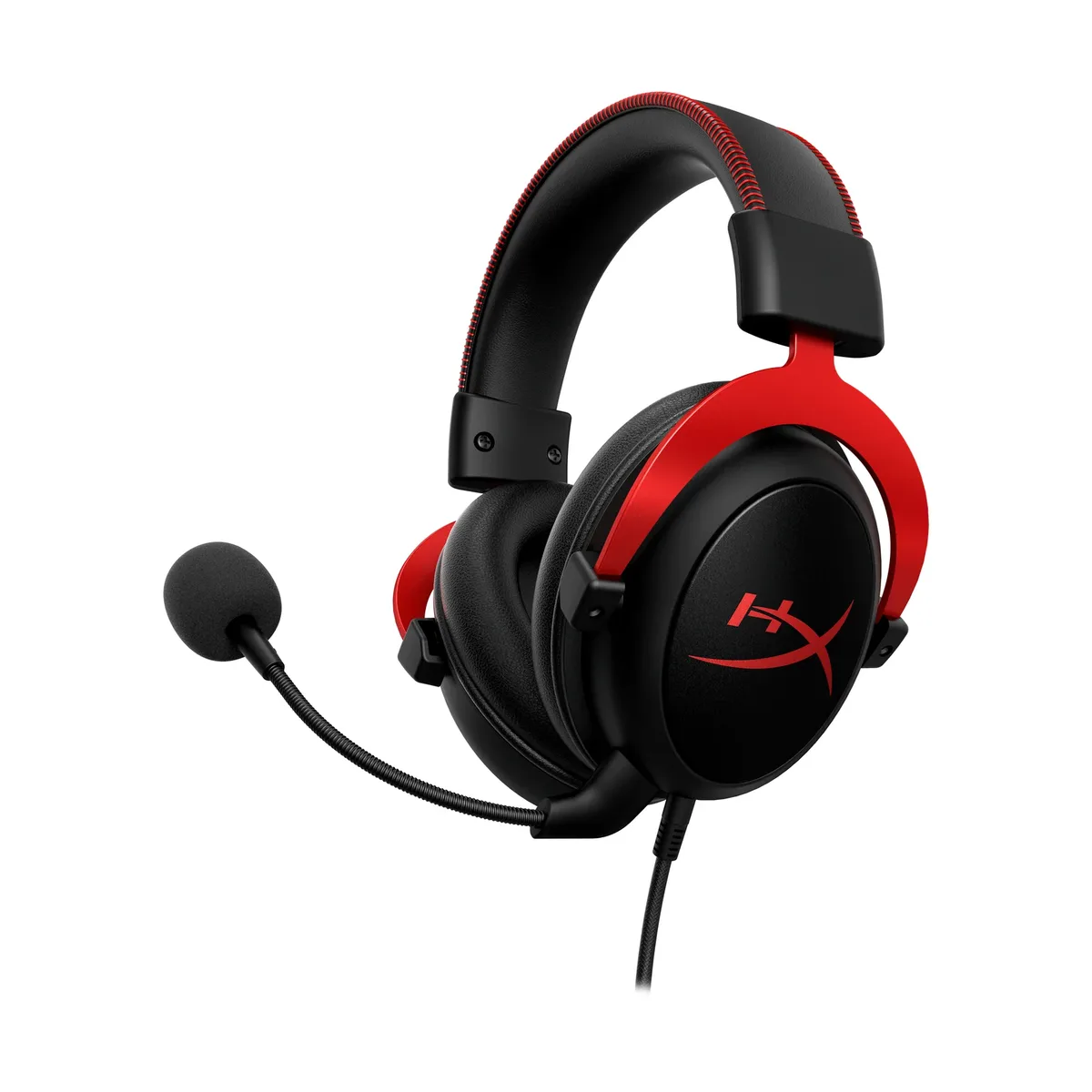
This is the headset that made HyperX, and a decade later it's still one of the safest cheap buys in gaming. The formula hasn't changed: an aluminum frame that survives years of abuse, memory-foam leatherette pads that stay comfortable through long sessions, and big 53mm drivers with a warm, bass-forward tune. Owners routinely report six to ten years of daily use before anything gives out, and when the pads finally do, replacements are cheap and standard-sized. The honest caveats: the sound is dated next to modern competition — perfectly fine for games, mediocre for music — and the USB control box's virtual 7.1 surround is a button most owners press once and never again. The mic is serviceable rather than great, and there's no software support, wireless option, or EQ. Compatibility is simple because it's analog: the 3.5mm plug works on PS5, Xbox, Switch, and anything with a headphone jack, while the USB box adds volume/mic controls on PC and PlayStation. If you want a no-fuss wired headset that will outlive two console generations, this is still the answer; if you care about sound refinement, spend a little more on the Cloud III.
Best for Budget buyers who want a headset that lasts for years
HyperX
Gaming Headsets
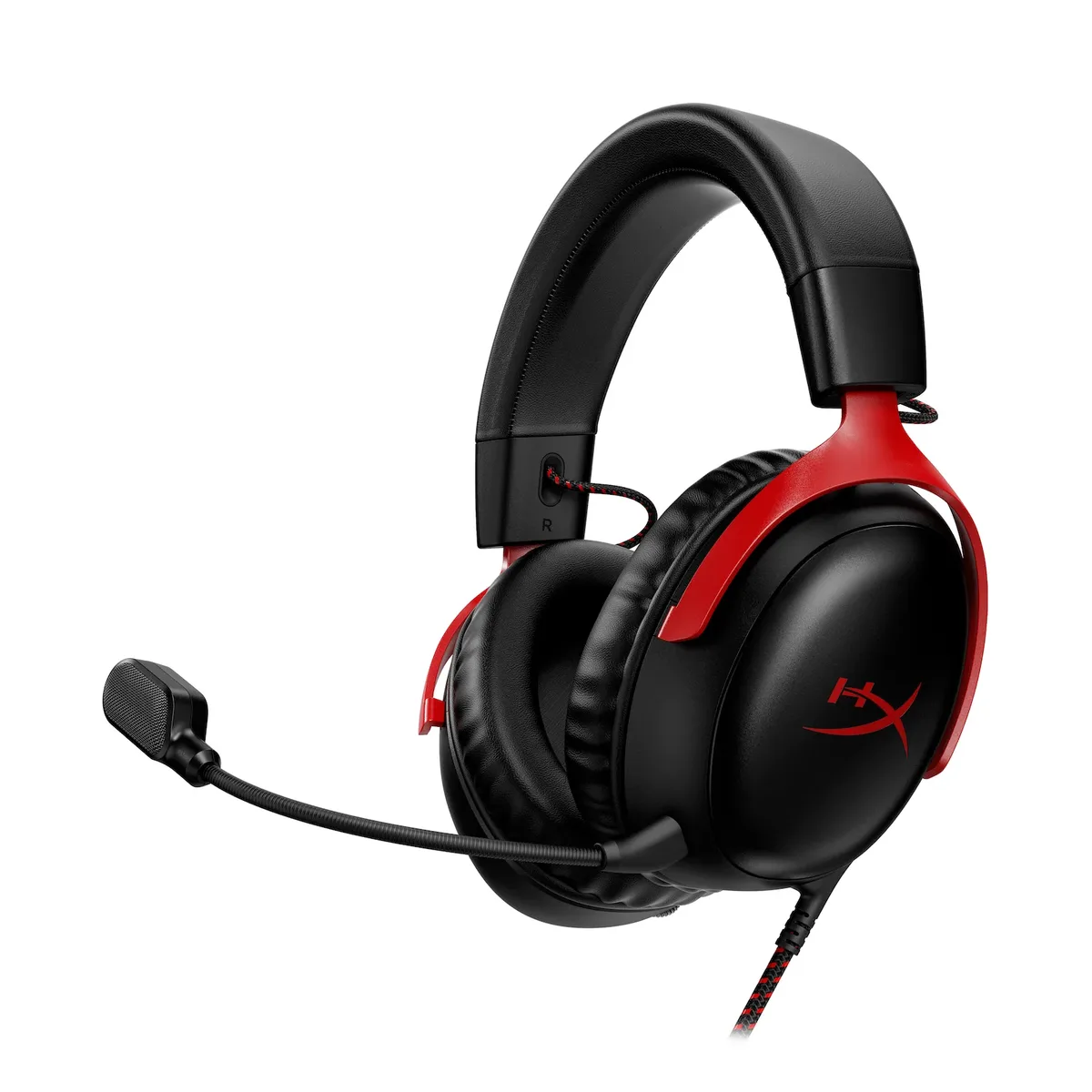
The Cloud III takes everything owners loved about the Cloud II — the aluminum frame, the memory-foam comfort, the tank-like build — and quietly fixes the weak points. The angled 53mm drivers sound cleaner and better separated than the old warm mush, and the 10mm mic is the real headline: long-term reviews consistently rank it among the best microphones on any gaming headset at any price, with an LED mute indicator on the tip so you always know when you're muted. You get three ways to connect: 3.5mm analog for PS5, Xbox, and Switch, plus USB-C and a USB-A adapter for PC and PlayStation, where DTS spatial audio and EQ come via HyperX's Ngenuity software. The honest caveats: it's a modest step over the Cloud II rather than a leap, there's no wireless or noise cancellation at this price, and the leatherette pads still run warm. Some owners also note the fixed USB-C cable deserves care — it's not the invincible part of the package. But at its typical street price it undercuts most of the competition while beating them on mic quality and comfort, which is why it's become the default recommendation for wired headset buyers.
Best for Wired gamers who talk as much as they play
HyperX
Gaming Headsets
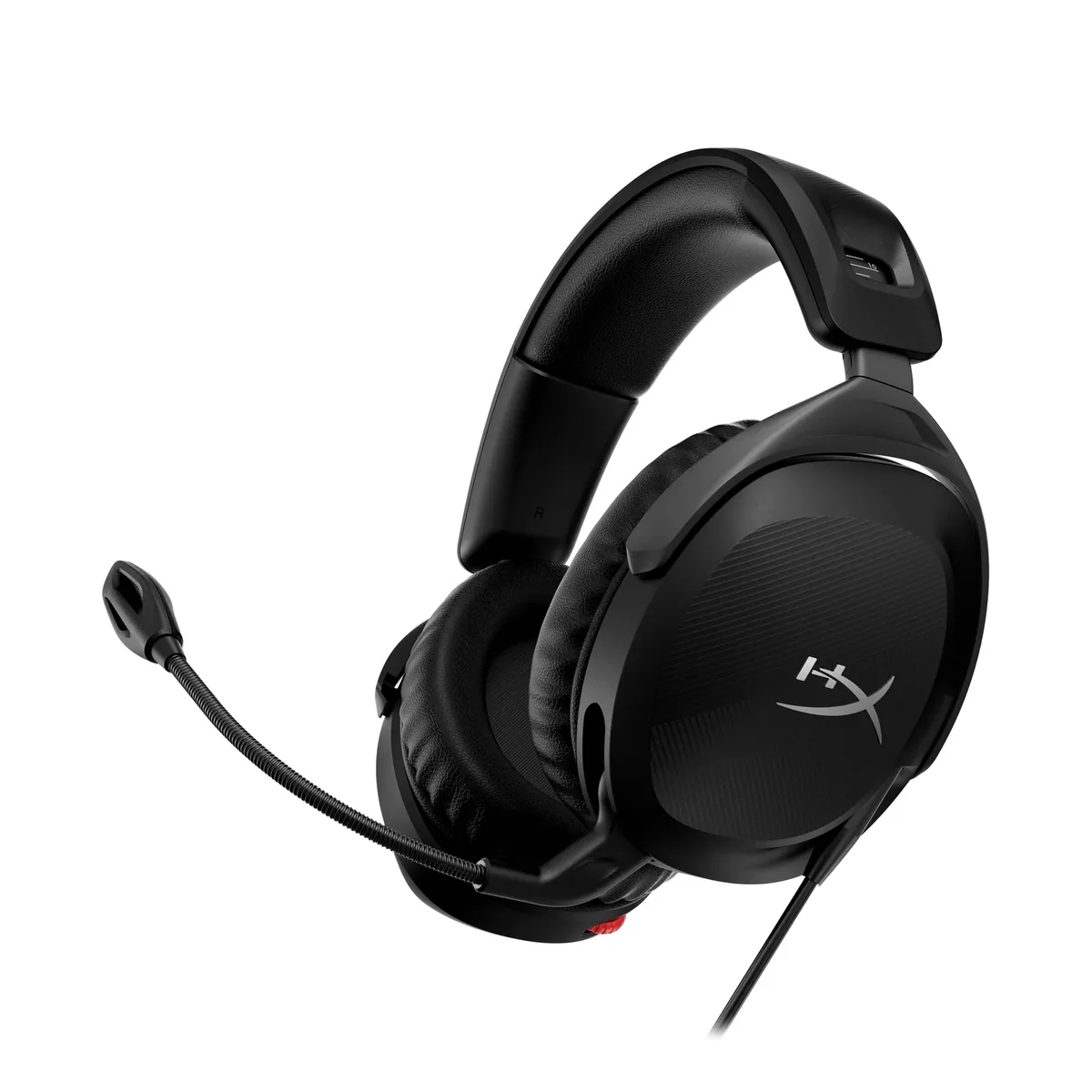
The Stinger 2 is HyperX's entry-level wired headset, and it nails the basics that matter at $30-50: comfortable for long sessions at a light 275g, decent 50mm sound with a bass-forward tilt, and a swivel-to-mute mic — rotate it up and you're muted, no button hunting. Owners consistently call HyperX the safest name in budget wired headsets, and the Stinger 2 is why: it just works, and it's regularly on sale near $30. A DTS Headphone:X license adds virtual spatial audio on PC, though there's no EQ software beyond that. The honest caveats are exactly what you'd expect at the price: the all-plastic chassis feels flimsy next to the aluminum-framed Cloud II (a few owners report cracked cups after a year or two of rough handling), the mic is serviceable rather than good, the cable doesn't detach, and there's nothing to customize. It's a plain 3.5mm headset, so it plugs into PS5, Xbox, and Switch controllers fine even though HyperX markets this base version for PC. If you can stretch to the Cloud III, do — but if the budget stops here, the Stinger 2 and Corsair HS55 are the two safe answers, with the Stinger winning on mute convenience and the HS55 on plushness.
Best for First headsets and backup rigs on a tight budget
HyperX headphones: common questions
Is the HyperX Cloud III worth it over the Cloud II?▾
It's a modest step rather than a leap: cleaner, better-separated sound, a better mic by most owners' accounts, and USB-C/USB-A connection alongside 3.5mm, for $10 more. Its EQ and spatial audio need Windows-only NGENUITY software, which owners dislike. The Cloud II is still the durability benchmark.
Do HyperX headsets work on PS5, Xbox and Switch?▾
Yes. All three have a 3.5mm connection, so they plug into PS5, Xbox and Switch controllers. The Cloud II's USB control box and the Cloud III's USB connection add extra features on PC and PlayStation.
Is HyperX 7.1 surround worth turning on?▾
Owners mostly say no. The Cloud II's 7.1 is upmixed stereo that blurs footstep positions, and DTS Headphone:X on the Cloud III is widely called ineffective. Most people go back to stereo.