Bose
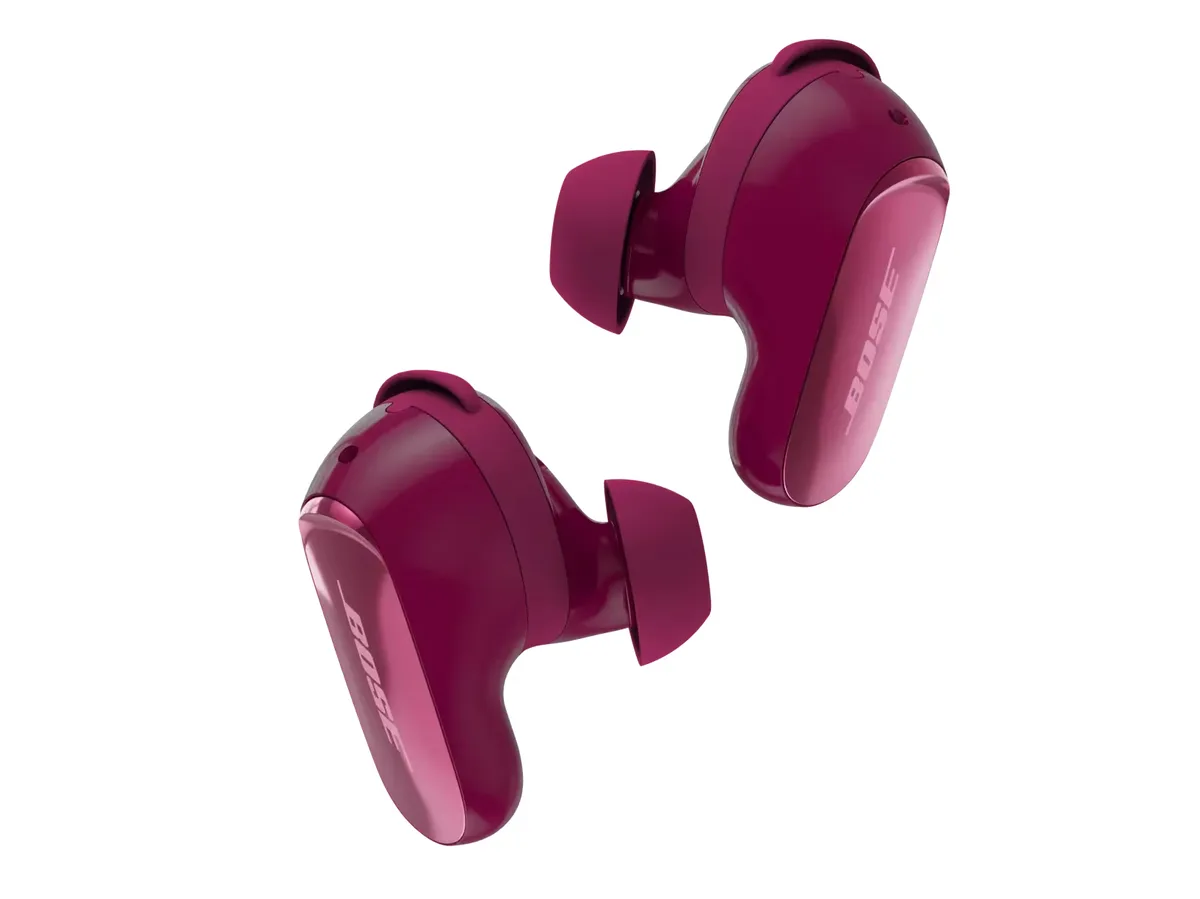
Bose QuietComfort Ultra Earbuds (2nd Gen)
Nobody seriously disputes that these have the strongest noise cancellation you can put in your ears — low rumble just vanishes, and the CustomTune calibration means it works across different ear shapes. The second gen fixed the first gen's most annoying gaps: the case finally charges wirelessly, multipoint is on board, and AI noise suppression cleaned up what used to be mediocre call quality. What Bose didn't fix: 6 hours of battery is behind Sony and Technics, and running Immersive Audio knocks it down near 4. At 7.7g per bud they're chunky, and people with smaller ears feel it on long sessions. No LDAC either — aptX Adaptive on supported Androids, AAC otherwise. Sound is punchy and pleasant rather than audiophile-precise, and the app EQ is a basic three-band affair. Buy them for the silence; everything else is merely good.
We may earn a commission. Price and availability on Amazon’s site may differ.
Specifications
Highlights
Pros
- ✓Strongest earbud ANC anywhere — low rumble just vanishes
- ✓CustomTune calibration adapts silencing to your ears
- ✓Gen 2 finally adds a wireless-charging case
- ✓Multipoint finally arrives in the second generation
- ✓AI suppression fixed gen one's mediocre call quality
- ✓aptX Adaptive on supported Android phones
Cons
- ✗6-hour battery trails Sony XM5 and Technics AZ100
- ✗Immersive Audio drops runtime near 4 hours
- ✗Chunky 7.7g buds fatigue smaller ears
- ✗No LDAC, and EQ is a basic three-band
- ✗Wind overwhelms the ANC outdoors, owners report
Owner Insights(3,100 discussions)
Nobody who owns these argues about why they bought them: the QuietComfort Ultra Earbuds (2nd Gen) have the strongest noise cancellation you can put in your ears, and owner testing after a year of daily use still backs that up — roughly 85% average noise reduction, with low-frequency rumble effectively erased. The CustomTune calibration that re-measures your ear canal on every insertion is a real differentiator, keeping ANC performance consistent across ear shapes where rivals vary. And the second generation fixed the first gen's most-complained-about gaps: wireless charging, true multipoint, and calls cleaned up by AI noise suppression.
The long-term ownership picture has one loud asterisk: wind. The mics pick up gusts and turn them into a distracting rumble layered over your audio, and after nearly a year of firmware updates owners walking, running or cycling outdoors still call it a constant frustration. Battery is the other structural weakness — 6 hours with ANC trails Sony and Technics, and Immersive Audio pulls it toward 4. The 7.7g buds are also simply big; owners with smaller ears report soreness on long sessions and wish for more than three tip sizes. Scattered reports of case failures and connection dropouts within weeks exist too, so buy somewhere with painless returns. Sound is punchy and enjoyable rather than reference-grade, and the three-band EQ won't satisfy tinkerers.
Buy these if silence is the entire point — frequent flyers and open-office workers say nothing else comes close, and that's worth the $249-299 ask to them. If you want a better all-rounder, the Sony WF-1000XM5 gives up a step of ANC for better battery, LDAC and a lower street price; iPhone owners should weigh the AirPods Pro 3, which get within striking distance of the silence with far deeper ecosystem integration. The strongest alternative is actually Bose's own first-gen Ultra Earbuds, which deliver most of the same ANC at a steep discount if you can live without wireless charging and multipoint.
Pros
- +The strongest noise cancellation in any earbud, period — long-term owners measure roughly 85% average noise reduction and say low rumble simply vanishes
- +CustomTune calibration adapts ANC and sound to your ear canal each time you insert them, so performance holds across different ear shapes
- +Second gen finally adds wireless charging on the case and true multipoint — the two gaps first-gen owners complained about most
- +AI noise suppression meaningfully improved call quality over the first gen; colleagues stop asking owners to repeat themselves
- +Upgraders from the first gen report clearer sound with noticeably better bass control
- +Punchy, pleasant tuning that flatters commute listening even if it isn't audiophile-neutral
- +aptX Adaptive on supported Android phones for higher-quality streaming than AAC
- +Stability fins plus three tip sizes keep them anchored through workouts despite the size
Cons
- −Wind noise is the defining long-term flaw — microphones turn gusts into a loud muffled rumble over your audio, and a year of firmware updates hasn't fixed it
- −6 hours of ANC battery trails Sony and Technics, and running Immersive Audio drops it near 4 hours
- −At 7.7g per bud they're chunky — owners with smaller ears report pressure and soreness on long sessions, and only three tip sizes are included
- −Scattered but recurring hardware complaints: charging cases failing within weeks, buds refusing to reconnect, and support experiences that test patience
- −Some owners report faint hiss audible in all modes in quiet environments
- −No LDAC support — aptX Adaptive or bust, and iPhone owners are stuck on AAC
- −The app EQ is a basic three-band affair, limiting for anyone who wants to reshape the sound
- −Full $299 list price is a hard swallow when the equally silent first gen is regularly on deep discount
Common Questions
Compare the Bose QuietComfort Ultra Earbuds (2nd Gen)
Related headphones
More from Bose →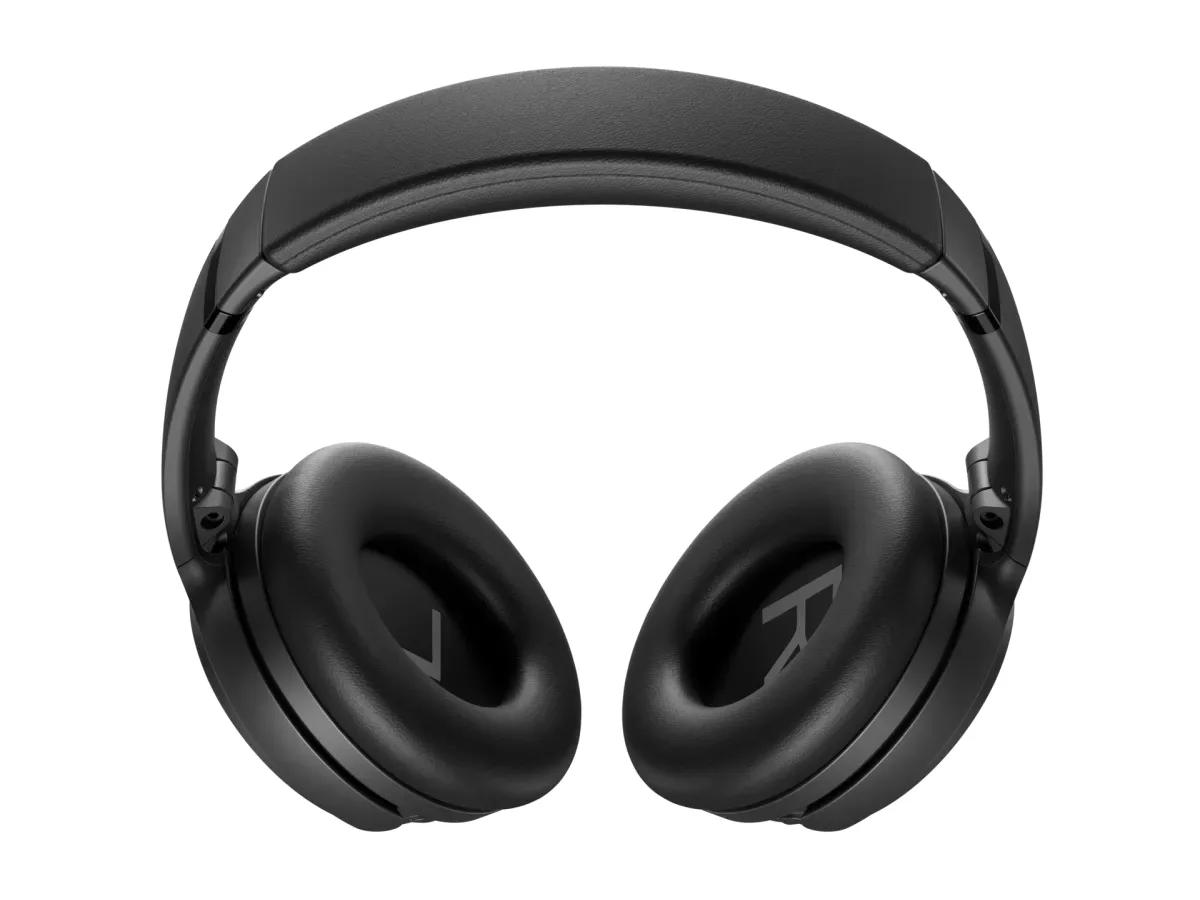
Bose
Over-Ear Headphones
This is the QC45's successor and the sensible Bose: physical buttons instead of touch surfaces, a design that folds flat and small, 240g of legacy QuietComfort comfort, and about 90% of the Ultra's noise cancellation for roughly $229 on sale (from a $349 list). Owners love that it just works — clicky buttons you can find with gloves on, adjustable ANC modes, and a 3.5mm jack for airplane systems. What you give up versus the Ultra line: no Immersive Audio, no aptX (SBC/AAC only), Bluetooth 5.1, and a plasticky build that creaks a little if you flex it. The 24-hour battery is fine but behind the pack, and the sound is classic polite Bose — smooth, a bit soft in the treble, helped by the app's simple 3-band EQ. A boring, excellent commuter headphone.
Best for commuters who want simple, proven ANC
Bose
Open-Ear & Bone Conduction
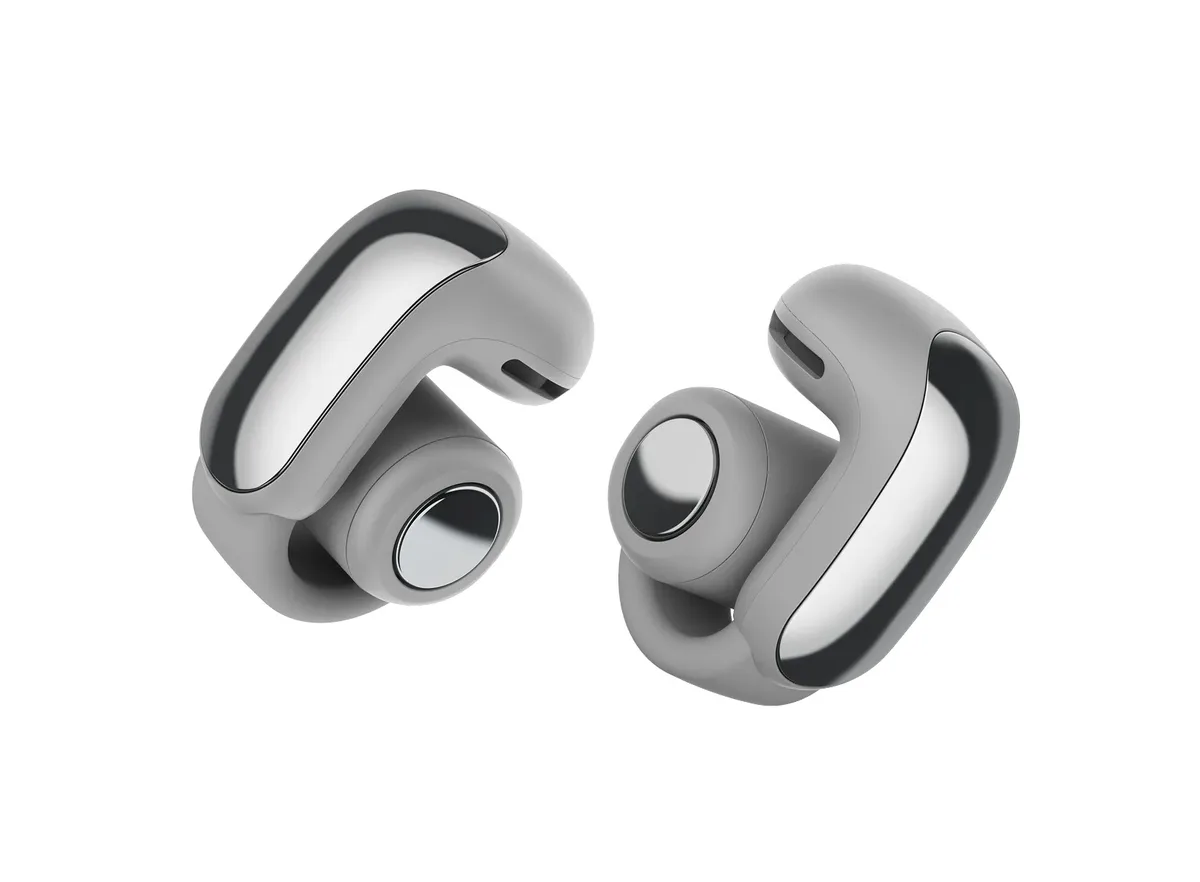
The best-sounding open-ear product, full stop. These 6.4g cuffs clip onto the edge of your ear like jewelry — nothing touches your ear canal — yet Bose wrings out more bass than any hook or band design manages. aptX Adaptive and Snapdragon Sound sweeten the deal on Android, and multipoint arrived via firmware update after a rocky launch without it. The catches: Immersive Audio (Bose's spatial mode) is genuinely fun but cuts battery from 7.5 hours to about 4.5, IPX4 is the weakest water rating in the sports category, and the case has no wireless charging. Some ears find the cuff pinchy after a few hours, and the fit takes a day to learn. Launched at $299; at today's ~$199 they're much easier to recommend. Leakage is low for open-ear, but a quiet office will still hear you.
Best for sound-quality-first listeners who refuse in-ear tips
Bose
Over-Ear Headphones
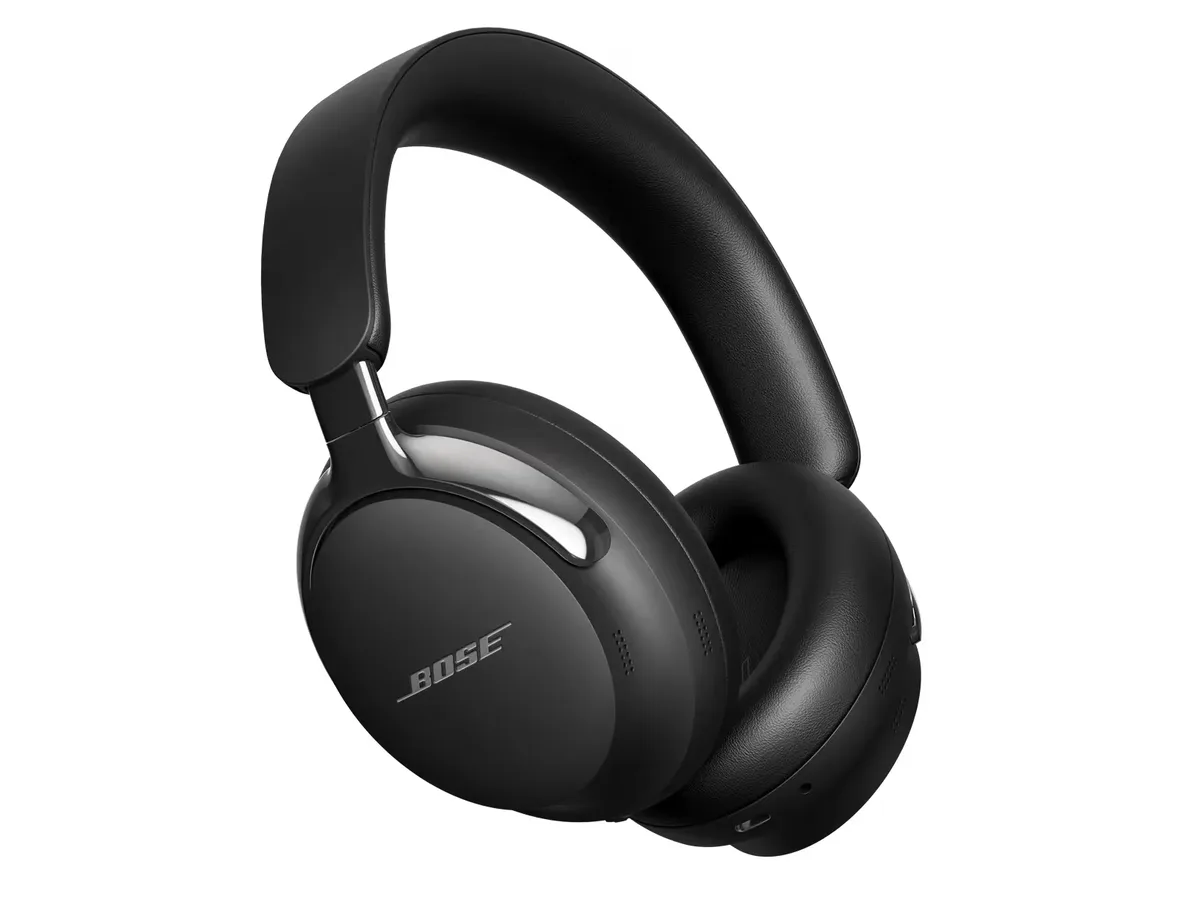
The October 2025 refresh of Bose's flagship trades the first gen's 24-hour battery for a proper 30 hours, adds USB-C lossless audio, and keeps the noise cancellation that trades blows with Sony's XM6 — many owners still call Bose the champ on airplane drone. CustomTune calibrates ANC to your ears every time you put them on, and Immersive Audio is genuinely convincing, though running it drops battery to about 23 hours. The catches owners cite: there's no true 'ANC fully off' mode (Aware or Quiet, always processing), the Bose app remains the flakiest of the big three with occasional firmware-update drama, and the mostly plastic build feels less premium than the $369-449 price suggests. Bass is tuned politely compared to Sony. If long-haul noise floor is your top priority, this is still the safest pick in the category.
Best for travelers who rank ANC above everything else
Samsung
Wireless Earbuds
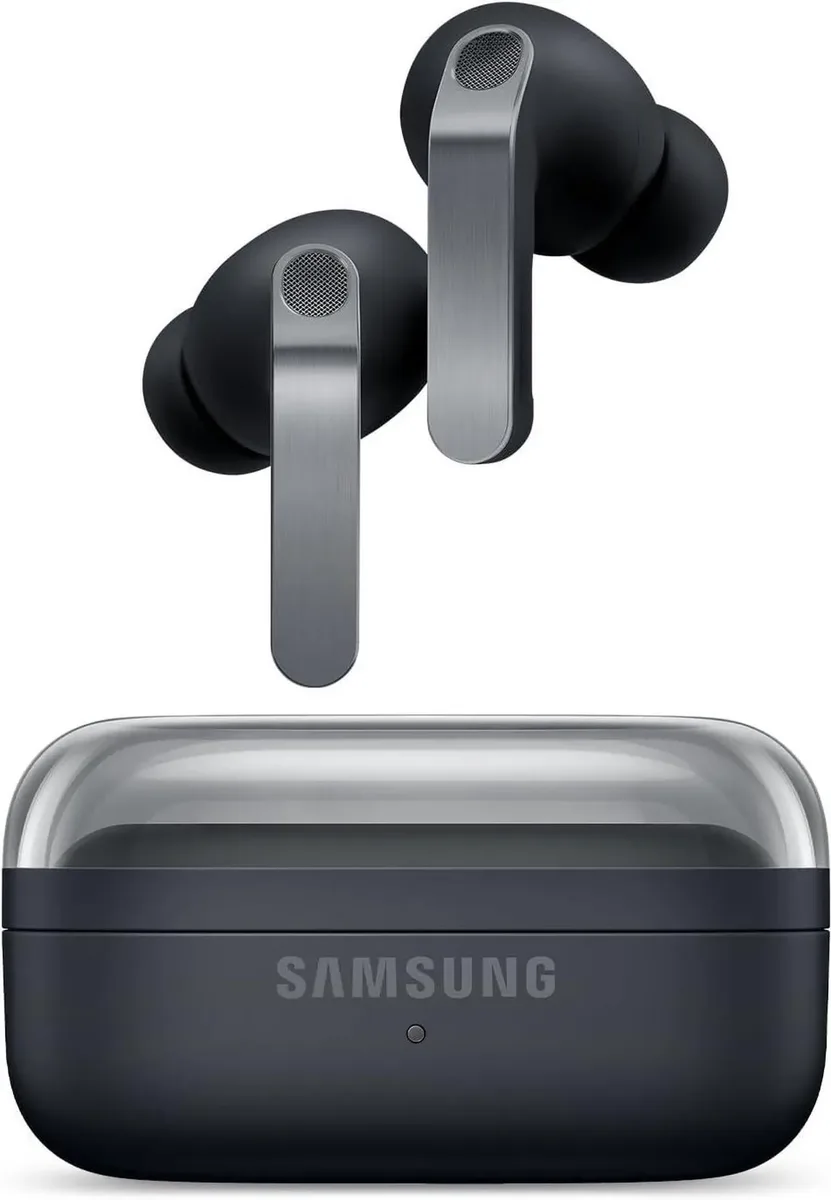
Samsung's March 2026 flagship finally sounds the part: a new 11mm woofer paired with a planar tweeter, each with its own amp, and reviewers put the sound quality in the same conversation as AirPods Pro 3 and the Sony XM6. The redesign ditched the Buds 3 Pro's cheap-feeling plastic for a metal-look finish, comfort and mic quality are being called best-in-class, and IP57 means they survive actual submersion, not just sweat. Battery is a solid 6 hours with ANC on, Bluetooth 6.1 is ahead of the field, and the blade controls now take swipes for volume. The catch is the same as every Samsung flagship: 24-bit SSC UHQ audio, 360 Audio, and the AI tricks like live translation only work on Galaxy phones, and there's no true multipoint — Auto Switch only hops between devices on your Samsung account. Owners also grumble that the proprietary ear tips are back, so you can't swap in your favorite foams, and the fit complaints from the Buds 3 Pro era haven't fully gone away. On an iPhone or a Pixel these are half the product; on a Galaxy they're the obvious pick.
Best for Galaxy phone owners who want Samsung's best sound yet
Sony
Wireless Earbuds
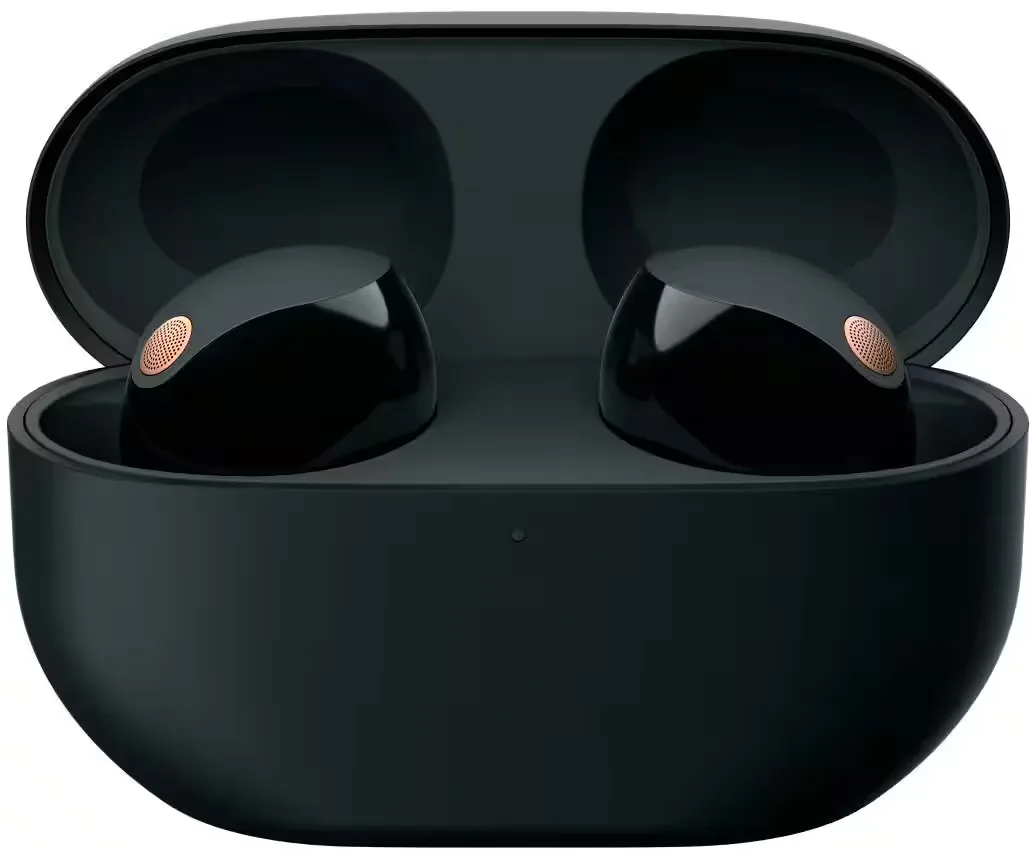
Still the all-rounder to beat for Android users, especially now that the XM6's arrival keeps pushing the price down. The 8.4mm Dynamic Driver X sounds rich and warm out of the box, LDAC delivers genuine hi-res from a phone, and the foam-ish tips seal so well that ANC feels stronger than it measures. Eight hours with noise canceling on is excellent, and 3 minutes in the case buys an hour. The consensus owner complaints are real, though: call quality falls apart in wind, the polished case scratches if you look at it wrong, and a vocal minority reports one bud draining faster than the other after a year-plus. Multipoint works but disables LDAC. The Headphones Connect app EQ is powerful once you find the settings buried three menus deep. IPX4 is fine for gym sweat, nothing more.
Best for Android listeners who want hi-res LDAC and strong ANC
Technics
Wireless Earbuds
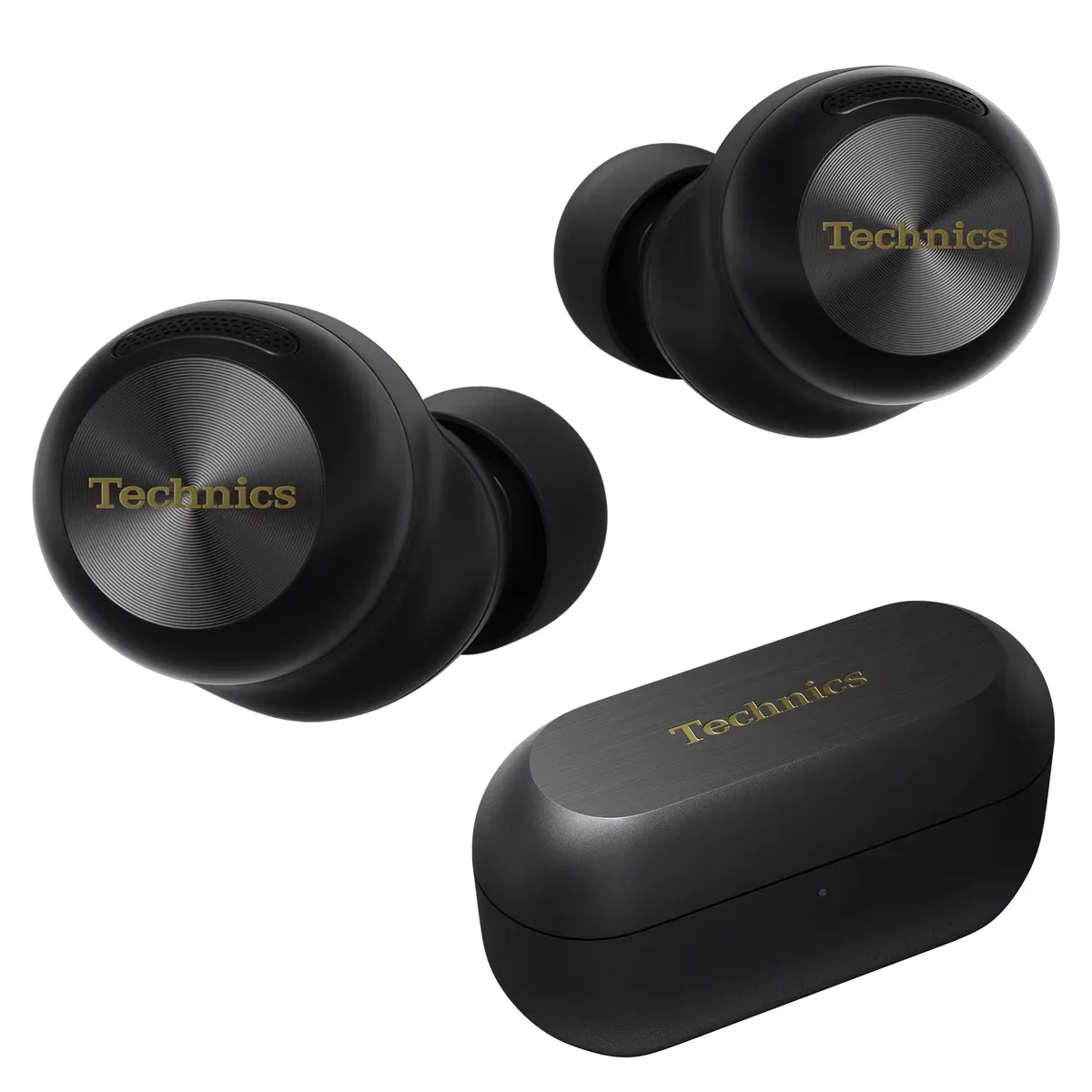
The audiophile-forum darling of this generation. The 10mm magnetic-fluid driver borrowed from Technics' $1,200 wired IEMs produces detail and instrument separation that owners routinely call the best in true wireless, and it does LDAC hi-res while connected to three devices simultaneously — a multipoint trick nobody else matches. Ten hours with ANC on (seven-ish using LDAC) leads the flagship class, and Dolby Atmos head tracking is aboard. Why it isn't the default pick: the Adaptive ANC is clearly a step behind Bose and the AirPods Pro 3 — good on planes, not great — and the shallow-fit housings divide opinion, with some owners never getting a reliable seal. IPX4 is minimal, call quality is average in noise, and the Audio Connect app is functional but clunky. If sound quality outranks silence on your list, this is the one to beat.
Best for sound-quality-first listeners who juggle multiple devices