Bose
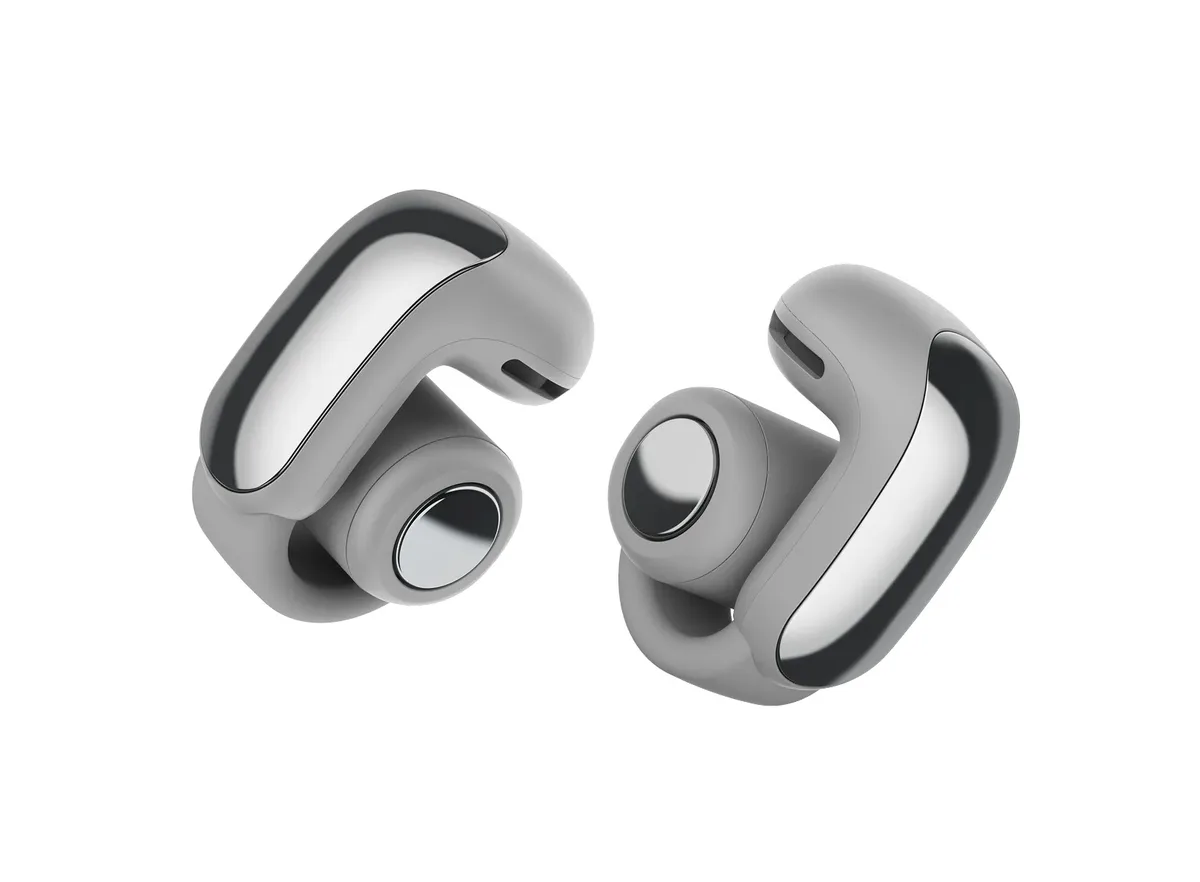
Bose Ultra Open Earbuds
The best-sounding open-ear product, full stop. These 6.4g cuffs clip onto the edge of your ear like jewelry — nothing touches your ear canal — yet Bose wrings out more bass than any hook or band design manages. aptX Adaptive and Snapdragon Sound sweeten the deal on Android, and multipoint arrived via firmware update after a rocky launch without it. The catches: Immersive Audio (Bose's spatial mode) is genuinely fun but cuts battery from 7.5 hours to about 4.5, IPX4 is the weakest water rating in the sports category, and the case has no wireless charging. Some ears find the cuff pinchy after a few hours, and the fit takes a day to learn. Launched at $299; at today's ~$199 they're much easier to recommend. Leakage is low for open-ear, but a quiet office will still hear you.
We may earn a commission. Price and availability on Amazon’s site may differ.
Specifications
Highlights
Pros
- ✓Best sound of any open-ear product, period
- ✓6.4g cuffs clip on like jewelry — canal stays empty
- ✓aptX Adaptive and Snapdragon Sound for Android
- ✓Multipoint added via firmware after rocky launch
- ✓Lowest leakage in the open-ear category
- ✓$100 cheaper than its $299 launch price
Cons
- ✗Immersive Audio drops battery from 7.5 to 4.5 hours
- ✗IPX4 is the weakest rating among sports rivals
- ✗Cuff turns pinchy on some ears after hours
- ✗Fit takes a day or two to learn
- ✗No wireless charging case at $199
Owner Insights(260 discussions)
The Ultra Open Earbuds are the product that made open-ear audio credible to sound-quality people, and owner sentiment revolves around that surprise: a 6.4g cuff that clips to the edge of your ear, touches nothing inside it, and still produces the best sound in the category by a clear margin — including real bass that hook and band designs can't manage. The design reads as jewelry, coexists perfectly with glasses, and leaks less than any rival, which makes these the open-ear pick for offices as much as sidewalks.
Lived-with reports split into settled strengths and known irritations. Strengths: all-day comfort for most ears, secure fit through workouts once placement becomes muscle memory, aptX Adaptive on Android, and an Immersive Audio mode owners genuinely enjoy. Irritations: that spatial mode drops battery from 7.5 to about 4.5 hours; calls are the real weakness, with callers struggling against wind and background noise; a minority of ear shapes never get a trustworthy grip, and the firm cuff interior can pinch after long sessions. There's a comic-but-real hazard of slingshotting a bud across the room while flicking them open, occasional Bluetooth dropouts, and a case that feels cheap next to the buds' build. IPX4 and no wireless charging round out the compromise list.
Buy them if sound quality leads and you refuse in-ear tips: at ~$199 street nothing open-ear competes on audio. Skip them if calls are a primary use, or if you need serious sweat/water resistance — the JBL Endurance Peak 3 or a sealed sport bud serves better. The strongest alternative is the Soundcore AeroClip (~$99), which owners call 80% of the cuff experience at half the price, while the Shokz OpenFit 2 (~$140) wins on battery for long days.
Pros
- +Sound quality is the undisputed headline — owners agree nothing open-ear comes close, with genuine bass from a cuff that leaves the canal completely empty
- +The jewelry-like 6.4g cuff design lets owners wear them for entire days, with glasses, hats, and earrings coexisting effortlessly
- +Many owners report the cuffs cradle securely and never fall out, even through workouts, once the placement clicks
- +Immersive Audio (spatial mode) is described as genuinely fun and adds real width when you can spare the battery
- +aptX Adaptive and Snapdragon Sound give Android users a hi-res pipeline unique in the open-ear category
- +Leakage is the lowest of any open-ear design — quiet-office use is far more discreet than hook or band styles
- +At the now-common ~$199 street price (down from $299), owner value sentiment flipped from skeptical to enthusiastic
Cons
- −Call quality is a consistent weak point — callers struggle to hear owners in wind or crowds, and some report needing to speak loudly to be understood
- −Immersive Audio slashes battery from 7.5 hours to about 4.5, so the coolest feature is the one you ration
- −Fit is polarizing: most owners find security, but a minority report weak grip while walking or running and never trust them; the firm interior can pinch after hours
- −The flick-to-open motion has a learning curve — owners report accidentally slingshotting a bud across the room while putting them on
- −Some owners hit intermittent Bluetooth dropouts, and multipoint only arrived via firmware after a rocky launch without it
- −IPX4 is the weakest water rating in the sports category and the case has no wireless charging
- −The case feels cheap for a $199-299 product, and replacement buds are expensive if a slingshot launch ends badly
Common Questions
Compare the Bose Ultra Open Earbuds
Related headphones
More from Bose →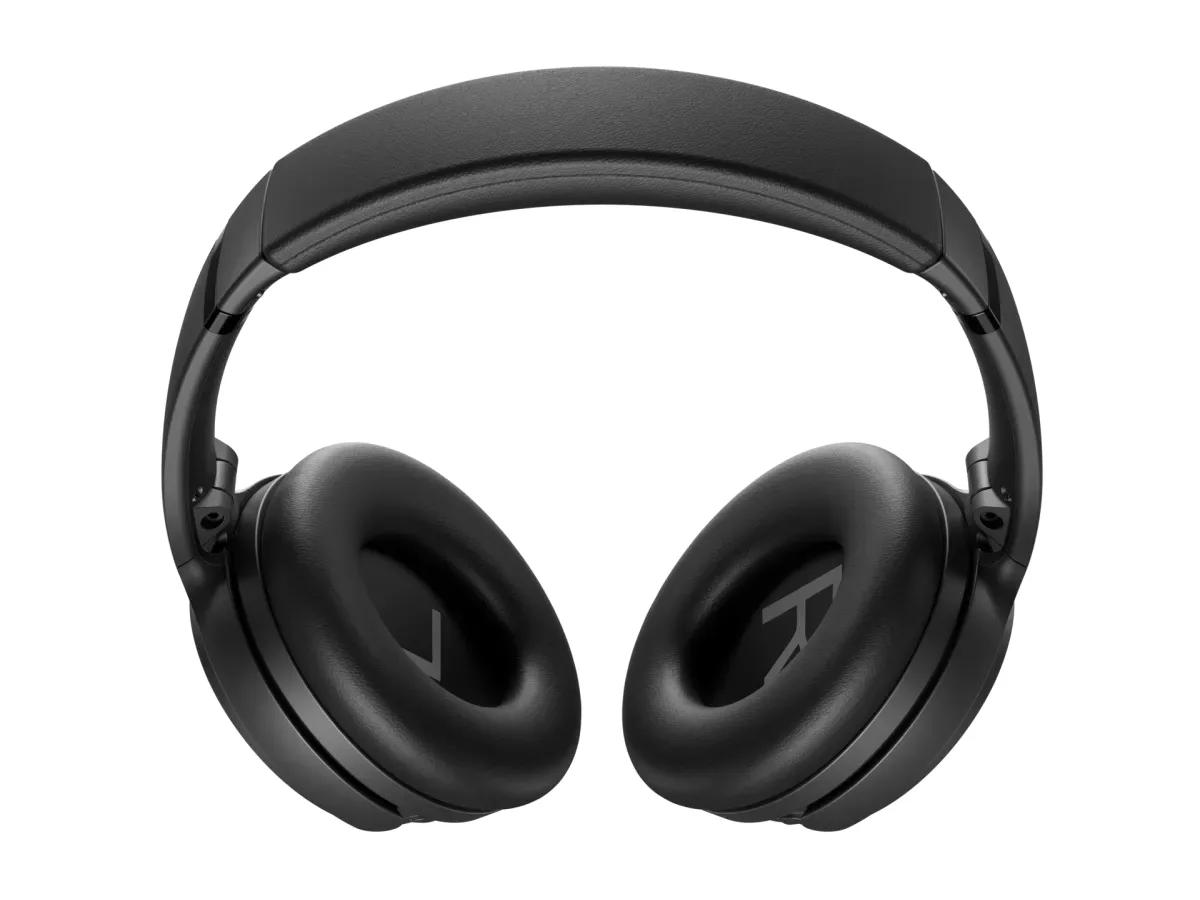
Bose
Over-Ear Headphones
This is the QC45's successor and the sensible Bose: physical buttons instead of touch surfaces, a design that folds flat and small, 240g of legacy QuietComfort comfort, and about 90% of the Ultra's noise cancellation for roughly $229 on sale (from a $349 list). Owners love that it just works — clicky buttons you can find with gloves on, adjustable ANC modes, and a 3.5mm jack for airplane systems. What you give up versus the Ultra line: no Immersive Audio, no aptX (SBC/AAC only), Bluetooth 5.1, and a plasticky build that creaks a little if you flex it. The 24-hour battery is fine but behind the pack, and the sound is classic polite Bose — smooth, a bit soft in the treble, helped by the app's simple 3-band EQ. A boring, excellent commuter headphone.
Best for commuters who want simple, proven ANC
Bose
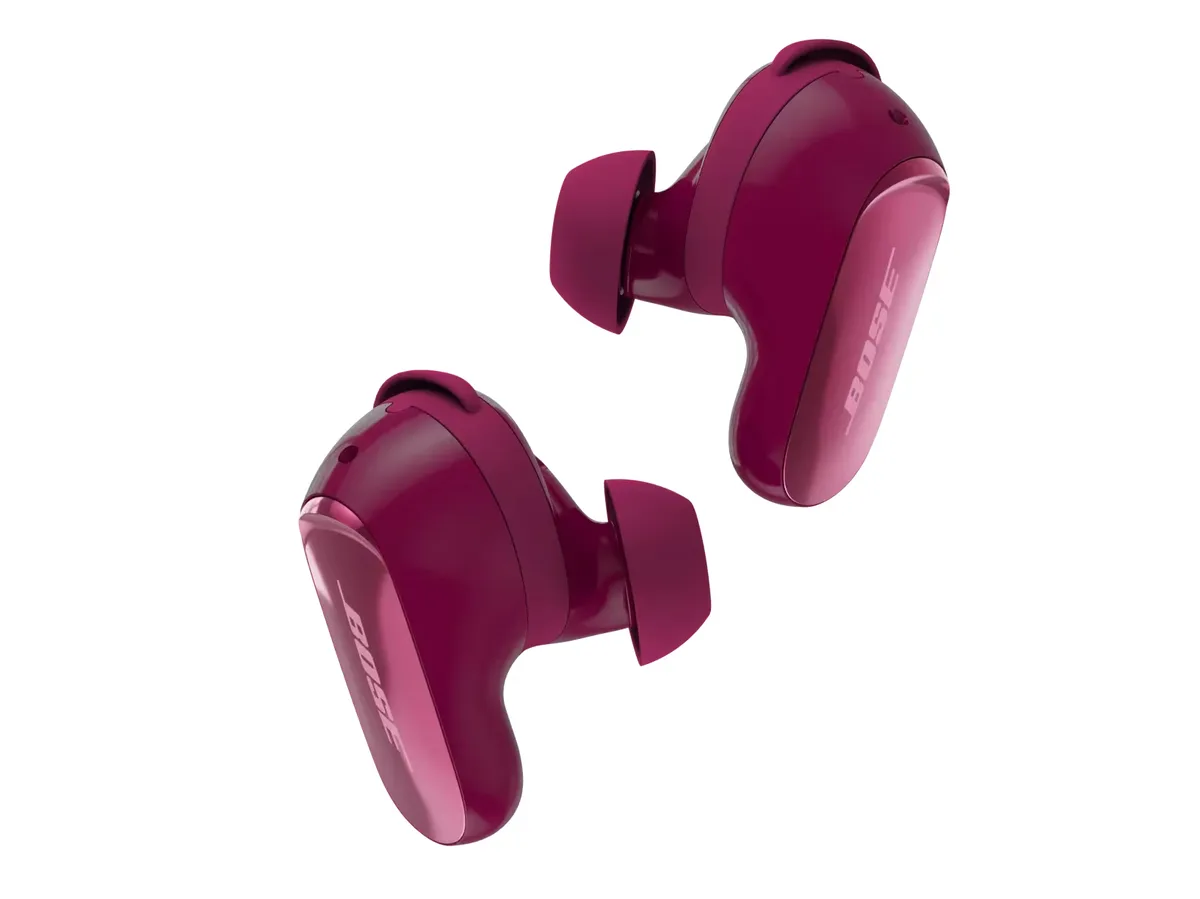
Wireless Earbuds
Nobody seriously disputes that these have the strongest noise cancellation you can put in your ears — low rumble just vanishes, and the CustomTune calibration means it works across different ear shapes. The second gen fixed the first gen's most annoying gaps: the case finally charges wirelessly, multipoint is on board, and AI noise suppression cleaned up what used to be mediocre call quality. What Bose didn't fix: 6 hours of battery is behind Sony and Technics, and running Immersive Audio knocks it down near 4. At 7.7g per bud they're chunky, and people with smaller ears feel it on long sessions. No LDAC either — aptX Adaptive on supported Androids, AAC otherwise. Sound is punchy and pleasant rather than audiophile-precise, and the app EQ is a basic three-band affair. Buy them for the silence; everything else is merely good.
Best for frequent flyers who want maximum silence
Bose
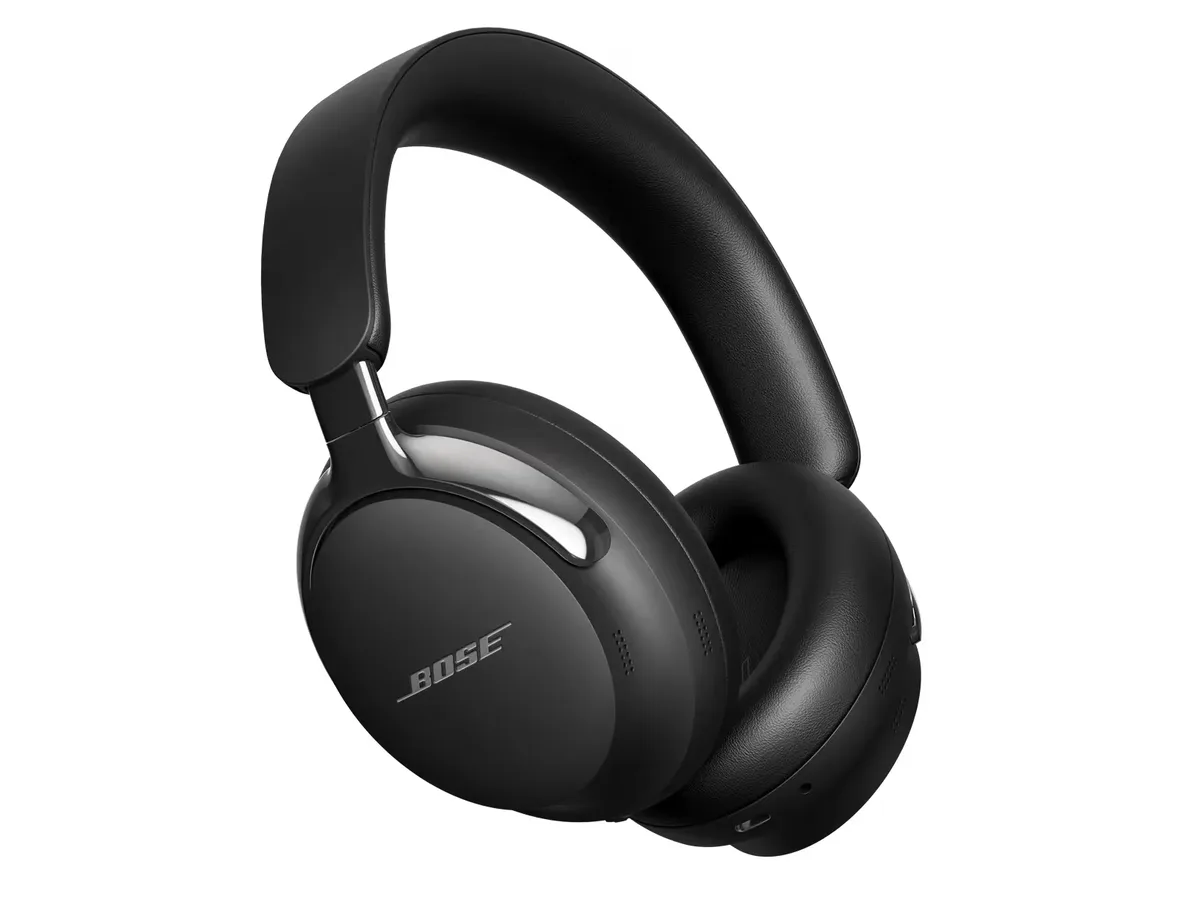
Over-Ear Headphones
The October 2025 refresh of Bose's flagship trades the first gen's 24-hour battery for a proper 30 hours, adds USB-C lossless audio, and keeps the noise cancellation that trades blows with Sony's XM6 — many owners still call Bose the champ on airplane drone. CustomTune calibrates ANC to your ears every time you put them on, and Immersive Audio is genuinely convincing, though running it drops battery to about 23 hours. The catches owners cite: there's no true 'ANC fully off' mode (Aware or Quiet, always processing), the Bose app remains the flakiest of the big three with occasional firmware-update drama, and the mostly plastic build feels less premium than the $369-449 price suggests. Bass is tuned politely compared to Sony. If long-haul noise floor is your top priority, this is still the safest pick in the category.
Best for travelers who rank ANC above everything else
Shokz
Open-Ear & Bone Conduction
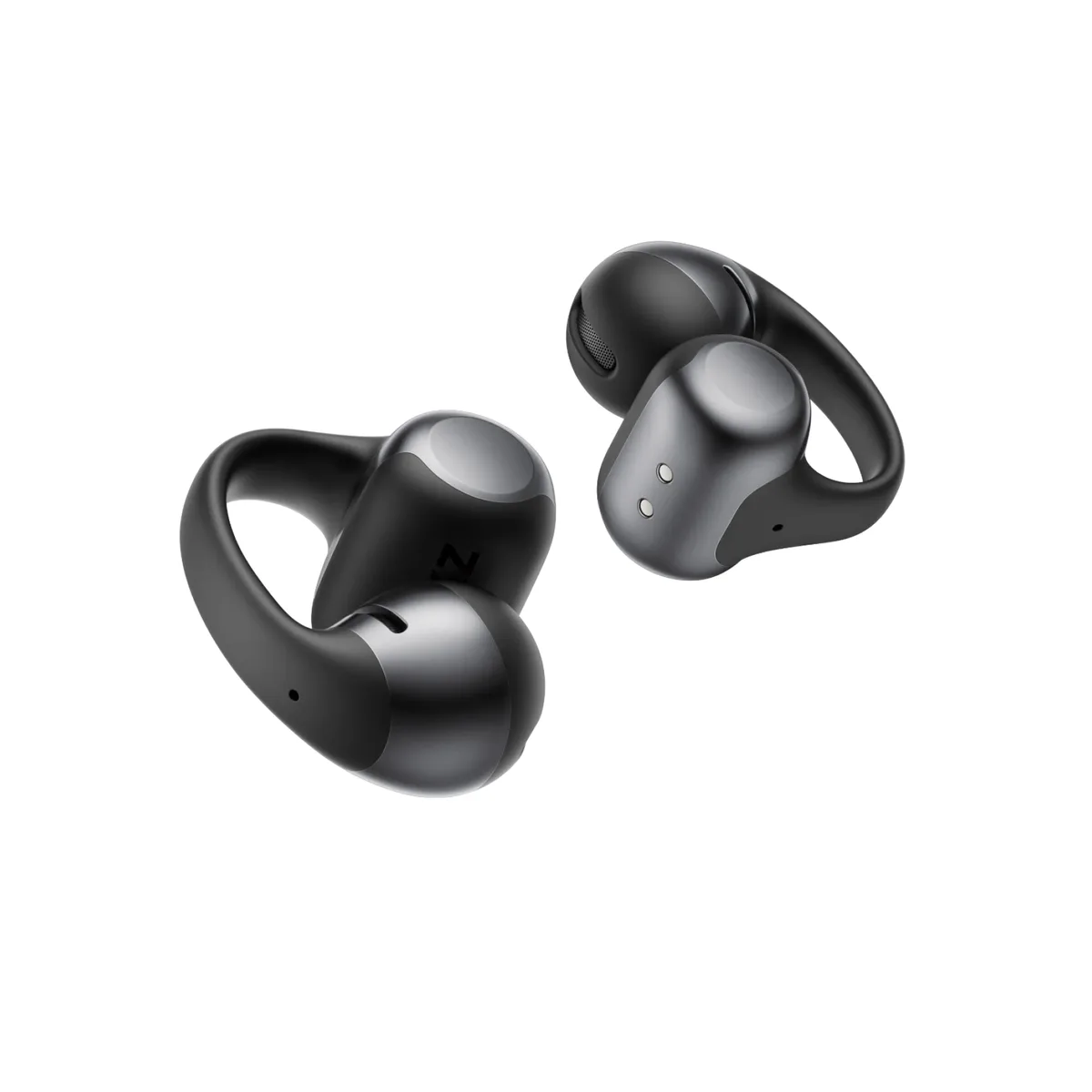
Shokz's first clip-on earbud is its answer to the Bose Ultra Open, and it's a genuinely strong one. Each 6.5g bud cuffs onto the edge of your ear via a flexible nickel-titanium joint, so nothing sits in your ear canal and nothing hooks over the top — glasses wearers in particular appreciate that. Long-term reviews consistently rate the fit as the best in the clip-on category: light enough to forget, secure enough for running and cycling. Sound is the other surprise — a dual-driver setup with real bass for an open design, plus Dolby Audio processing, though you're capped at SBC/AAC with no hi-res codec. Battery is class-leading at 10 hours per charge and 40 with the Qi-compatible wireless charging case; owners report going weeks between charges. The honest caveats: the touch controls are the recurring complaint — reviewers report roughly coin-flip reliability before enabling the app's high-sensitivity mode, and sweaty fingers make it worse. Like every open design it leaks sound at volume and can't compete with sealed buds in a loud gym. And at $200 it costs as much as flagship ANC earbuds while doing a very different job. If you want all-day ear-canal-free comfort with awareness, this is the premium pick over the cheaper soundcore C40i.
Best for all-day open-ear wear with glasses or sensitive ear canals
Shokz
Open-Ear & Bone Conduction
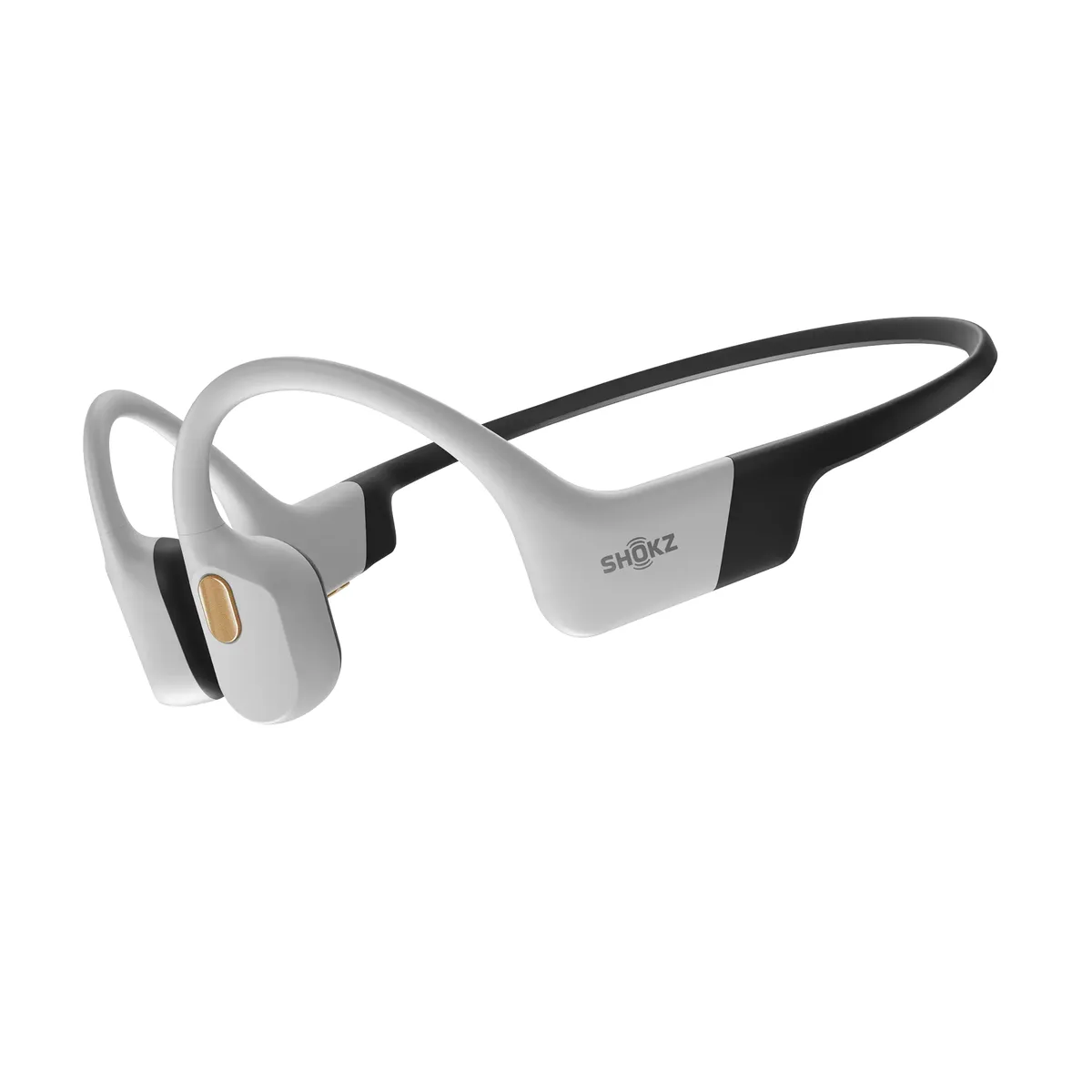
This is the headphone swimmers actually use, and it's important to understand how: Bluetooth doesn't work underwater — radio waves die within an inch of submersion — so in the pool you're playing files from the built-in 32GB MP3 player (it handles MP3, WAV, FLAC, AAC, and M4A, roughly 8,000 songs). That dual-mode design is the whole appeal: Bluetooth 5.4 with multipoint on land for your run, then flip to MP3 mode for laps. The IP68 rating is genuine swim-grade — good to about 2 meters — unlike the IP67 OpenRun, which Shokz explicitly says not to swim with. Swimmers who've fought with in-ear waterproof buds falling out at every flip turn love that the wraparound band just stays put, cap or no cap, and bone conduction actually sounds better underwater than in air. Battery runs 9 hours over Bluetooth or 6 in MP3 mode, and a 10-minute charge buys 3 hours. The caveats: the physical buttons are fiddly to learn (the app helps remap them), dry-land sound has the usual thin bone-conduction bass, and loading music means dragging files over USB like it's 2008 — no Spotify offline. It also uses Shokz's proprietary charging cable, so don't lose it. If you don't swim, buy the cheaper OpenRun; if you do, there's really nothing better.
Best for swimmers who want music during laps
Shokz
Open-Ear & Bone Conduction
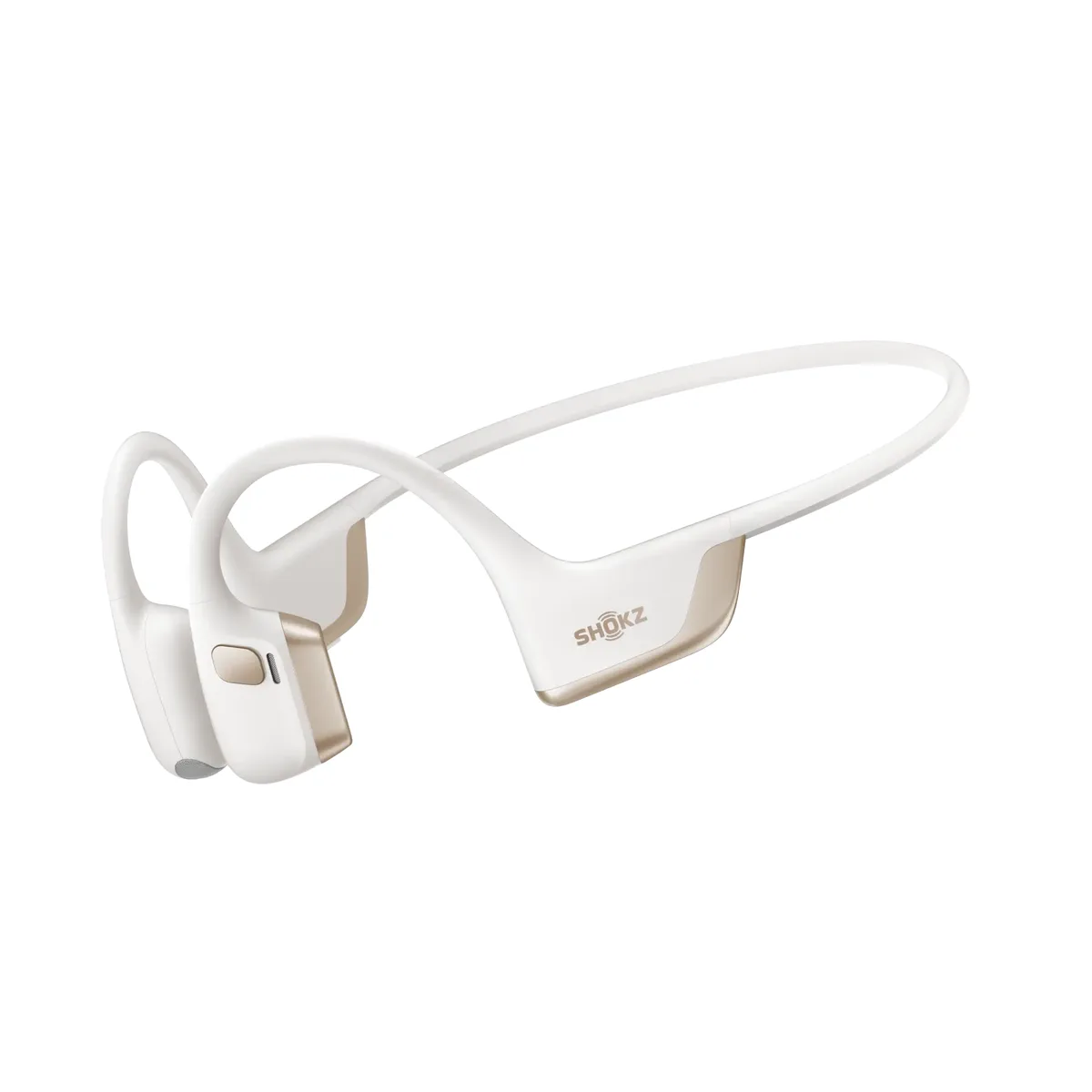
The best bone-conduction headphones you can buy, and the first Shokz that don't feel like a compromise. The trick is DualPitch: bone conduction handles mids and highs while a small air-conduction driver fills in bass, which mostly kills the cheek-tickle older models gave you at high volume. Weight is 30.3g for the whole titanium band, and Shokz finally switched to USB-C after years of proprietary cables. Twelve hours of battery is genuinely enough for an ultra, and a 5-minute charge buys 2.5 more hours. Reality check: it's SBC-only, sound leakage is real in a quiet room, and IP55 means sweat and rain, not swimming — get the OpenSwim for laps. The band stacks with sunglasses fine, though helmet straps can be fiddly. If you need to hear traffic while running, this is the category benchmark.
Best for runners and cyclists who need full situational awareness