Bose
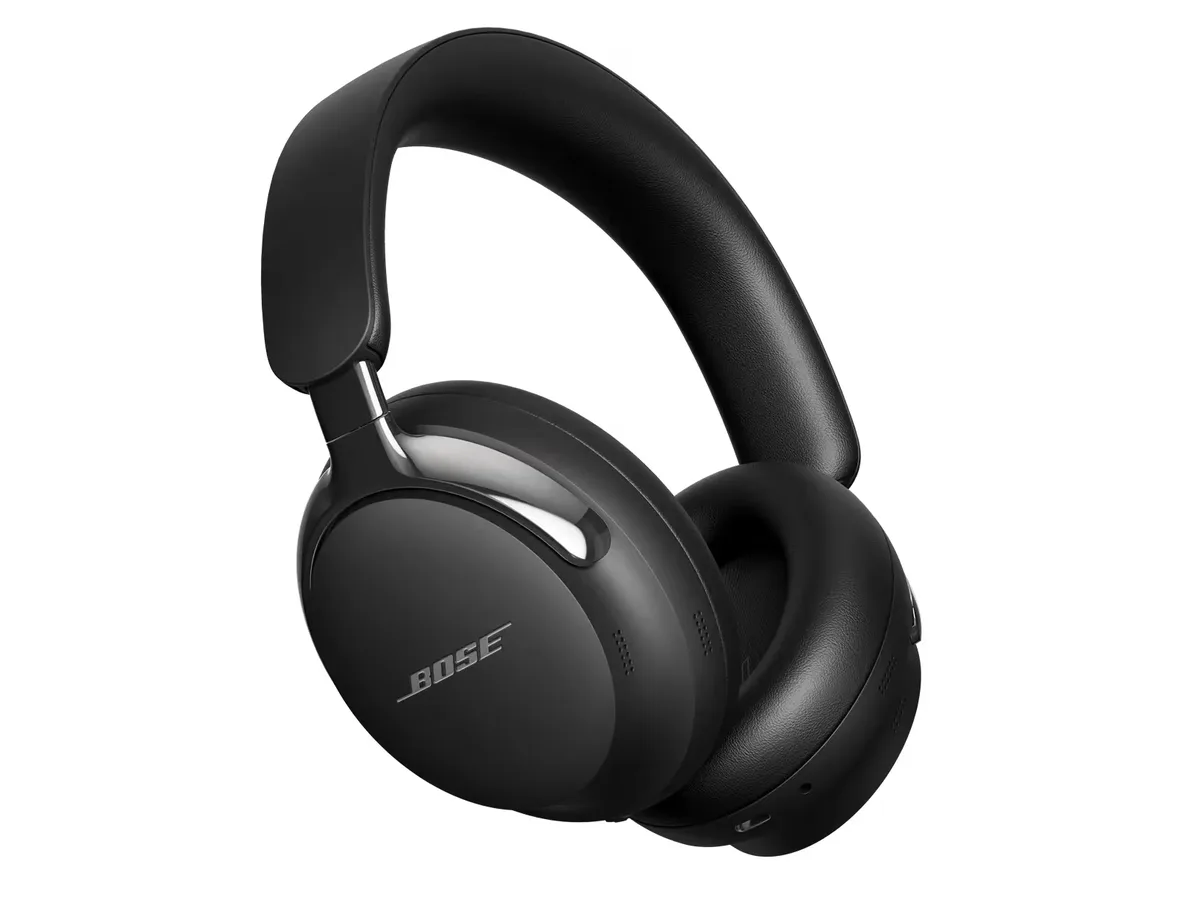
Bose QuietComfort Ultra Headphones (2nd Gen)
The October 2025 refresh of Bose's flagship trades the first gen's 24-hour battery for a proper 30 hours, adds USB-C lossless audio, and keeps the noise cancellation that trades blows with Sony's XM6 — many owners still call Bose the champ on airplane drone. CustomTune calibrates ANC to your ears every time you put them on, and Immersive Audio is genuinely convincing, though running it drops battery to about 23 hours. The catches owners cite: there's no true 'ANC fully off' mode (Aware or Quiet, always processing), the Bose app remains the flakiest of the big three with occasional firmware-update drama, and the mostly plastic build feels less premium than the $369-449 price suggests. Bass is tuned politely compared to Sony. If long-haul noise floor is your top priority, this is still the safest pick in the category.
We may earn a commission. Price and availability on Amazon’s site may differ.
Specifications
Highlights
Pros
- ✓Airplane-drone cancellation many owners still rank above Sony's XM6
- ✓Battery finally hits 30 hours, up from gen one's 24
- ✓USB-C lossless audio added in this refresh
- ✓CustomTune recalibrates ANC to your ears every wear
- ✓Immersive Audio is genuinely convincing spatial sound
- ✓aptX Adaptive and Bluetooth 5.4 with multipoint
Cons
- ✗No true ANC-off mode — always Aware or Quiet processing
- ✗Bose app is the flakiest of the big three
- ✗Occasional firmware-update drama reported by owners
- ✗Mostly plastic build undercuts the $369-449 price
- ✗Bass tuned politely next to Sony's XM6
Owner Insights(350 discussions)
The Bose QuietComfort Ultra Headphones (2nd Gen) hold the crown owners care most about: absolute quiet. In owner discussions the ANC is routinely described as the best in any headphone - a step beyond even the excellent 1st Gen - and paired with Bose's famously light, plush fit, it makes these the default pick for frequent flyers and open-office refugees. The 2nd Gen also patched the 1st Gen's two loudest complaints by pushing battery to 30 hours and adding USB-C lossless wired playback. What it didn't change was the price problem: at $400+, owners constantly weigh it against a discounted 1st Gen or Sony's XM6 and wince.
Day to day, owners describe wearing them for entire workdays and long-haul flights without fatigue - comfort and quiet are the experience. Sound is enjoyable but bass-leaning, and near-unanimously ranked behind the Sony XM6 for detail and soundstage; the EQ helps, and the new cinema mode earns real praise for movies. The recurring functional annoyances are sensor-driven: wear detection that pauses music mid-walk or when reclining, an on-head sensor that misreads fit shifts, and multipoint that stutters when a second device chimes in. The mic is solid for calls, and Aware mode is natural enough to leave on in conversation.
Buy the Ultra 2nd Gen if noise cancellation and long-wear comfort are your top two priorities and budget isn't - nothing owners compare it to is quieter. Buy the Sony WH-1000XM6 instead if sound quality, build materials, or price-for-features matter more; it's the single strongest alternative and usually cheaper. And if you just want the Bose experience, owners repeatedly point to the 1st Gen Ultra at ~$270 as the value play - 90% of this headphone, minus six hours of battery and the cinema mode.
Pros
- +Noise cancellation owners call the best they've ever worn - several describe the 2nd Gen as the first headphone to make a full plane cabin or open office feel genuinely silent
- +Battery finally fixed: 30 hours with ANC (up from the 1st Gen's much-complained-about 24), with a 15-minute charge adding about 2.5 hours
- +Legendary Bose comfort - light clamp, plush pads, and a design owners wear through transatlantic flights without hotspots
- +USB-C wired lossless audio playback - you can hard-wire for hi-res listening, which the 1st Gen couldn't do
- +New cinema mode widens movies and dialogue convincingly, and Immersive Audio works well enough that some owners leave it on
- +Aware/transparency mode remains among the most natural in the class - owners hold conversations without removing the headphones
- +aptX Adaptive/Snapdragon Sound support for Android alongside AAC for iPhone
- +Fold-flat-and-fold-up design with a compact case that travelers prefer over the Sony XM5's flat-only shell
Cons
- −At $400-450 launch pricing, owners widely call it hard to justify - the 1st Gen at ~$270 and Sony's XM6 both undercut it, and the upgrade over Gen 1 is incremental
- −Wear-detection sensor false-triggers for some owners - music pauses while walking, lying back, or shifting the fit, and lifting one earcup doesn't always pause when it should
- −Sound is competent but bass-tilted and behind the Sony XM6 in detail and space - 'buy it for the quiet, not the fidelity' is the recurring owner verdict
- −Barely changed sound and design from the 1st Gen - existing Ultra owners who upgraded often report regretting the spend
- −Multipoint switching can stutter - audio hiccups when a second device sends a notification, a long-running Bose quirk
- −No water or sweat resistance rating, and owners warn sweat can damage the earcups at the gym
- −Plastic build feels less premium than the price - the Sony XM6's materials read as more expensive in hand
- −Immersive/cinema modes cut battery life meaningfully (closer to about 23 hours in owner use)
Common Questions
Compare the Bose QuietComfort Ultra Headphones (2nd Gen)
Related headphones
More from Bose →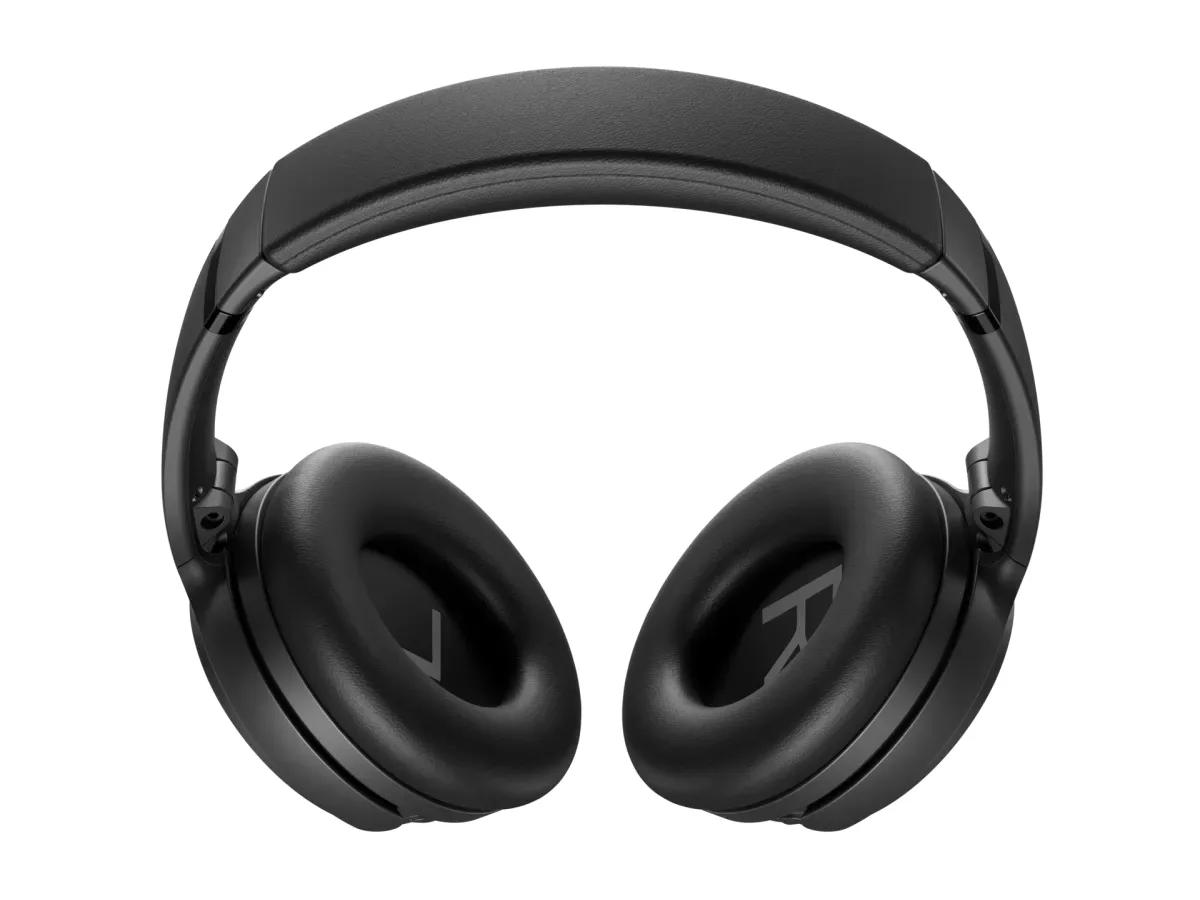
Bose
Over-Ear Headphones
This is the QC45's successor and the sensible Bose: physical buttons instead of touch surfaces, a design that folds flat and small, 240g of legacy QuietComfort comfort, and about 90% of the Ultra's noise cancellation for roughly $229 on sale (from a $349 list). Owners love that it just works — clicky buttons you can find with gloves on, adjustable ANC modes, and a 3.5mm jack for airplane systems. What you give up versus the Ultra line: no Immersive Audio, no aptX (SBC/AAC only), Bluetooth 5.1, and a plasticky build that creaks a little if you flex it. The 24-hour battery is fine but behind the pack, and the sound is classic polite Bose — smooth, a bit soft in the treble, helped by the app's simple 3-band EQ. A boring, excellent commuter headphone.
Best for commuters who want simple, proven ANC
Bose
Wireless Earbuds
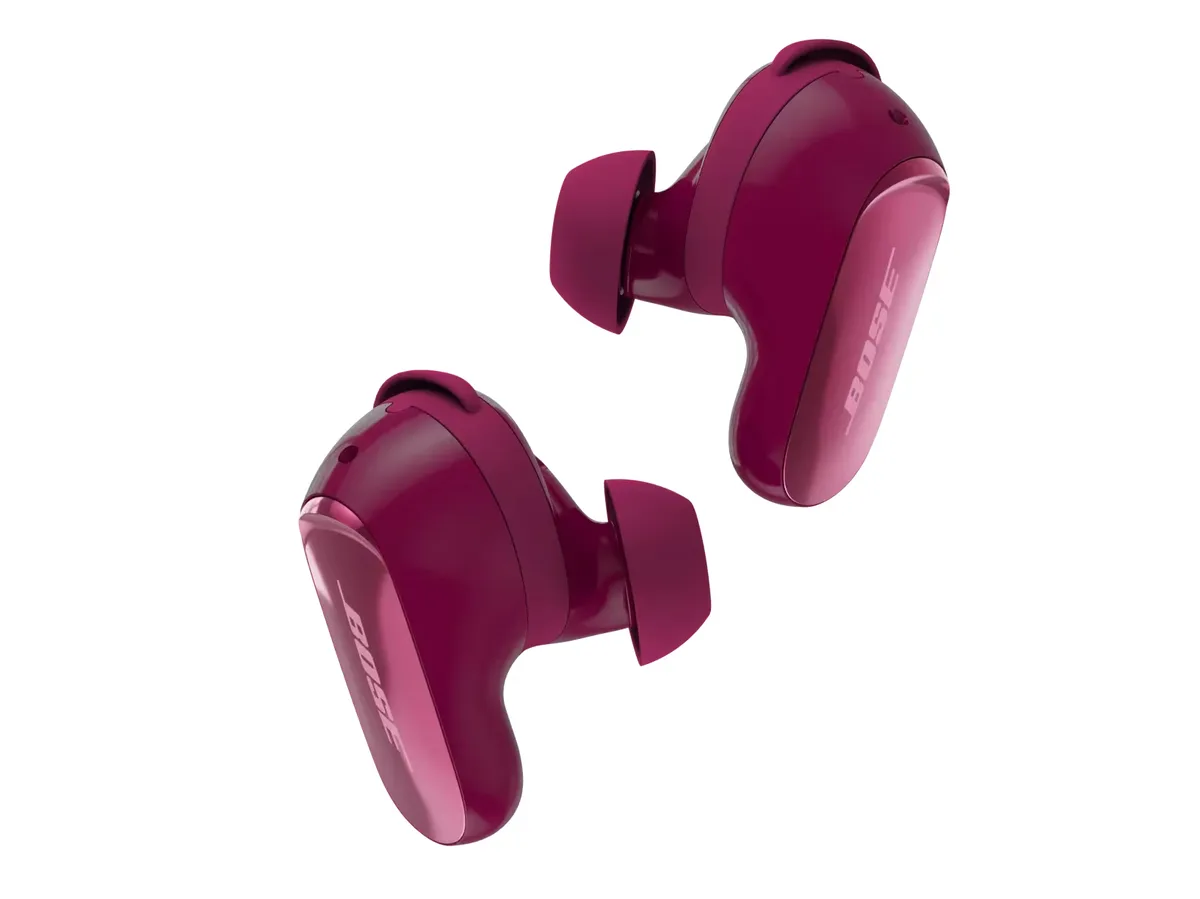
Nobody seriously disputes that these have the strongest noise cancellation you can put in your ears — low rumble just vanishes, and the CustomTune calibration means it works across different ear shapes. The second gen fixed the first gen's most annoying gaps: the case finally charges wirelessly, multipoint is on board, and AI noise suppression cleaned up what used to be mediocre call quality. What Bose didn't fix: 6 hours of battery is behind Sony and Technics, and running Immersive Audio knocks it down near 4. At 7.7g per bud they're chunky, and people with smaller ears feel it on long sessions. No LDAC either — aptX Adaptive on supported Androids, AAC otherwise. Sound is punchy and pleasant rather than audiophile-precise, and the app EQ is a basic three-band affair. Buy them for the silence; everything else is merely good.
Best for frequent flyers who want maximum silence
Bose
Open-Ear & Bone Conduction
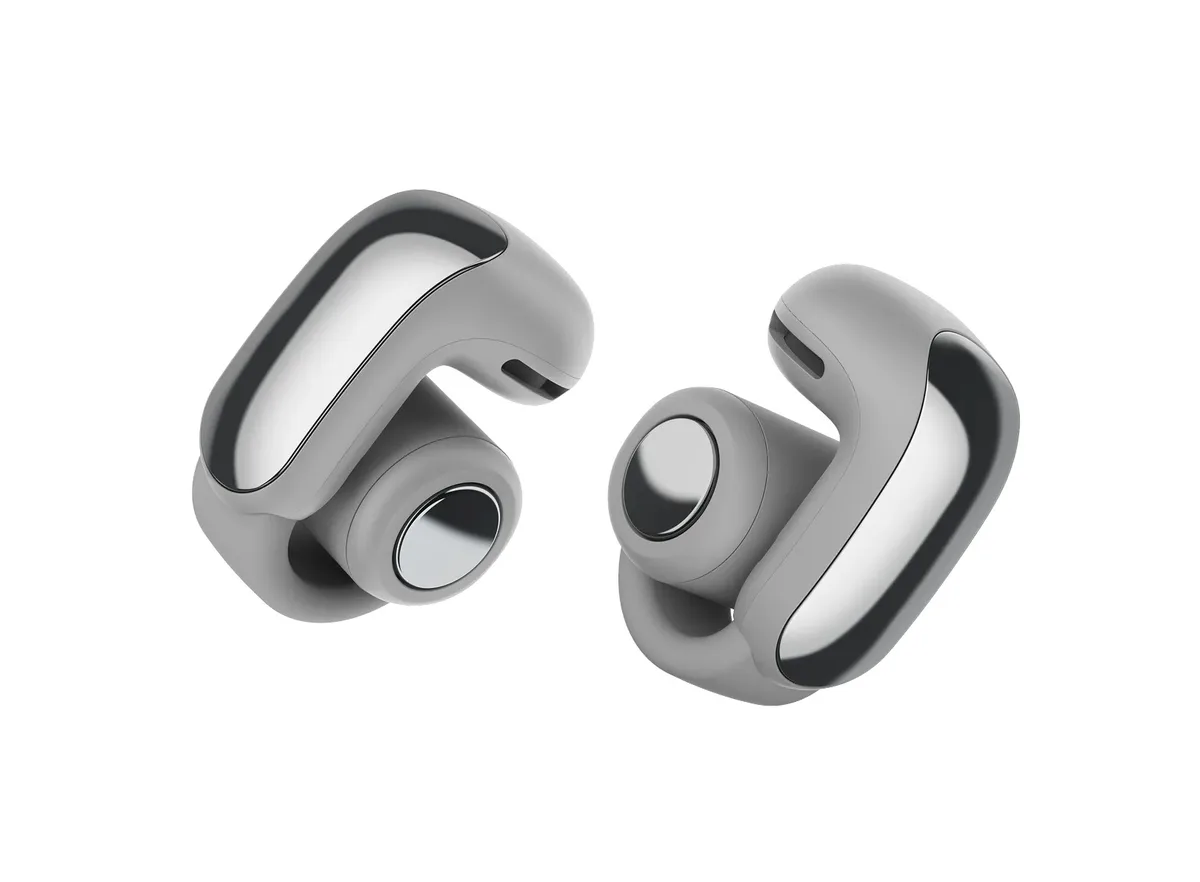
The best-sounding open-ear product, full stop. These 6.4g cuffs clip onto the edge of your ear like jewelry — nothing touches your ear canal — yet Bose wrings out more bass than any hook or band design manages. aptX Adaptive and Snapdragon Sound sweeten the deal on Android, and multipoint arrived via firmware update after a rocky launch without it. The catches: Immersive Audio (Bose's spatial mode) is genuinely fun but cuts battery from 7.5 hours to about 4.5, IPX4 is the weakest water rating in the sports category, and the case has no wireless charging. Some ears find the cuff pinchy after a few hours, and the fit takes a day to learn. Launched at $299; at today's ~$199 they're much easier to recommend. Leakage is low for open-ear, but a quiet office will still hear you.
Best for sound-quality-first listeners who refuse in-ear tips
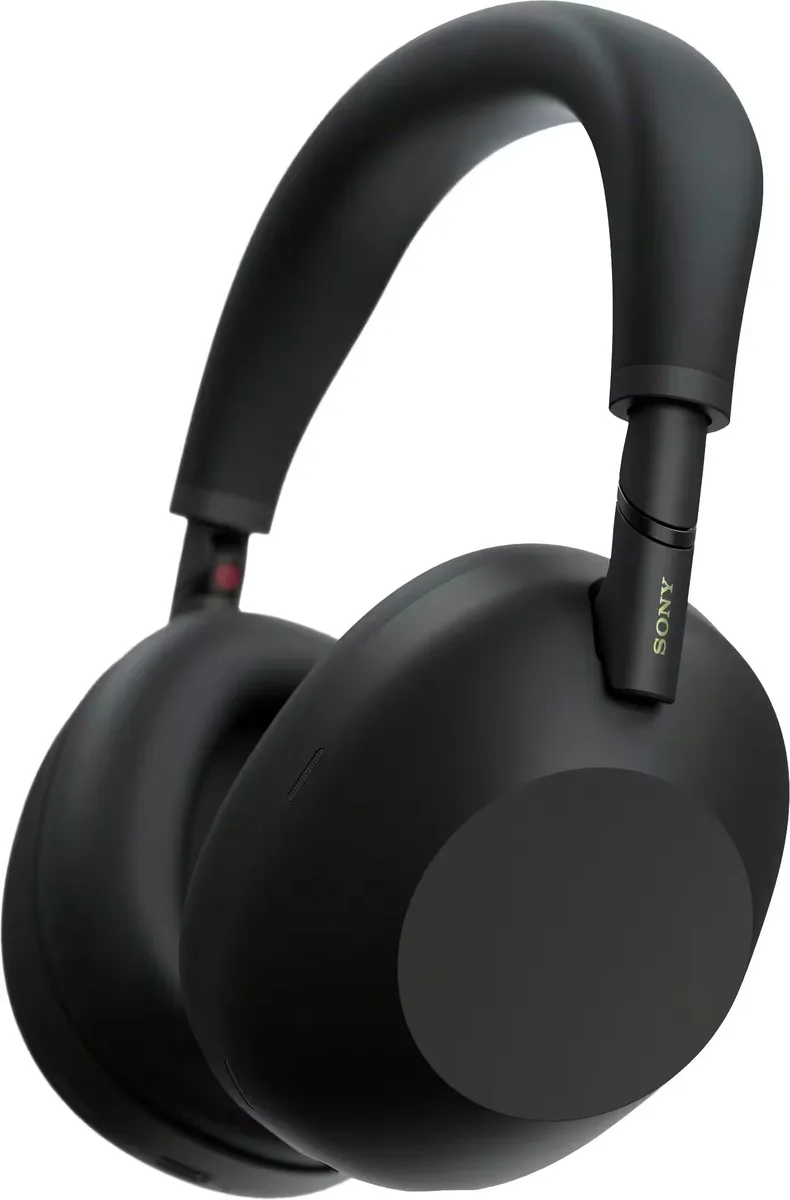
Sony
Over-Ear Headphones
Sony's flagship fixes the XM5's two biggest sins: the folding hinges are back, and the case now closes with a satisfying magnetic clasp instead of a fiddly zipper. The QN3 chip and 12 mics deliver arguably the best ANC you can buy right now, and the wider headband spreads pressure better than the XM5 ever did. Owners' gripes are real, though: the $449 list price stings (thankfully street price has drifted to about $398), 30 hours of battery is now merely average, and running LDAC drains it noticeably faster. The matte finish picks up skin oils, and a few owners report the power button being awkwardly close to the ANC button. No aptX support, as always with Sony. Still, as a total package — sound, ANC, call quality, comfort — this is the one most people should buy.
Best for frequent flyers who want the best all-rounder
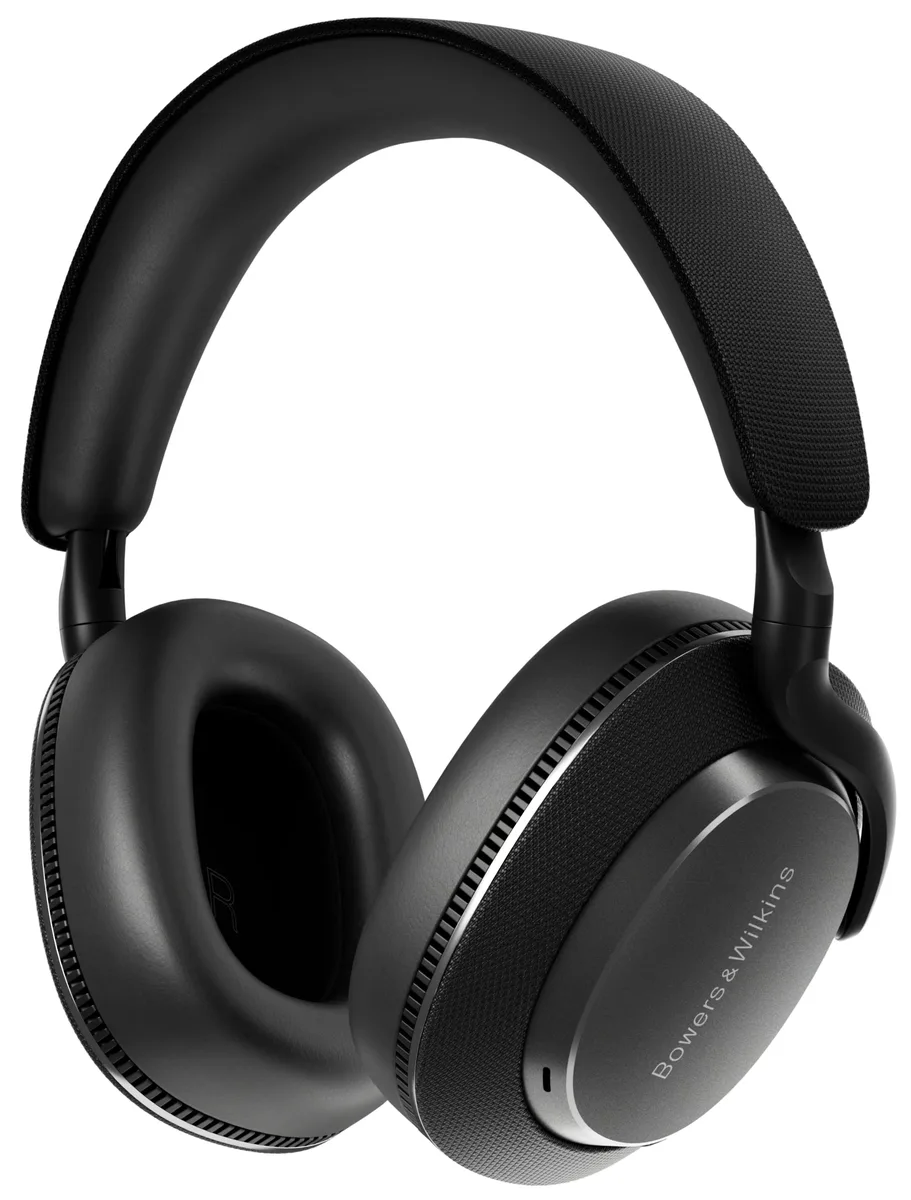
Bowers & Wilkins
Over-Ear Headphones
If sound quality is the tiebreaker, the Px7 S3 wins this bracket for a lot of ears. Redesigned 40mm bio-cellulose drivers with dedicated amplification and 24-bit DSP deliver a dynamic, textured presentation that reviewers repeatedly rank above the XM6, and aptX Lossless support sweetens it for Snapdragon phone owners. The fabric-and-metal build looks properly premium, physical buttons beat touch panels, and the 8-mic ANC took a real step forward — competitive now, though still a notch behind Bose on a plane. Owner grievances: it launched with spatial audio 'coming soon,' which only arrived via the 1.4.0 firmware in February 2026, and promised LE Audio/Auracast support is still pending. The case is bulky since nothing folds, clamp is on the firm side for big heads, and at roughly $399-449 it's priced against more feature-complete rivals.
Best for listeners who put sound quality first
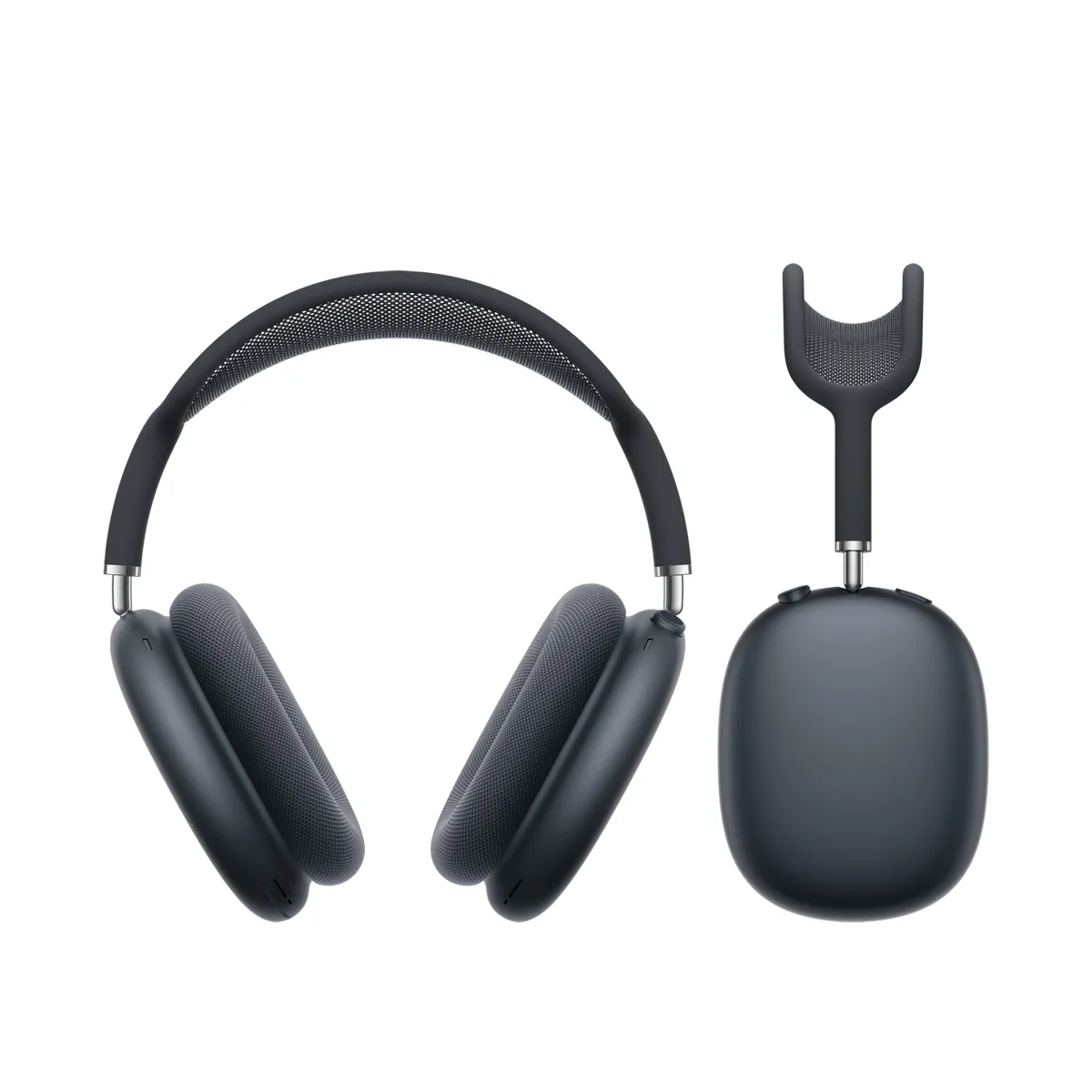
Apple
Over-Ear Headphones
The 2024 refresh swapped Lightning for USB-C, added new colors, and later gained lossless 24-bit/48kHz wired audio via firmware — but underneath it's still the 2020 headphone: H1 chip, Bluetooth 5.0, and the best transparency mode ever shipped. The aluminum build and knitted headband feel worth $549 (street price hovers near $450), and within the Apple ecosystem the auto-switching and Personalized Spatial Audio are magic. The flaws are equally famous: 385g is genuinely heavy for long sessions, there's no power button — just the silly Smart Case — and years of owner reports document condensation forming inside the cups, which has killed drivers out of warranty. Battery is 20 hours, worst of the flagship class, there's no app EQ, and Android users lose nearly everything. Buy it for the ecosystem and transparency, not the spec sheet.
Best for all-Apple households who value build and transparency