Sony
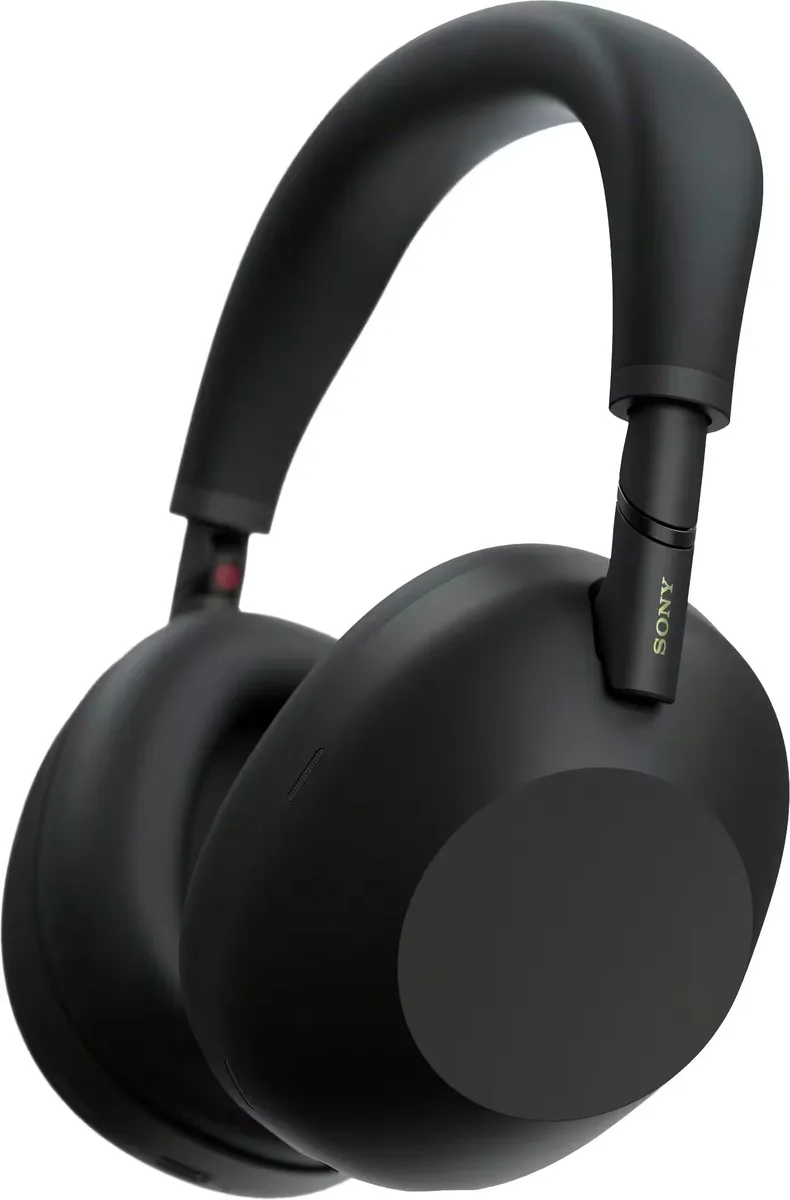
Sony WH-1000XM6
Sony's flagship fixes the XM5's two biggest sins: the folding hinges are back, and the case now closes with a satisfying magnetic clasp instead of a fiddly zipper. The QN3 chip and 12 mics deliver arguably the best ANC you can buy right now, and the wider headband spreads pressure better than the XM5 ever did. Owners' gripes are real, though: the $449 list price stings (thankfully street price has drifted to about $398), 30 hours of battery is now merely average, and running LDAC drains it noticeably faster. The matte finish picks up skin oils, and a few owners report the power button being awkwardly close to the ANC button. No aptX support, as always with Sony. Still, as a total package — sound, ANC, call quality, comfort — this is the one most people should buy.
We may earn a commission. Price and availability on Amazon’s site may differ.
Specifications
Highlights
Pros
- ✓Arguably the best ANC money buys right now
- ✓Folding hinges return after the XM5's rigid design
- ✓12-mic array delivers excellent call quality
- ✓3-minute charge buys 3 hours of playback
- ✓Wider headband spreads pressure better than the XM5
- ✓LDAC and LC3 codecs plus reliable multipoint
Cons
- ✗$449 list price stings versus the discounted XM5
- ✗30-hour battery is now merely average — Momentum 4 doubles it
- ✗LDAC streaming drains the battery noticeably faster
- ✗Matte finish picks up skin oils quickly
- ✗Power button sits awkwardly close to the ANC button
Owner Insights(700 discussions)
The Sony WH-1000XM6 arrived as the fix-the-XM5 release, and owner sentiment largely agrees it succeeded: the folding hinge is back, the case latches magnetically, ANC takes a clear step forward against voices, and the tuning is more articulate. It sits with the Bose QuietComfort Ultra at the top of nearly every 'best ANC headphone' owner thread, usually winning on sound and features while Bose keeps a slight edge on raw quiet and comfort. The asterisk is trust - after the XM5's cracking-hinge saga, owners are watching this generation's plastics closely, and documented hinge-ring failures plus denied warranty claims keep a skeptical undercurrent alive in owner discussions.
Day to day, owners describe a polished experience: ANC that makes open offices and plane cabins genuinely quiet, a vocal-forward sound that's excellent for podcasts and modern pop (with a 10-band EQ to tame the default bass warmth), and call quality that finally holds up in noisy places. Battery life lands around the claimed 30 hours with ANC. Comfort is improved for most via the wider headband, though a minority notice the internal mic bump against their ear and thinner-feeling pads. The commonest functional gripes are software: multipoint that occasionally drops the first device's audio, and a firmware update that broke meeting audio for some until a reconnect.
Buy the XM6 if you're coming from an XM4 or older, or from anything without flagship ANC - it's the most complete package in the class. If you own an XM5, most owners say keep it; the upgrades are comfort tweaks and incremental gains that don't justify $450. The strongest alternative is the Bose QuietComfort Ultra (2nd Gen), which owners pick for maximum quiet and long-wear comfort, while the XM6 wins on sound quality, battery, and features; bargain hunters get 90% of the experience from a discounted XM5 at ~$250.
Pros
- +Noise cancellation owners rank at or above Bose Ultra - the 12-mic QN3 system noticeably improves on the XM5 against voices and office chatter, not just engine rumble
- +Folding hinges are back - the XM6 collapses into a smaller case than the XM5, and travelers call this the single most welcome fix
- +Clearer, more articulate sound than the XM5, with vocal clarity owners consistently single out; 10-band EQ in the app lets you tune the default warmth
- +Physical power/ANC buttons plus a magnetic-latch case that opens one-handed - small touches owners mention constantly
- +30-hour battery with quick charge (3 min for ~3 hours) reliably covers long-haul travel weeks between charges
- +Multipoint works with LDAC engaged, so Android owners no longer choose between hi-res codec and two-device pairing
- +Wider, better-distributed headband - many owners who got hotspots from the XM5 find the XM6 comfortable for full workdays
- +Call quality is a real step up - AI voice isolation holds up in cafes, and colleagues on calls notice the difference from the XM5
Cons
- −Durability worries persist: owners have documented hinge-ring and headband-slider cracking, with a community tracker logging 17 breakage threads in the first ~14 months
- −Sony often denies these cracks as 'accidental damage' - warranty claim rejections are a recurring owner grievance, echoing the XM5 class action
- −$450 launch price is $50 over the XM5's and roughly $150 over what the XM5 sells for now - many owners say the gap isn't worth it for XM5 upgraders
- −The ANC mic housing protrudes slightly inside each cup and rubs some ears; earpads also feel thinner out of the box than the XM5's plush pads
- −Some owners find the sound less spacious and airy than the XM5 - vocal-forward tuning comes at the cost of soundstage width
- −Multipoint instability reported after certain firmware updates - audio from the first device can vanish entirely, or video-call audio breaks until reconnecting
- −Still no water/sweat resistance rating and no USB-C audio playback
- −Touch-panel controls remain, with the same cold-weather and glove reliability quirks owners knew from the XM5
Common Questions
Compare the Sony WH-1000XM6
Related headphones
More from Sony →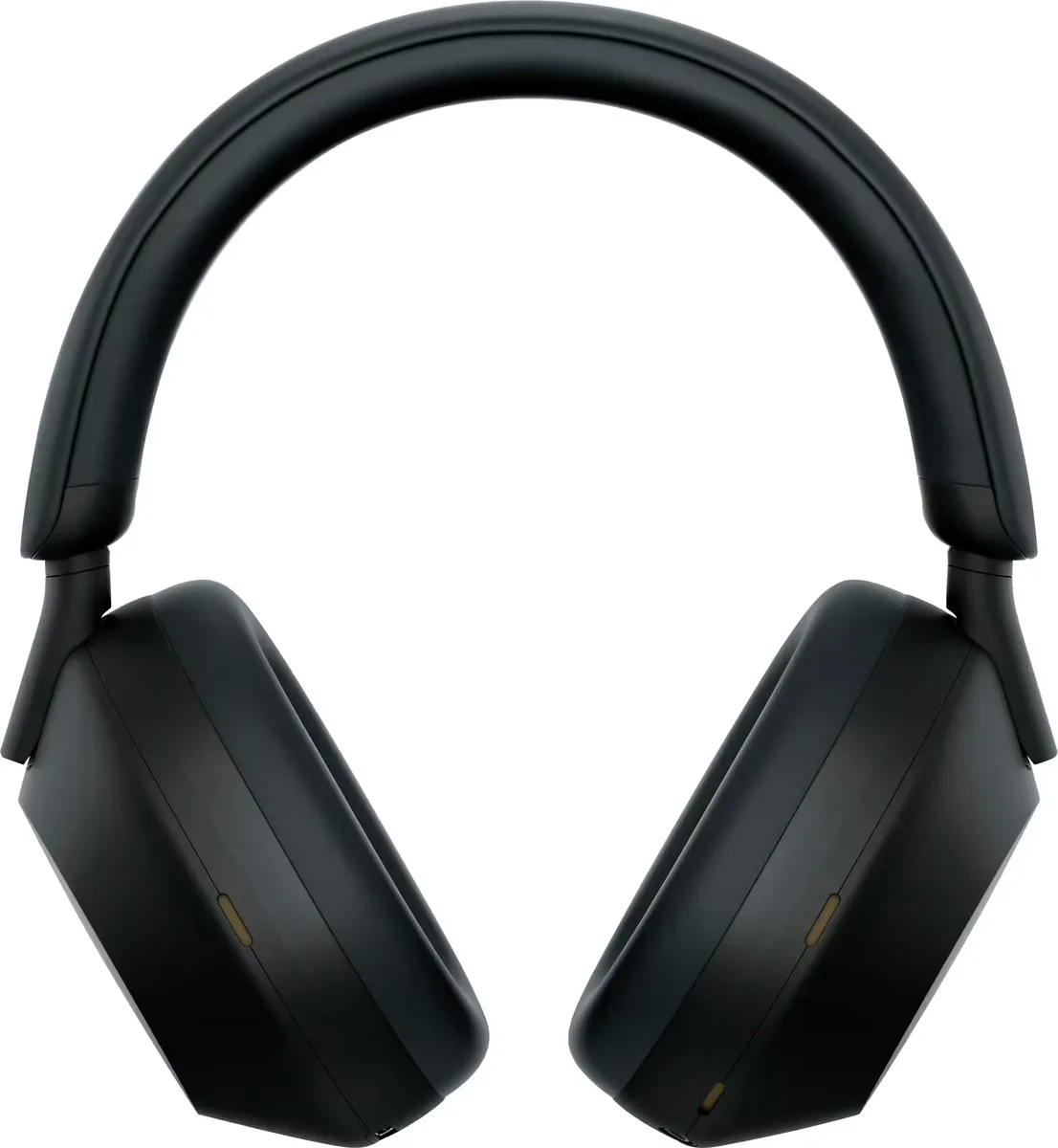
Sony
Over-Ear Headphones
Now that the XM6 exists, the XM5 has become the value play — routinely dipping to around $248 on Amazon, nearly $150 under its original price. The ANC and warm, bass-forward tuning still hold up against anything in this bracket, multipoint works reliably, and at 250g it disappears on your head. But know the ownership record: the non-folding design means a bulky case, and there are widespread reports of the headband stems cracking at the hinge after a year or two — enough that it spawned class-action chatter. Touch controls can misfire in cold or humid weather, and the smooth plastic scuffs easily. If you can live with babying the hinges, this is a lot of flagship for mid-range money; if you're rough on gear, the XM6's return to folding metal hinges is worth the premium.
Best for value hunters who want 90% of the XM6 for less
Sony
Over-Ear Headphones
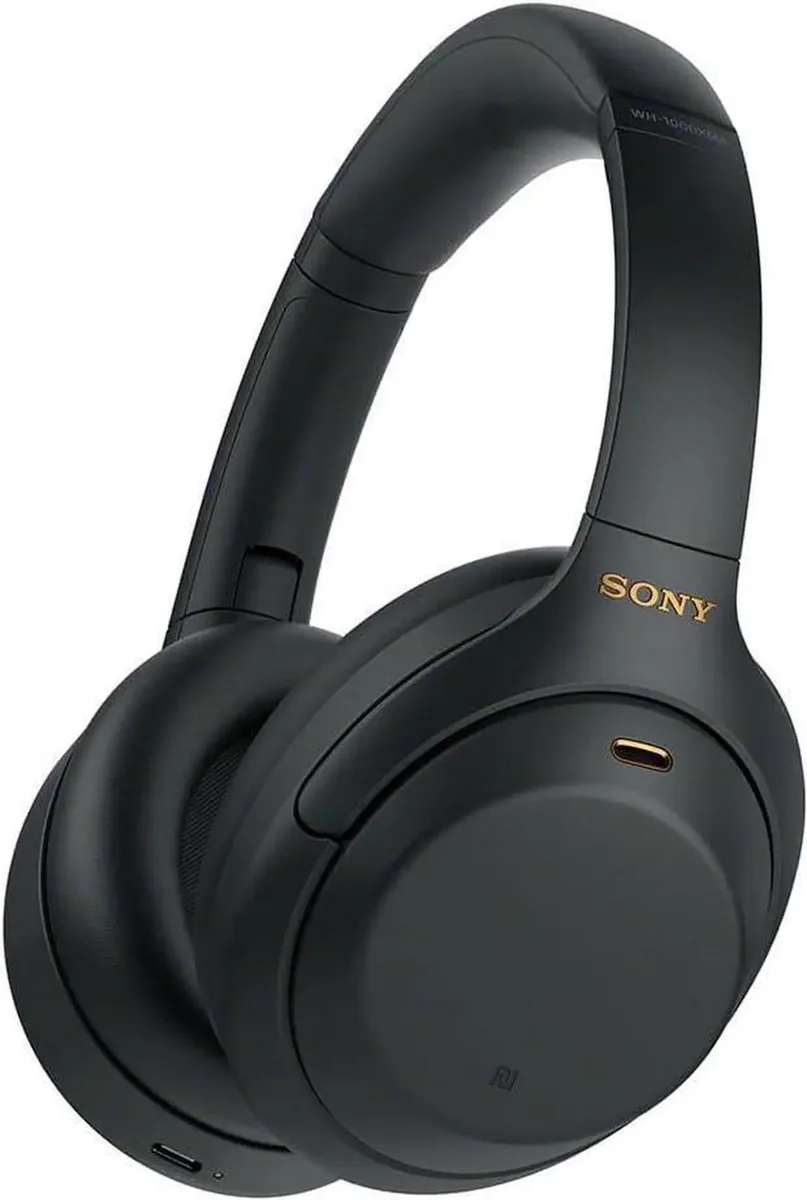
The XM4 launched in 2020, has been succeeded twice — the WH-1000XM5 and XM6 are both in our catalog — and Sony still sells it new in volume, because at its current ~$200 street price it delivers most of the flagship experience for a lot less money. The ANC remains excellent by any standard short of its own successors, the warm, bass-tilted tuning responds beautifully to the app's EQ, and it folds into a compact hard case — something the XM5 gave up. You get the full Sony feature stack: LDAC, multipoint, wear detection, Speak-to-Chat, 360 Reality Audio, and a 30-hour battery with a 10-minute charge worth 5 hours. Long-term owners surface real caveats, though: the plastic headband and earcup yokes are a known failure point after a couple of years, some units develop charging or mic faults out of warranty, and LDAC and multipoint remain mutually exclusive — pick one in the app. Mic quality on calls was always the XM4's weak spot and hasn't aged well against newer rivals. Five years of firmware maturity means the software is stable, and the touch controls still work well. Buy it as the value play in Sony's lineup: 90% of the XM5 for roughly 60% of the price — just don't pay more than about $250, because at that point the newer models are within reach.
Best for Value hunters who want 90% of Sony's flagship for less
Sony
Over-Ear Headphones
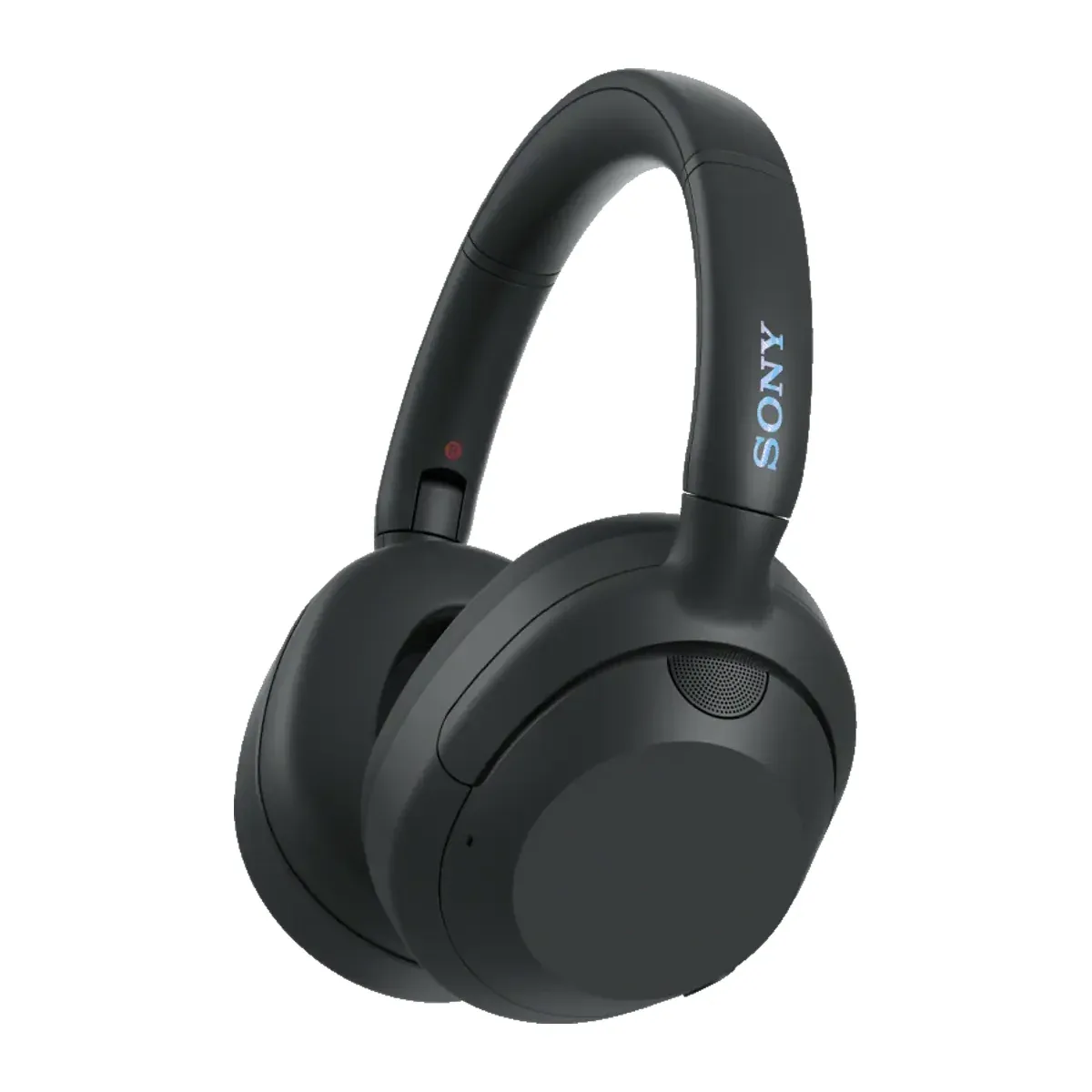
This is Sony's bass-cannon spin on its 1000X formula: the same V1 processor and genuinely good ANC trickled down from the flagship line, bolted to a dedicated ULT button that cycles two levels of bass boost. Owners are consistent on the split verdict — the default tuning is solid and warm, ULT1 is fun for EDM and hip-hop, and ULT2 is a caricature that buries everything above the bass line, so most people try it twice and leave it off. Noise cancellation is the real draw at this price; it's a clear step below the WH-1000XM5 but beats almost everything else under $200, and you get LDAC, multipoint, wear detection, and Sony's excellent app EQ — a feature list mid-rangers rarely match. Battery runs a rated 30 hours with ANC (50 with it off), and a 3-minute charge buys 90 minutes. Comfort gets high marks for the light 255g build and low clamp, though a few long-term owners report the plastic around the earcup joints cracking after a year-plus. Mic quality on calls is the other recurring complaint — fine indoors, inconsistent in wind and street noise. At its usual $128-150 street price it's one of the best-rounded mid-range ANC headphones; just know you're buying it for features and fun, not fidelity.
Best for Bass-first listeners who want real ANC without flagship prices
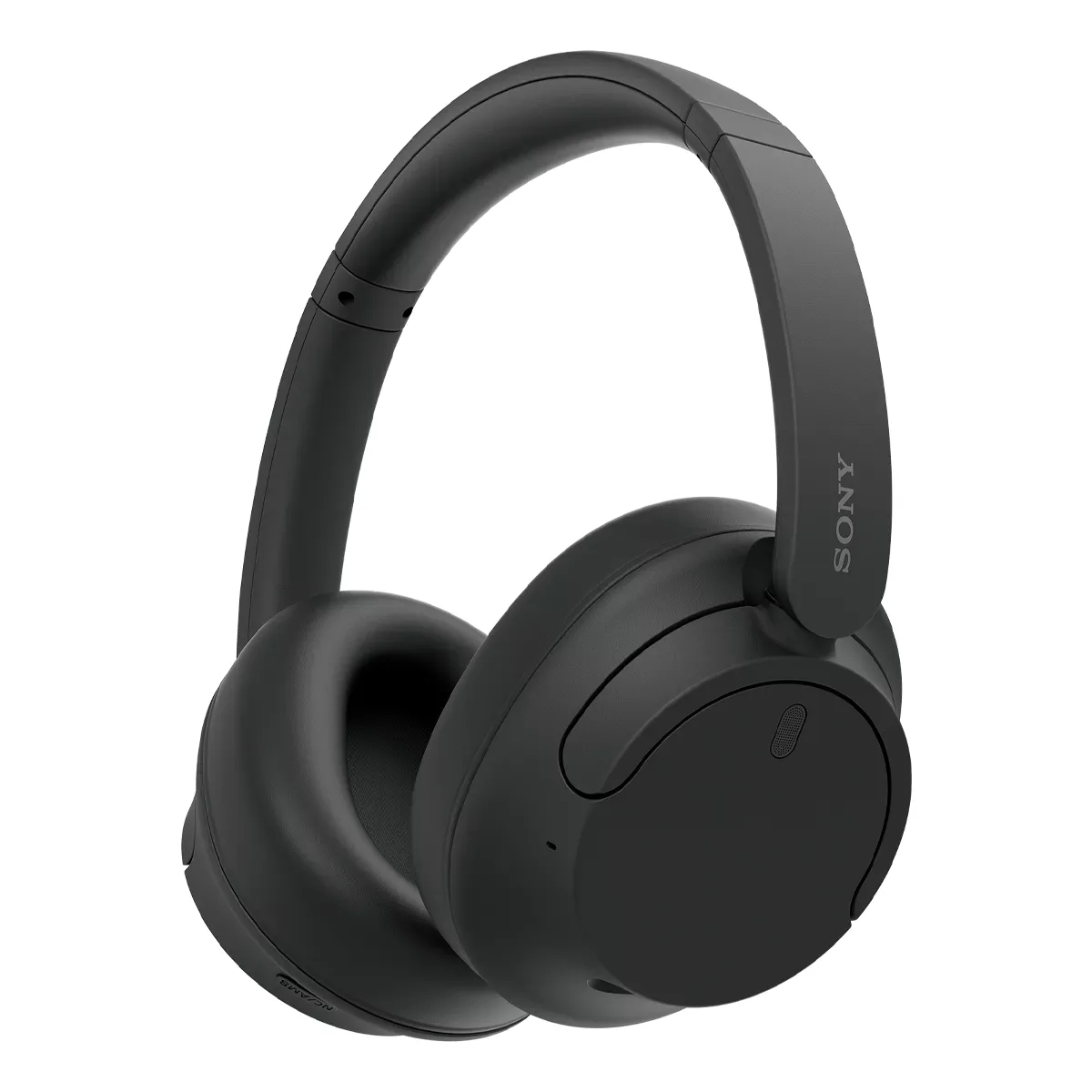
Sony
Over-Ear Headphones
The WH-CH720N is what happens when Sony puts its flagship V1 noise-cancelling processor in a $180-list headphone that actually sells for $87-95. At 192 grams it's one of the lightest ANC over-ears made, and that's its superpower — people who find the XM5 or Bose heavy wear this all day and forget it's on. The ANC is genuinely good on low rumble, merely okay on voices and clatter, and there's some hiss. Sound is balanced-warm and clean, though the bass is a bit loose and the 30mm drivers won't wow anyone before EQ in the Headphones Connect app. The weight savings come from frankly hollow-feeling plastic that creaks when flexed, and the headband padding is minimal. It doesn't fold, only swivels flat. Battery is 35 hours with ANC on — fine, not class-leading. A 3.5mm jack is included. Comfort-first ANC, done cheap.
Best for listeners who want light, all-day ANC comfort without flagship prices
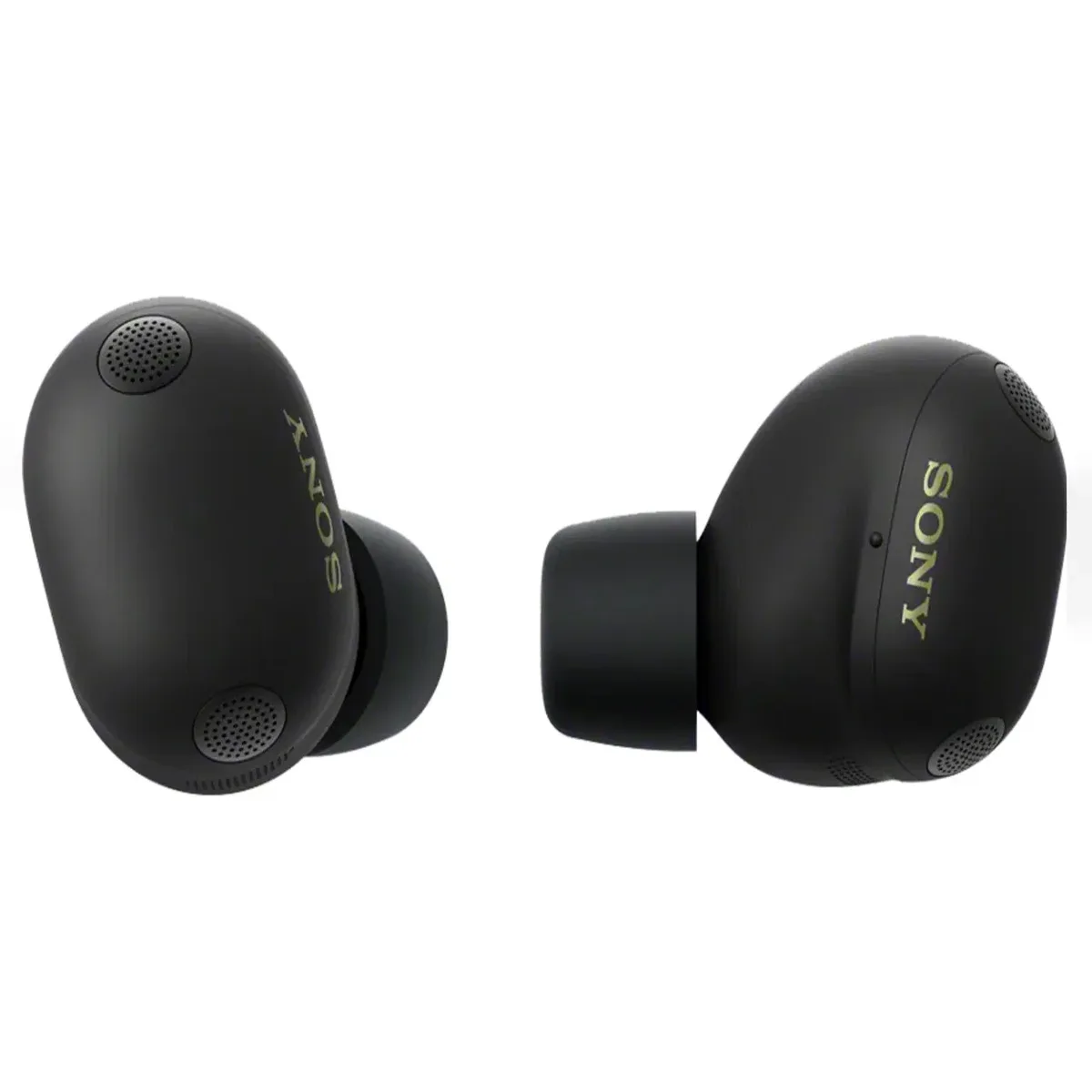
Sony
Wireless Earbuds
Sony's February 2026 flagship, and the new benchmark most earbuds get measured against. The QN3e processor cuts roughly 25% more noise than the XM5, and owners consistently rank the ANC at or above Bose while praising the richer, more customizable sound — the 8.4mm driver got a new dual-material diaphragm and 32-bit processing. Eight hours with noise canceling on is still best-in-class, the pill-shaped body is 11% slimmer with a matte finish that grips better than the XM5's slippery gloss, and multipoint plus LDAC plus LC3 covers every connection scenario. The honest caveats: the $330 list price is $30 over what the XM5 launched at (street has already slipped to ~$298), and fit remains the Sony gamble — the buds are still chunky at 6.5g each, and a real minority of owners just can't get them comfortable. Early owners also echo a familiar Sony worry: this line has a history of battery degradation complaints, and it's too soon to know if the XM6 fixed it. IPX4 is gym-only water resistance. If the XM5 fit you, these are the safe premium pick; if it didn't, nothing about the shape fundamentally changed.
Best for Android power users who want the best ANC-plus-sound combo
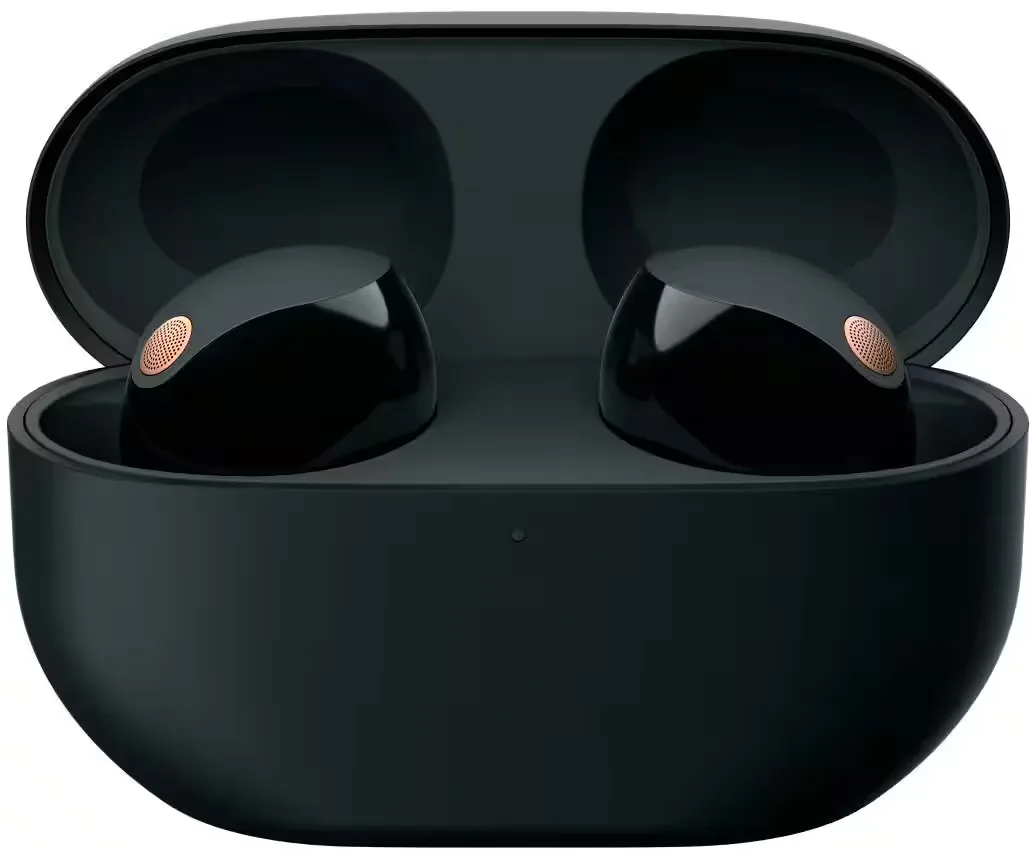
Sony
Wireless Earbuds
Still the all-rounder to beat for Android users, especially now that the XM6's arrival keeps pushing the price down. The 8.4mm Dynamic Driver X sounds rich and warm out of the box, LDAC delivers genuine hi-res from a phone, and the foam-ish tips seal so well that ANC feels stronger than it measures. Eight hours with noise canceling on is excellent, and 3 minutes in the case buys an hour. The consensus owner complaints are real, though: call quality falls apart in wind, the polished case scratches if you look at it wrong, and a vocal minority reports one bud draining faster than the other after a year-plus. Multipoint works but disables LDAC. The Headphones Connect app EQ is powerful once you find the settings buried three menus deep. IPX4 is fine for gym sweat, nothing more.
Best for Android listeners who want hi-res LDAC and strong ANC