Apple
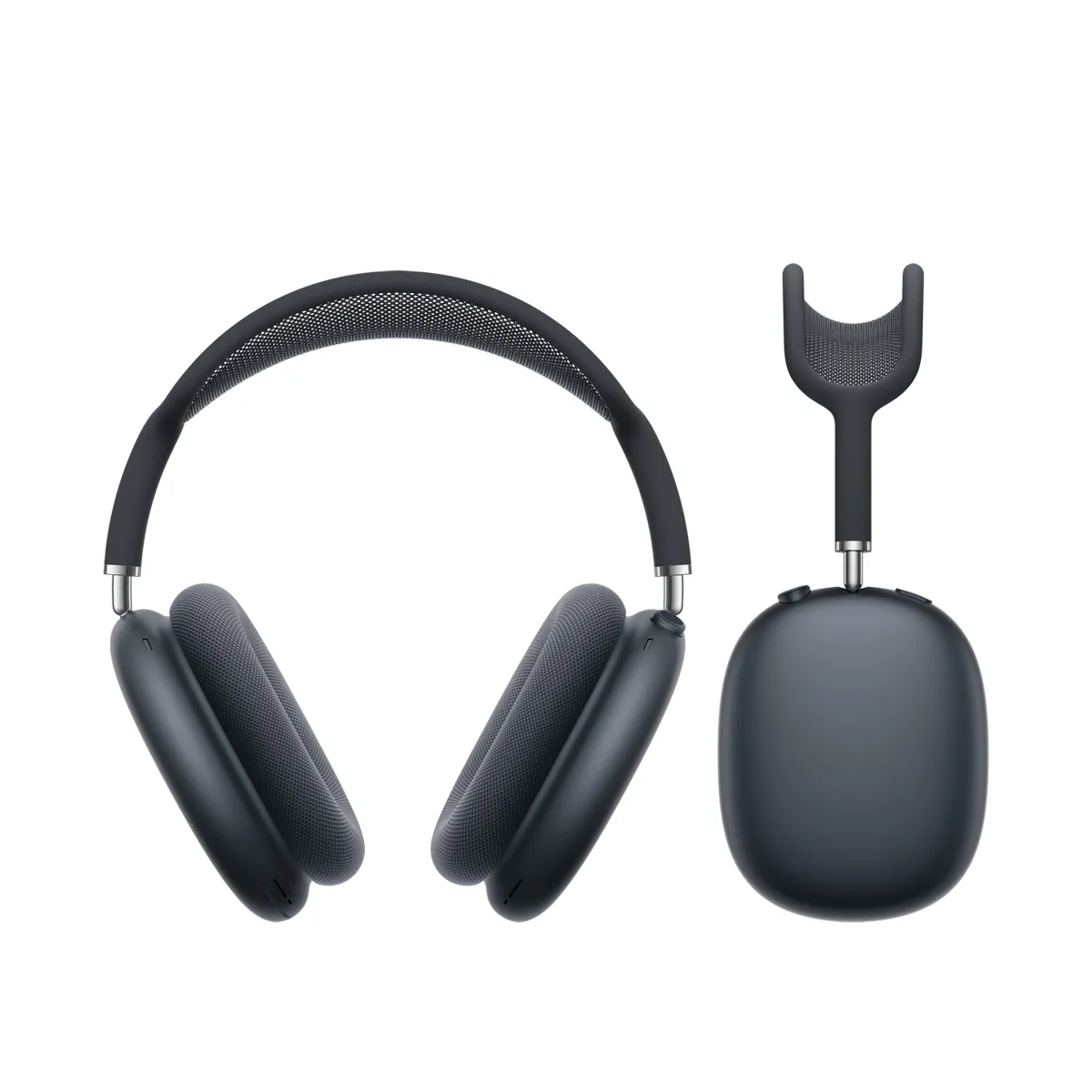
Apple AirPods Max (USB-C)
The 2024 refresh swapped Lightning for USB-C, added new colors, and later gained lossless 24-bit/48kHz wired audio via firmware — but underneath it's still the 2020 headphone: H1 chip, Bluetooth 5.0, and the best transparency mode ever shipped. The aluminum build and knitted headband feel worth $549 (street price hovers near $450), and within the Apple ecosystem the auto-switching and Personalized Spatial Audio are magic. The flaws are equally famous: 385g is genuinely heavy for long sessions, there's no power button — just the silly Smart Case — and years of owner reports document condensation forming inside the cups, which has killed drivers out of warranty. Battery is 20 hours, worst of the flagship class, there's no app EQ, and Android users lose nearly everything. Buy it for the ecosystem and transparency, not the spec sheet.
We may earn a commission. Price and availability on Amazon’s site may differ.
Specifications
Highlights
Pros
- ✓Best transparency mode ever shipped on headphones
- ✓Aluminum-and-knit build feels genuinely luxurious
- ✓Seamless auto-switching across Apple devices
- ✓Lossless 24-bit/48kHz wired audio via USB-C firmware update
- ✓Personalized Spatial Audio head tracking is magic
- ✓5-minute charge buys 1.5 hours
Cons
- ✗385 grams is genuinely heavy for long sessions
- ✗No power button — just the ridiculed Smart Case
- ✗Condensation inside cups has killed drivers out of warranty
- ✗20-hour battery is worst in the flagship class
- ✗No app EQ, and Android loses nearly everything
Owner Insights(900 discussions)
The AirPods Max (USB-C) occupy a strange, durable niche in owner discussions: unmatched hardware luxury and Apple-ecosystem magic wrapped around 2020 internals at a 2020 price. Owners who love them really love them - the aluminum build, the digital crown, transparency mode that feels like open air, and device switching that just happens. The USB-C refresh changed the port and colors and (via firmware) added lossless wired audio, but the H1 chip, 20-hour battery, and 385-gram weight carried over untouched, and owner threads are blunt that Apple is charging flagship-plus money for a half-decade-old platform.
The daily experience splits by physiology and patience. The mesh canopy spreads the weight well, and plenty of owners wear them all day; others report neck fatigue and clamp awareness after an hour that no rival gives them. ANC is still near the top tier and transparency remains the class benchmark. The pain points are legend by now: a case that protects nothing and doubles as the only 'off switch,' standby drain when you skip the case, condensation pooling inside the cups after workouts (with a lawsuit and a three-amber-lights failure mode attached to the worst cases), and a $450+ price against lighter 30-hour rivals. Calls are solid; sound is rich and detailed, though most owners rank the Sony XM6 as its equal or better for a lot less.
Buy them if you live in Apple hardware, value build and transparency mode above all, and can catch the frequent $399-450 sales - no rival integrates like this. Skip them on Android entirely. The strongest alternatives owners cite are the Sony WH-1000XM6 (better battery, lighter, arguably better sound, cheaper) and the Bose QC Ultra 2nd Gen for superior ANC and comfort; inside the Apple world, many owners admit AirPods Pro plus the savings is the more rational play.
Pros
- +Build quality in a class of its own - aluminum cups, stainless frame, and a mesh canopy that owners say makes every plastic rival feel like a toy
- +Seamless Apple ecosystem behavior is the retention feature: instant device switching between iPhone, iPad, and Mac, audio sharing, and Find My
- +Transparency mode owners still call the most natural anywhere - like not wearing headphones at all
- +ANC remains genuinely competitive with Sony and Bose years on, especially against voices and office noise
- +USB-C model gained lossless and ultra-low-latency wired audio via firmware - a real perk for desk listening and gaming
- +Spatial Audio with head tracking is best-in-class for movies on an iPad or Apple TV
- +The digital crown volume dial is beloved - precise, satisfying, and immune to touch-control misfires
- +Mesh-canopy headband distributes the weight well enough that many owners find them comfortable despite the mass
Cons
- −At 385g they're over 100g heavier than a Sony XM6 or Bose Ultra - neck fatigue and clamp awareness on long sessions are the most common owner complaints
- −The 'bra' Smart Case is almost universally mocked - it protects nothing, and there's no power button, so the headphones rely on the case (or a ~2hr timer) to sleep
- −Condensation forms inside the aluminum cups during workouts or temperature swings - the 'condensation death' issue spawned a lawsuit, and some units die with the three-amber-lights fault
- −The USB-C refresh is a port swap and new colors on 2020 hardware - same H1 chip, same 20-hour battery, no new features beyond wired lossless
- −20-hour battery trails every flagship rival (Sony/Bose hit 30), and standby drain frustrates owners who forget the case
- −$450-549 pricing versus better-sounding, lighter, longer-lasting competition is hard for even Apple loyalists to defend at full price
- −Ear cushions attract lint, wear quickly for some, and while magnetically replaceable, Apple's replacements are pricey
- −On Android they're nearly featureless - no pairing app, no EQ, no spatial audio; owners call buying them without Apple devices pointless
Common Questions
Compare the Apple AirPods Max (USB-C)
Related headphones
More from Apple →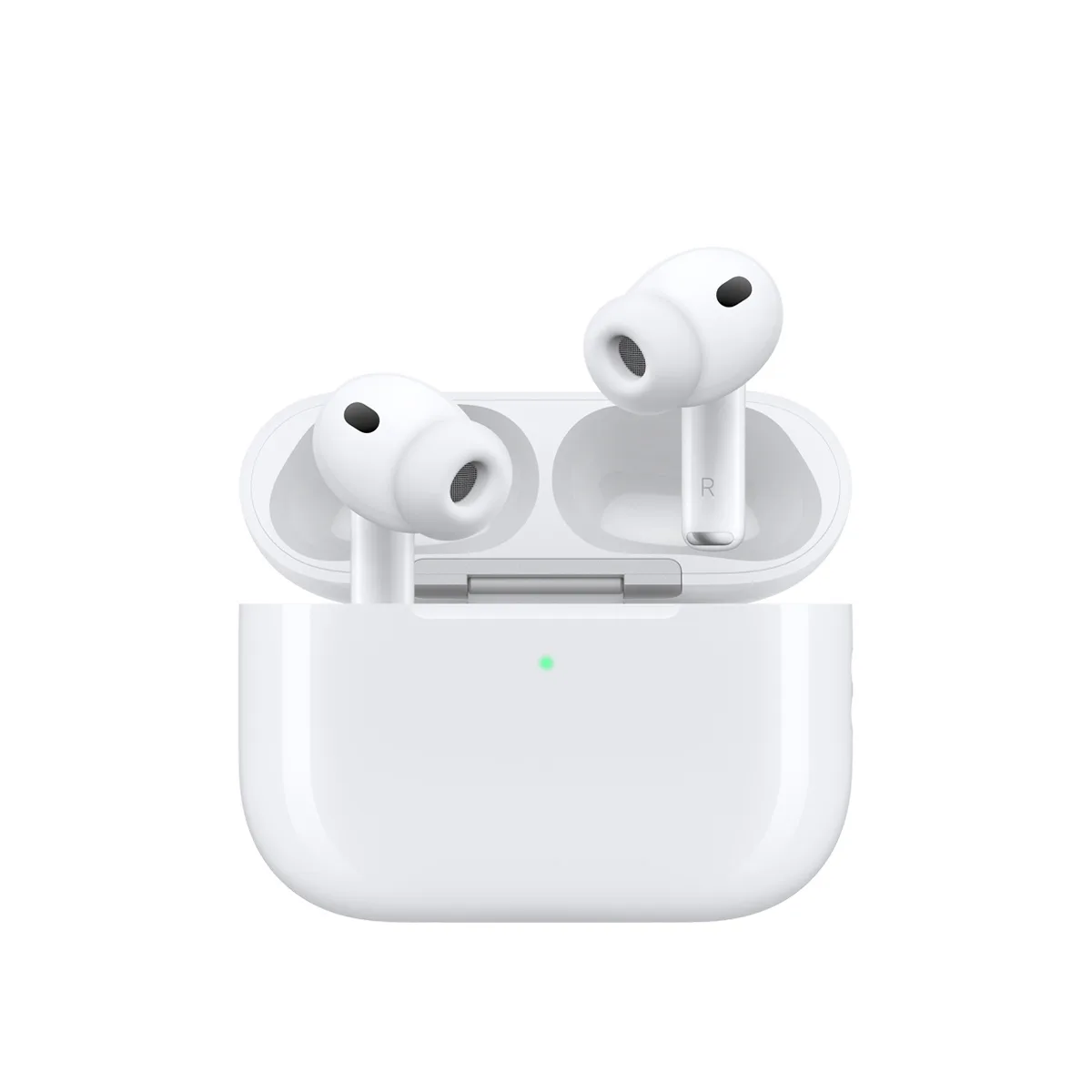
Apple
Wireless Earbuds
If you live on an iPhone, these are the easy answer. Apple roughly doubled the ANC over the Pro 2, added heart-rate sensing, foam-infused tips that actually seal, and bumped water resistance to IP57 — owners consistently say the noise cancellation now trades blows with Bose. Battery went up to 8 hours per charge, though the slimmer case total actually dropped to 24 hours. The honest caveats: you're stuck with AAC (no LDAC or aptX, so Android users lose hi-res and most features entirely), there's no real EQ beyond Apple's presets, and multipoint only works as auto-switching between Apple devices. Transparency mode and call quality remain the best in the business, and the hearing-aid feature is genuinely useful. Some longtime owners still grumble about eventual battery degradation — it's not user-replaceable. On Android, buy literally anything else.
Best for iPhone users who want set-and-forget ANC
Apple
Wireless Earbuds
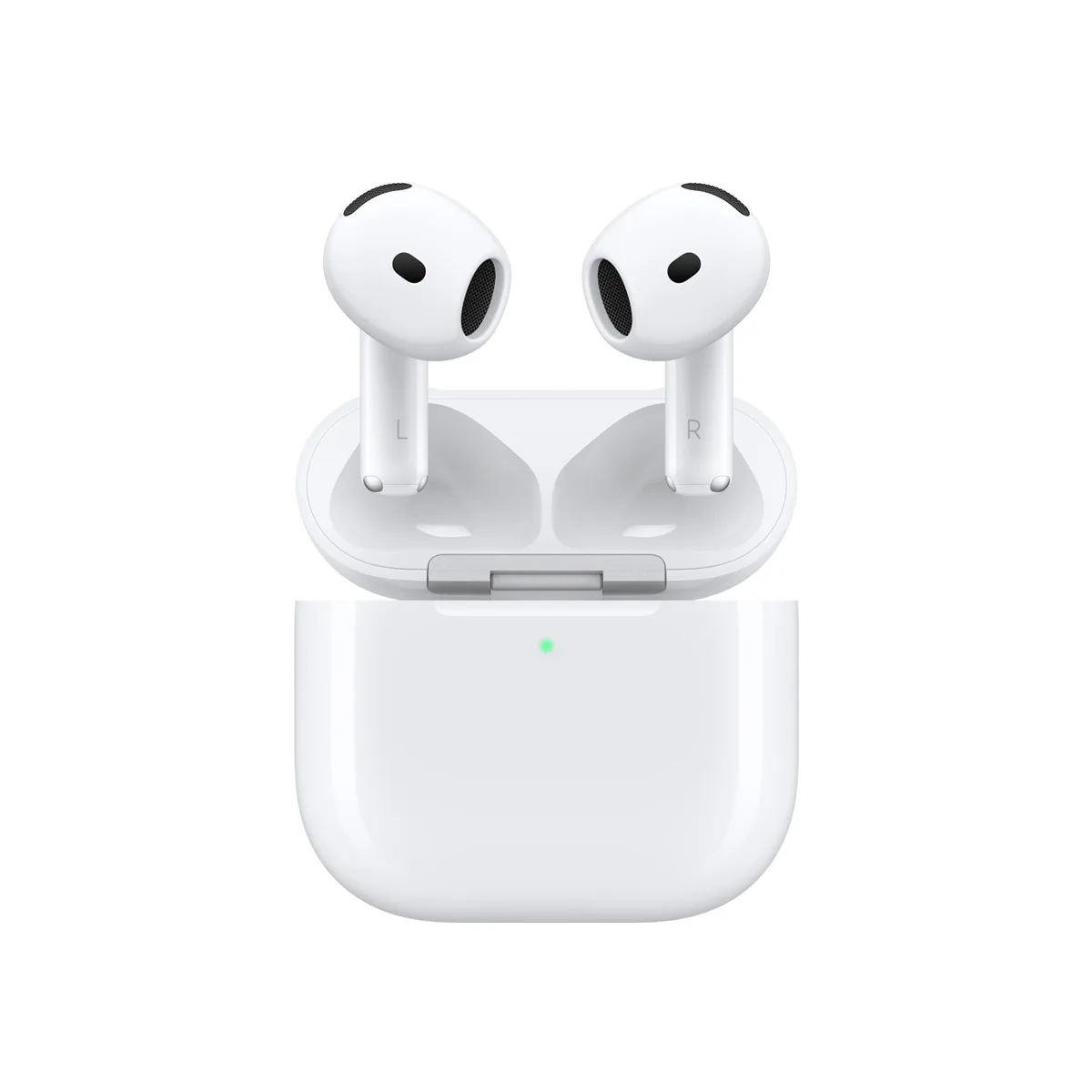
These are for people who hate silicone ear tips but still want some noise cancellation — and on that narrow promise they deliver. ANC on an open-fit earbud shouldn't work as well as it does here; it takes the edge off planes and offices, though physics means it can't touch a sealed bud like the Pro 3, and bass depends entirely on how the hard plastic sits in your particular ears. That's the real gamble: fit is a lottery, and if AirPods have never stayed put for you, nothing changed. Battery is the other weak spot — 4 hours with ANC on is bottom of the class. Call quality is excellent, the H2 chip does Adaptive Audio and Conversation Awareness, and the ANC version of the case adds wireless charging and a Find My speaker. AAC-only and no EQ app, as always with Apple.
Best for ear-tip haters who still want noise cancellation
Apple
Wireless Earbuds
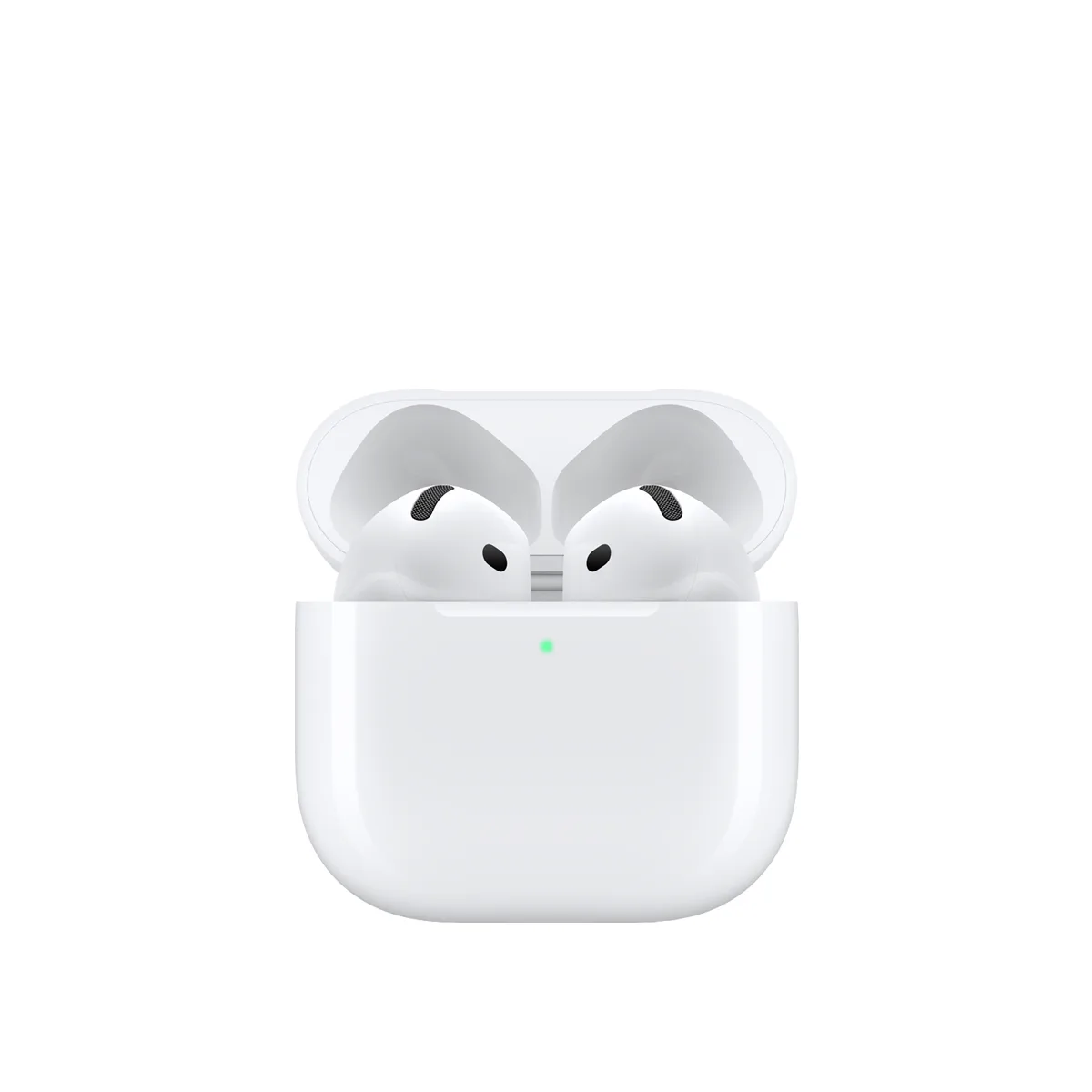
The cheapest current AirPods, and the version to buy only if you're sure you don't want noise cancellation — because the ANC variant costs just a little more and adds a lot. You get the same H2 chip, the same comfortable hard-shell open fit, excellent call quality, Personalized Spatial Audio, and Voice Isolation; owners like how the redesigned shape stays put better than older base AirPods and how light 4.3g feels over long wear. What the base model drops: ANC, Transparency, Adaptive Audio, the case speaker for Find My, and — the one that stings — wireless charging, since this case is USB-C only. Reviewers who measured both versions also found the non-ANC model rolls off sub-bass harder, so music sounds a bit leaner. Battery is 5 hours per charge and 30 with the case, and a 5-minute top-up buys an hour. The usual Apple fine print applies: AAC only, no EQ app, and half the features don't work on Android. If AirPods have never fit your ears, this shape won't change your mind — and if you're tempted at all by ANC, spend up for the other version.
Best for iPhone users who want basic AirPods and skip ANC
Apple
Wired & Studio
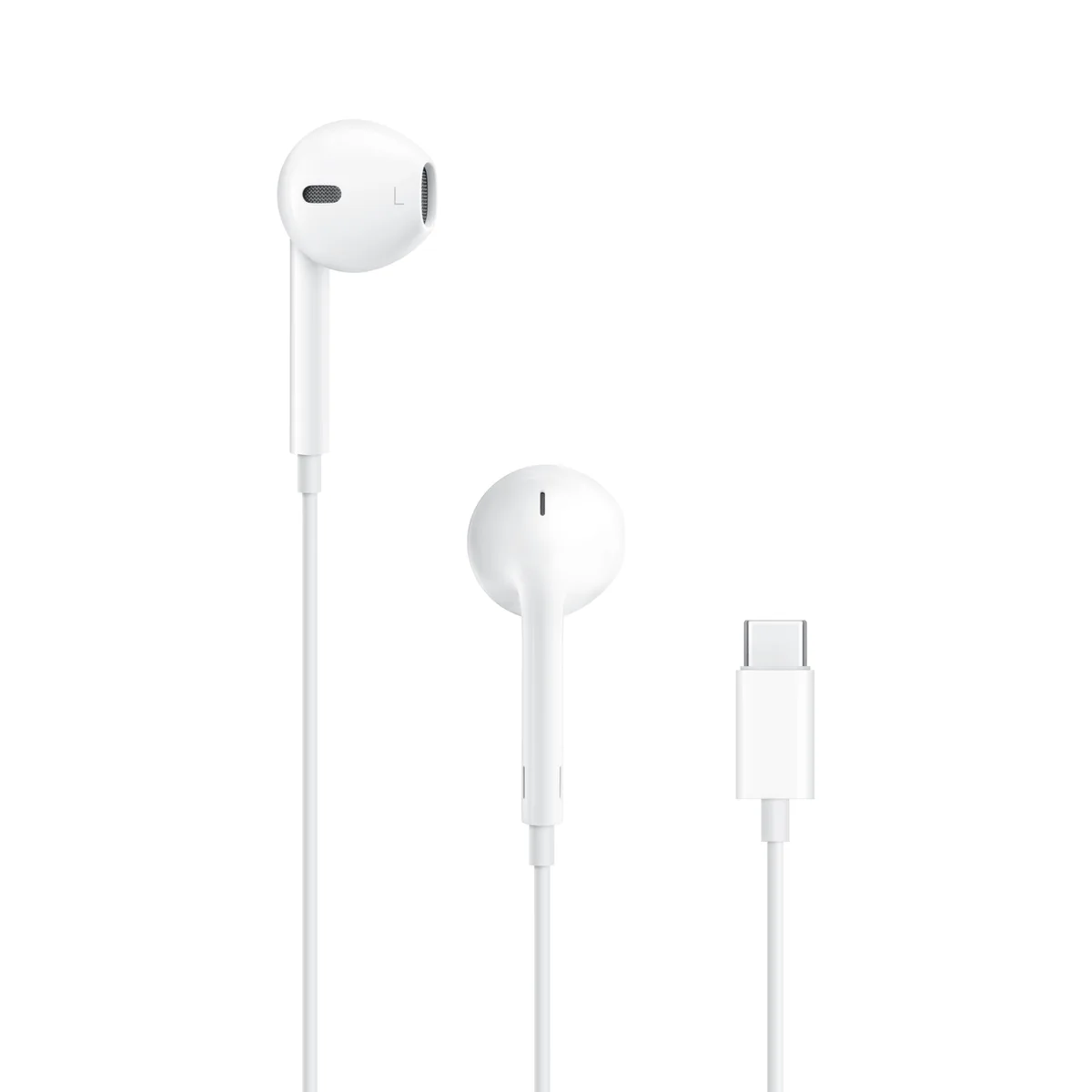
Seventeen dollars gets you Apple's wired earbuds with a small DAC built into the USB-C plug, which is quietly the whole story: they bypass your phone's jack-less design and play at full volume from any USB-C phone, iPad, or laptop — an amp is beside the point, and Apple doesn't even publish an impedance figure. The open, unsealed fit is love-it-or-hate-it: no silicone tips to fuss with and you can hear traffic, but there's zero isolation and bass is thin unless they happen to fit your ears just right. The inline remote and mic are genuinely good — many people keep a pair purely for calls because they beat most Bluetooth mics. Longevity is fine but not endless; the cable survives pockets better than the old 3.5mm version, and at this price they're effectively disposable.
Best for cheap reliable calls and commutes
Bowers & Wilkins
Over-Ear Headphones
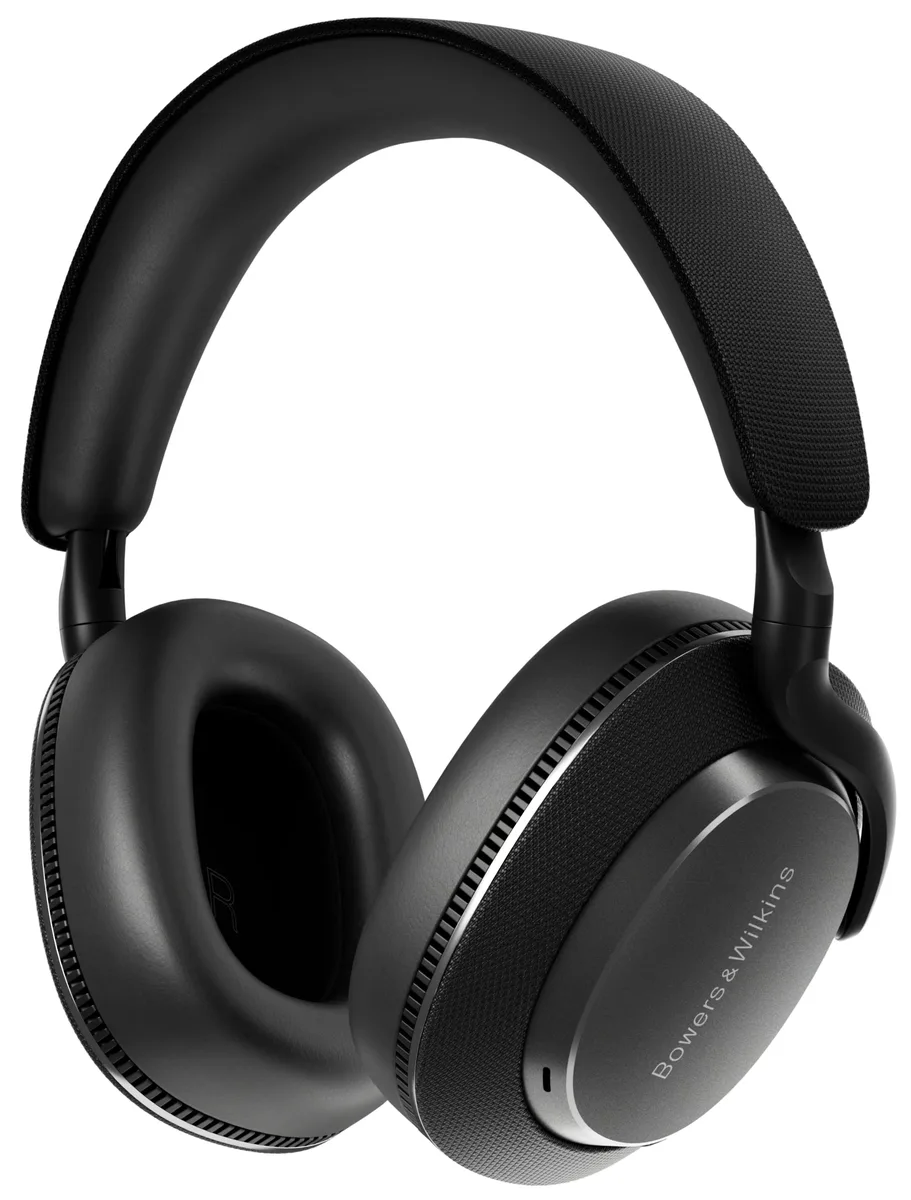
If sound quality is the tiebreaker, the Px7 S3 wins this bracket for a lot of ears. Redesigned 40mm bio-cellulose drivers with dedicated amplification and 24-bit DSP deliver a dynamic, textured presentation that reviewers repeatedly rank above the XM6, and aptX Lossless support sweetens it for Snapdragon phone owners. The fabric-and-metal build looks properly premium, physical buttons beat touch panels, and the 8-mic ANC took a real step forward — competitive now, though still a notch behind Bose on a plane. Owner grievances: it launched with spatial audio 'coming soon,' which only arrived via the 1.4.0 firmware in February 2026, and promised LE Audio/Auracast support is still pending. The case is bulky since nothing folds, clamp is on the firm side for big heads, and at roughly $399-449 it's priced against more feature-complete rivals.
Best for listeners who put sound quality first
Sony
Over-Ear Headphones
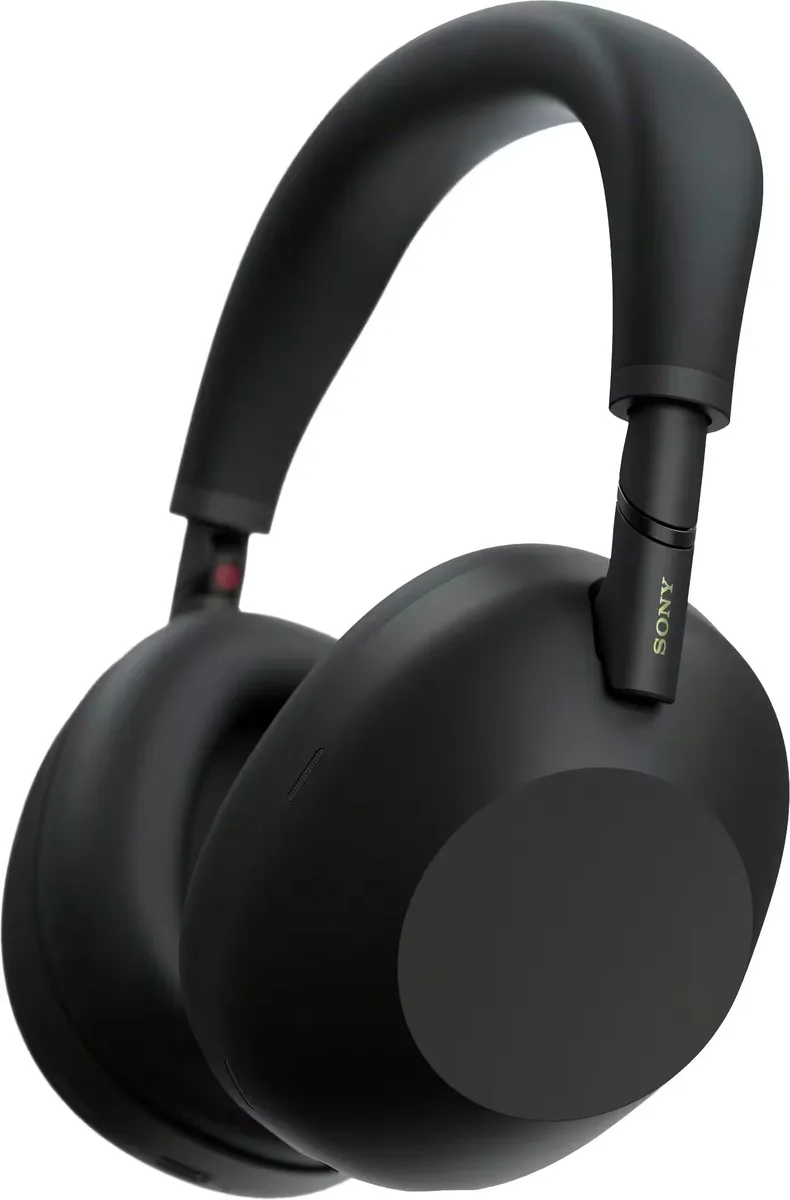
Sony's flagship fixes the XM5's two biggest sins: the folding hinges are back, and the case now closes with a satisfying magnetic clasp instead of a fiddly zipper. The QN3 chip and 12 mics deliver arguably the best ANC you can buy right now, and the wider headband spreads pressure better than the XM5 ever did. Owners' gripes are real, though: the $449 list price stings (thankfully street price has drifted to about $398), 30 hours of battery is now merely average, and running LDAC drains it noticeably faster. The matte finish picks up skin oils, and a few owners report the power button being awkwardly close to the ANC button. No aptX support, as always with Sony. Still, as a total package — sound, ANC, call quality, comfort — this is the one most people should buy.
Best for frequent flyers who want the best all-rounder