Bowers & Wilkins
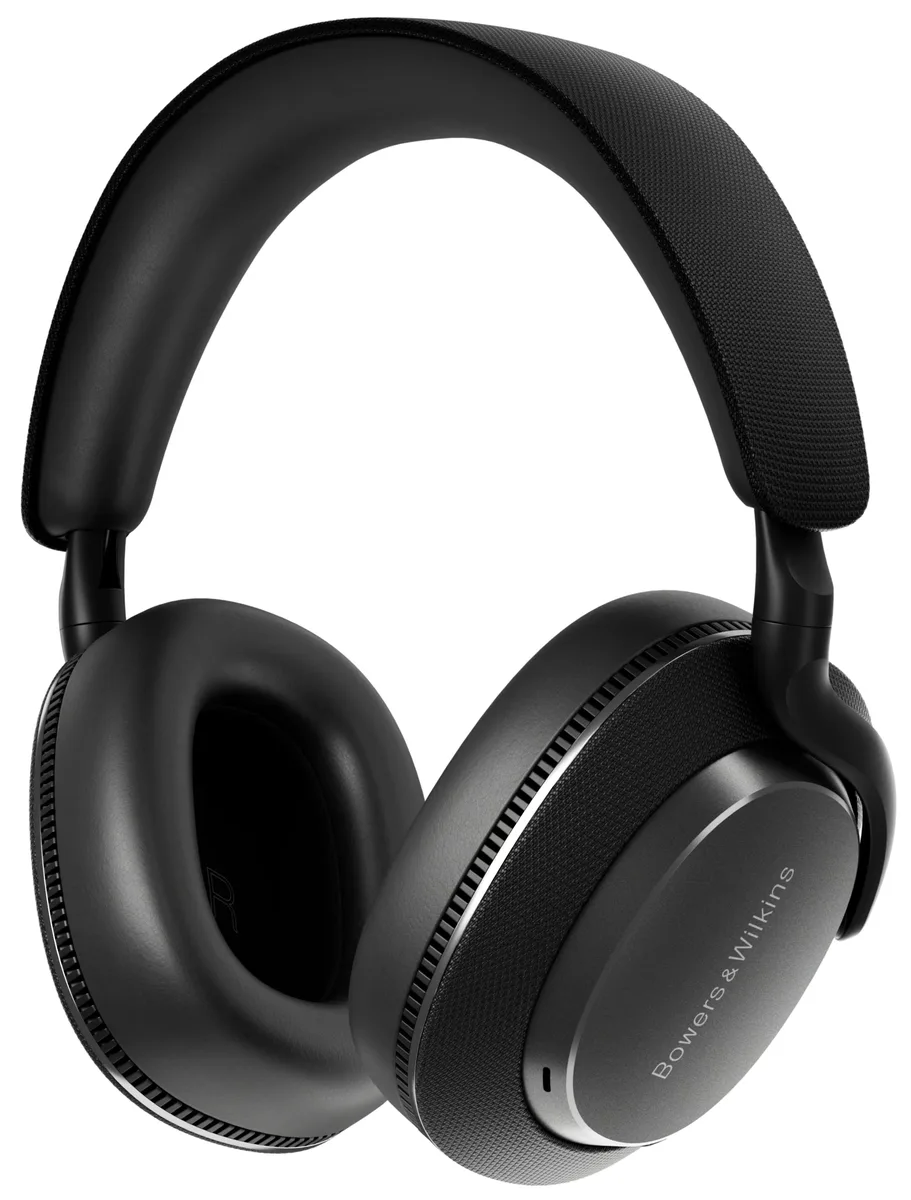
Bowers & Wilkins Px7 S3
If sound quality is the tiebreaker, the Px7 S3 wins this bracket for a lot of ears. Redesigned 40mm bio-cellulose drivers with dedicated amplification and 24-bit DSP deliver a dynamic, textured presentation that reviewers repeatedly rank above the XM6, and aptX Lossless support sweetens it for Snapdragon phone owners. The fabric-and-metal build looks properly premium, physical buttons beat touch panels, and the 8-mic ANC took a real step forward — competitive now, though still a notch behind Bose on a plane. Owner grievances: it launched with spatial audio 'coming soon,' which only arrived via the 1.4.0 firmware in February 2026, and promised LE Audio/Auracast support is still pending. The case is bulky since nothing folds, clamp is on the firm side for big heads, and at roughly $399-449 it's priced against more feature-complete rivals.
We may earn a commission. Price and availability on Amazon’s site may differ.
Specifications
Highlights
Pros
- ✓Bio-cellulose 40mm drivers many reviewers rank above the XM6
- ✓aptX Lossless for Snapdragon phone owners
- ✓Physical buttons beat touch-panel guesswork
- ✓15-minute charge buys 7 hours
- ✓Fabric-and-metal build looks properly premium
- ✓8-mic ANC took a real step forward this gen
Cons
- ✗ANC still a notch behind Bose on a plane
- ✗Spatial audio arrived a year late via firmware 1.4.0
- ✗Promised LE Audio and Auracast support still pending
- ✗Non-folding design means a bulky case
- ✗Firm clamp punishes bigger heads at first
Owner Insights(130 discussions)
The Bowers & Wilkins Px7 S3 is the headphone owners buy after deciding sound quality outranks everything else on the spec sheet. In owner discussions it's the current answer to 'best-sounding wireless ANC headphone under $500' - detail, texture, and instrument separation that make the Sony XM6 and Bose QC Ultra sound processed by comparison - wrapped in the most luxurious build in the class. The S3 also fixed the previous generation's real weaknesses: the slimmer cups and redesigned headband turned a mediocre fit into one of the comfortable ones, and ANC jumped from token to genuinely good. It's the audiophile's pick, and its owners talk like converts.
Day to day, the tradeoffs are consistent and honest. ANC handles planes and offices respectably but lets voices and wind through in ways Bose and Sony don't - breezy streets in particular produce mic flutter that owners flag. The Music app is spartan (five-band EQ, mode toggles) and B&W's pace of feature delivery frustrates early adopters, while the line's wear-sensor auto-pause has a history of false triggers some owners still sidestep by disabling it. Physical buttons, stable multipoint, aptX Lossless, and a real 30-hour battery keep the daily experience refreshingly boring in the good way. Calls are passable, not great.
Buy the Px7 S3 if you're a music-first listener who wants wireless convenience without settling for flagship-ANC sound - especially at its recurring $349 sale price, where owners call it a bargain. Buy the Sony WH-1000XM6 if you need the full smart-feature stack and stronger ANC, or the Bose QC Ultra if silence is the mission. The strongest single alternative is the XM6: owners frame the choice as Sony's brains and quiet versus B&W's ears and craftsmanship - and the people who choose B&W rarely go back.
Pros
- +Sound quality is the whole argument and owners say it wins: the most refined, detailed, textured tuning in the wireless ANC class - routinely described as embarrassing the Sony XM6 and Bose Ultra for pure music listening
- +aptX Lossless and aptX Adaptive support on capable Android phones, plus USB-C wired audio for hi-res sources
- +Redesigned slimmer earcups and headband fix the Px7 S2's fit complaints - owners find the S3 supremely comfortable, including many glasses wearers
- +Physical buttons for everything - no touch panel to misfire, a deliberate choice owners coming from Sony/Sennheiser celebrate
- +Materials and finish read as genuinely luxurious - woven fabric, metal details, and a build owners say matches the price
- +ANC took a real step up from the S2 generation - now solidly good, enough for flights even if not class-leading
- +30-hour battery with honest quick charging (about 7 hours from 15 minutes)
- +Multipoint connectivity that owners report as stable and drama-free
Cons
- −ANC still doesn't reach Sony XM6 or Bose Ultra levels - voices and sharp transients leak through, and owners who bought it as a quiet machine came away disappointed
- −Noticeably sensitive to wind - ANC mics flutter audibly on breezy streets, a complaint owners repeat
- −The B&W Music app is basic: a five-band EQ and mode toggles, no adaptive cleverness, and promised features (full spatial audio) arrived slowly or not at all for early owners
- −Wear-sensor auto-pause on the Px7 line has a history of stutter/false-trigger quirks, and some S3 owners still disable it
- −Premium pricing - $449 at US launch (tariff-inflated) with no case-included extras beyond a USB-C/3.5mm cable; value only normalizes on the $349-and-under sales
- −Warm, rich default tuning isn't neutral - a minority of owners EQ down the low end before it sings
- −Mic quality is adequate for calls but clearly behind Sony's flagships - not a conference-call workhorse
- −The case is on the bulky side and the earcups don't fold, only lie flat
Common Questions
Compare the Bowers & Wilkins Px7 S3
Related headphones
More from Bowers & Wilkins →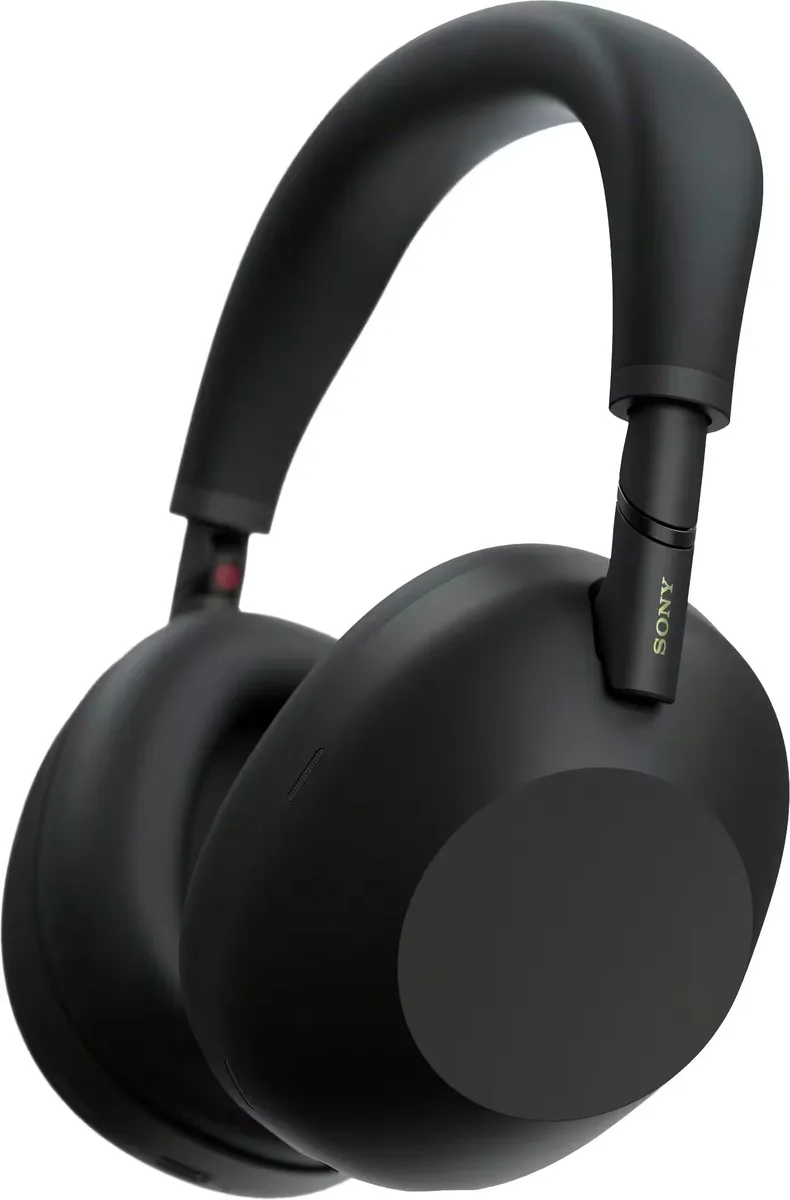
Sony
Over-Ear Headphones
Sony's flagship fixes the XM5's two biggest sins: the folding hinges are back, and the case now closes with a satisfying magnetic clasp instead of a fiddly zipper. The QN3 chip and 12 mics deliver arguably the best ANC you can buy right now, and the wider headband spreads pressure better than the XM5 ever did. Owners' gripes are real, though: the $449 list price stings (thankfully street price has drifted to about $398), 30 hours of battery is now merely average, and running LDAC drains it noticeably faster. The matte finish picks up skin oils, and a few owners report the power button being awkwardly close to the ANC button. No aptX support, as always with Sony. Still, as a total package — sound, ANC, call quality, comfort — this is the one most people should buy.
Best for frequent flyers who want the best all-rounder
Bose
Over-Ear Headphones
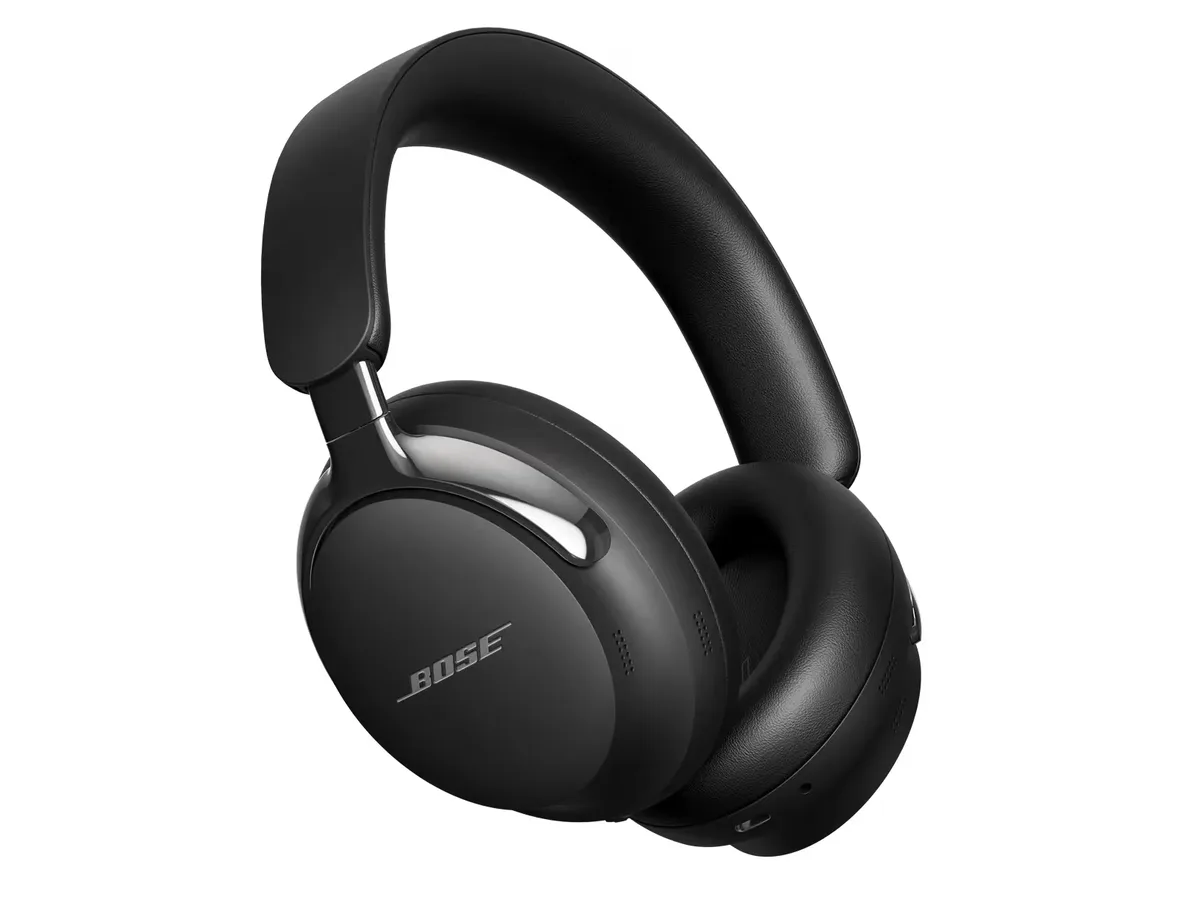
The October 2025 refresh of Bose's flagship trades the first gen's 24-hour battery for a proper 30 hours, adds USB-C lossless audio, and keeps the noise cancellation that trades blows with Sony's XM6 — many owners still call Bose the champ on airplane drone. CustomTune calibrates ANC to your ears every time you put them on, and Immersive Audio is genuinely convincing, though running it drops battery to about 23 hours. The catches owners cite: there's no true 'ANC fully off' mode (Aware or Quiet, always processing), the Bose app remains the flakiest of the big three with occasional firmware-update drama, and the mostly plastic build feels less premium than the $369-449 price suggests. Bass is tuned politely compared to Sony. If long-haul noise floor is your top priority, this is still the safest pick in the category.
Best for travelers who rank ANC above everything else
Apple
Over-Ear Headphones
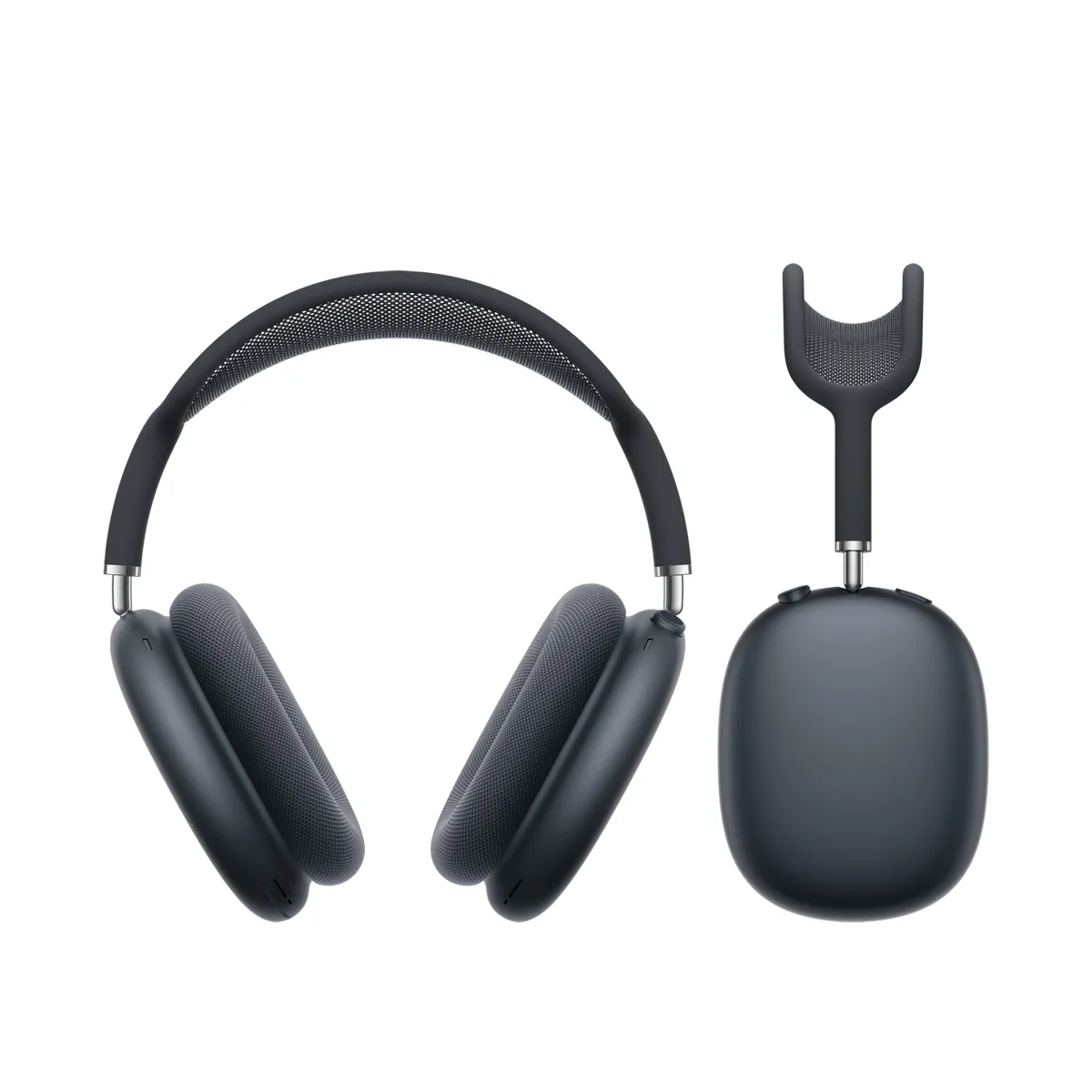
The 2024 refresh swapped Lightning for USB-C, added new colors, and later gained lossless 24-bit/48kHz wired audio via firmware — but underneath it's still the 2020 headphone: H1 chip, Bluetooth 5.0, and the best transparency mode ever shipped. The aluminum build and knitted headband feel worth $549 (street price hovers near $450), and within the Apple ecosystem the auto-switching and Personalized Spatial Audio are magic. The flaws are equally famous: 385g is genuinely heavy for long sessions, there's no power button — just the silly Smart Case — and years of owner reports document condensation forming inside the cups, which has killed drivers out of warranty. Battery is 20 hours, worst of the flagship class, there's no app EQ, and Android users lose nearly everything. Buy it for the ecosystem and transparency, not the spec sheet.
Best for all-Apple households who value build and transparency
Sonos
Over-Ear Headphones
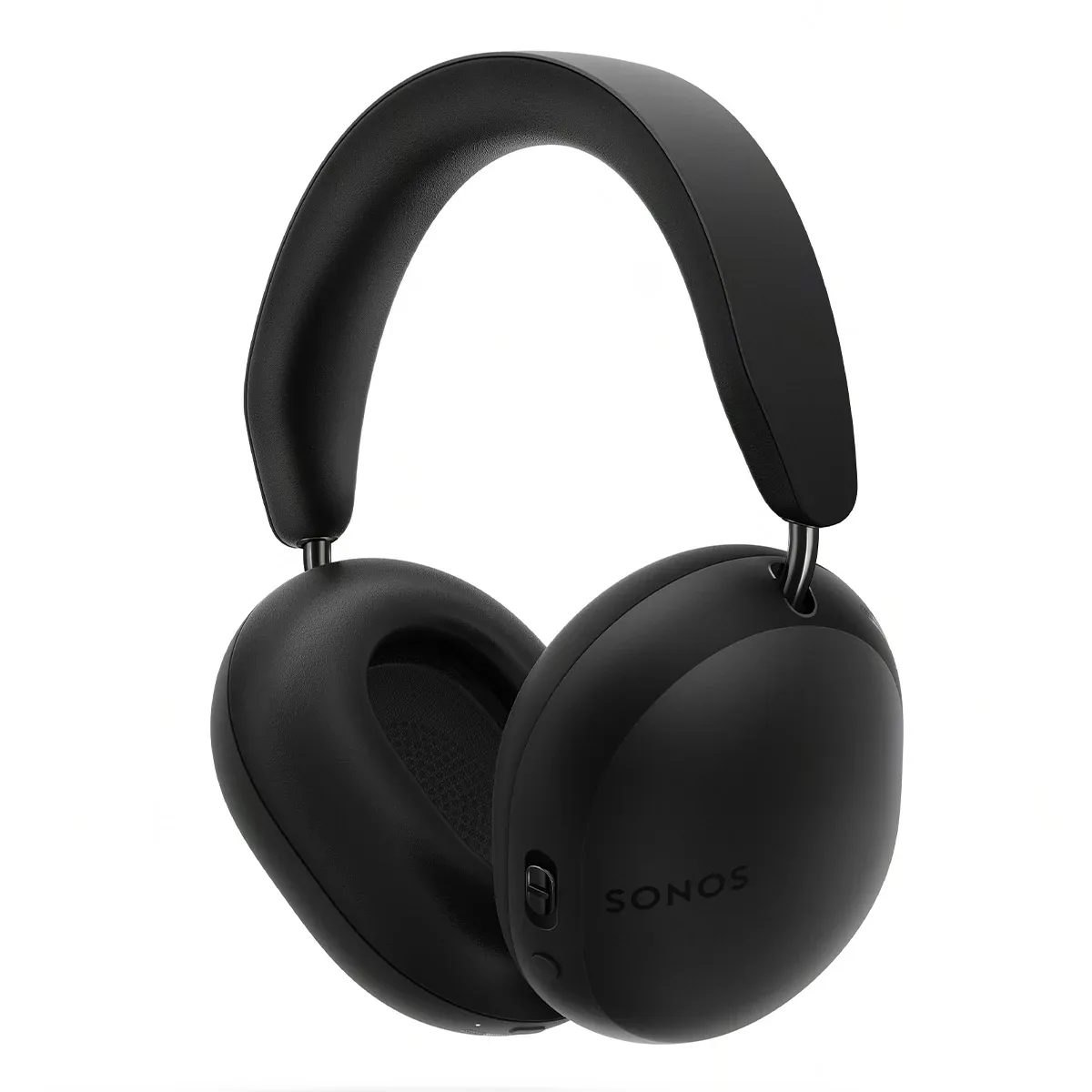
Sonos' first headphone launched at $449 into the middle of the company's app meltdown, and the market never forgave it — which is why it now routinely sells around $279, where it's a legitimately great buy. The build is the class of the field short of AirPods Max: stainless steel, memory foam, and 312g that wears lighter than it sounds. Sound is refined and spacious, aptX Lossless works with Snapdragon phones, and TV Audio Swap — beaming your soundbar's audio to the headphones with Dolby Atmos head tracking — is the killer feature. The catch: Swap requires owning a Sonos Arc, Beam, or Ray, and unlike Sonos speakers it can't join whole-home audio over WiFi. ANC is solid but a tier below Bose and Sony, and the app's reputation still trails the hardware. At street price, easy to recommend.
Best for Sonos soundbar owners and late-night TV watchers
Marshall
Over-Ear Headphones
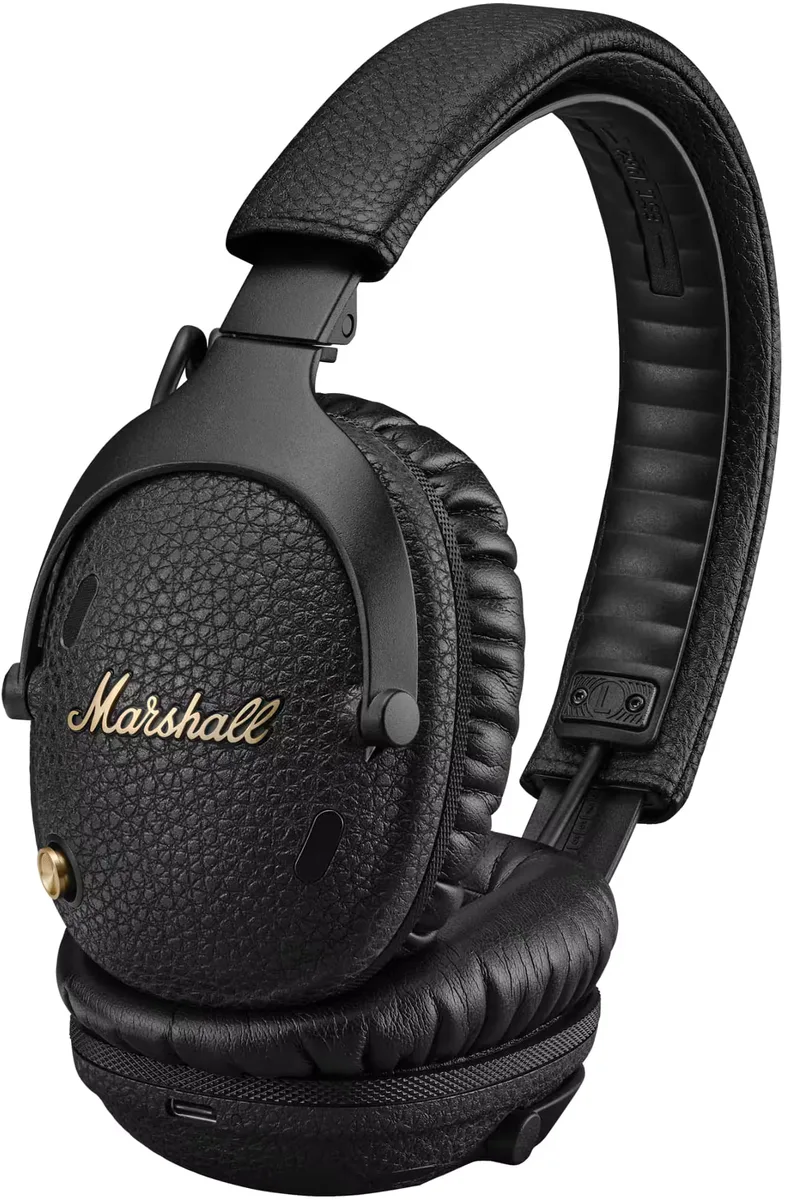
Marshall's flagship is the battery champion of this entire list: 70 hours with ANC on, 100-plus with it off, and a 15-minute charge buys 12 more hours. The vinyl-textured, guitar-amp styling is divisive but distinctive, the brass joystick handles every control without touch-surface guesswork, and at 250g with a folding design it travels well. Owners praise the energetic, rock-friendly tuning — helped by Soundstage spatial audio and a proper app EQ — though the 32mm drivers can sound congested next to the Px7 S3. The honest downsides: ANC is a clear tier below Bose and Sony (fine for offices, modest on planes), codec support is bare-bones SBC/AAC despite the LE Audio-ready Bluetooth 5.3 silicon, and the clamp runs tight for the first weeks. Street price around $250 undercuts the flagships it borrows features from.
Best for style-conscious rock fans who hate charging
Sony
Over-Ear Headphones
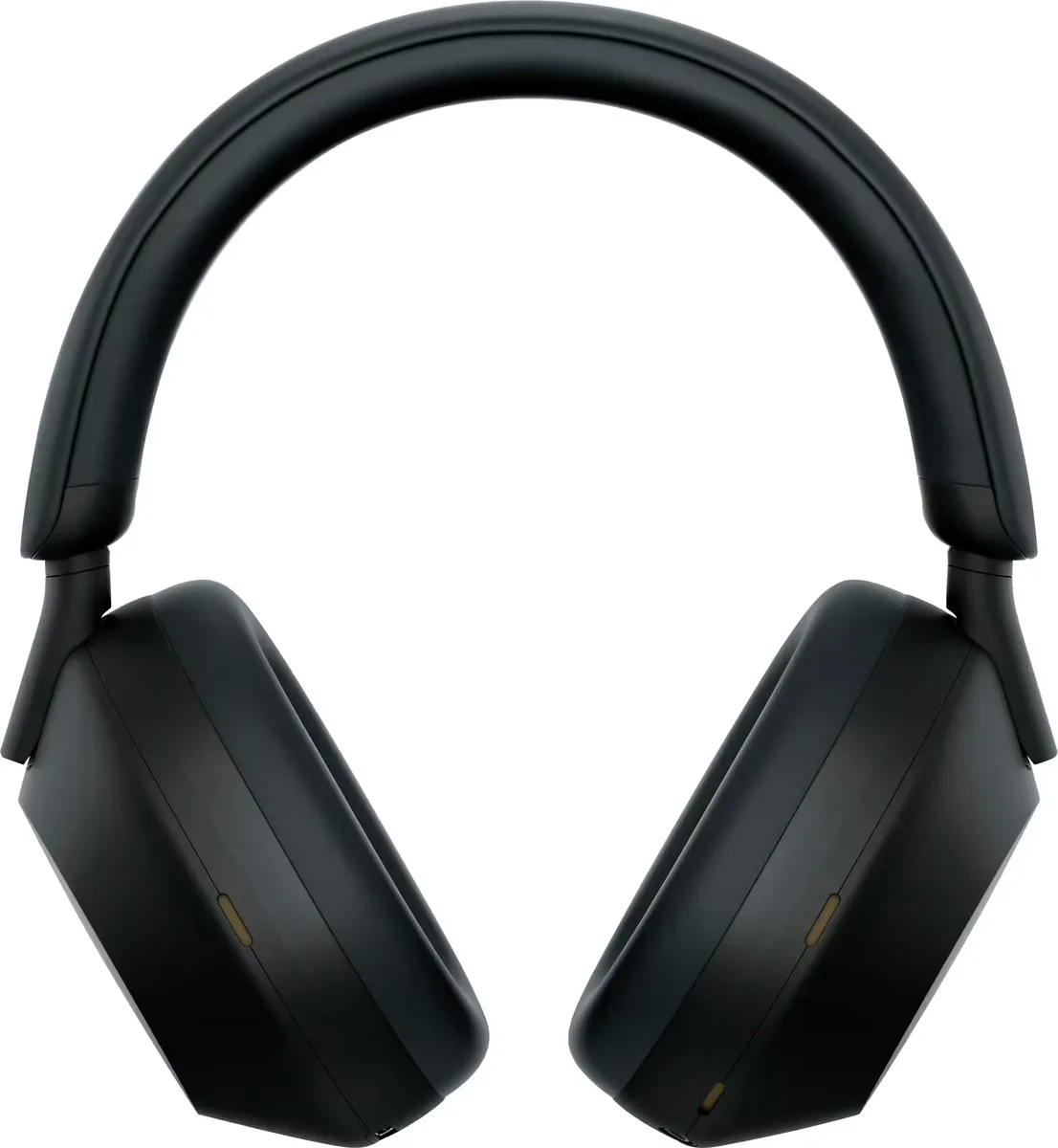
Now that the XM6 exists, the XM5 has become the value play — routinely dipping to around $248 on Amazon, nearly $150 under its original price. The ANC and warm, bass-forward tuning still hold up against anything in this bracket, multipoint works reliably, and at 250g it disappears on your head. But know the ownership record: the non-folding design means a bulky case, and there are widespread reports of the headband stems cracking at the hinge after a year or two — enough that it spawned class-action chatter. Touch controls can misfire in cold or humid weather, and the smooth plastic scuffs easily. If you can live with babying the hinges, this is a lot of flagship for mid-range money; if you're rough on gear, the XM6's return to folding metal hinges is worth the premium.
Best for value hunters who want 90% of the XM6 for less