Marshall
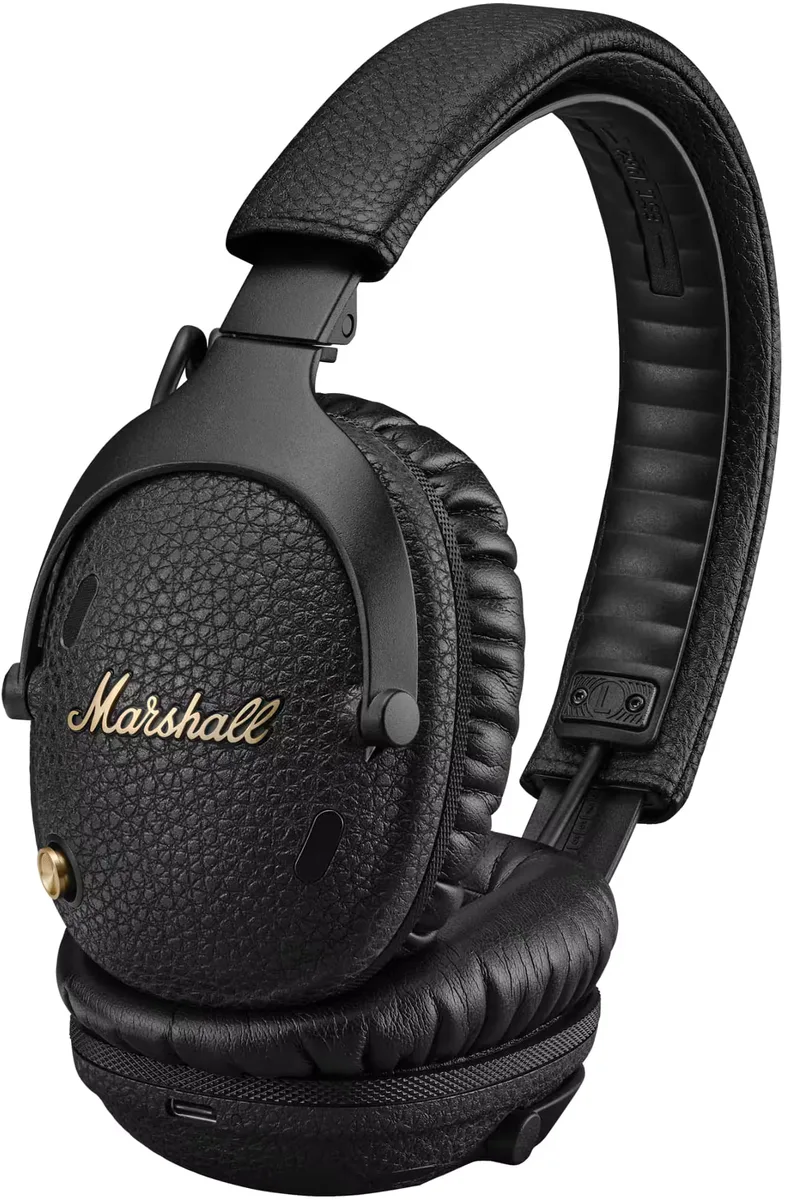
Marshall Monitor III A.N.C.
Marshall's flagship is the battery champion of this entire list: 70 hours with ANC on, 100-plus with it off, and a 15-minute charge buys 12 more hours. The vinyl-textured, guitar-amp styling is divisive but distinctive, the brass joystick handles every control without touch-surface guesswork, and at 250g with a folding design it travels well. Owners praise the energetic, rock-friendly tuning — helped by Soundstage spatial audio and a proper app EQ — though the 32mm drivers can sound congested next to the Px7 S3. The honest downsides: ANC is a clear tier below Bose and Sony (fine for offices, modest on planes), codec support is bare-bones SBC/AAC despite the LE Audio-ready Bluetooth 5.3 silicon, and the clamp runs tight for the first weeks. Street price around $250 undercuts the flagships it borrows features from.
We may earn a commission. Price and availability on Amazon’s site may differ.
Specifications
Highlights
Pros
- ✓70-hour ANC battery — longest of any flagship rival
- ✓15-minute charge buys 12 hours
- ✓Brass joystick handles everything without touch-surface guesswork
- ✓Distinctive guitar-amp styling stands out from black slabs
- ✓250 grams with a folding travel-friendly design
- ✓Energetic rock-friendly tuning with proper app EQ
Cons
- ✗ANC a clear tier below Bose and Sony
- ✗Bare-bones SBC/AAC despite LE Audio-ready Bluetooth 5.3
- ✗32mm drivers sound congested next to the Px7 S3
- ✗Clamp runs tight for the first weeks
- ✗No adaptive ANC or speech detection like rivals offer
Owner Insights(120 discussions)
The Marshall Monitor III A.N.C. is the pick for people who want ANC headphones with personality, and its owner reputation rests on three pillars: absurd battery life, genuine comfort, and the amp-inspired look. The 70-hour (ANC on) endurance is the single most-repeated point in owner discussions — it roughly doubles the Sony WH-1000XM5 — and the Monitor III fixed the clamping, heavy feel that dogged the Monitor II, dropping weight and swapping in much softer cushions.
Day to day, owners describe warm, energetic sound that flatters rock, indie, and acoustic tracks, with a capable in-app EQ for everyone else. The knob-and-button controls draw consistent praise for working every time. The soft spots are equally consistent: ANC is respectable but a clear step behind Sony and Bose, the marquee Soundstage spatial feature mostly adds reverb and gets turned off, the mic is only serviceable for calls, and the frame twists and creaks more than a $250-350 headphone should. Multipoint exists but occasionally hiccups when a second device interrupts.
Buy it if battery life, folding portability, and style rank above maximum noise cancelling — frequent travelers who hate charging love this thing. If ANC strength is the priority, the Sony WH-1000XM5 is the strongest alternative at similar street pricing, with better noise cancelling and call quality but half the battery and no folding. The Bose QuietComfort 45/Ultra wins on cabin-noise silence. Among style-first options, owners generally rate the Monitor III above the similarly priced Marshall Major line and consider it the best headphone Marshall has made.
Pros
- +Class-leading battery is the headline in nearly every owner report — 70 hours with ANC on and around 100 with it off means people genuinely forget when they last charged
- +Dramatically more comfortable than the Monitor II — owners note it dropped to about 250g with much softer, plusher ear cushions that seal well even in long sessions
- +Folds smaller than almost any other ANC over-ear — commuters and travelers say it disappears into a bag in a way the Sony XM5 (which doesn't fold) can't
- +The signature warm, guitar-forward Marshall tuning gets consistent praise from rock and indie listeners, and the app EQ lets you tame or boost it
- +Physical controls done right — the gold multi-directional knob and M-button are repeatedly called out as more reliable than any touch surface
- +The vinyl-and-brass amp styling is a real reason people buy it, and long-term owners say it still looks distinctive where black Sony/Bose sets look generic
- +Multipoint pairing is included, plus wired 3.5mm listening for planes and consoles
- +Passive isolation from the deep pads is strong enough that some owners leave ANC off entirely to ride the 100-hour battery
Cons
- −ANC is only mid-tier — owners comparing directly say it clearly trails the Sony XM5/XM6 and Bose QuietComfort Ultra on voices and cabin noise, which stings at this price
- −The Soundstage spatial mode disappoints most people who try it — the consensus is it mainly adds reverb rather than real width, and many switch it off
- −Build has some flex and twist to it — the frame can feel creaky and less solid than the price suggests, even though it survives daily use fine
- −Mic quality on calls is average at best — fine for a quick call, but not something owners trust for daily meetings
- −Multipoint can be flaky — some owners report brief audio dropouts when a second connected device pings
- −No wear detection or auto-pause, and no water/sweat resistance rating
- −The out-of-box tuning is unapologetically bass-and-mids warm — listeners wanting neutral reference sound need to spend time in the EQ or look elsewhere
- −No USB-C audio — the port charges only, so wired listening means the 3.5mm cable
Common Questions
Compare the Marshall Monitor III A.N.C.
Related headphones
More from Marshall →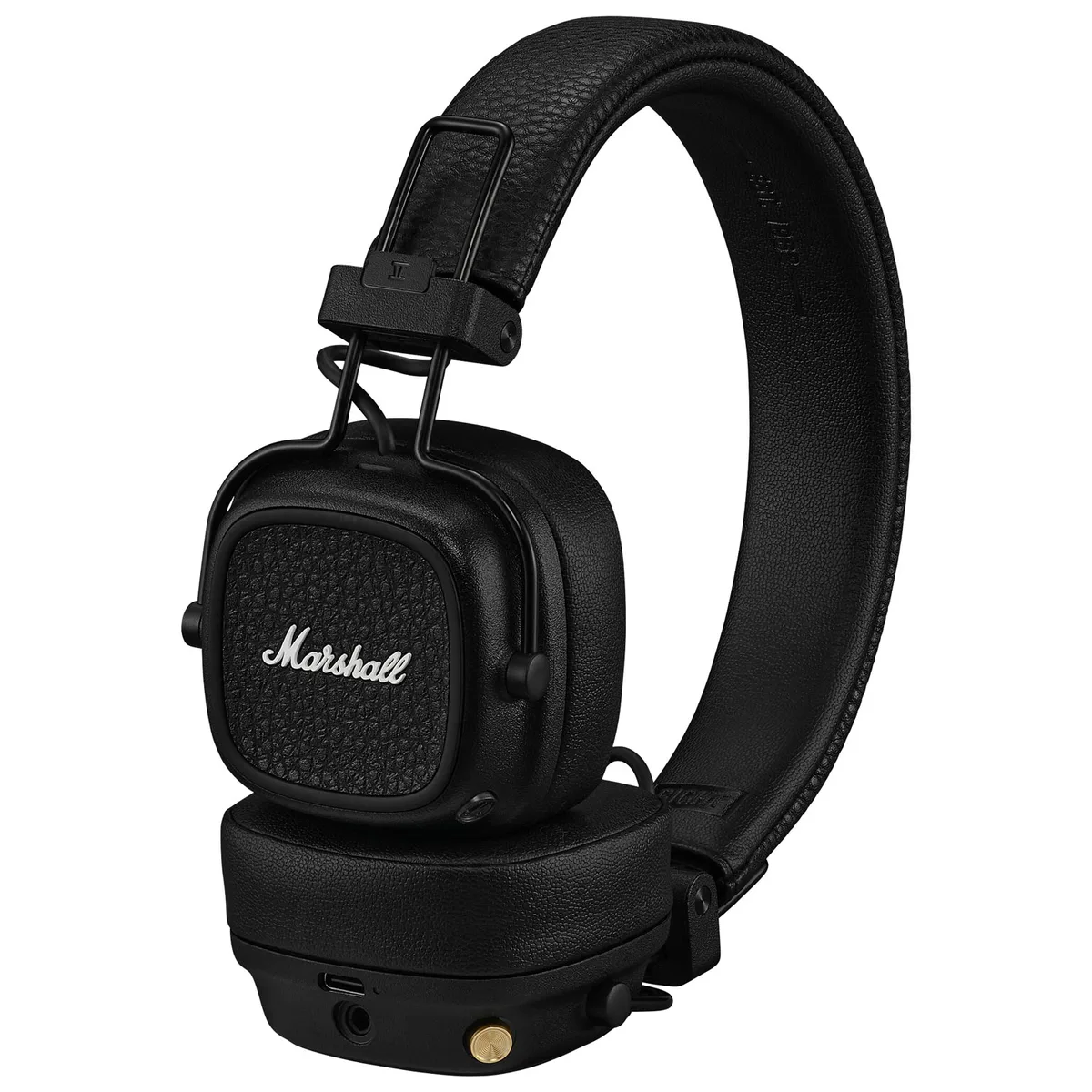
Marshall
On-Ear Headphones
The headline is the battery: 100+ hours of playtime, which in practice means charging these once or twice a month, and a 15-minute charge buys 15 hours when you forget. Nothing else near this price comes close. The rest is classic Marshall — vinyl-textured folding frame, brass-accented control knob, and the signature rock tuning from 40mm drivers: thunderous bass, forward treble, very fun and very much not neutral, though the app's EQ can tame it. You also get genuinely modern connectivity for the money: Bluetooth 5.3 with multipoint, LE Audio and Auracast readiness with the LC3 codec, wireless charging (rare at any price in headphones), and a 3.5mm jack that can even share audio out to a friend. The honest caveats are inherent to on-ears: the cups press on your ears rather than around them, and while the V's plusher pads are a real improvement over the Major IV, some owners still find long sessions fatiguing — this is the on-ear trade-off, not a Marshall defect, but know yourself before buying. There's no ANC and no official water resistance, and above half volume these leak enough that your neighbors will know your taste in music. For commuters who want week-long battery, a compact fold-up frame, and some rock-and-roll attitude, it's an easy recommendation.
Best for commuters who never want to think about charging
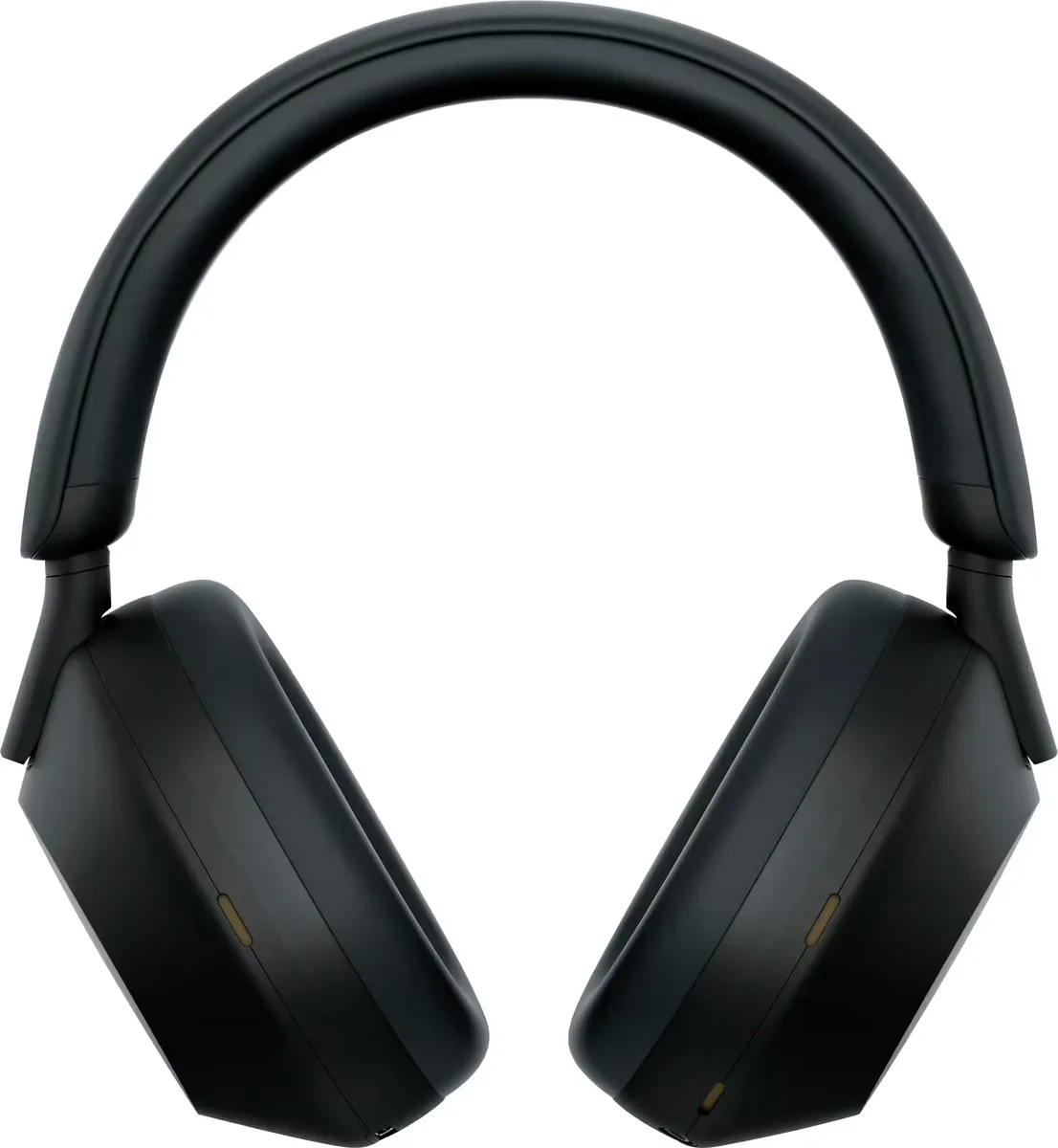
Sony
Over-Ear Headphones
Now that the XM6 exists, the XM5 has become the value play — routinely dipping to around $248 on Amazon, nearly $150 under its original price. The ANC and warm, bass-forward tuning still hold up against anything in this bracket, multipoint works reliably, and at 250g it disappears on your head. But know the ownership record: the non-folding design means a bulky case, and there are widespread reports of the headband stems cracking at the hinge after a year or two — enough that it spawned class-action chatter. Touch controls can misfire in cold or humid weather, and the smooth plastic scuffs easily. If you can live with babying the hinges, this is a lot of flagship for mid-range money; if you're rough on gear, the XM6's return to folding metal hinges is worth the premium.
Best for value hunters who want 90% of the XM6 for less
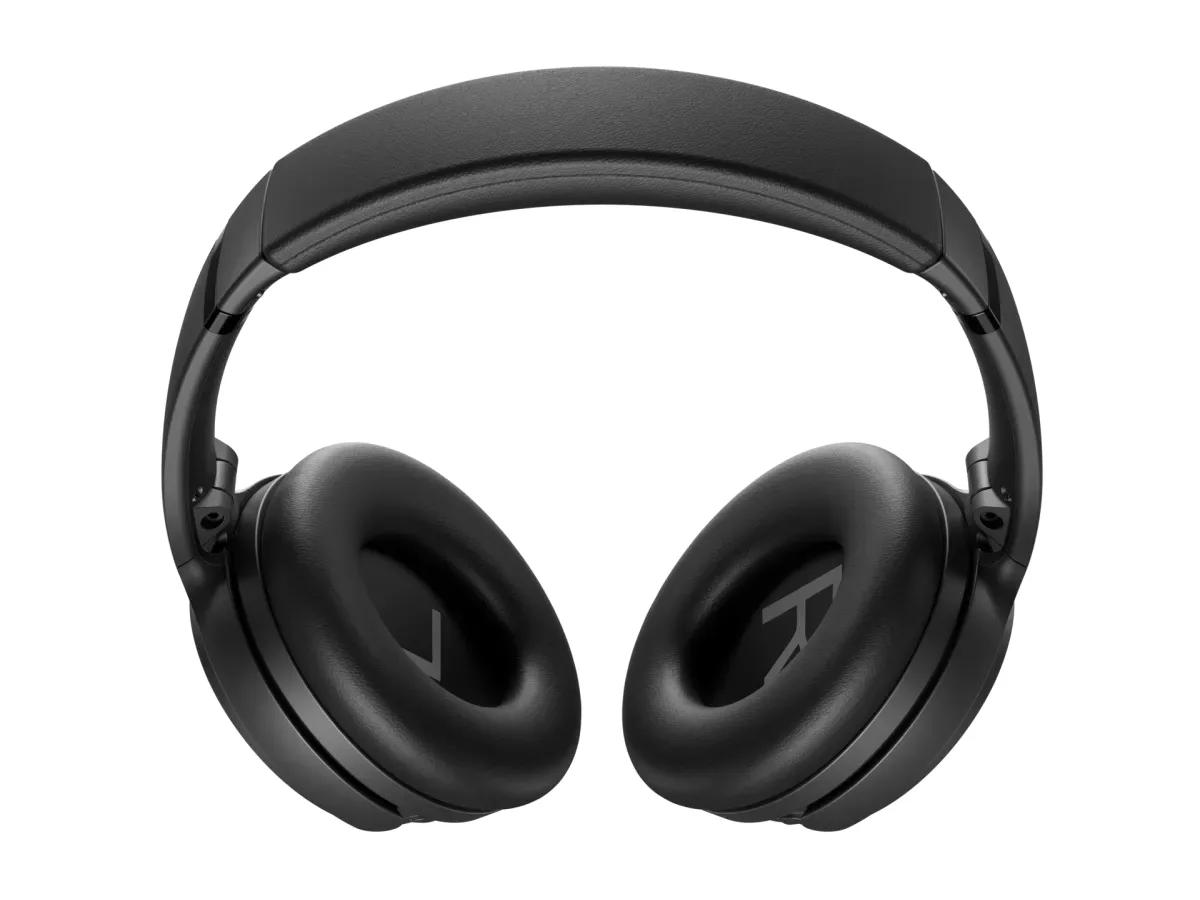
Bose
Over-Ear Headphones
This is the QC45's successor and the sensible Bose: physical buttons instead of touch surfaces, a design that folds flat and small, 240g of legacy QuietComfort comfort, and about 90% of the Ultra's noise cancellation for roughly $229 on sale (from a $349 list). Owners love that it just works — clicky buttons you can find with gloves on, adjustable ANC modes, and a 3.5mm jack for airplane systems. What you give up versus the Ultra line: no Immersive Audio, no aptX (SBC/AAC only), Bluetooth 5.1, and a plasticky build that creaks a little if you flex it. The 24-hour battery is fine but behind the pack, and the sound is classic polite Bose — smooth, a bit soft in the treble, helped by the app's simple 3-band EQ. A boring, excellent commuter headphone.
Best for commuters who want simple, proven ANC
Sonos
Over-Ear Headphones
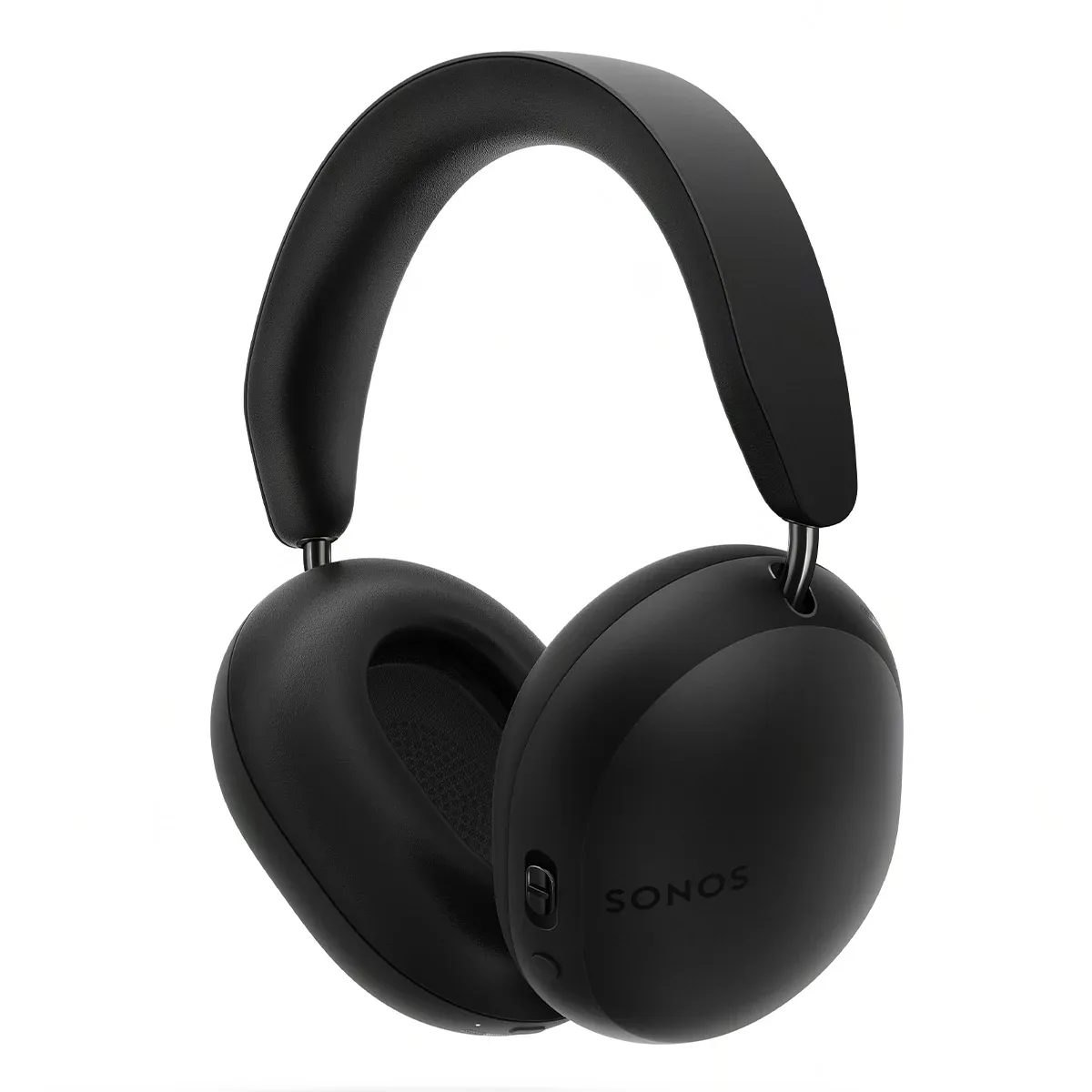
Sonos' first headphone launched at $449 into the middle of the company's app meltdown, and the market never forgave it — which is why it now routinely sells around $279, where it's a legitimately great buy. The build is the class of the field short of AirPods Max: stainless steel, memory foam, and 312g that wears lighter than it sounds. Sound is refined and spacious, aptX Lossless works with Snapdragon phones, and TV Audio Swap — beaming your soundbar's audio to the headphones with Dolby Atmos head tracking — is the killer feature. The catch: Swap requires owning a Sonos Arc, Beam, or Ray, and unlike Sonos speakers it can't join whole-home audio over WiFi. ANC is solid but a tier below Bose and Sony, and the app's reputation still trails the hardware. At street price, easy to recommend.
Best for Sonos soundbar owners and late-night TV watchers
Sennheiser
Over-Ear Headphones
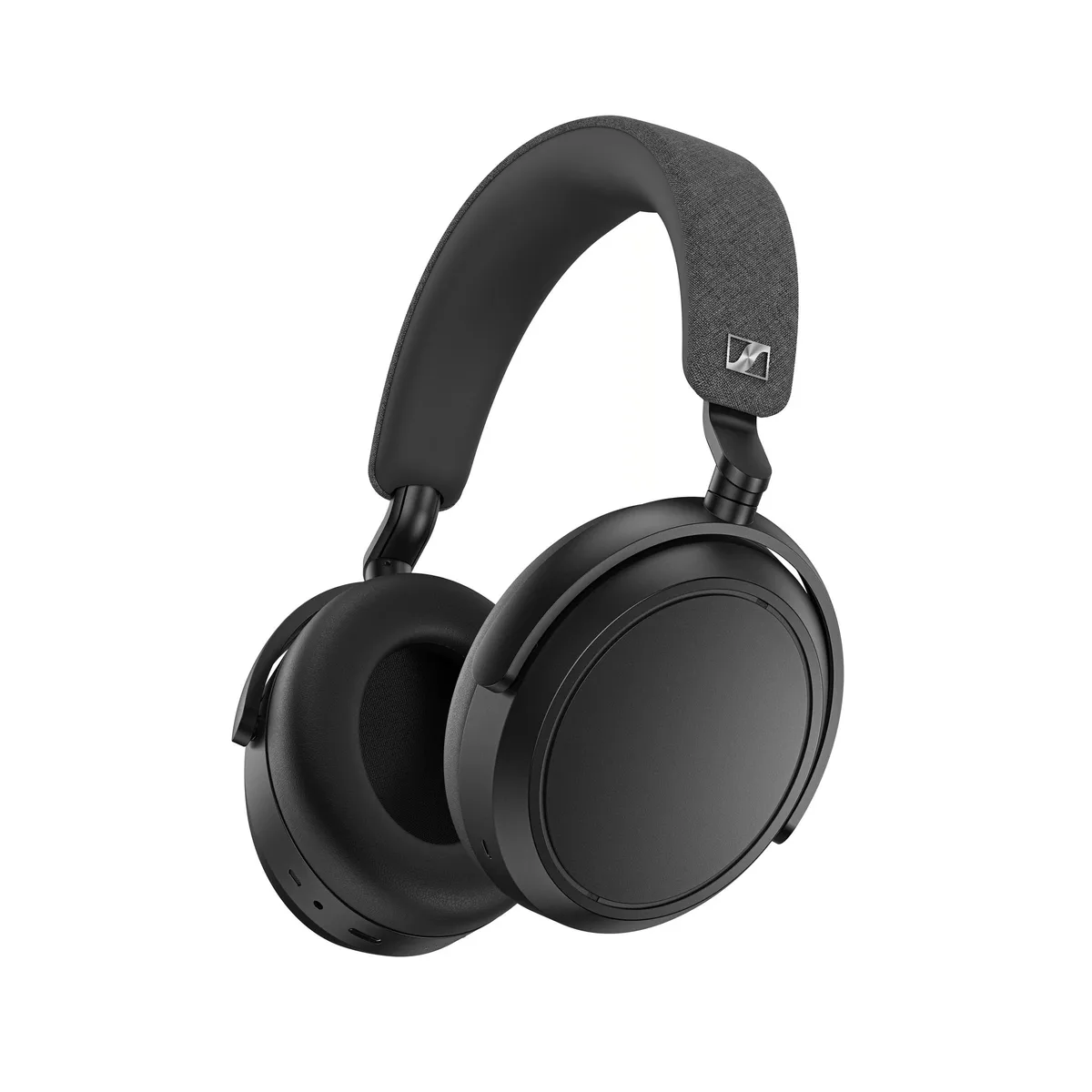
The Momentum 4's headline stat remains unbeaten in the flagship class: 60 hours of battery with ANC on — double Sony and Bose — plus 6 more hours from a 10-minute top-up. Owners consistently rate the sound among the best of any wireless over-ear: big 42mm drivers, a rich but detailed tuning, and a genuinely useful parametric-style EQ in the Smart Control app. Street price around $220 makes it a steal. The trade-offs are well documented: adaptive ANC is a clear step behind Bose and the XM6, the all-touch control scheme misfires often enough that many owners disable auto-pause, wind noise pickup is bad on calls, and the anonymous design abandoned the old Momentum's retro charm. Some units also drain battery in standby until you toggle auto-off in the app. If sound-per-dollar and battery matter most, this is the pick.
Best for long-haul listeners who prioritize sound and stamina
Audio-Technica
Over-Ear Headphones
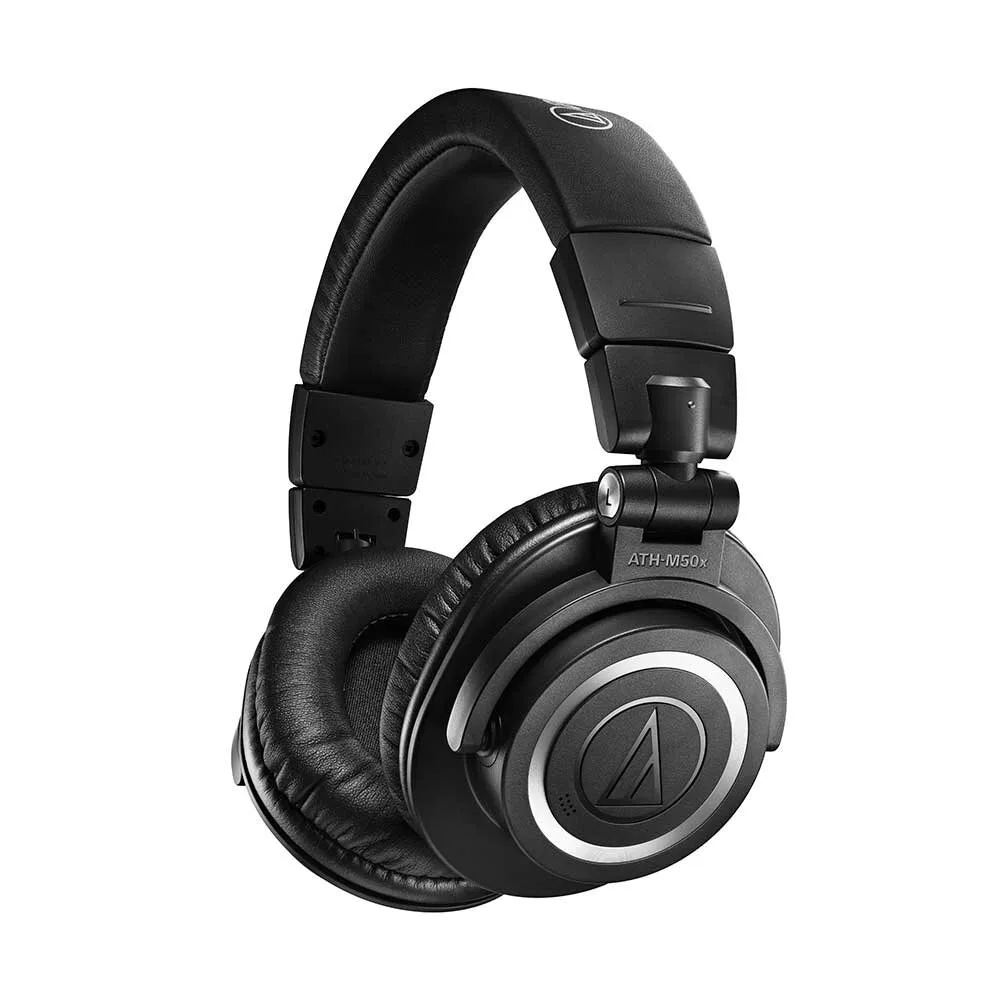
This is the wireless version of the ATH-M50x, the studio monitor half the internet learned to mix on, and it makes almost none of the concessions wireless headphones usually make to mainstream taste. The 45mm drivers keep the M50x's flat-leaning, detail-first tuning — tight bass, honest mids, no smiley-face hype — and LDAC support means Android users get genuinely hi-res wireless playback. Battery is a huge 50 hours with a 10-minute charge worth 3, and owners with years on Audio-Technica builds vouch for the durability: the folding metal-reinforced design takes abuse, and detachable cables (plus a mic-equipped one for calls) keep them alive long-term. What you give up versus similarly priced consumer flagships is the entire convenience stack — no ANC, no transparency mode, no wear detection, and while multipoint technically works across two devices, owners note the handoff needs a manual pause rather than switching seamlessly. The physical buttons are old-school but reliable, and the A-T Connect app adds an EQ and a low-latency mode for video. Call quality through the beamforming mics is fine indoors and mediocre in noise. Buy these if you want reference-style sound and week-long battery in a tank of a headphone; buy a Sony or Bose instead if silence on a plane matters more than accuracy.
Best for Accuracy-first listeners who don't need ANC