Audio-Technica
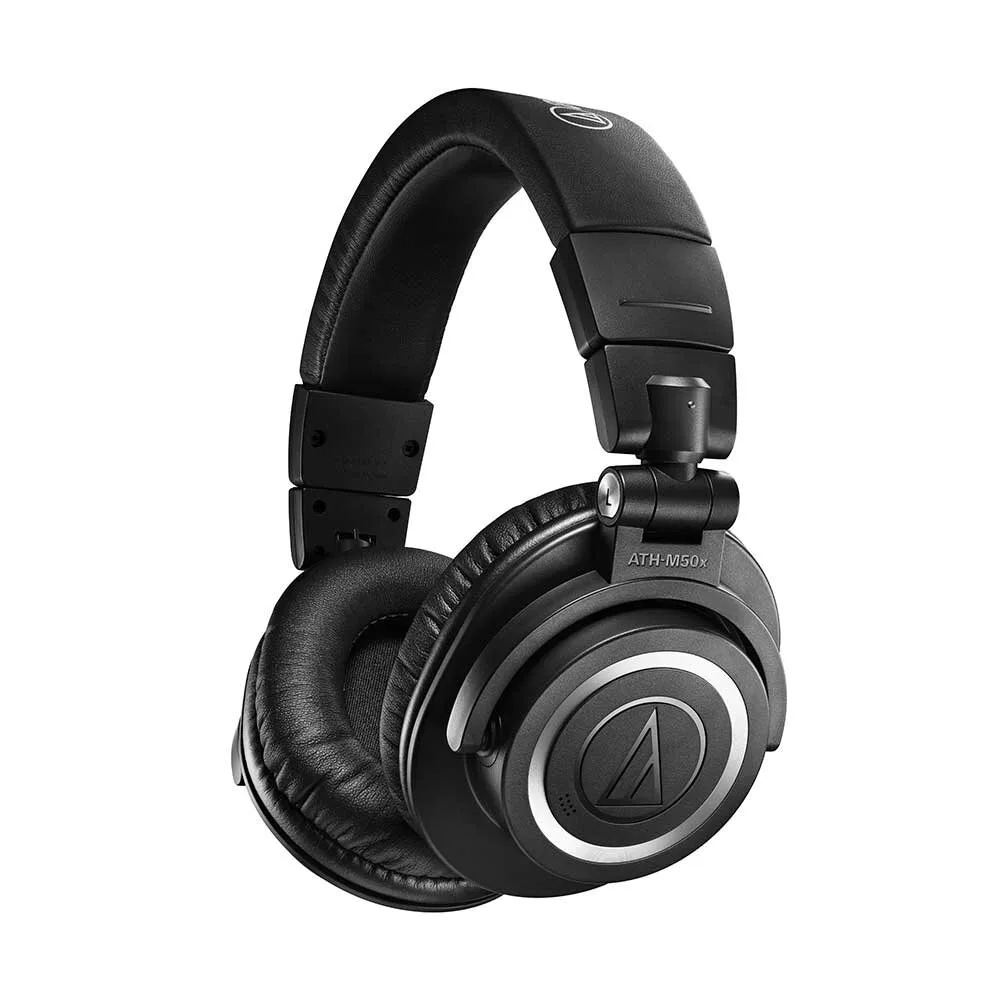
Audio-Technica ATH-M50xBT2
This is the wireless version of the ATH-M50x, the studio monitor half the internet learned to mix on, and it makes almost none of the concessions wireless headphones usually make to mainstream taste. The 45mm drivers keep the M50x's flat-leaning, detail-first tuning — tight bass, honest mids, no smiley-face hype — and LDAC support means Android users get genuinely hi-res wireless playback. Battery is a huge 50 hours with a 10-minute charge worth 3, and owners with years on Audio-Technica builds vouch for the durability: the folding metal-reinforced design takes abuse, and detachable cables (plus a mic-equipped one for calls) keep them alive long-term. What you give up versus similarly priced consumer flagships is the entire convenience stack — no ANC, no transparency mode, no wear detection, and while multipoint technically works across two devices, owners note the handoff needs a manual pause rather than switching seamlessly. The physical buttons are old-school but reliable, and the A-T Connect app adds an EQ and a low-latency mode for video. Call quality through the beamforming mics is fine indoors and mediocre in noise. Buy these if you want reference-style sound and week-long battery in a tank of a headphone; buy a Sony or Bose instead if silence on a plane matters more than accuracy.
We may earn a commission. Price and availability on Amazon’s site may differ.
Specifications
Highlights
Pros
- ✓Flat-leaning, detail-rich M50x tuning that beats consumer rivals on accuracy
- ✓50 hr battery with 10 min = 3 hr rapid charge over USB-C
- ✓LDAC hi-res codec alongside AAC and SBC
- ✓Proven long-term durability with folding, swiveling metal-reinforced build
- ✓Detachable cables including a mic cable for wired listening
- ✓A-T Connect app adds EQ and a low-latency mode for video
- ✓Multipoint pairing across two devices
Cons
- ✗No ANC or transparency mode at a price where both are standard
- ✗Multipoint switching requires manually pausing the first device
- ✗Heavier 307g build with a firm studio-style clamp
- ✗Call mics struggle to reject background noise outdoors
- ✗Flat tuning can feel bass-light to listeners raised on Sony/JBL
Owner Insights(900 discussions)
The M50xBT2 is the wireless version of the studio monitor half the internet learned on, and its owners are a self-selecting bunch: people who want accurate, detail-first sound and zero interest in the consumer convenience arms race. On that brief, sentiment is glowing — the tight bass and honest mids survive the wireless conversion intact, LDAC feeds Android phones properly, the 50-hour battery overdelivers, and the metal-reinforced folding build carries Audio-Technica's reputation for surviving five-plus years of daily abuse. Detachable cables and cheap replaceable pads mean these tend to be the last 'budget-flagship' headphone people re-buy pads for rather than replace.
The living-with-it realities are equally consistent. The studio-grade clamp is firm — glasses wearers and bigger heads report ear and temple pressure inside two hours until break-in — and the stock pleather pads compress quickly and run sweaty, which is why aftermarket pad swaps are near-universal among long-term owners. There's no ANC, no transparency, no wear detection; multipoint exists but hands off less gracefully than consumer sets. The Connect app is thin, and its EQ doesn't function over AAC, leaving iPhone users with the stock tuning — good, but take-it-or-leave-it.
Buy the M50xBT2 if sound accuracy and decade-scale durability are the priorities — for musicians, editors, and detail listeners it has no direct rival at $199, and owners say the WH-1000XM4 at the same street price sounds noticeably more colored despite its superior feature list. Buy the XM4 (or Sony ULT Wear) instead if ANC, app depth, or commuter convenience matter; the honest owner framing is that these solve opposite problems at the same price.
Pros
- +The M50x studio sound, untethered — tight bass, honest mids, detail-first tuning with none of the smiley-face hype consumer flagships apply
- +LDAC gives Android users genuine hi-res wireless playback, rare outside Sony at this price
- +50-hour battery is real and owners frequently report exceeding it at moderate volume
- +Legendary Audio-Technica durability — the metal-reinforced folding frame shrugs off years of bag abuse, and long-term owners routinely report 5+ years of service
- +Detachable cables (including a mic-equipped one) plus replaceable pads make it one of the most repairable, longest-lived wireless headphones
- +Physical buttons that just work — no touch-surface misfires, and the dedicated volume rocker draws owner praise
- +Isolates well passively despite no ANC — the sealed studio cups block a surprising amount of office chatter
Cons
- −Firm studio clamp is the top complaint — pressure behind the ears and temple ache after 90-120 minutes for glasses wearers and larger heads until it breaks in
- −Stock pleather pads compress within 100-150 hours of use and get sweaty — an aftermarket pad swap ($22-35) is practically a rite of passage
- −No ANC, no transparency mode, no wear detection — the entire modern convenience stack is absent at a $199 price where rivals include it all
- −Multipoint works but handoff is clunkier than consumer rivals — owners describe manual pausing and occasional wrong-device audio
- −The A-T Connect app is bare-bones, and its EQ doesn't apply over AAC — iPhone users effectively get no EQ at all
- −At 307g it's heavier than most wireless rivals, which compounds the clamp on long sessions
- −The analytical tuning reads as thin or bright to listeners raised on bass-forward consumer sound
- −Mic on calls is serviceable indoors but unimpressive — it's a music tool, not a meetings headset
Common Questions
Compare the Audio-Technica ATH-M50xBT2
Related headphones
More from Audio-Technica →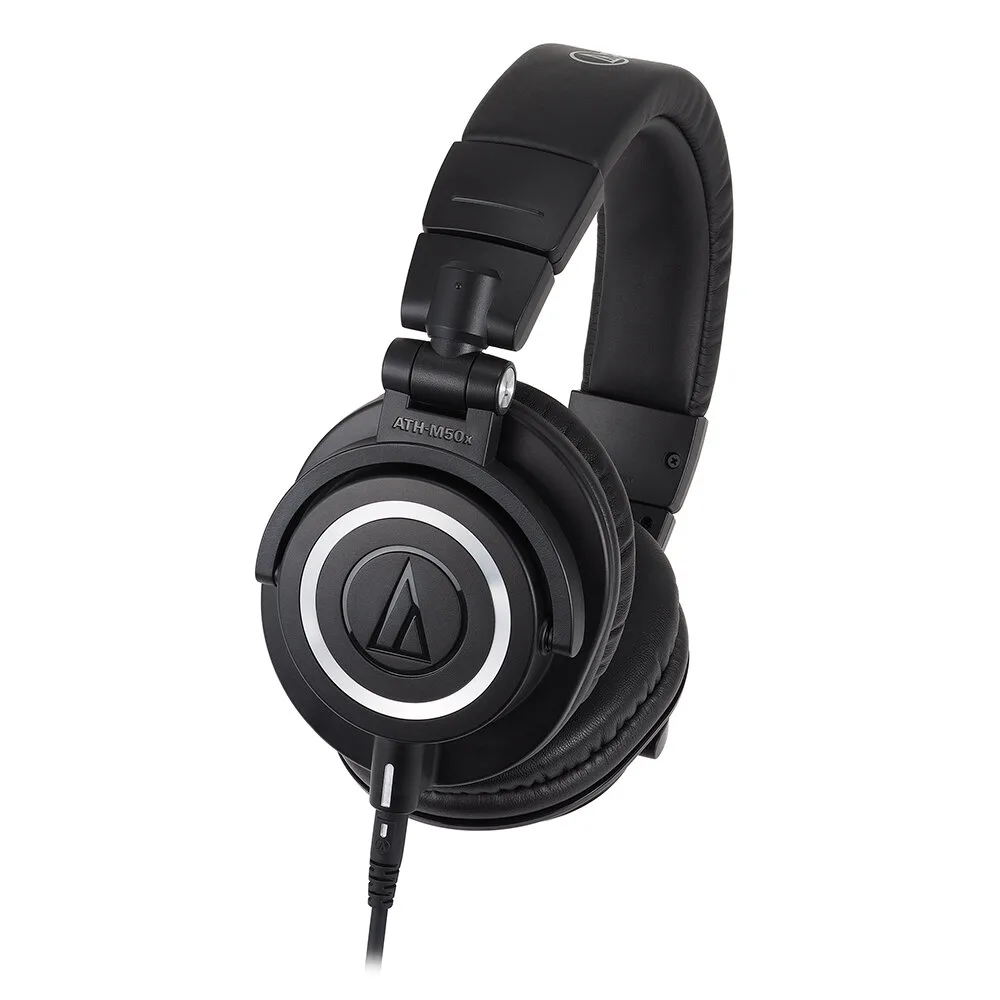
Audio-Technica
Wired & Studio
The M50x has been the default first studio headphone recommendation for over a decade, and it mostly earns it. At 38 ohms and 99dB sensitivity it runs happily from a phone dongle or laptop — no amp needed. The tuning is punchy rather than flat: a mid-bass bump and forward treble that flatter hip-hop and electronic more than they serve critical mixing. What owners actually rave about is the build — these fold flat, shrug off years of backpack abuse, and take three detachable cables. The coiled cable is the classic complaint: it's heavy enough to tug on your head, so most people live on the straight ones. The pleather earpads run hot, clamp firmly on larger heads, and start flaking around year two or three; replacements are cheap and considered routine maintenance by long-term owners.
Best for first serious studio headphone buyers
Sony
Over-Ear Headphones
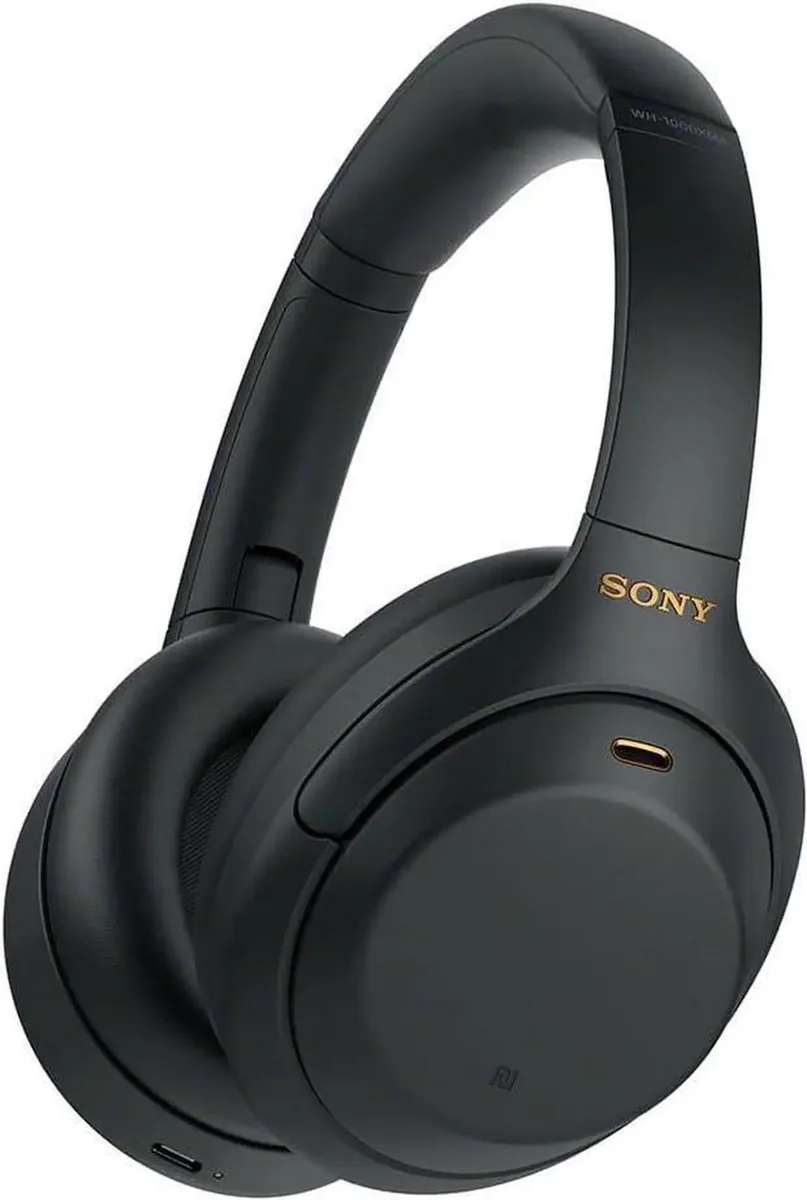
The XM4 launched in 2020, has been succeeded twice — the WH-1000XM5 and XM6 are both in our catalog — and Sony still sells it new in volume, because at its current ~$200 street price it delivers most of the flagship experience for a lot less money. The ANC remains excellent by any standard short of its own successors, the warm, bass-tilted tuning responds beautifully to the app's EQ, and it folds into a compact hard case — something the XM5 gave up. You get the full Sony feature stack: LDAC, multipoint, wear detection, Speak-to-Chat, 360 Reality Audio, and a 30-hour battery with a 10-minute charge worth 5 hours. Long-term owners surface real caveats, though: the plastic headband and earcup yokes are a known failure point after a couple of years, some units develop charging or mic faults out of warranty, and LDAC and multipoint remain mutually exclusive — pick one in the app. Mic quality on calls was always the XM4's weak spot and hasn't aged well against newer rivals. Five years of firmware maturity means the software is stable, and the touch controls still work well. Buy it as the value play in Sony's lineup: 90% of the XM5 for roughly 60% of the price — just don't pay more than about $250, because at that point the newer models are within reach.
Best for Value hunters who want 90% of Sony's flagship for less
Sennheiser
Over-Ear Headphones
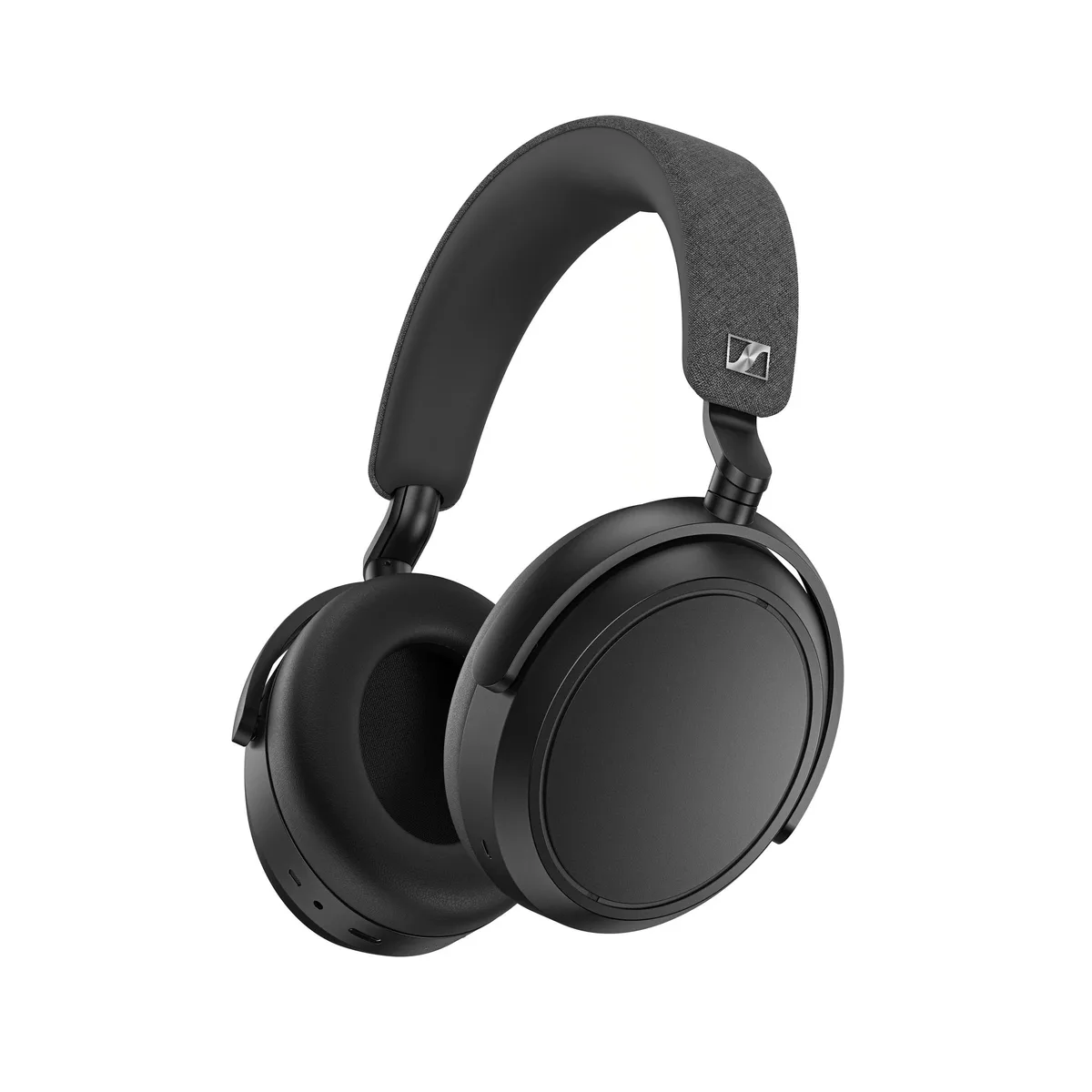
The Momentum 4's headline stat remains unbeaten in the flagship class: 60 hours of battery with ANC on — double Sony and Bose — plus 6 more hours from a 10-minute top-up. Owners consistently rate the sound among the best of any wireless over-ear: big 42mm drivers, a rich but detailed tuning, and a genuinely useful parametric-style EQ in the Smart Control app. Street price around $220 makes it a steal. The trade-offs are well documented: adaptive ANC is a clear step behind Bose and the XM6, the all-touch control scheme misfires often enough that many owners disable auto-pause, wind noise pickup is bad on calls, and the anonymous design abandoned the old Momentum's retro charm. Some units also drain battery in standby until you toggle auto-off in the app. If sound-per-dollar and battery matter most, this is the pick.
Best for long-haul listeners who prioritize sound and stamina
Beats
Over-Ear Headphones
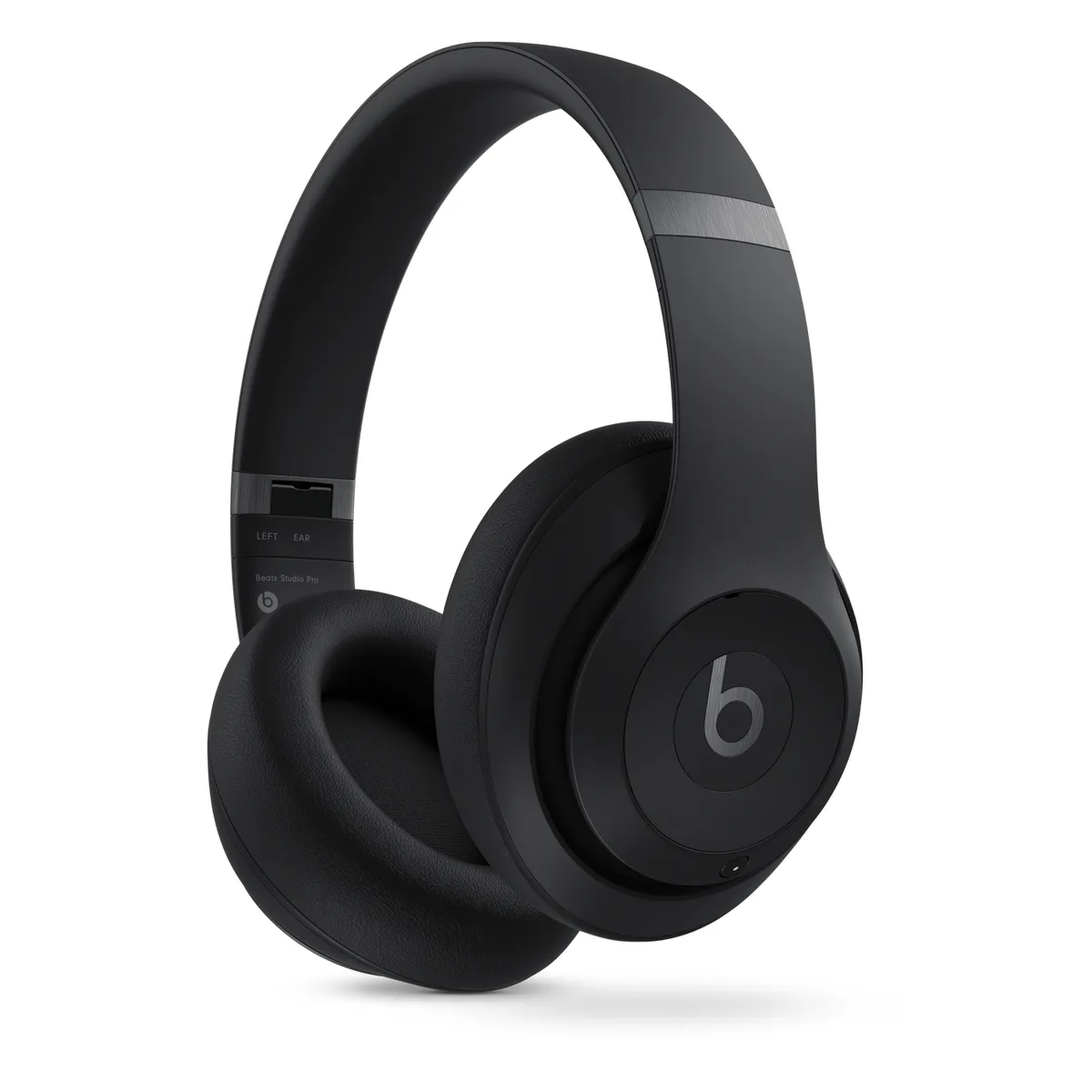
At its $349 list price the Studio Pro was a hard sell; at the $170 it now regularly hits on Amazon — clearance pricing as a successor looms — it's one of the best deals in ANC headphones. The custom 40mm drivers are far better tuned than old Beats, the USB-C port doubles as a lossless DAC with three sound profiles, and it's the rare headphone with first-class features on both iOS (one-tap pairing, Personalized Spatial Audio, Find My) and Android (Fast Pair, Google Find Hub). The corners cut are obvious in daily use: no wear detection, no multipoint, no user EQ, and the design is unchanged 2017 plastic with a headband that transmits clamp to the top of your head. Ear cushions aren't user-replaceable and the pleather runs sweaty. Fine trade-offs at this price.
Best for budget shoppers splitting time between iPhone and Android
Bose
Over-Ear Headphones
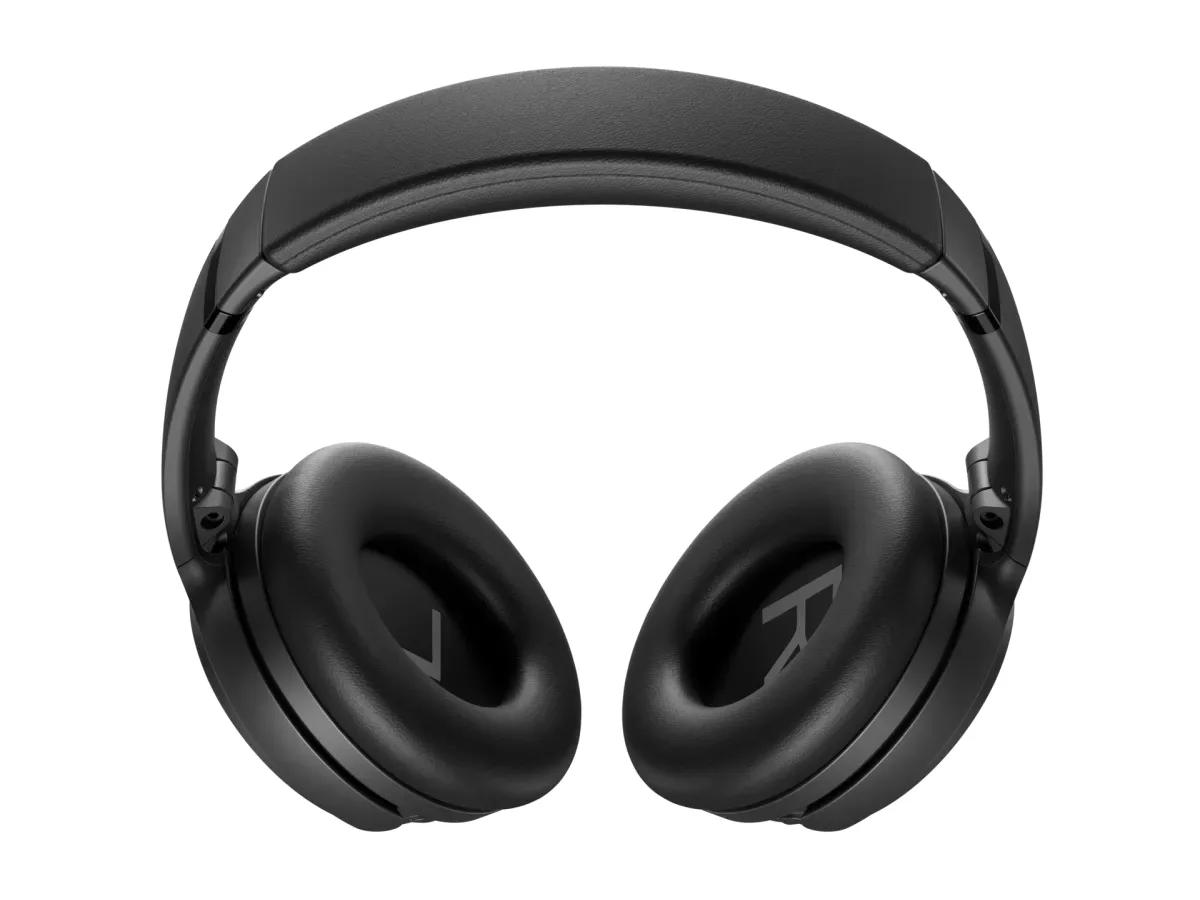
This is the QC45's successor and the sensible Bose: physical buttons instead of touch surfaces, a design that folds flat and small, 240g of legacy QuietComfort comfort, and about 90% of the Ultra's noise cancellation for roughly $229 on sale (from a $349 list). Owners love that it just works — clicky buttons you can find with gloves on, adjustable ANC modes, and a 3.5mm jack for airplane systems. What you give up versus the Ultra line: no Immersive Audio, no aptX (SBC/AAC only), Bluetooth 5.1, and a plasticky build that creaks a little if you flex it. The 24-hour battery is fine but behind the pack, and the sound is classic polite Bose — smooth, a bit soft in the treble, helped by the app's simple 3-band EQ. A boring, excellent commuter headphone.
Best for commuters who want simple, proven ANC
Sony
Over-Ear Headphones
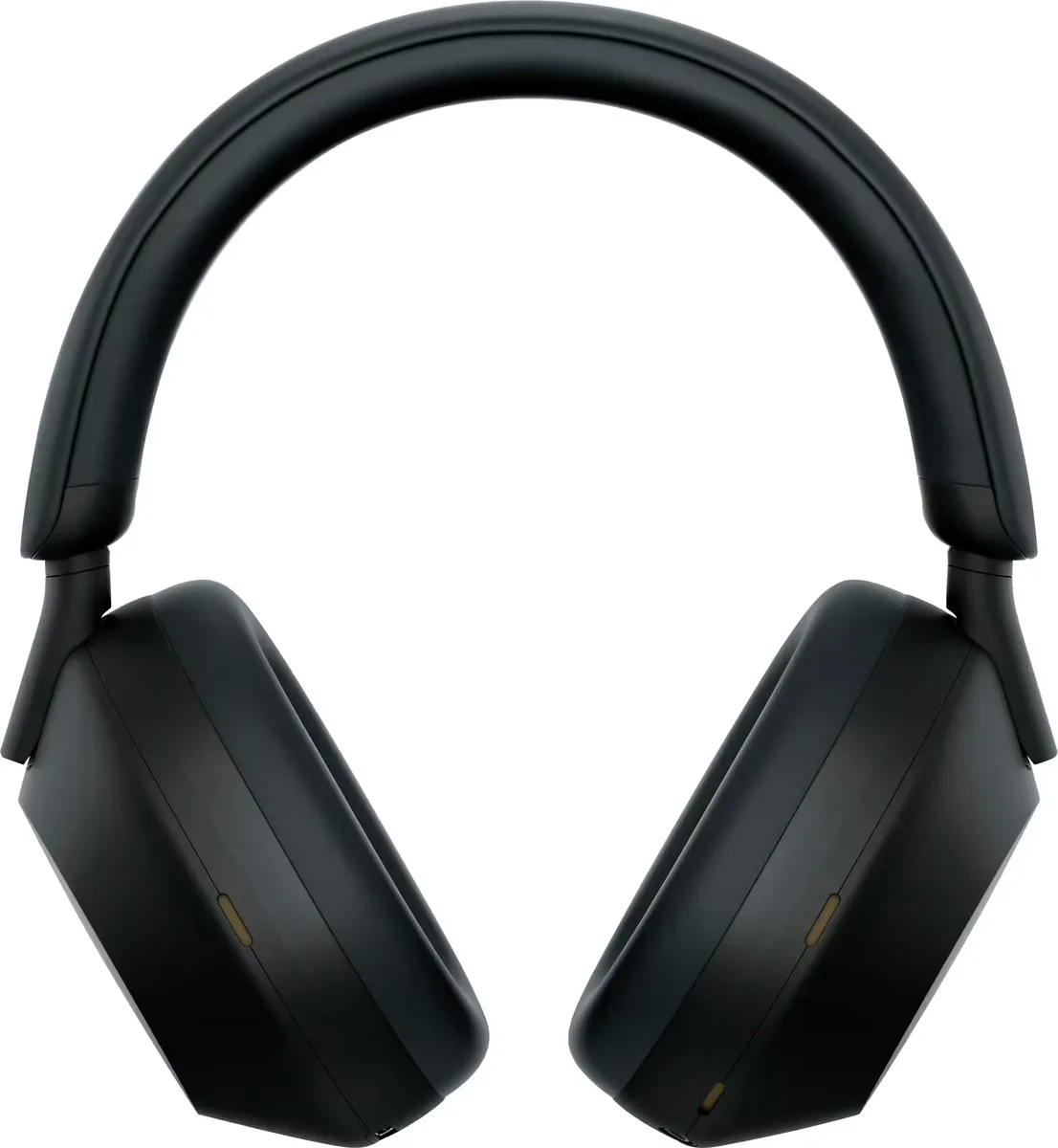
Now that the XM6 exists, the XM5 has become the value play — routinely dipping to around $248 on Amazon, nearly $150 under its original price. The ANC and warm, bass-forward tuning still hold up against anything in this bracket, multipoint works reliably, and at 250g it disappears on your head. But know the ownership record: the non-folding design means a bulky case, and there are widespread reports of the headband stems cracking at the hinge after a year or two — enough that it spawned class-action chatter. Touch controls can misfire in cold or humid weather, and the smooth plastic scuffs easily. If you can live with babying the hinges, this is a lot of flagship for mid-range money; if you're rough on gear, the XM6's return to folding metal hinges is worth the premium.
Best for value hunters who want 90% of the XM6 for less