Apple
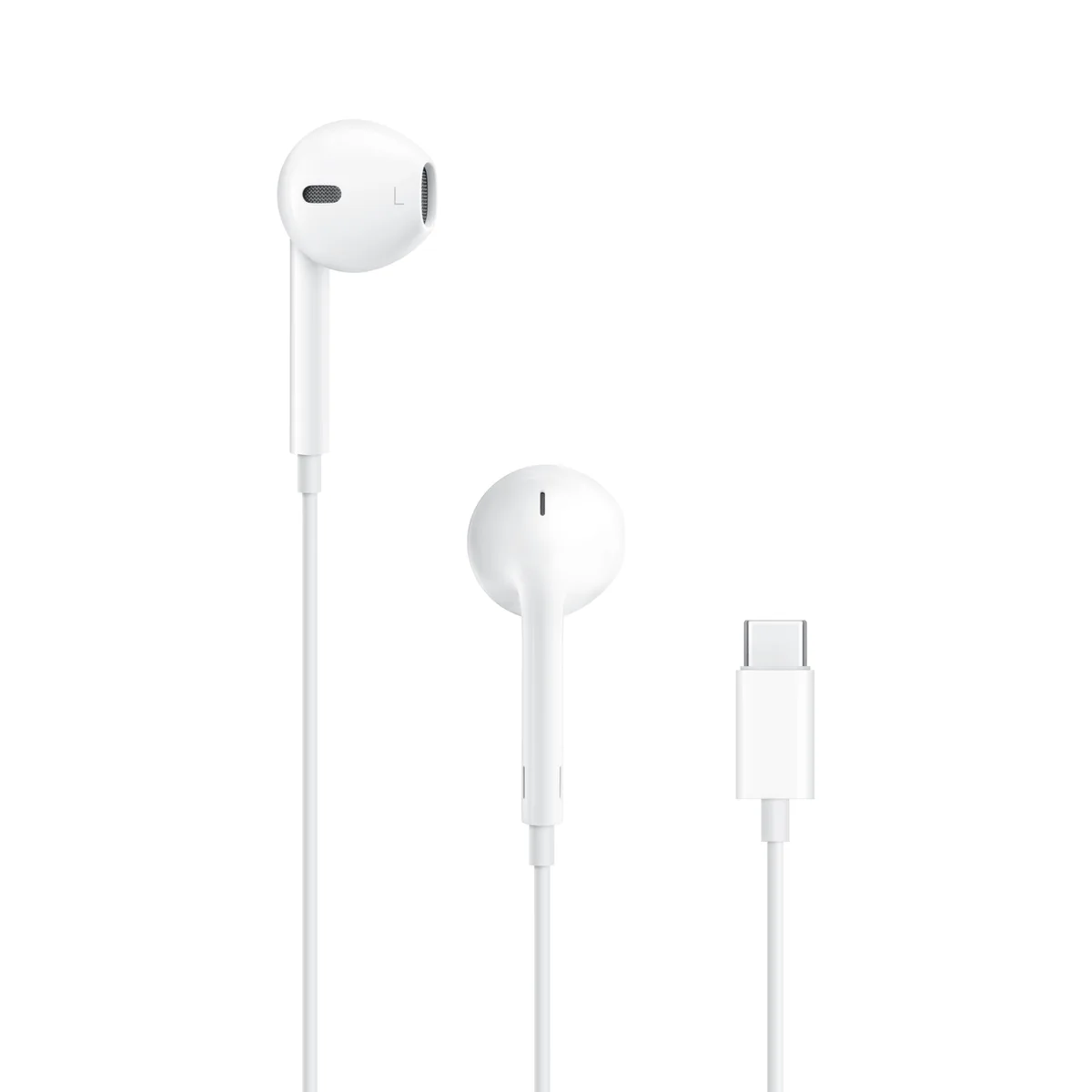
Apple EarPods (USB-C)
Seventeen dollars gets you Apple's wired earbuds with a small DAC built into the USB-C plug, which is quietly the whole story: they bypass your phone's jack-less design and play at full volume from any USB-C phone, iPad, or laptop — an amp is beside the point, and Apple doesn't even publish an impedance figure. The open, unsealed fit is love-it-or-hate-it: no silicone tips to fuss with and you can hear traffic, but there's zero isolation and bass is thin unless they happen to fit your ears just right. The inline remote and mic are genuinely good — many people keep a pair purely for calls because they beat most Bluetooth mics. Longevity is fine but not endless; the cable survives pockets better than the old 3.5mm version, and at this price they're effectively disposable.
We may earn a commission. Price and availability on Amazon’s site may differ.
Specifications
Highlights
Pros
- ✓Built-in DAC in the USB-C plug drives full volume
- ✓Inline mic beats most Bluetooth buds for calls
- ✓Seventeen dollars — effectively disposable without guilt
- ✓No tips to fuss with or lose
- ✓Open fit keeps traffic and coworkers audible
- ✓Works with any USB-C phone, iPad, or laptop
Cons
- ✗Bass is thin unless they happen to fit
- ✗Zero isolation on buses and planes
- ✗One-size fit is love-it-or-hate-it
- ✗Cable longevity is fine, not endless
- ✗USB-C only — older iPhones and jacks excluded
Owner Insights(120 discussions)
The USB-C EarPods have carved out an odd but real cult following: owners talk less about music quality and more about the fact that a $17-19 accessory solves three modern annoyances at once - no Bluetooth pairing, no battery, and a mic that callers consistently rate better than earbuds costing twenty times more. The little DAC inside the USB-C plug means they play at full volume with lossless audio from any USB-C phone, tablet, or laptop, and owners confirm the inline controls work fine on Samsung and Windows devices, not just Apple's.
The day-to-day experience hinges almost entirely on your ear shape. The hard one-size shells sit perfectly in some ears - those owners get respectable balance and decent bass - and slide out of others within minutes, with no silicone tips available to rescue the fit. Isolation is essentially zero by design, which cuts both ways: you stay aware of traffic and coworkers, but in loud environments owners note the volume creeps up to unhealthy levels to compensate. Music is serviceable rather than special - critical listeners call busy mixes bloated and flat - but for podcasts, YouTube, and calls, nobody complains at this price. There's no water resistance rating, so treat sweat and rain as gambling.
Buy them as the glovebox-and-laptop-bag utility earphone: the best-value call headset in owner discussions, an emergency backup, and the cheapest way to get lossless wired audio on a jack-less phone. If the EarPods shape has never fit you, a $20-30 sealed alternative with silicone tips (JLab's wired buds, or a KZ IEM plus a USB-C dongle) gives you actual bass and isolation. And if you mostly want them for calls on an iPhone, owners note the identical-sounding 3.5mm version plus Apple's dongle achieves the same thing for less.
Pros
- +The mic is the sleeper feature - because it's wired digital audio, callers say it beats most Bluetooth earbuds, and owners keep a pair purely for Zoom and phone calls
- +The DAC built into the USB-C plug delivers full volume and lossless playback on any USB-C phone or laptop - no dongle, no pairing, no latency
- +Inline volume and playback controls work on Android and Windows too - owners confirm full function on Samsung phones, not just iPhones
- +Seventeen to nineteen dollars means genuinely disposable - owners keep spares in every bag and grieve nothing when one dies
- +The open fit keeps traffic, announcements, and coworkers audible - a safety feature runners and office workers actually cite
- +Nothing to charge, pair, or update - owners burned by Bluetooth flakiness call the instant wired connection the whole point
Cons
- −The one-size hard-plastic fit is a lottery - they sit perfectly in some ears and slide out of others within minutes, with no tips to fix it
- −Bass ranges from acceptable to nonexistent depending entirely on how they happen to sit in your ear
- −Zero isolation means volume creep in loud places - owners note you end up listening dangerously loud in traffic or gyms to compensate
- −Critical listeners call the sound bloated and dynamically flat on busy tracks - it's fine for podcasts, unremarkable for music
- −No water or sweat rating at all, so a rainy run or sweaty workout is at your own risk
- −Older devices with USB-C ports that lack audio support won't work - it needs a host that speaks USB audio
Common Questions
Compare the Apple EarPods (USB-C)
Related headphones
More from Apple →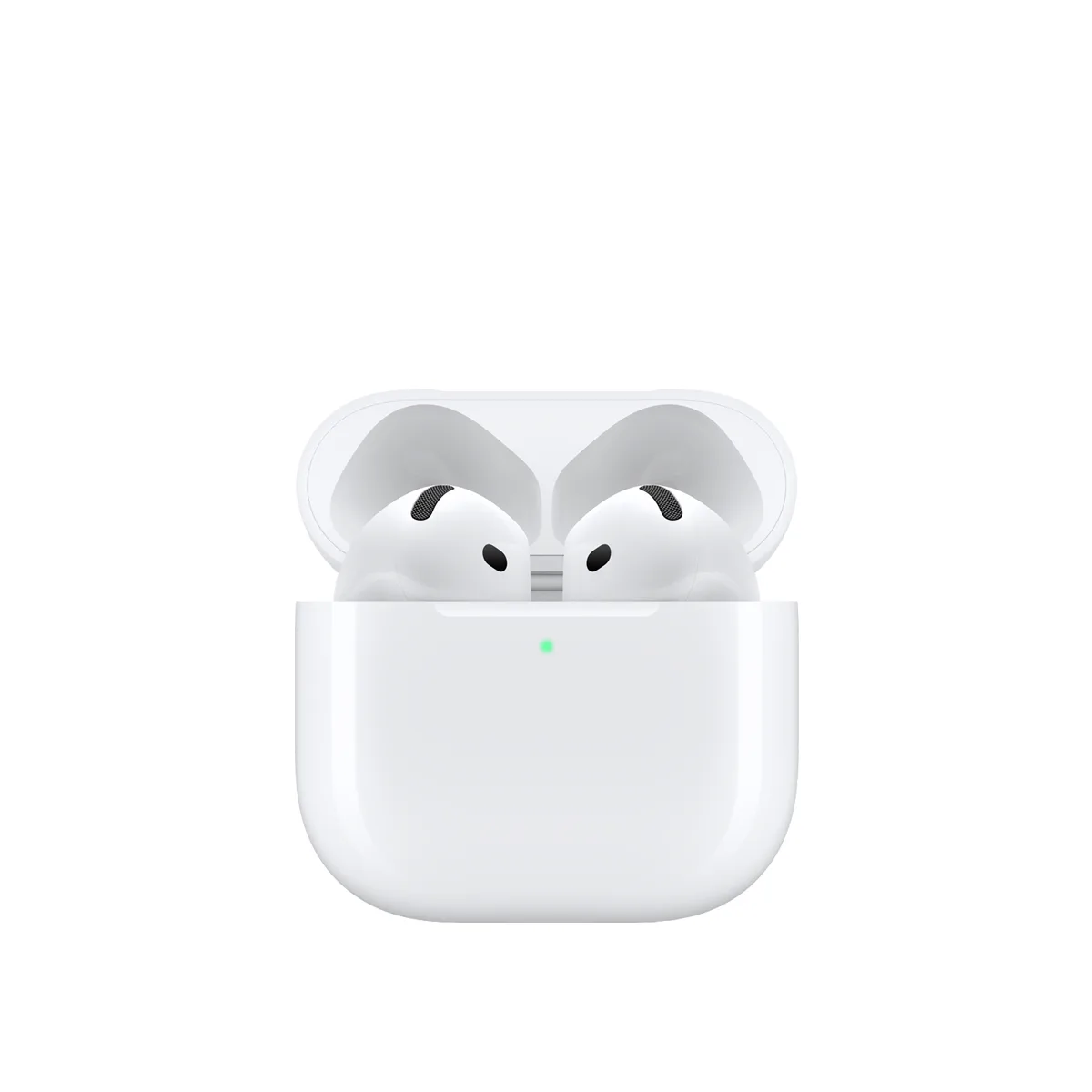
Apple
Wireless Earbuds
The cheapest current AirPods, and the version to buy only if you're sure you don't want noise cancellation — because the ANC variant costs just a little more and adds a lot. You get the same H2 chip, the same comfortable hard-shell open fit, excellent call quality, Personalized Spatial Audio, and Voice Isolation; owners like how the redesigned shape stays put better than older base AirPods and how light 4.3g feels over long wear. What the base model drops: ANC, Transparency, Adaptive Audio, the case speaker for Find My, and — the one that stings — wireless charging, since this case is USB-C only. Reviewers who measured both versions also found the non-ANC model rolls off sub-bass harder, so music sounds a bit leaner. Battery is 5 hours per charge and 30 with the case, and a 5-minute top-up buys an hour. The usual Apple fine print applies: AAC only, no EQ app, and half the features don't work on Android. If AirPods have never fit your ears, this shape won't change your mind — and if you're tempted at all by ANC, spend up for the other version.
Best for iPhone users who want basic AirPods and skip ANC
Apple
Wireless Earbuds
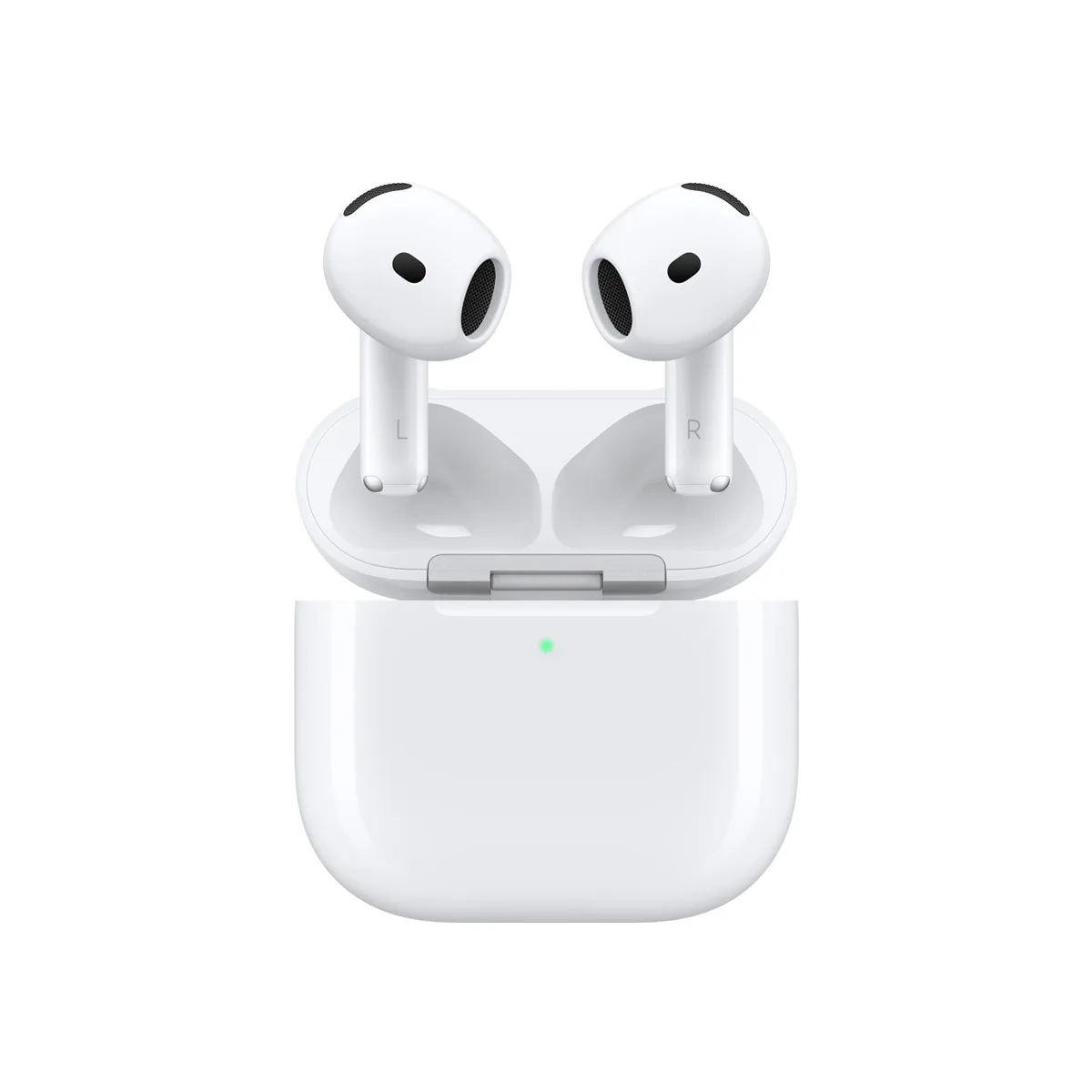
These are for people who hate silicone ear tips but still want some noise cancellation — and on that narrow promise they deliver. ANC on an open-fit earbud shouldn't work as well as it does here; it takes the edge off planes and offices, though physics means it can't touch a sealed bud like the Pro 3, and bass depends entirely on how the hard plastic sits in your particular ears. That's the real gamble: fit is a lottery, and if AirPods have never stayed put for you, nothing changed. Battery is the other weak spot — 4 hours with ANC on is bottom of the class. Call quality is excellent, the H2 chip does Adaptive Audio and Conversation Awareness, and the ANC version of the case adds wireless charging and a Find My speaker. AAC-only and no EQ app, as always with Apple.
Best for ear-tip haters who still want noise cancellation
Apple
Wireless Earbuds
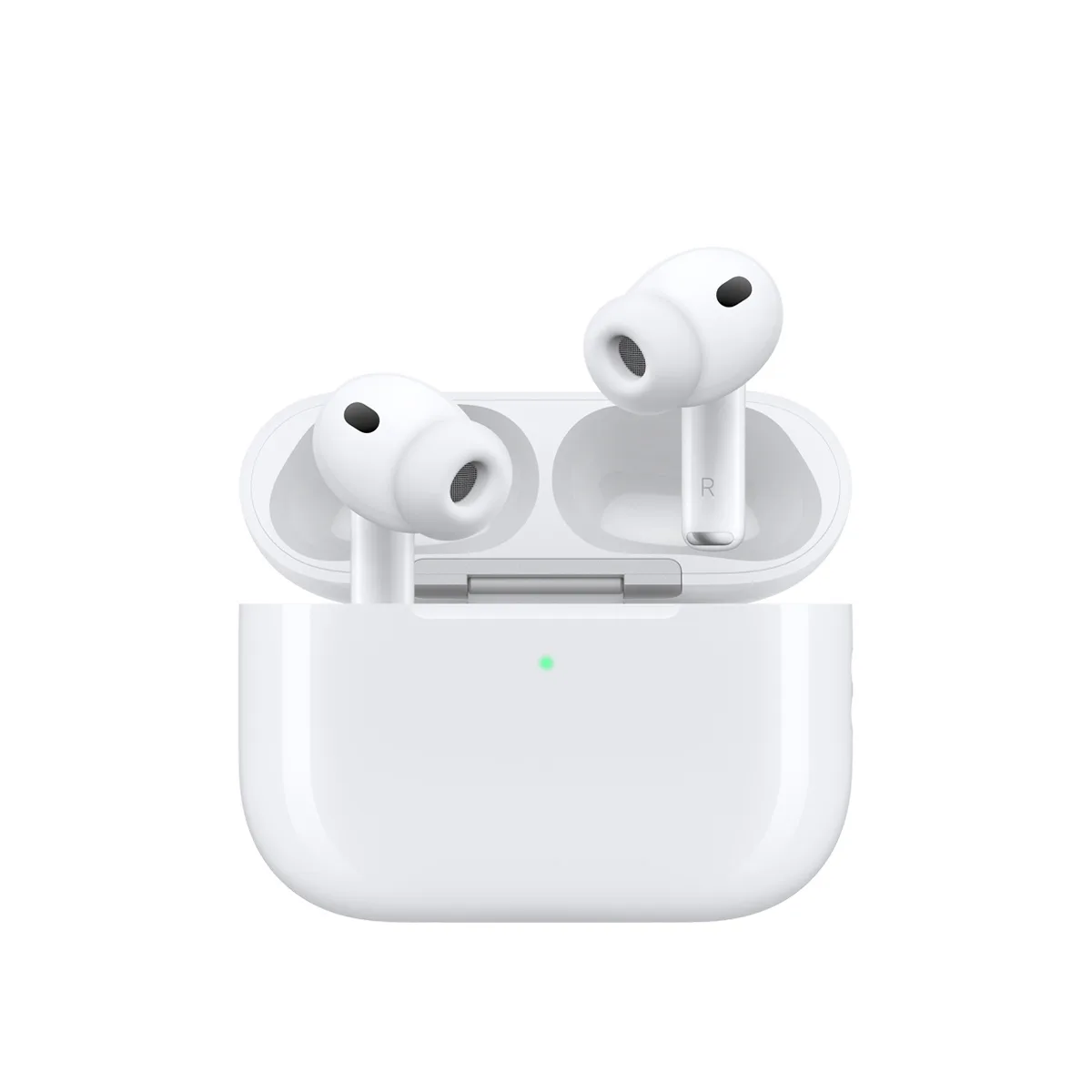
If you live on an iPhone, these are the easy answer. Apple roughly doubled the ANC over the Pro 2, added heart-rate sensing, foam-infused tips that actually seal, and bumped water resistance to IP57 — owners consistently say the noise cancellation now trades blows with Bose. Battery went up to 8 hours per charge, though the slimmer case total actually dropped to 24 hours. The honest caveats: you're stuck with AAC (no LDAC or aptX, so Android users lose hi-res and most features entirely), there's no real EQ beyond Apple's presets, and multipoint only works as auto-switching between Apple devices. Transparency mode and call quality remain the best in the business, and the hearing-aid feature is genuinely useful. Some longtime owners still grumble about eventual battery degradation — it's not user-replaceable. On Android, buy literally anything else.
Best for iPhone users who want set-and-forget ANC
Apple
Over-Ear Headphones
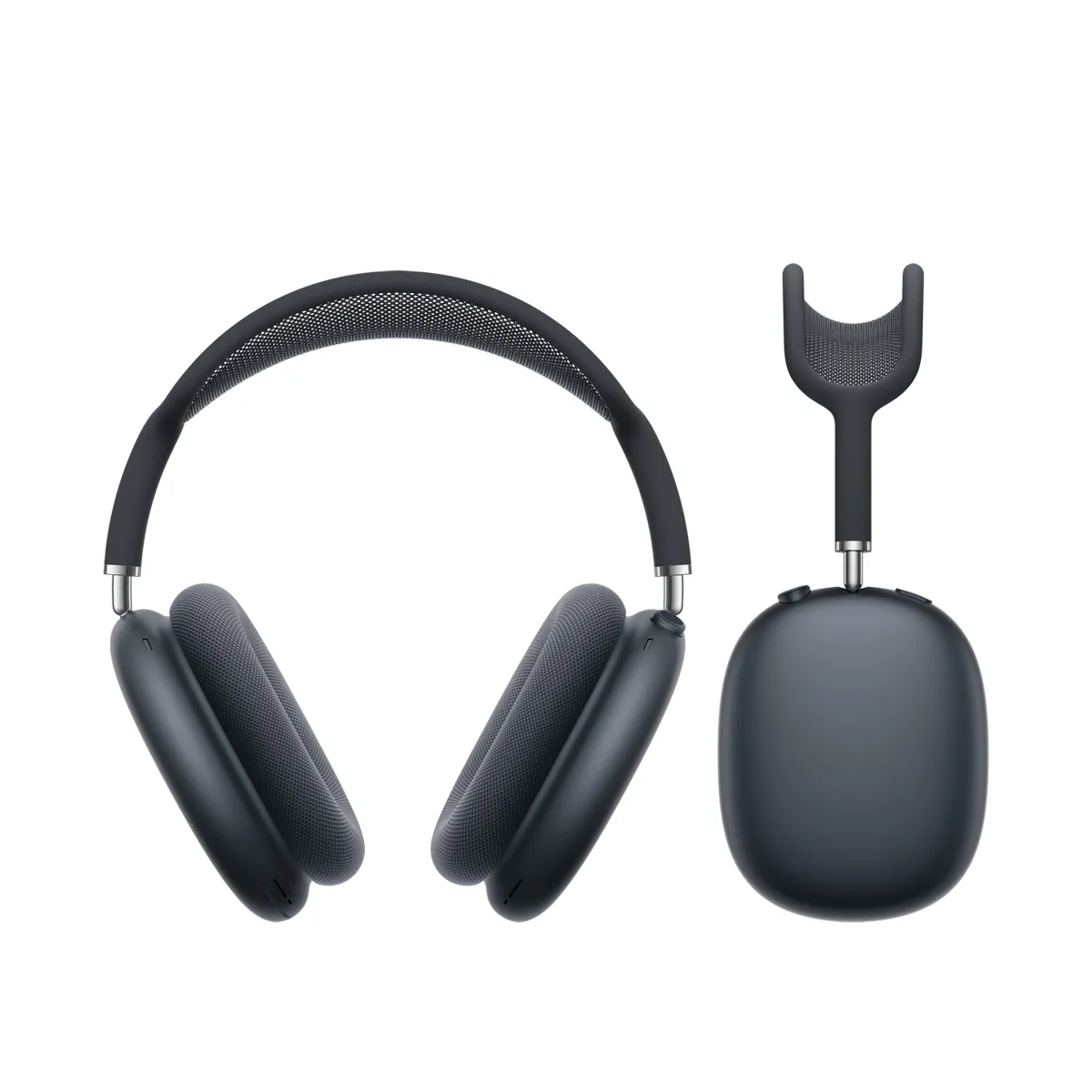
The 2024 refresh swapped Lightning for USB-C, added new colors, and later gained lossless 24-bit/48kHz wired audio via firmware — but underneath it's still the 2020 headphone: H1 chip, Bluetooth 5.0, and the best transparency mode ever shipped. The aluminum build and knitted headband feel worth $549 (street price hovers near $450), and within the Apple ecosystem the auto-switching and Personalized Spatial Audio are magic. The flaws are equally famous: 385g is genuinely heavy for long sessions, there's no power button — just the silly Smart Case — and years of owner reports document condensation forming inside the cups, which has killed drivers out of warranty. Battery is 20 hours, worst of the flagship class, there's no app EQ, and Android users lose nearly everything. Buy it for the ecosystem and transparency, not the spec sheet.
Best for all-Apple households who value build and transparency
Koss
Wired & Studio
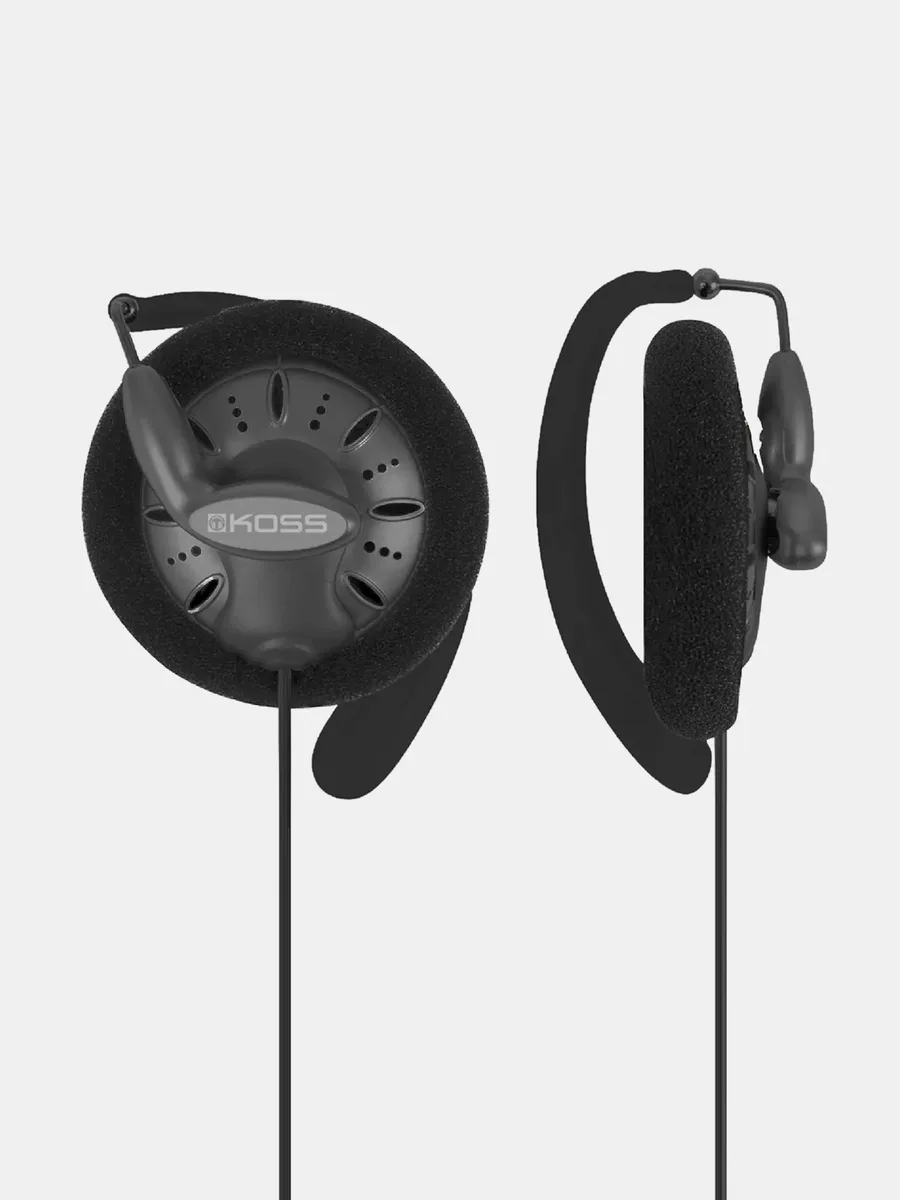
The KSC75 is the running joke of the audiophile world that stopped being a joke: a $20 clip-on with titanium-coated drivers that enthusiasts routinely rank against headphones ten times its price. The sound is open, energetic, and surprisingly detailed — brighter and leaner than its sibling Porta Pro, with tight (not deep) bass and a spacious, airy presentation from the fully open earclip design. Owners' main gripes are physical, not sonic: the plastic ear clips are fiddly, the build feels like a cereal-box prize, and there is precisely zero isolation, so these are desk-and-home headphones only. The most popular move among long-term owners is ditching the clips entirely and mounting the drivers on a cheap third-party headband, which fixes comfort completely. At 60 ohms and 101 dB sensitivity they run fine from any jack, and Koss's limited lifetime warranty covers the inevitable abuse. Treble-sensitive listeners may find the upper mids spicy, and bass-heads should look elsewhere. But dollar-for-dollar, this remains maybe the single best value in wired audio — most people who try one end up buying spares.
Best for The cheapest real taste of audiophile sound
Moondrop
Wired & Studio
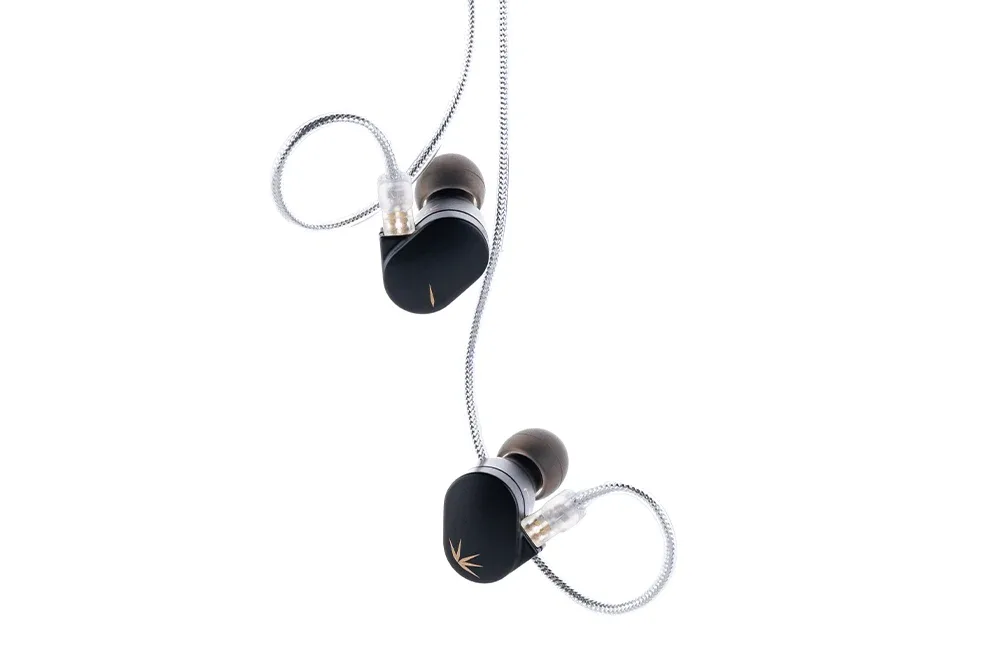
The original Chu was the $20 IEM that broke the internet; the Chu II fixes its one fatal flaw by making the cable detachable via standard 0.78mm 2-pin connectors, so a snagged cord no longer kills the whole earphone. You still get tiny zinc-alloy shells that look and feel like they cost several times the price, and a 10mm dynamic driver tuned to Moondrop's house curve — though owners note this one is warmer and bassier than the near-neutral original, with thicker mids and softer treble. At 18 ohms and 119 dB/Vrms it gets loud from literally anything with a jack, no amp or dongle upgrade required. It remains a superb first IEM: safe tuning, grown-up build, real accessories including Moondrop's Spring Tips. The caveats are honest ones for the money — the included cable is thin and tangly, the metal shells can feel cold and slightly heavy in small ears, isolation is average, and owners who compare it head-to-head with the 7Hz Zero:2 tend to prefer the Zero:2's cleaner, more balanced presentation. There's also a DSP variant with USB-C and a mic if you're dongle-averse. For a gift, a gym beater, or a first step out of gas-station earbuds, it's still one of the easiest $20 recommendations in audio.
Best for A first IEM or giftable $20 upgrade