Koss
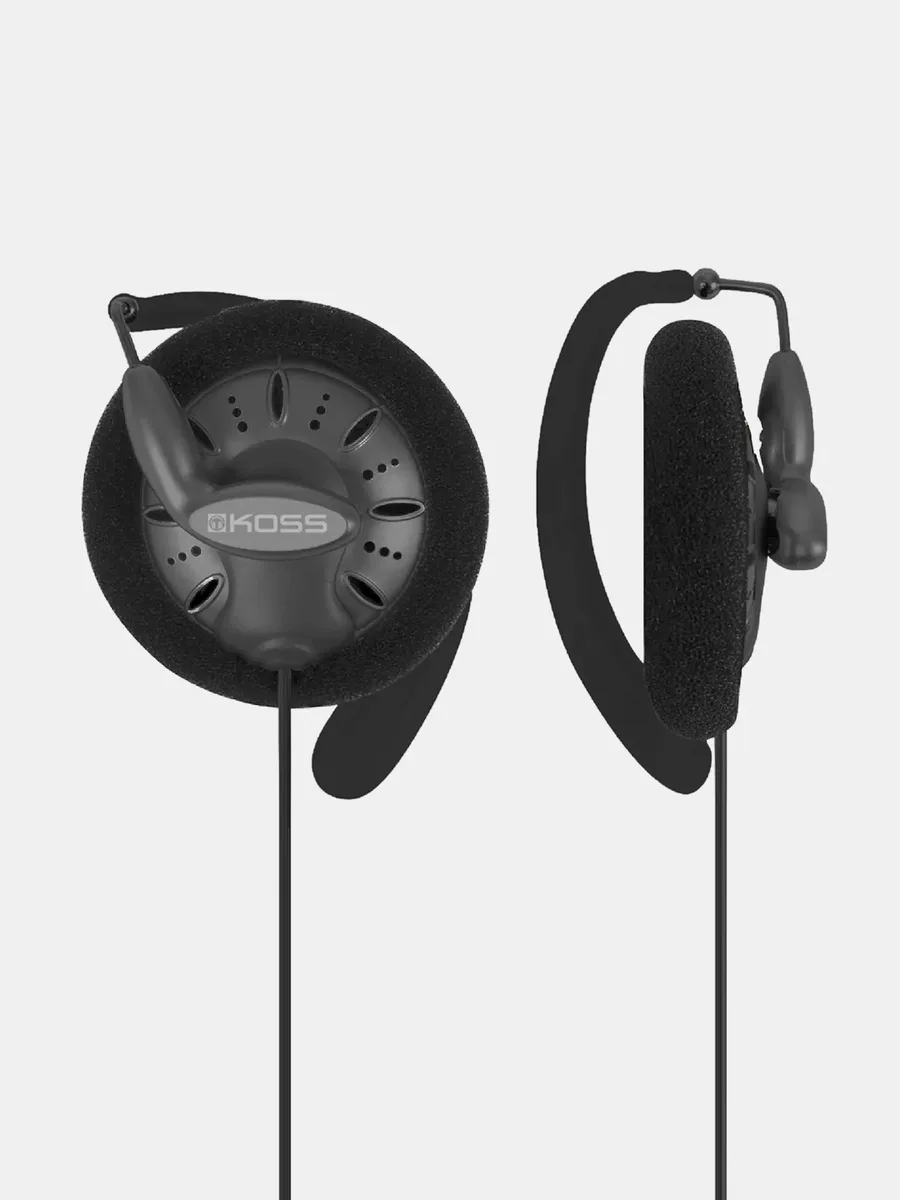
Koss KSC75
The KSC75 is the running joke of the audiophile world that stopped being a joke: a $20 clip-on with titanium-coated drivers that enthusiasts routinely rank against headphones ten times its price. The sound is open, energetic, and surprisingly detailed — brighter and leaner than its sibling Porta Pro, with tight (not deep) bass and a spacious, airy presentation from the fully open earclip design. Owners' main gripes are physical, not sonic: the plastic ear clips are fiddly, the build feels like a cereal-box prize, and there is precisely zero isolation, so these are desk-and-home headphones only. The most popular move among long-term owners is ditching the clips entirely and mounting the drivers on a cheap third-party headband, which fixes comfort completely. At 60 ohms and 101 dB sensitivity they run fine from any jack, and Koss's limited lifetime warranty covers the inevitable abuse. Treble-sensitive listeners may find the upper mids spicy, and bass-heads should look elsewhere. But dollar-for-dollar, this remains maybe the single best value in wired audio — most people who try one end up buying spares.
We may earn a commission. Price and availability on Amazon’s site may differ.
Specifications
Highlights
Pros
- ✓Class-leading clarity and openness for around $20
- ✓Titanium-coated drivers with a wide, airy presentation
- ✓Roughly 43g — effectively weightless, no headband hair
- ✓Runs from any phone or laptop jack (60 ohm, 101 dB/mW)
- ✓Koss limited lifetime warranty
- ✓Massive mod community — headband and pad swaps are cheap and easy
Cons
- ✗Ear-clip design takes fiddling and bothers some ears until you mod a headband on
- ✗Zero isolation and full sound leakage — home/desk use only
- ✗Bass is tight but shallow; no sub-bass to speak of
- ✗Bright upper mids/treble can fatigue sensitive listeners
- ✗Build quality is as cheap as the price suggests
- ✗Fixed cable
Owner Insights(700 discussions)
The KSC75 might be the most-recommended piece of audio gear on the internet relative to its price. For about $20 you get an open, clear, surprisingly detailed sound from a pair of ear-clip drivers that look like they came from 2003 — because they basically did. Owner discussions treat it less like a product and more like a community handshake: it's the default answer for first headphones, backup headphones, gaming-on-a-budget, and 'gift for a curious friend,' backed by Koss's lifetime warranty.
In use, the clip-on design means no headband, no clamp, and no heat — many owners wear them all day and find them more comfortable than $300 headphones, though a minority never make peace with the hooks (bending them gently outward is the standard fix). The sound is mid- and treble-forward with genuinely good clarity for voices, strings, and game audio, but the foam-on-ear fit can't seal, so bass is light and sub-bass is absent. That's exactly why the mod scene exists: a cheap Parts Express headband improves the seal and bass noticeably, Yaxi pads add comfort, and transplanting the drivers into a KPH30i frame is a beloved community project. Long-term failures are almost always the thin cable, which the warranty covers.
Buy it as a desk, gaming, or gateway headphone — not for the commute (it's fully open) and not for bassheads. Against its sibling, the warmer Porta Pro trades clarity for bass; against the Moondrop Chu II or 7Hz Zero:2 at similar money, the IEMs isolate and dig deeper but can't match the KSC75's open, speaker-like ease. There's no used-market question at this price: it's the rare product where 'just buy it and see' is the community's honest advice.
Pros
- +Openness and clarity that owners insist embarrasses headphones costing 5-10x — the standing budget-community answer to 'best $20 in audio'
- +Excellent for competitive gaming: clear, well-placed footsteps and an airy presentation, which is why it shows up in so many gaming setups
- +Ear-clip design puts zero pressure on your head — glasses wearers and people who hate clamp love it, and there's no hair-pinch headband at all
- +Nearly indestructible in practice despite the cheap silver plastic, and covered by Koss's lifetime warranty in the US
- +A famous mod platform: a $5 Parts Express headband or dropping the drivers into a KPH30i yoke are community rites of passage that improve comfort and bass seal
- +Runs fine off any phone or laptop jack — an amp adds volume headroom but isn't needed
- +So cheap owners buy multiples: one for the desk, one for the gym bag, one to gift
Cons
- −Bass rolls off early and sub-bass is essentially absent — on-ear foam can't seal, so EDM and hip-hop listeners find it thin without mods or EQ
- −The ear clips are polarizing: most acclimate in days, but a persistent minority never gets the hooks comfortable and gives up
- −Thin fixed cable is the standard failure point over years of use (the KSC75X revision has a better rubberized cable)
- −Zero isolation and full sound leakage — open by design, so it's a home/desk headphone
- −Some owners describe imaging as 'two blobs by your ears' rather than a coherent stage — clarity is great, precision placement is mid
- −Treble can get peaky and slightly grainy on bright recordings; sensitive listeners apply a small EQ cut
- −Koss has quietly revised the driver over the years — newer units can sound a touch bass-lighter than beloved older pairs
Common Questions
Compare the Koss KSC75
Related headphones
More from Koss →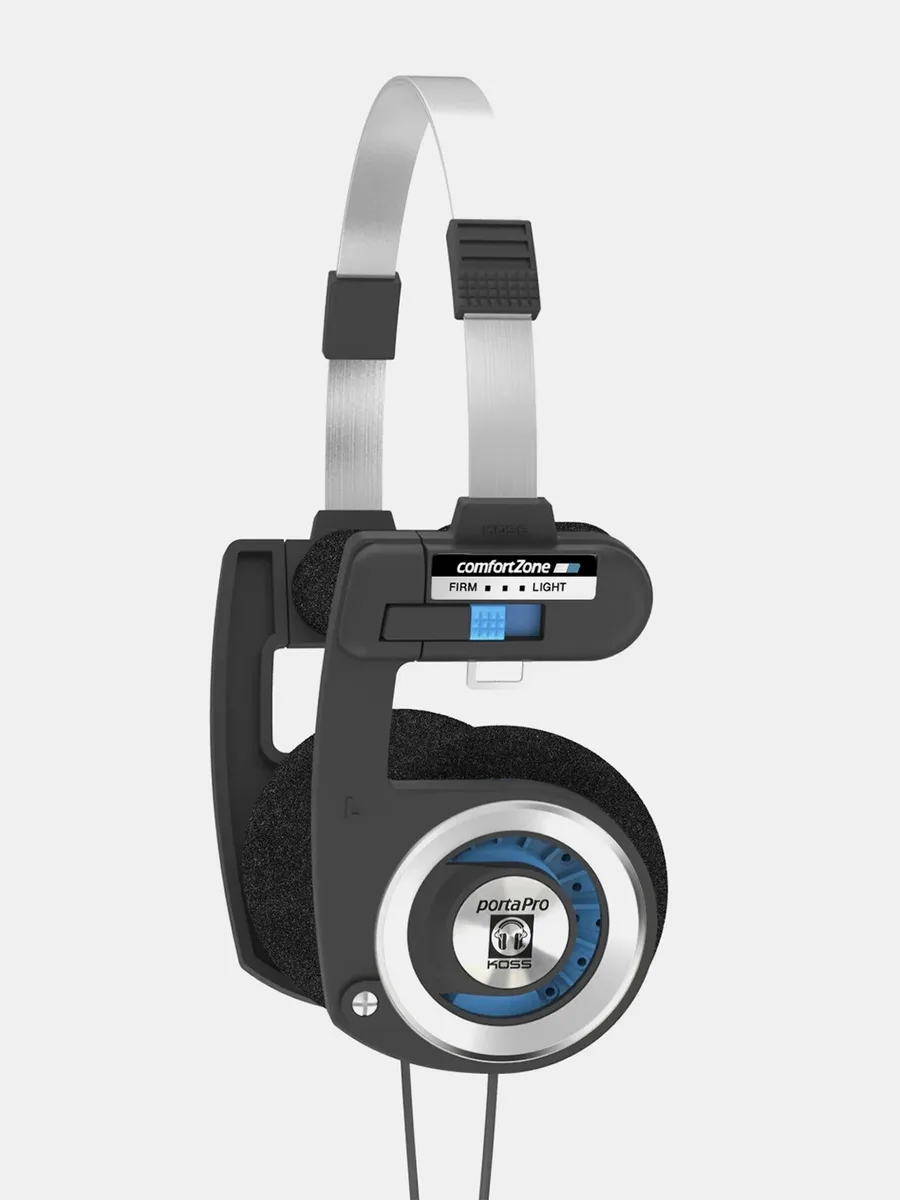
Koss
Wired & Studio
The Porta Pro has been sold essentially unchanged since 1984, and there's a reason it's still a cult favorite: some of the most natural, feel-good bass you can buy under $50, in an open-back design that weighs about 60 grams. Owners who've been through a dozen pairs describe the sound as warm and forgiving — rich low end, smooth mids, and a relaxed top end that never fatigues, though everything above the presence region is noticeably soft compared to modern neutral headphones. Because it's open, it leaks in both directions: everyone on the bus hears your music, and you hear the bus. The retro headband with its 'comfortZone' sliders is featherweight and genuinely comfortable for hours, though the temple pads pinch some heads and the folding mechanism famously grabs hair. Build is springy steel and thin plastic that looks fragile but survives decades, and Koss backs it with a limited lifetime warranty that owners actually use. The 60-ohm, 101 dB drivers run fine from a phone dongle — no amp needed. The cable is fixed and dual-entry, which is the main modern annoyance. If you want a cheap open-back for the desk or a nostalgic daily driver with real bass, this is still one of audio's great bargains.
Best for Warm, comfy open-back sound on a budget
Moondrop
Wired & Studio
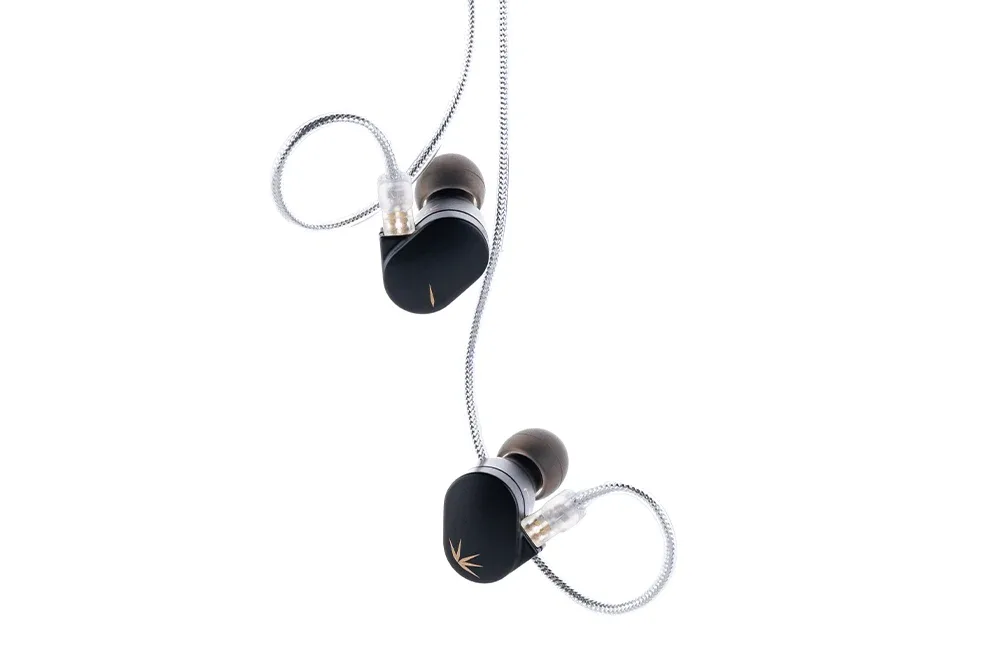
The original Chu was the $20 IEM that broke the internet; the Chu II fixes its one fatal flaw by making the cable detachable via standard 0.78mm 2-pin connectors, so a snagged cord no longer kills the whole earphone. You still get tiny zinc-alloy shells that look and feel like they cost several times the price, and a 10mm dynamic driver tuned to Moondrop's house curve — though owners note this one is warmer and bassier than the near-neutral original, with thicker mids and softer treble. At 18 ohms and 119 dB/Vrms it gets loud from literally anything with a jack, no amp or dongle upgrade required. It remains a superb first IEM: safe tuning, grown-up build, real accessories including Moondrop's Spring Tips. The caveats are honest ones for the money — the included cable is thin and tangly, the metal shells can feel cold and slightly heavy in small ears, isolation is average, and owners who compare it head-to-head with the 7Hz Zero:2 tend to prefer the Zero:2's cleaner, more balanced presentation. There's also a DSP variant with USB-C and a mic if you're dongle-averse. For a gift, a gym beater, or a first step out of gas-station earbuds, it's still one of the easiest $20 recommendations in audio.
Best for A first IEM or giftable $20 upgrade
Apple
Wired & Studio
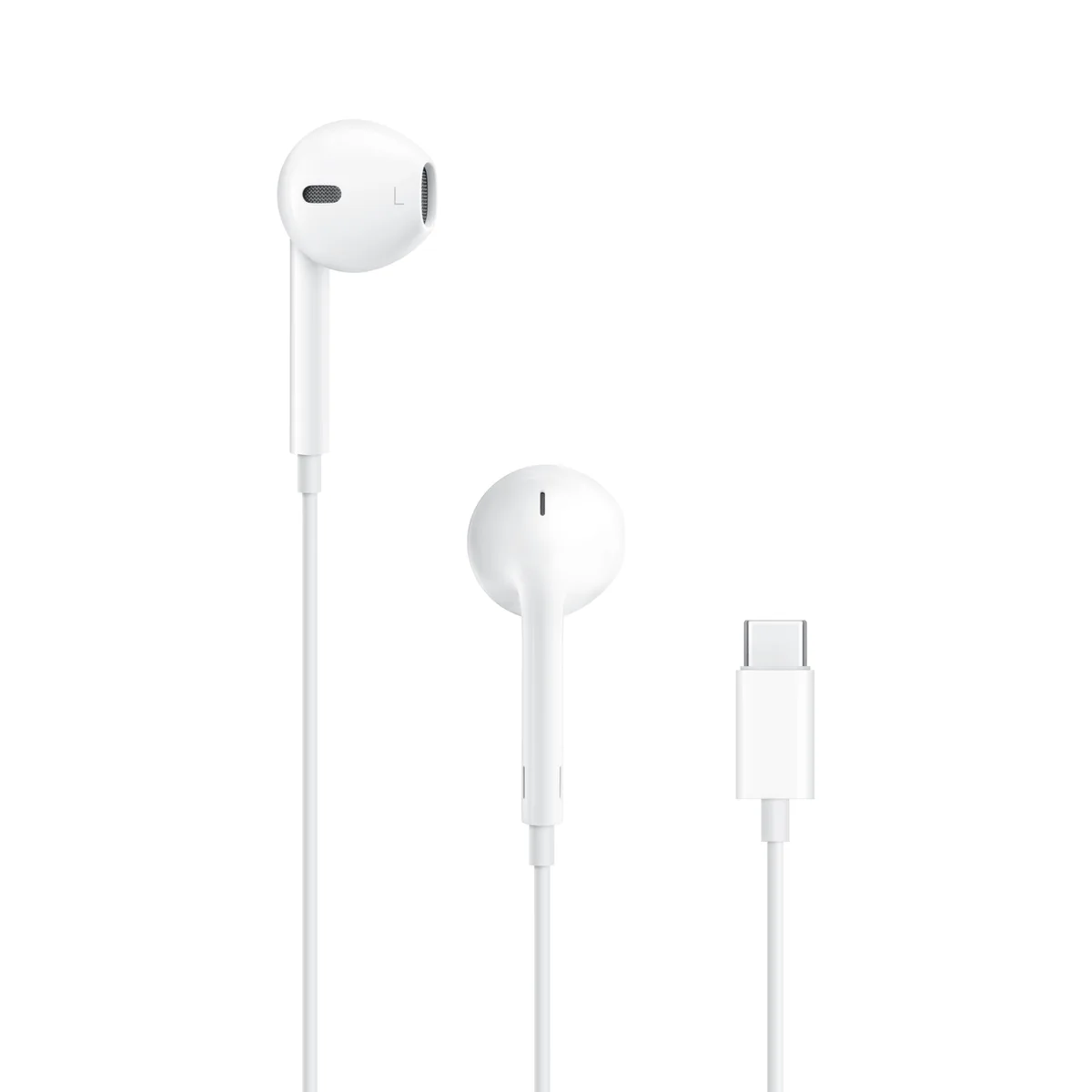
Seventeen dollars gets you Apple's wired earbuds with a small DAC built into the USB-C plug, which is quietly the whole story: they bypass your phone's jack-less design and play at full volume from any USB-C phone, iPad, or laptop — an amp is beside the point, and Apple doesn't even publish an impedance figure. The open, unsealed fit is love-it-or-hate-it: no silicone tips to fuss with and you can hear traffic, but there's zero isolation and bass is thin unless they happen to fit your ears just right. The inline remote and mic are genuinely good — many people keep a pair purely for calls because they beat most Bluetooth mics. Longevity is fine but not endless; the cable survives pockets better than the old 3.5mm version, and at this price they're effectively disposable.
Best for cheap reliable calls and commutes
7Hz
Wired & Studio
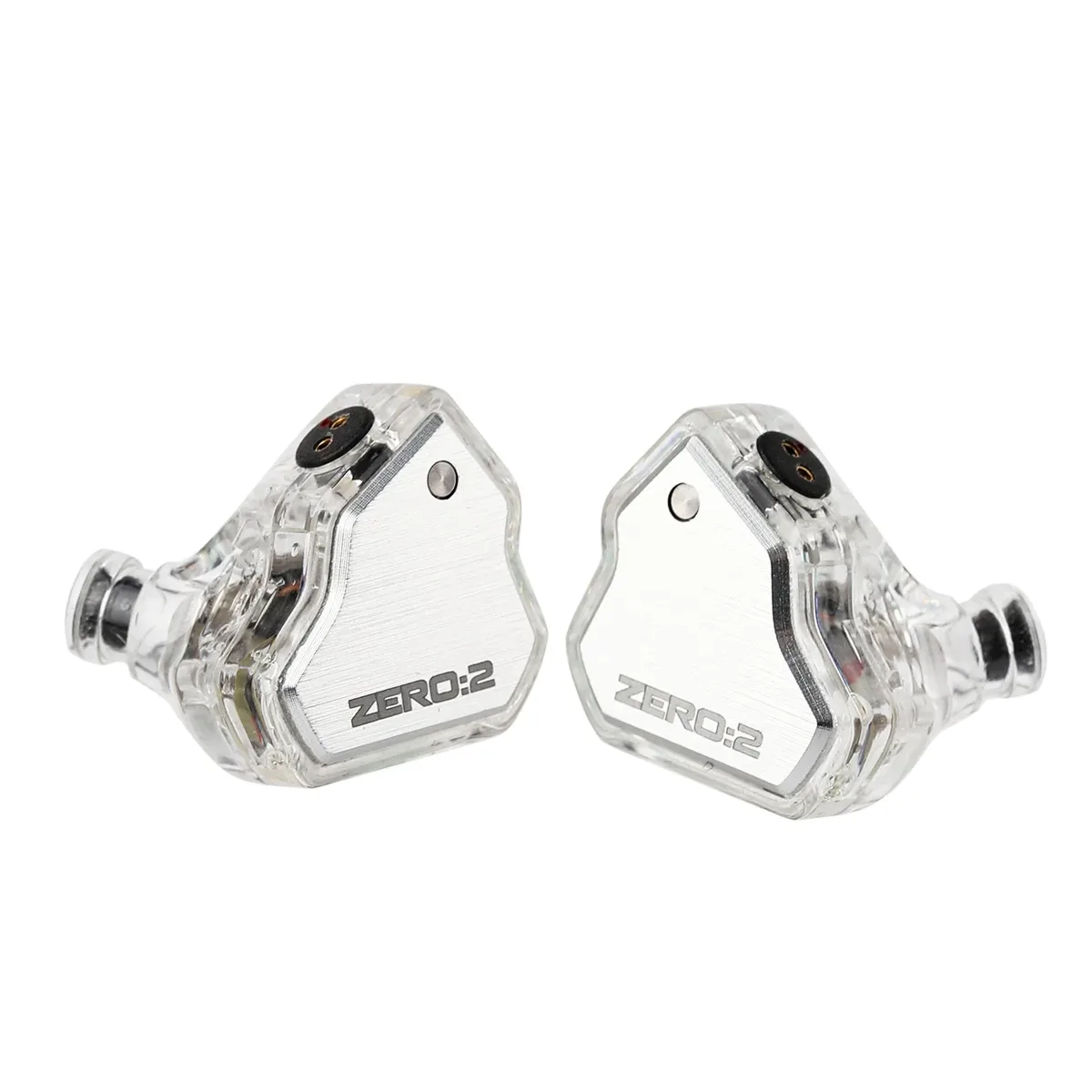
The Zero:2 is what happens when the internet's most influential IEM reviewer retunes an already-famous $20 earphone: it takes the original Salnotes Zero's near-neutral signature and adds a tasteful bass shelf, and the result is widely treated as the default answer to 'best IEM under $50.' Owners who own both this and the Moondrop Chu II consistently call the Zero:2 the cleaner, better-balanced listen — energetic low end, natural mids, and a treble that stays smooth without sounding dull. The 10mm dynamic driver with its PU-and-metal composite diaphragm keeps distortion impressively low, and the detachable 0.78mm 2-pin cable means the usual budget failure point is replaceable. At 32 ohms it's slightly less sensitive than some rivals but still runs fine from a phone or laptop. The honest caveats: the shells are lightweight colored plastic that looks toy-like next to metal rivals, the stock silver-plated cable is serviceable rather than nice, no case or extras beyond tips are included, and the short nozzles give some owners real trouble getting a seal — plan on tip-rolling if your canals are deep. Colorways are loud (the classic is a blue-and-white combo; this listing is orange). As a first IEM, a beater pair, or a reality check on how good $25 can sound, it has no serious weaknesses.
Best for The best-tuned $25 in-ear, full stop
Sony
Wired & Studio
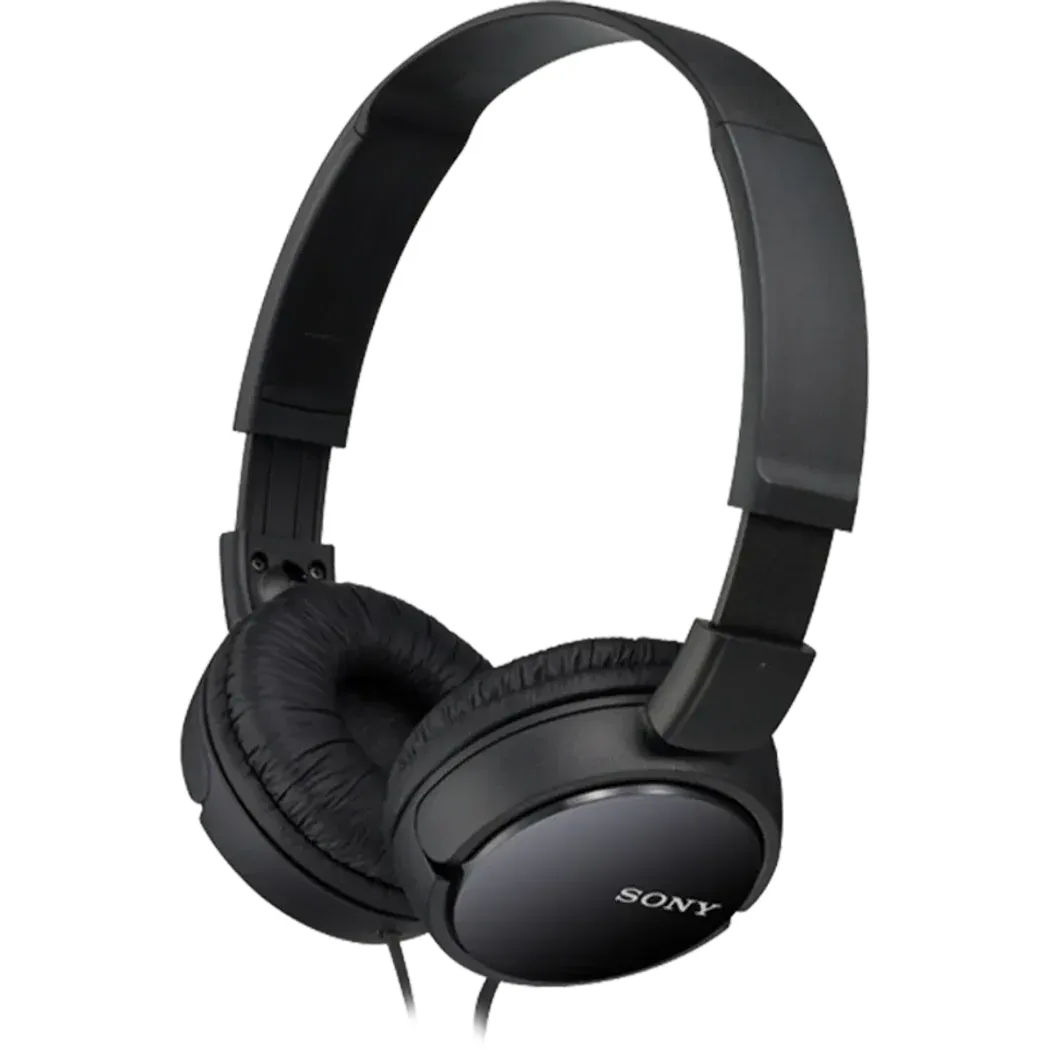
This is the ten-dollar headphone that's been in every drugstore, backpack, and lost-and-found bin for a decade, and it's genuinely fine for what it costs. The 30mm drivers push a warm, bass-and-mids-forward sound that owners consistently describe as better than a $10 headphone has any right to be, though the top end gets rolled off and can turn harsh when you push the volume. At 120g with a fold-flat swivel design, it's light enough to forget in a bag as a permanent spare. The honest caveats are all comfort and build: the pads are thin pleather over small on-ear cups, the headband can pinch larger heads after an hour, and the non-detachable 1.2m cord is the usual failure point. There's no mic or remote — Sony sells the ZX110AP if you need one — and at 24 ohms it runs happily off any phone dongle or laptop jack. Don't expect isolation, soundstage, or all-day comfort; do expect a cheap, durable, name-brand headphone that embarrasses gas-station earbuds. If your use case is 'backup pair,' 'kid's Chromebook,' or 'office Zoom audio,' this is the default answer.
Best for A dirt-cheap spare or first wired headphone
OneOdio
Wired & Studio
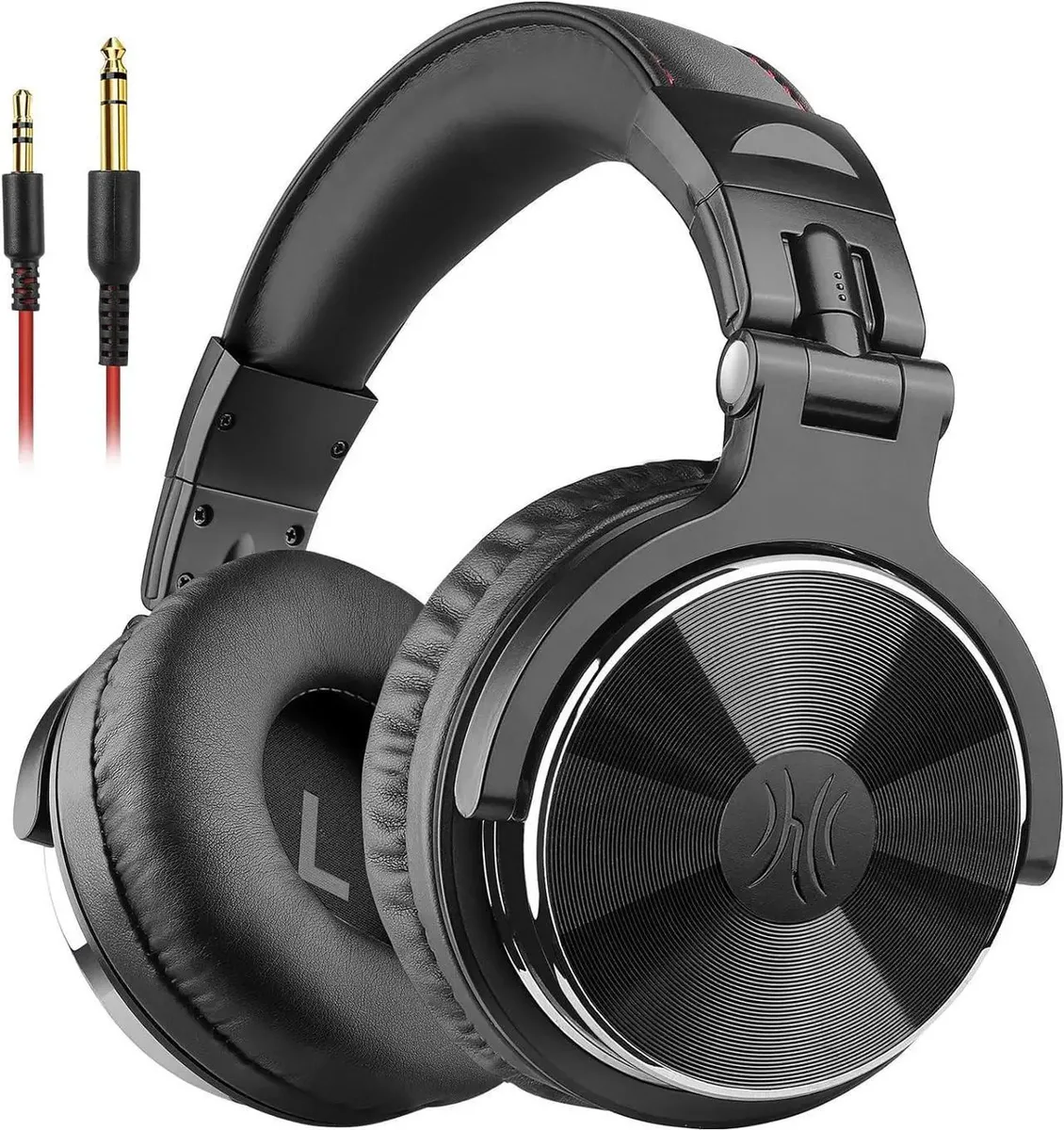
The Pro-10 is the Amazon best-seller that shows up in every 'budget DJ headphone' search, and for around $30 it's a legitimately smart package. The party trick is connectivity: a 3.5mm jack on one cup and a 6.35mm jack on the other, so the same headphone plugs into a phone, an audio interface, or a mixer with no adapter, and the spare jack doubles as a share port to daisy-chain a second headphone. You get two cables in the box — a long coiled 3.5-to-6.35mm and a shorter mobile cable with a mic. The 50mm drivers deliver a mild V-shaped sound with boosted bass that owners describe as fun and surprisingly balanced for the price, though it's not the flat 'studio monitor' tuning the marketing implies, and the treble has a cheap sheen on cymbals. Padding is plush for the money and the cups swivel 90 degrees for one-ear monitoring, but the clamp runs firm and the build is unmistakably plasticky. Isolation from the closed cups is decent for tracking vocals or podcasting without bleed. Treat it as a do-everything beater for recording, DJ practice, and desk duty — not a mixing reference — and it over-delivers.
Best for Cheap do-it-all monitoring and podcast duty