7Hz
7Hz Salnotes Zero:2
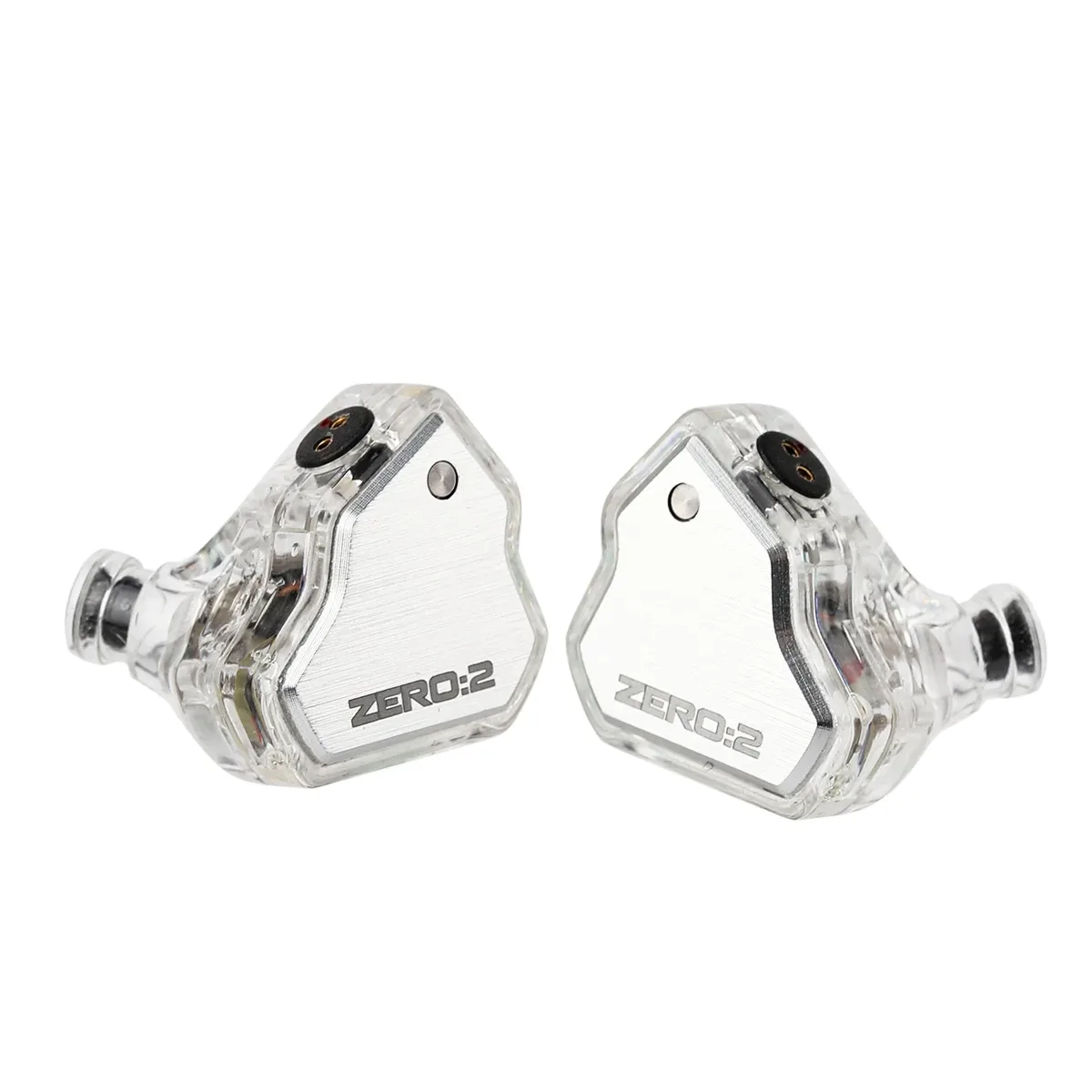
The Zero:2 is what happens when the internet's most influential IEM reviewer retunes an already-famous $20 earphone: it takes the original Salnotes Zero's near-neutral signature and adds a tasteful bass shelf, and the result is widely treated as the default answer to 'best IEM under $50.' Owners who own both this and the Moondrop Chu II consistently call the Zero:2 the cleaner, better-balanced listen — energetic low end, natural mids, and a treble that stays smooth without sounding dull. The 10mm dynamic driver with its PU-and-metal composite diaphragm keeps distortion impressively low, and the detachable 0.78mm 2-pin cable means the usual budget failure point is replaceable. At 32 ohms it's slightly less sensitive than some rivals but still runs fine from a phone or laptop. The honest caveats: the shells are lightweight colored plastic that looks toy-like next to metal rivals, the stock silver-plated cable is serviceable rather than nice, no case or extras beyond tips are included, and the short nozzles give some owners real trouble getting a seal — plan on tip-rolling if your canals are deep. Colorways are loud (the classic is a blue-and-white combo; this listing is orange). As a first IEM, a beater pair, or a reality check on how good $25 can sound, it has no serious weaknesses.
We may earn a commission. Price and availability on Amazon’s site may differ.
Specifications
Highlights
Pros
- ✓Reference-grade 'neutral with bass boost' tuning rare at any price
- ✓Cleaner and more balanced than the Chu II per owners who have both
- ✓Low-distortion 10mm dynamic with PU+metal composite diaphragm
- ✓Detachable 0.78mm 2-pin cable, with 3.5mm or USB-C and mic options
- ✓Light, comfortable shells for long sessions
- ✓Runs adequately from any phone or laptop jack
Cons
- ✗Short nozzles make a good seal genuinely hard for some ears — tip-rolling likely
- ✗Plastic shells and basic cable look and feel their price
- ✗No carry case or accessories beyond ear tips
- ✗32-ohm impedance wants a touch more volume than sensitive rivals
- ✗Bright colorways aren't for everyone
Owner Insights(750 discussions)
The Zero:2 is the crowd-pleaser of the ultra-budget IEM duopoly. Where the original Salnotes Zero preached strict neutrality, the Zero:2 — tuned with input from reviewer Crinacle — adds a healthy scoop of warm sub-bass onto the same honest foundation, and owner discussions crowned it almost immediately: this is the $22 IEM for people who listen with their chest. For EDM, hip-hop, pop, and gym sessions it's the standing budget answer.
Daily use is simple: any dongle drives it, the angled shells lock in securely for most ears, and the included tip assortment sorts out fit. The compromises are visible and audible but forgivable at the price — thick plastic shells with a molding seam, a thin tangly cable, bass that's generous rather than fast, and treble tuned for safety over sparkle. The one genuine caution flag in long-term owner reports is reliability: a recurring minority describe a channel (frequently the right) failing within months, often resolved by rebuying rather than wrestling warranty shipping. At $22 that's an accepted risk; it's still worth knowing before recommending it as a gift.
Buy it if bass is your priority under $25 — its rival Moondrop Chu II counters with metal build, smaller shells, and slightly sweeter vocals, and the honest advice in every thread is 'Zero:2 for bass, Chu II for vocals.' Step-up money goes to the Truthear Hexa (~$85), which owners describe as the same philosophy executed with real resolution and control. There's no used market at this price — these are bought new, loved hard, and replaced without ceremony.
Pros
- +The bass upgrade the original Zero begged for — warm, thick sub- and mid-bass emphasis that makes it the budget pick for EDM, hip-hop, and gym use
- +Tuning shaped with reviewer Crinacle's input, so the boosted bass sits on an otherwise neutral, correct-sounding frame rather than a mud pile
- +Reigning co-champion of the $20-25 bracket — the default counter-recommendation to the Moondrop Chu II in every budget thread
- +Standard 2-pin detachable cable, and the revised cable is smoother with tighter connectors than the original Zero's
- +Secure, stable in-ear fit once tipped right; generous spread of colorful tip sizes in the box
- +Efficient enough for any phone dongle or console controller — no amp required, period
- +A mic-cable variant exists at the same price for calls and gaming
Cons
- −A pattern of owner reports describe one earpiece (often the right) dying within a few months even with careful use — the QC gamble is the model's known asterisk
- −Chunky 'marshmallow peep' plastic shells with a visible seam — bigger in the ear than the Chu II and unimpressive to look at
- −Larger shell overwhelms smaller ears; a fraction of owners can't get a comfortable seal at all
- −Bass speed and control are just okay — busy metal and fast basslines smear where the pricier Hexa stays composed
- −Stock cable is still thin and tangle-prone despite the revision
- −Treble is safe to a fault; detail-first listeners call the top end polite and unexciting
- −Warranty on a $22 Linsoul purchase is real but slow — dead-unit owners often just rebuy, which stings on principle
Common Questions
Compare the 7Hz Salnotes Zero:2
Related headphones
More from 7Hz →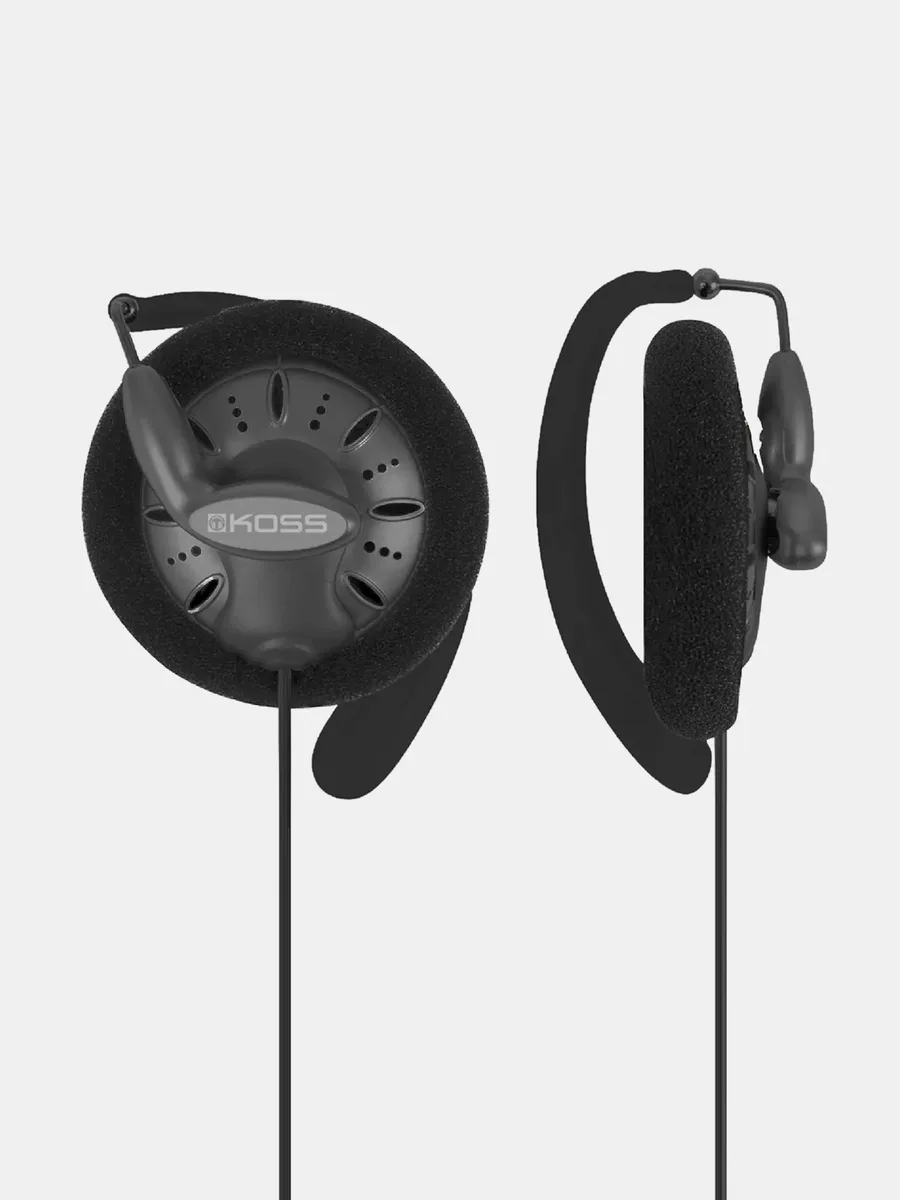
Koss
Wired & Studio
The KSC75 is the running joke of the audiophile world that stopped being a joke: a $20 clip-on with titanium-coated drivers that enthusiasts routinely rank against headphones ten times its price. The sound is open, energetic, and surprisingly detailed — brighter and leaner than its sibling Porta Pro, with tight (not deep) bass and a spacious, airy presentation from the fully open earclip design. Owners' main gripes are physical, not sonic: the plastic ear clips are fiddly, the build feels like a cereal-box prize, and there is precisely zero isolation, so these are desk-and-home headphones only. The most popular move among long-term owners is ditching the clips entirely and mounting the drivers on a cheap third-party headband, which fixes comfort completely. At 60 ohms and 101 dB sensitivity they run fine from any jack, and Koss's limited lifetime warranty covers the inevitable abuse. Treble-sensitive listeners may find the upper mids spicy, and bass-heads should look elsewhere. But dollar-for-dollar, this remains maybe the single best value in wired audio — most people who try one end up buying spares.
Best for The cheapest real taste of audiophile sound
OneOdio
Wired & Studio
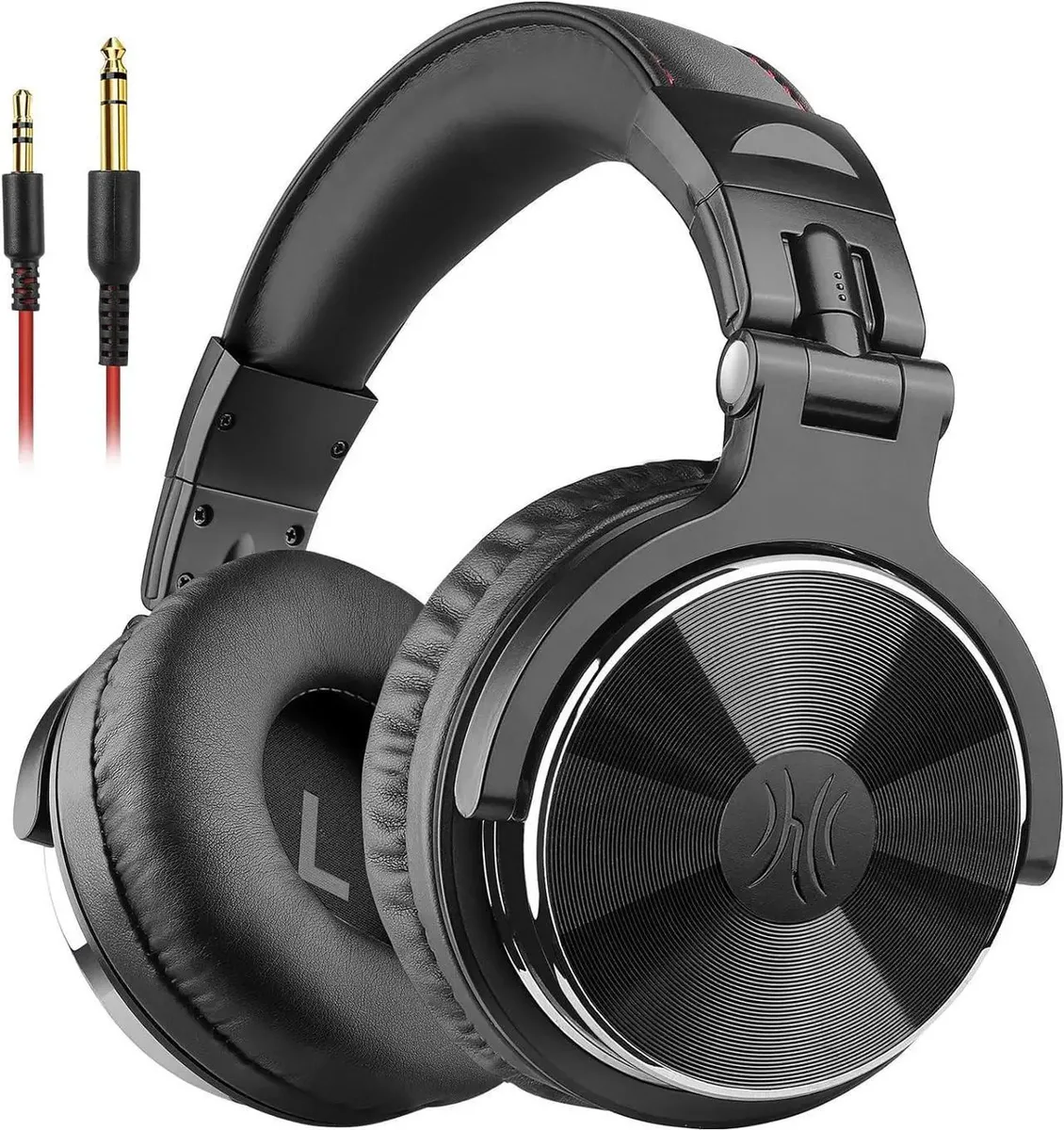
The Pro-10 is the Amazon best-seller that shows up in every 'budget DJ headphone' search, and for around $30 it's a legitimately smart package. The party trick is connectivity: a 3.5mm jack on one cup and a 6.35mm jack on the other, so the same headphone plugs into a phone, an audio interface, or a mixer with no adapter, and the spare jack doubles as a share port to daisy-chain a second headphone. You get two cables in the box — a long coiled 3.5-to-6.35mm and a shorter mobile cable with a mic. The 50mm drivers deliver a mild V-shaped sound with boosted bass that owners describe as fun and surprisingly balanced for the price, though it's not the flat 'studio monitor' tuning the marketing implies, and the treble has a cheap sheen on cymbals. Padding is plush for the money and the cups swivel 90 degrees for one-ear monitoring, but the clamp runs firm and the build is unmistakably plasticky. Isolation from the closed cups is decent for tracking vocals or podcasting without bleed. Treat it as a do-everything beater for recording, DJ practice, and desk duty — not a mixing reference — and it over-delivers.
Best for Cheap do-it-all monitoring and podcast duty
Moondrop
Wired & Studio
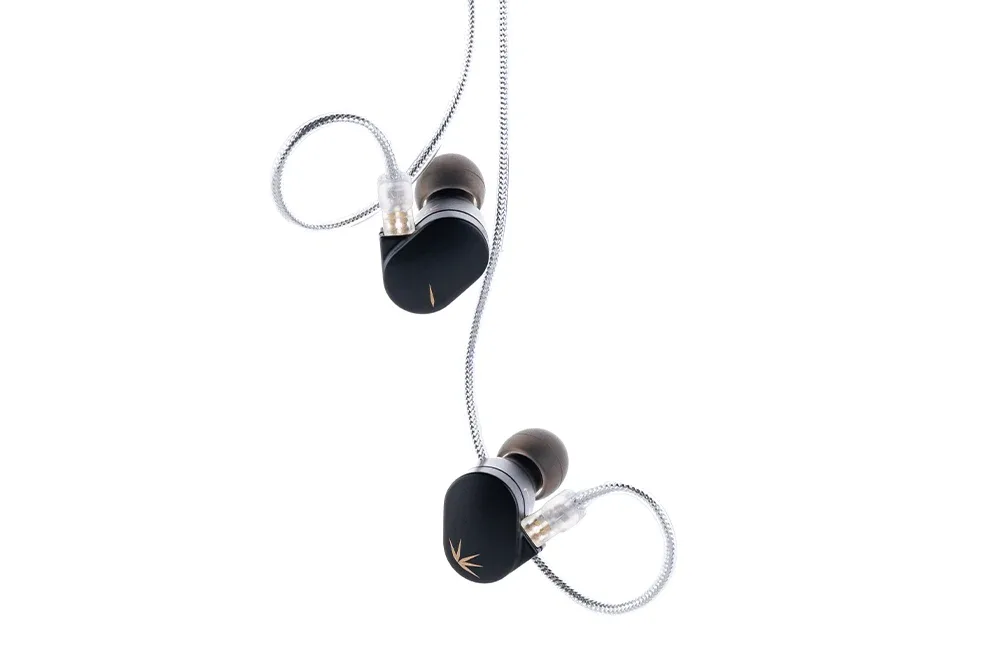
The original Chu was the $20 IEM that broke the internet; the Chu II fixes its one fatal flaw by making the cable detachable via standard 0.78mm 2-pin connectors, so a snagged cord no longer kills the whole earphone. You still get tiny zinc-alloy shells that look and feel like they cost several times the price, and a 10mm dynamic driver tuned to Moondrop's house curve — though owners note this one is warmer and bassier than the near-neutral original, with thicker mids and softer treble. At 18 ohms and 119 dB/Vrms it gets loud from literally anything with a jack, no amp or dongle upgrade required. It remains a superb first IEM: safe tuning, grown-up build, real accessories including Moondrop's Spring Tips. The caveats are honest ones for the money — the included cable is thin and tangly, the metal shells can feel cold and slightly heavy in small ears, isolation is average, and owners who compare it head-to-head with the 7Hz Zero:2 tend to prefer the Zero:2's cleaner, more balanced presentation. There's also a DSP variant with USB-C and a mic if you're dongle-averse. For a gift, a gym beater, or a first step out of gas-station earbuds, it's still one of the easiest $20 recommendations in audio.
Best for A first IEM or giftable $20 upgrade
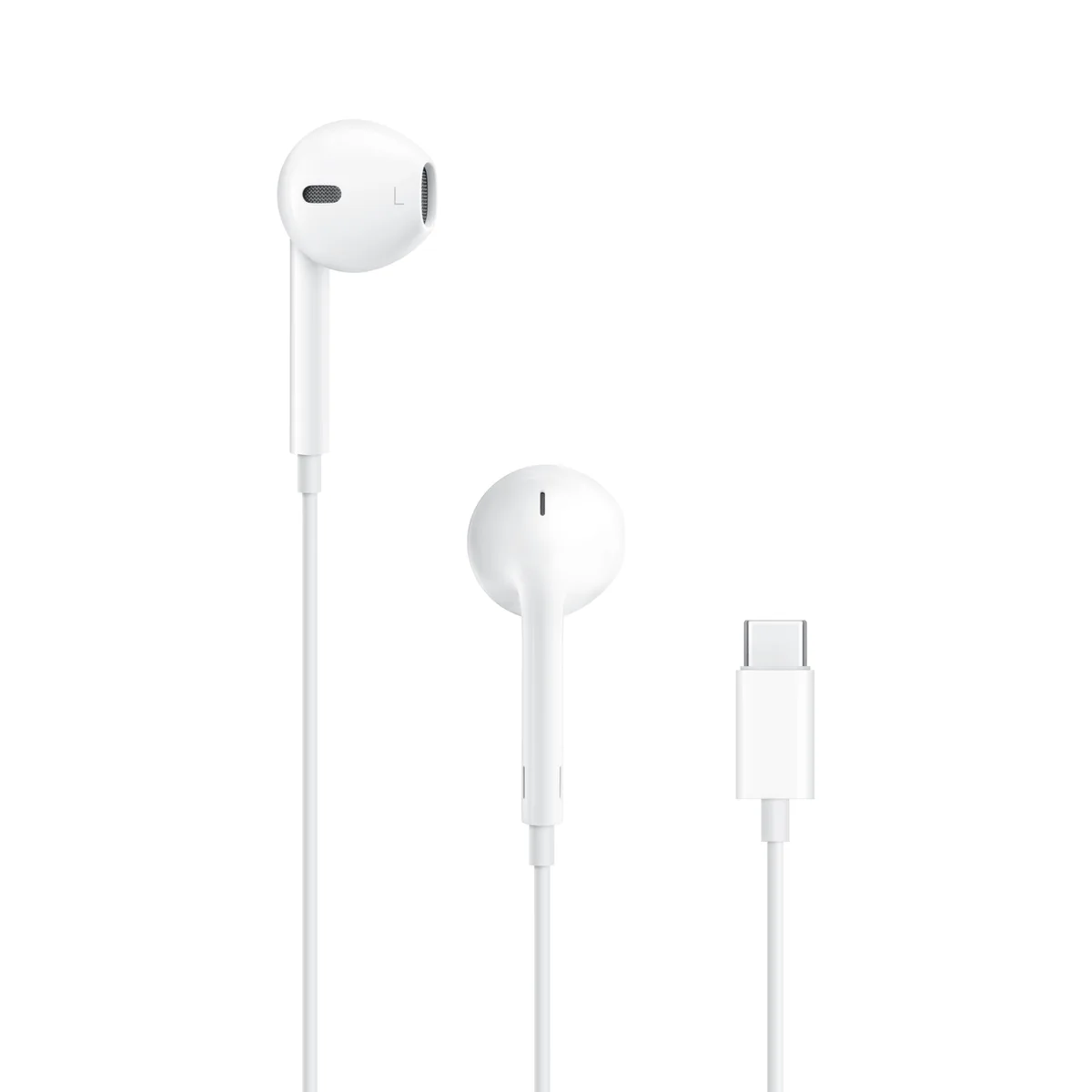
Apple
Wired & Studio
Seventeen dollars gets you Apple's wired earbuds with a small DAC built into the USB-C plug, which is quietly the whole story: they bypass your phone's jack-less design and play at full volume from any USB-C phone, iPad, or laptop — an amp is beside the point, and Apple doesn't even publish an impedance figure. The open, unsealed fit is love-it-or-hate-it: no silicone tips to fuss with and you can hear traffic, but there's zero isolation and bass is thin unless they happen to fit your ears just right. The inline remote and mic are genuinely good — many people keep a pair purely for calls because they beat most Bluetooth mics. Longevity is fine but not endless; the cable survives pockets better than the old 3.5mm version, and at this price they're effectively disposable.
Best for cheap reliable calls and commutes
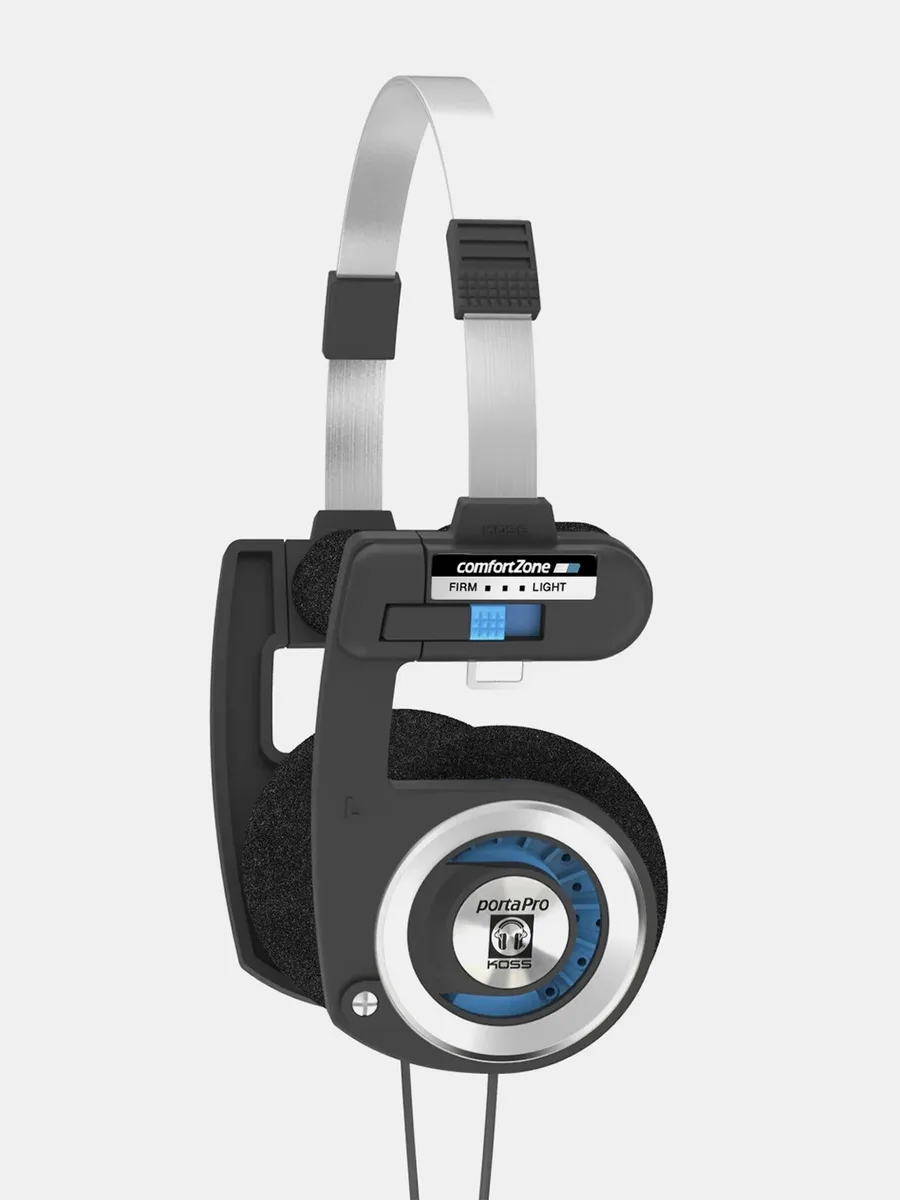
Koss
Wired & Studio
The Porta Pro has been sold essentially unchanged since 1984, and there's a reason it's still a cult favorite: some of the most natural, feel-good bass you can buy under $50, in an open-back design that weighs about 60 grams. Owners who've been through a dozen pairs describe the sound as warm and forgiving — rich low end, smooth mids, and a relaxed top end that never fatigues, though everything above the presence region is noticeably soft compared to modern neutral headphones. Because it's open, it leaks in both directions: everyone on the bus hears your music, and you hear the bus. The retro headband with its 'comfortZone' sliders is featherweight and genuinely comfortable for hours, though the temple pads pinch some heads and the folding mechanism famously grabs hair. Build is springy steel and thin plastic that looks fragile but survives decades, and Koss backs it with a limited lifetime warranty that owners actually use. The 60-ohm, 101 dB drivers run fine from a phone dongle — no amp needed. The cable is fixed and dual-entry, which is the main modern annoyance. If you want a cheap open-back for the desk or a nostalgic daily driver with real bass, this is still one of audio's great bargains.
Best for Warm, comfy open-back sound on a budget
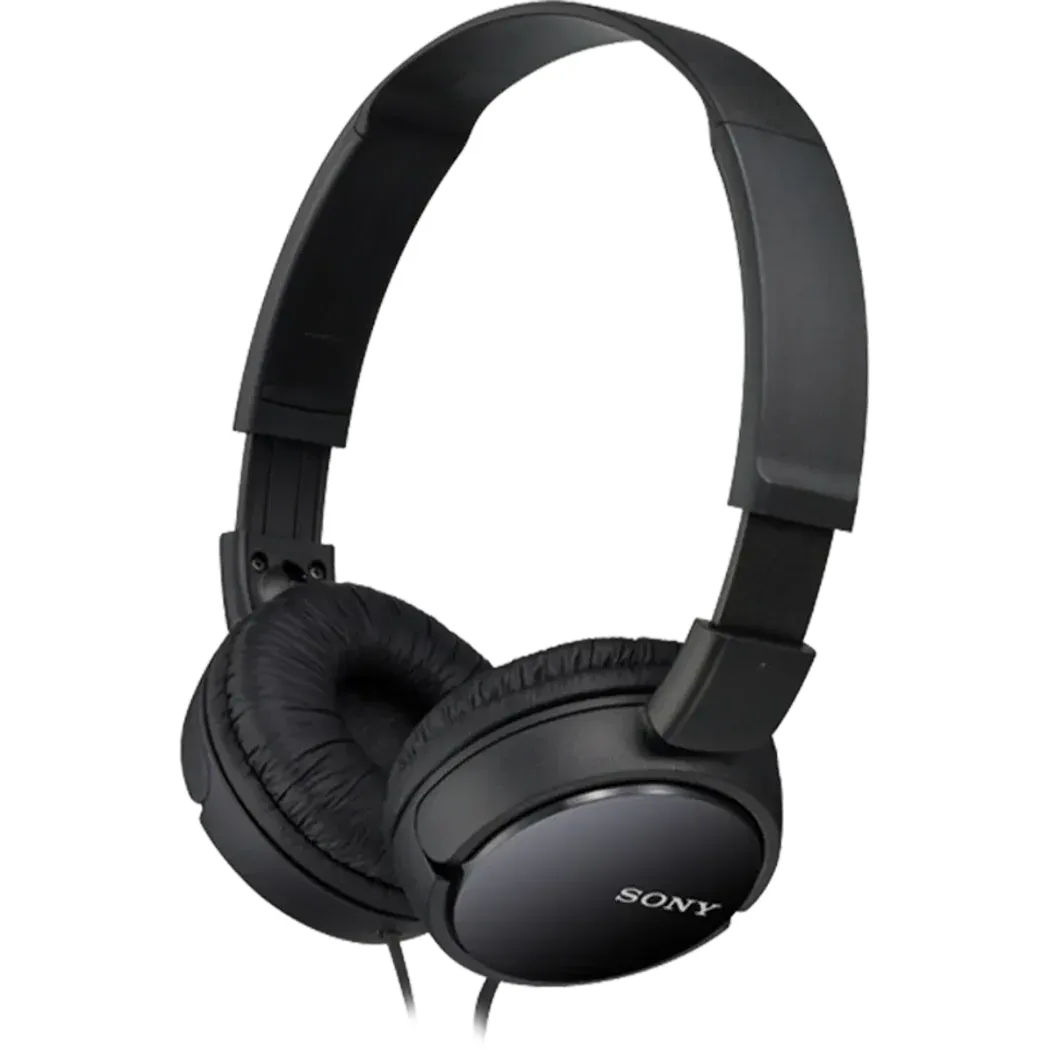
Sony
Wired & Studio
This is the ten-dollar headphone that's been in every drugstore, backpack, and lost-and-found bin for a decade, and it's genuinely fine for what it costs. The 30mm drivers push a warm, bass-and-mids-forward sound that owners consistently describe as better than a $10 headphone has any right to be, though the top end gets rolled off and can turn harsh when you push the volume. At 120g with a fold-flat swivel design, it's light enough to forget in a bag as a permanent spare. The honest caveats are all comfort and build: the pads are thin pleather over small on-ear cups, the headband can pinch larger heads after an hour, and the non-detachable 1.2m cord is the usual failure point. There's no mic or remote — Sony sells the ZX110AP if you need one — and at 24 ohms it runs happily off any phone dongle or laptop jack. Don't expect isolation, soundstage, or all-day comfort; do expect a cheap, durable, name-brand headphone that embarrasses gas-station earbuds. If your use case is 'backup pair,' 'kid's Chromebook,' or 'office Zoom audio,' this is the default answer.
Best for A dirt-cheap spare or first wired headphone