Beats
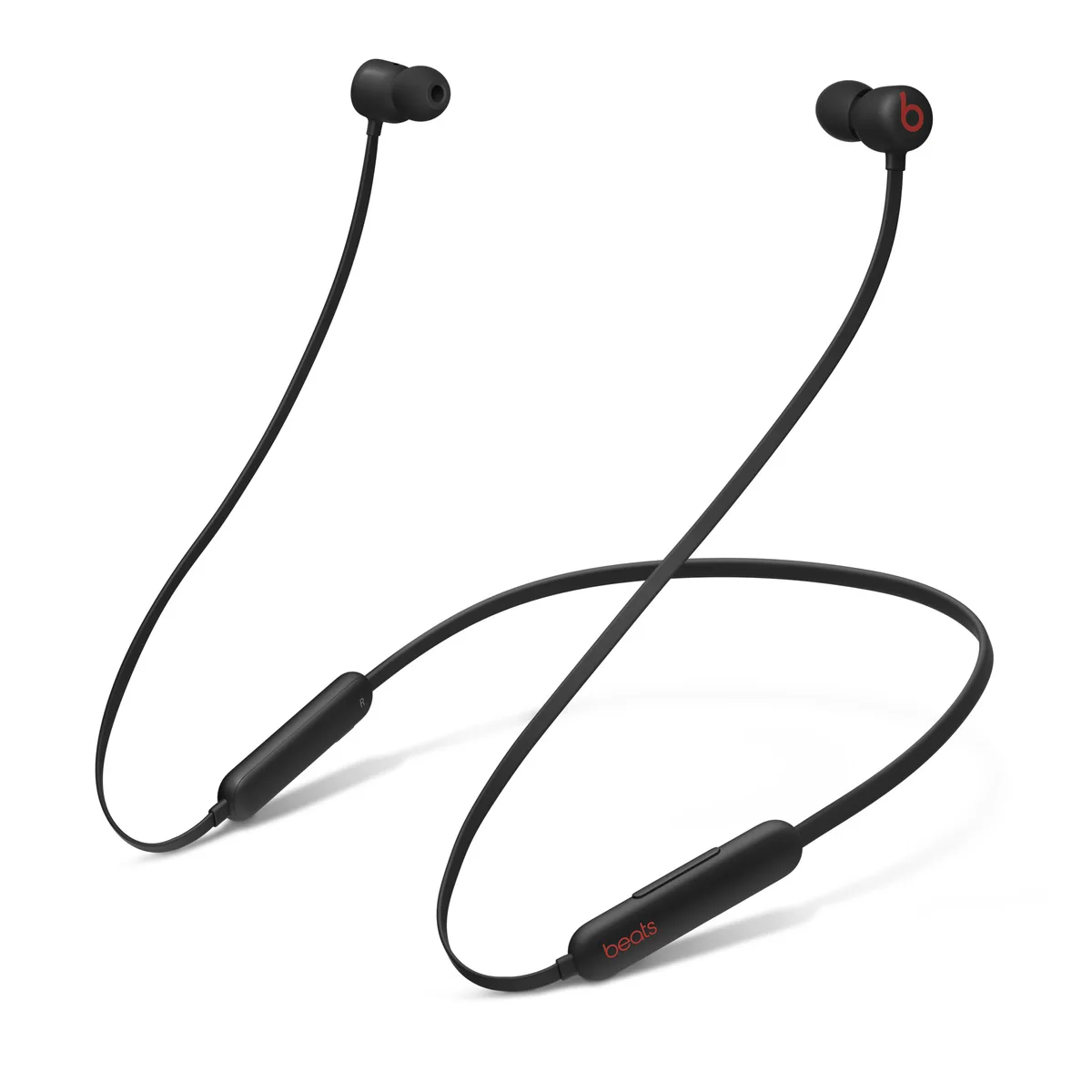
Beats Flex
The Flex is the last neckband standing in Apple's lineup, and it persists because the format still solves problems true wireless can't: 18.6 grams total (the weight listed is the whole neckband unit, not per bud), nothing falls out or gets lost, the magnetic buds click together to auto-pause, and one USB-C charge covers a 12-hour day. The W1 chip gives instant pairing and iCloud device switching on Apple gear; on Android it's ordinary Bluetooth with SBC/AAC. Be clear about what $40 buys: no ANC, no transparency, no charging case top-ups, and no official sweat resistance — treadmill users report dead units, and water damage isn't covered. The inline remote is plasticky and the cable snags on collars. Long-term owners praise the reliability but note battery capacity fades after a couple of years of daily charging.
We may earn a commission. Price and availability on Amazon’s site may differ.
Specifications
Highlights
Pros
- ✓12-hour battery covers a full day on one charge
- ✓W1 chip gives instant pairing across Apple devices
- ✓Magnetic buds click together and auto-pause playback
- ✓Neckband means nothing falls out or gets lost
- ✓Fast Fuel: 10 minutes buys 1.5 hours
- ✓18.6 grams total disappears around your neck
Cons
- ✗No official sweat resistance — treadmill users report dead units
- ✗No ANC or transparency mode at all
- ✗No charging case, so dead means dead until USB-C
- ✗Plasticky inline remote and collar-snagging cable
- ✗Owners report battery capacity fades after two years of daily use
Owner Insights(260 discussions)
The Beats Flex survives in owner conversations for one reason: it's the cheapest way to get Apple's W1 pairing chip, and it nails the unglamorous job of being a daily beater. Owners consistently describe it as the pair you buy for commuting, chores, and calls - the neckband can't fall out of a pocket onto subway tracks, the magnetic buds click together and pause automatically, and battery life genuinely lasts most of a week of casual use. Nobody buys the Flex for audiophile reasons, and owner discussions are refreshingly honest about that.
In practice, sound is the compromise. Music comes across balanced but flat - surprisingly un-bassy for the Beats badge - while podcasts, YouTube, and calls are where the Flex feels right at home. Call quality gets consistent praise indoors. Comfort is excellent for hours thanks to the 19-gram weight, though runners complain about cable bounce, and the total absence of any sweat resistance rating is the sharpest owner warning: these die at the gym. On iPhone, pairing and device switching are instant; Android owners get an ordinary Bluetooth experience and are usually pointed elsewhere. Long-term, batteries hold up for a couple of years of heavy use before fading - a fair lifespan at this price, but worth knowing.
Buy the Flex if you're an iPhone user who wants a can't-lose-it, always-charged pair for commuting and calls at $35-50 on sale. Skip it for workouts (no IP rating) or if music quality is the point. The strongest alternatives owners name are the Soundcore Life series or JLab buds for gym duty, and stepping up to used/refurb AirPods or the Skullcandy Dime 3 at half the price if you just need cheap true wireless. Within Apple's world, the Flex remains the budget floor - everything better costs at least double.
Pros
- +Apple W1 chip gives instant one-tap pairing and iCloud device switching - owners on iPhone say setup is as seamless as AirPods at a third of the price
- +Real-world battery of 10-12 hours covers multiple days of commuting, and a 10-minute charge adds about 90 minutes
- +Magnetic earbuds click together to auto-pause music and hang around your neck - owners love never fishing for a case or losing a bud
- +Neckband design means they're nearly impossible to lose or drop on the subway, a big reason owners buy them over true wireless
- +Very light (about 19g) with a tangle-resistant Nitinol cable - owners stuff them in a pocket and they come out ready
- +Strong mic performance for calls at the price - callers report clear voice indoors
- +Charges over USB-C rather than a proprietary connector, so one cable covers phone and headphones
- +Frequently on sale for $35-50, where owner consensus flips from 'fine' to 'obvious buy' for a beater/backup pair
Cons
- −Music sound quality is the recurring letdown - owners describe it as flat and bass-light for a Beats product, fine for podcasts but underwhelming for music
- −No water or sweat resistance rating at all - owners warn against gym use, and sweat-killed pairs are a common story
- −Battery degrades noticeably after 2-3 years of heavy use, with some long-term owners reporting pairs that eventually won't hold a charge
- −Passive isolation only - no ANC, and they can't block train rumble or plane noise on a commute
- −Android users lose the W1 magic - pairing is standard Bluetooth with no fast-switching and the Beats app adds little
- −The long cable, while tangle-resistant, bounces against your neck when running and catches on jacket collars
- −No auto-play on separating the magnetic buds on some firmware/device combos - the auto-pause works, resuming is inconsistent
- −Volume/control module sits on the left cable and takes muscle memory - easy to hit the wrong button blind
Common Questions
Compare the Beats Flex
Related headphones
More from Beats →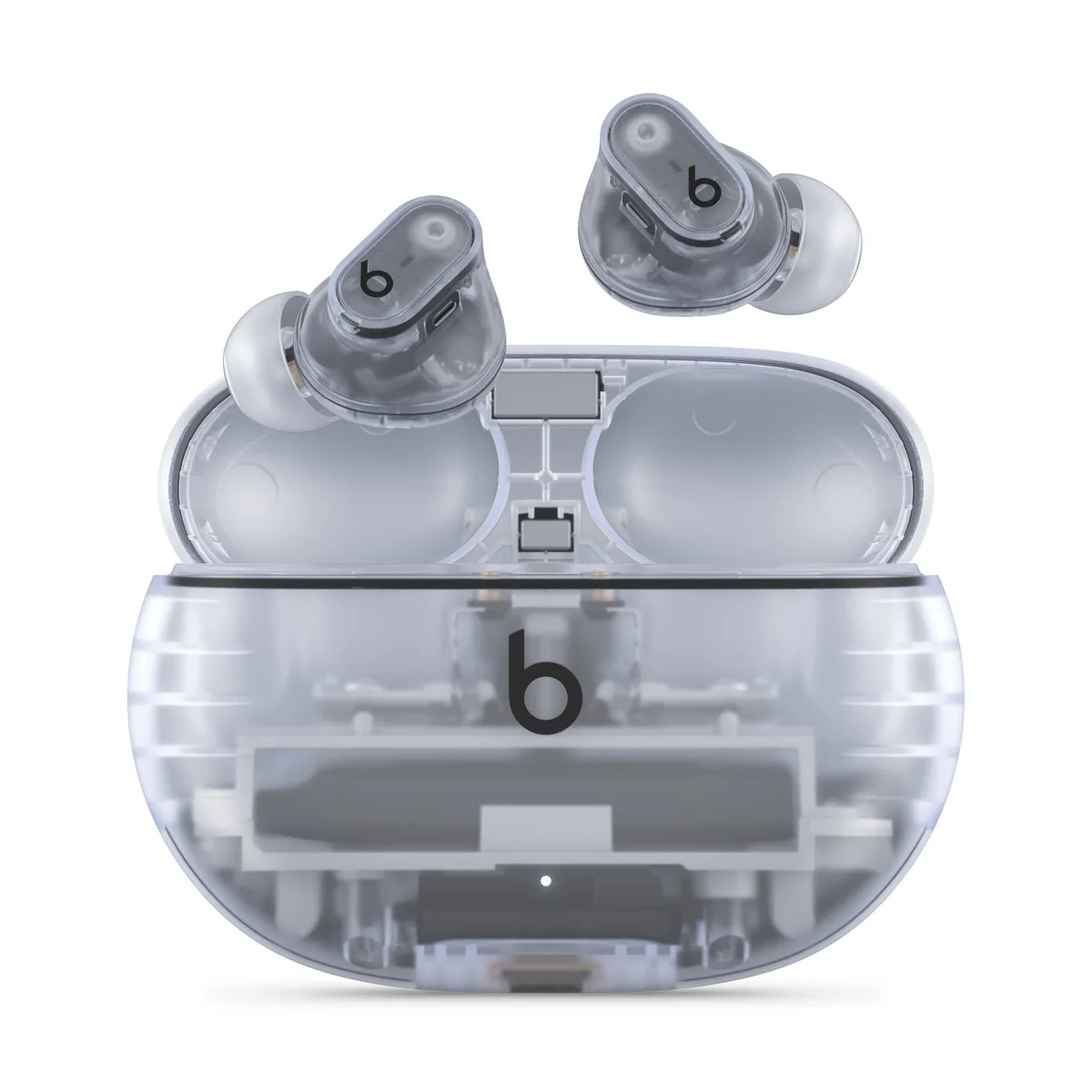
Beats
Wireless Earbuds
The Studio Buds+ occupy a unique niche: near-native behavior on both platforms, with one-touch pairing and Find My on iPhone plus Fast Pair and Find My Device on Android — no other brand bridges the gap this cleanly. The transparent shell looks great, transparency mode is genuinely natural, spatial audio works with Apple Music, and Fast Fuel adds an hour in five minutes. The compromises are real, though: ANC is noticeably weaker than a Space A40 at half the price, and there's no multipoint, no wireless charging, no wear detection, and no EQ of any kind. Battery runs 6 hours with ANC on, and owners note the 36-hour case total assumes ANC off. Owner sentiment is dragged down by intermittent dropout complaints and a left-bud drain issue on early units. At the frequent $100 sale price they make sense; at $170 list they don't.
Best for households split between iPhone and Android
Beats
Wireless Earbuds
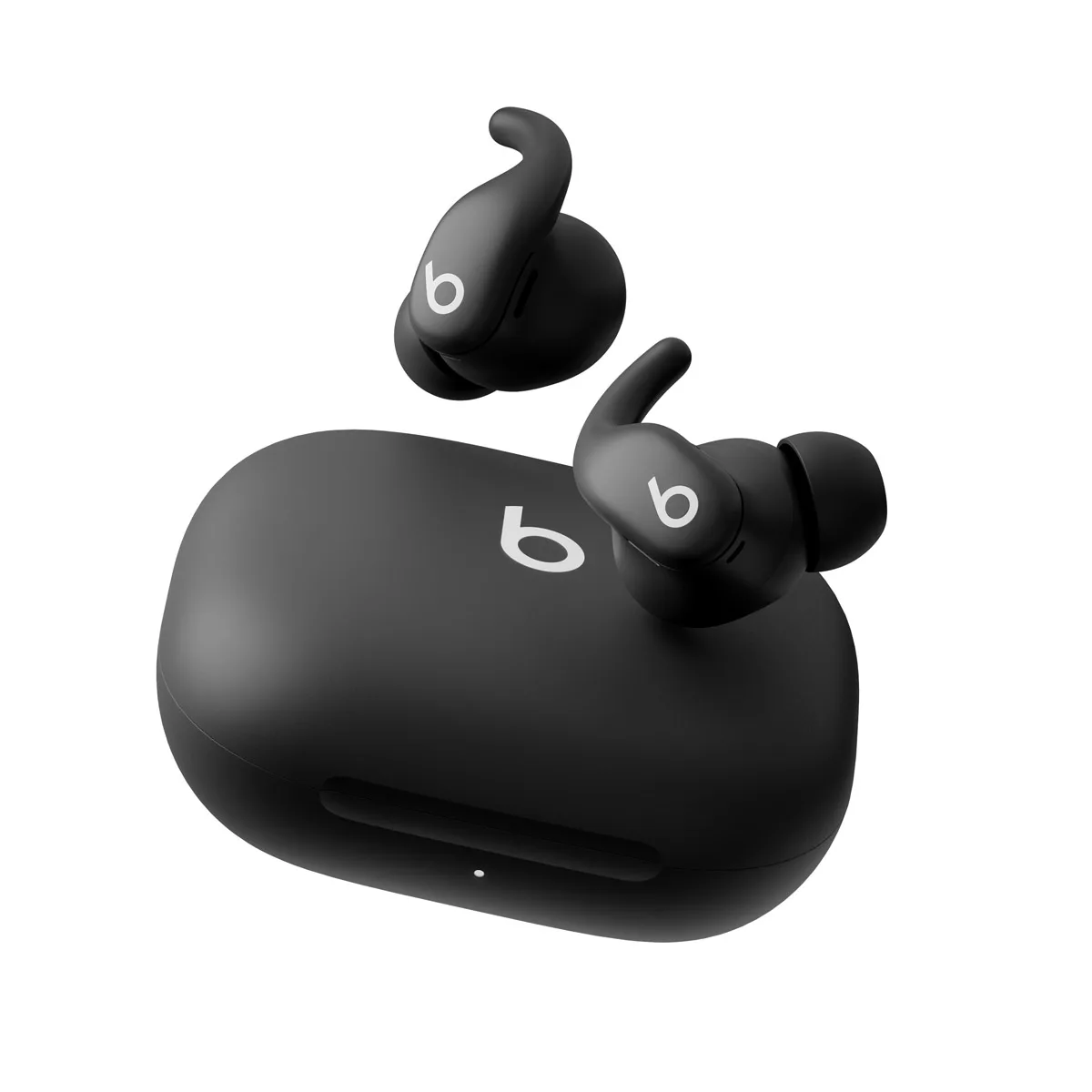
This is the Beats Fit Pro's direct replacement — Apple discontinued the Fit Pro in late 2025 — and it keeps the same winning idea: a wingtip that locks the bud in place through burpees without an over-ear hook. The wingtip is now 20% more flexible, the buds are slightly smaller, and the case shrank 17%; owners describe them as 'incredibly comfortable, yet locked in,' and reviewers call the jump in ANC and sound bigger than expected. Six hours with ANC on plus 24 total is fine for a gym bud, Fast Fuel buys an hour in five minutes, and because it's Apple inside you get one-tap pairing, Find My, hands-free Siri, and Personalized Spatial Audio on iPhone — plus a real Android app, which AirPods never get. The honest caveats: it's the old H1 chip, not the H2, so no Adaptive Audio or the Pro-tier tricks; the case lost wireless charging that the Fit Pro had; IPX4 is the minimum acceptable for a workout bud; and some owners find the wingtip pressure tiring after a couple of hours. AAC only and no EQ, as always with Beats. For runners who dropped AirPods one too many times, this is the mainstream pick.
Best for gym-goers who want AirPods features that stay put
Beats
Wireless Earbuds
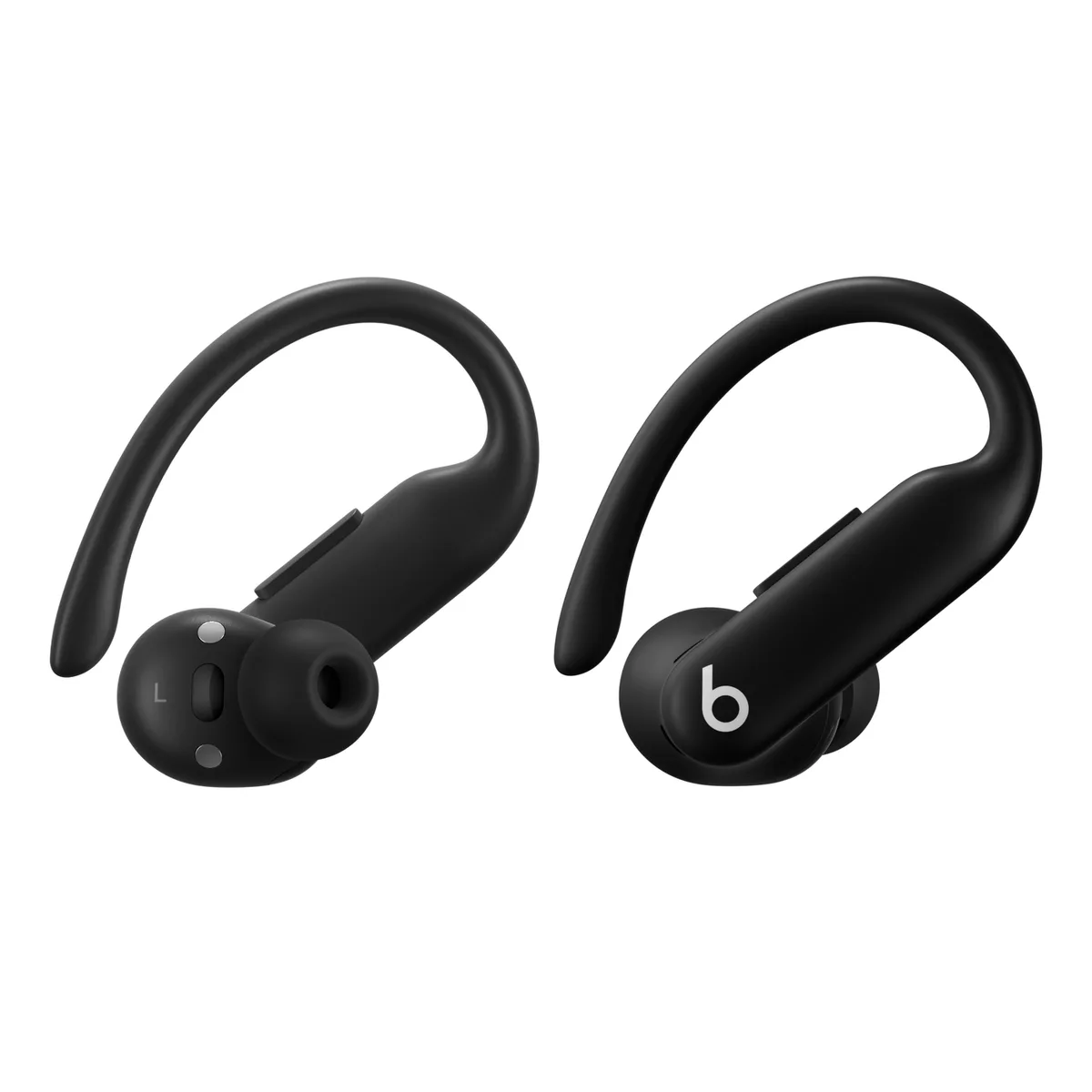
Six years after the original, Apple rebuilt its gym icon around the H2 chip, and it shows: real ANC and Transparency (rare in an earhook design), Personalized Spatial Audio, and optical heart-rate sensors in each bud that broadcast to gym equipment and fitness apps. The redesigned nickel-titanium hooks are lighter and lower-profile, the buds weigh 8.7g, and the case — now with wireless charging — shrank dramatically. Battery is 10 hours per bud (closer to 8 with ANC on) and 45 total. The gripes owners actually report: IPX4 is thin for a sweat-focused product, there's no traditional multipoint (Apple-ecosystem switching only), Android users lose Spatial Audio and heart-rate-to-app support, and there's no EQ anywhere. Fit with glasses takes negotiation, as with any hook. At the frequent $200 street price these are the default serious-training buds for iPhone owners.
Best for iPhone-owning gym rats who want ANC and HR data
Beats
On-Ear Headphones
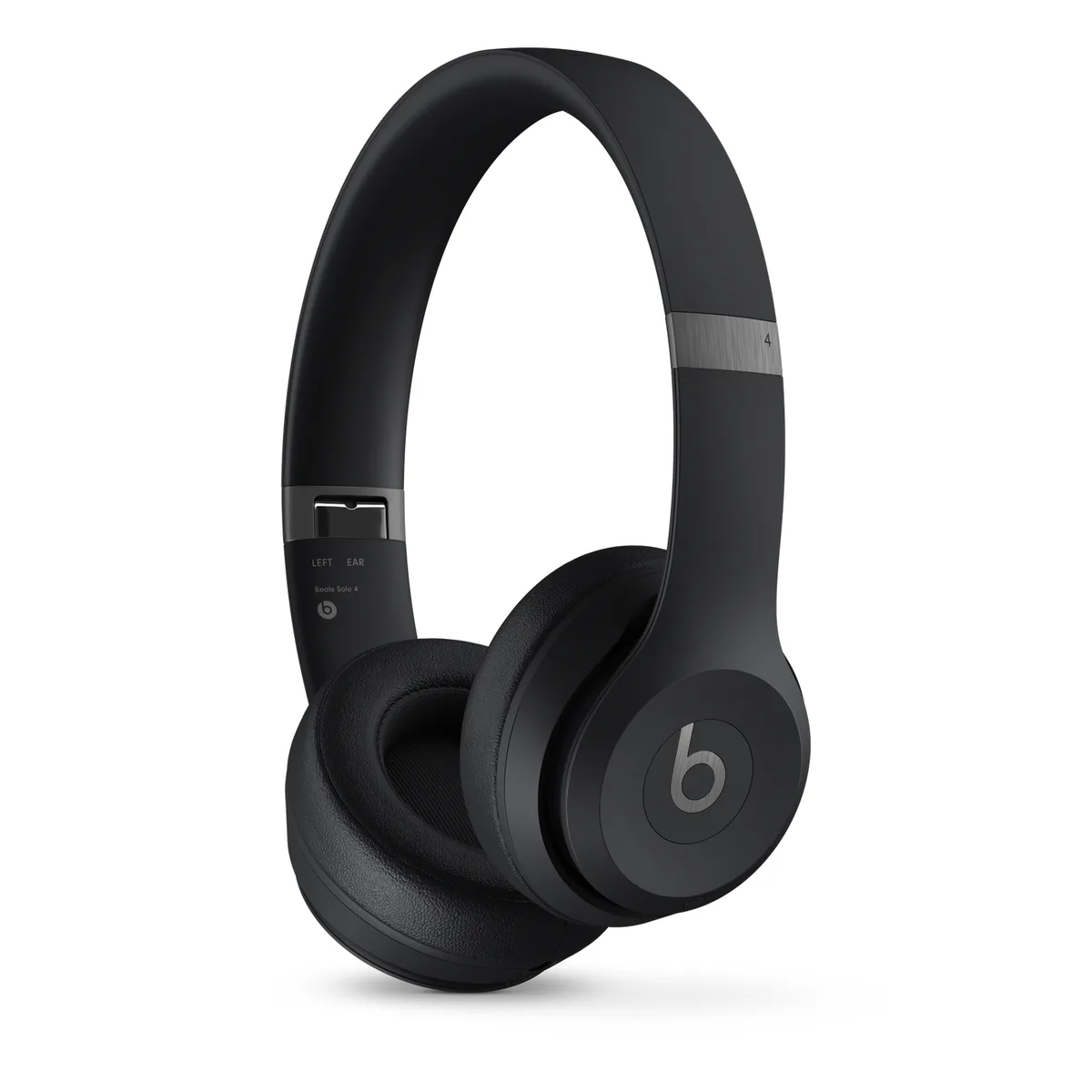
The Solo 4 keeps the classic Beats on-ear formula but fixes the two old sins: battery (now a huge 50 hours) and sound, which is far more balanced than the bass-cannon Solos of the 2010s while still warm. It also does something rare at any price — genuine lossless audio over USB-C or the 3.5mm jack. The honest problems: there's no ANC at a $200 list price, which is why you should only buy at the frequent $99-130 street price, and the trademark Solo clamp is still here. Comfort is fine for an hour or two, then your ears know about it, especially with glasses. There's no EQ app on either platform, and no true multipoint — you get Apple's ecosystem switching and one-touch pairing on Android instead. Personalized Spatial Audio with head tracking works great on iPhone. Fit-dependent, but the battery is untouchable.
Best for iPhone owners who want on-ear style with marathon battery
Beats
Over-Ear Headphones
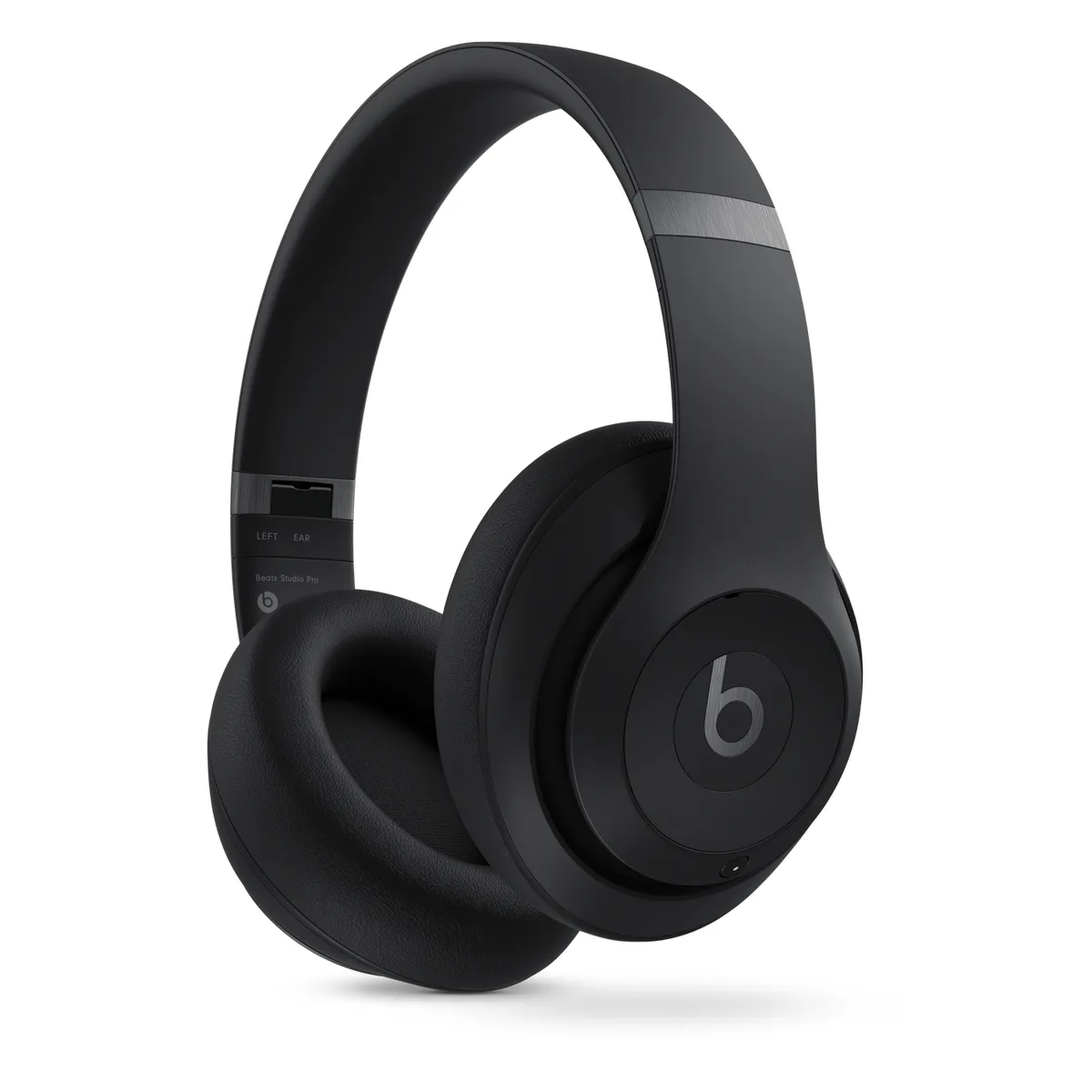
At its $349 list price the Studio Pro was a hard sell; at the $170 it now regularly hits on Amazon — clearance pricing as a successor looms — it's one of the best deals in ANC headphones. The custom 40mm drivers are far better tuned than old Beats, the USB-C port doubles as a lossless DAC with three sound profiles, and it's the rare headphone with first-class features on both iOS (one-tap pairing, Personalized Spatial Audio, Find My) and Android (Fast Pair, Google Find Hub). The corners cut are obvious in daily use: no wear detection, no multipoint, no user EQ, and the design is unchanged 2017 plastic with a headband that transmits clamp to the top of your head. Ear cushions aren't user-replaceable and the pleather runs sweaty. Fine trade-offs at this price.
Best for budget shoppers splitting time between iPhone and Android
JBL
Wireless Earbuds
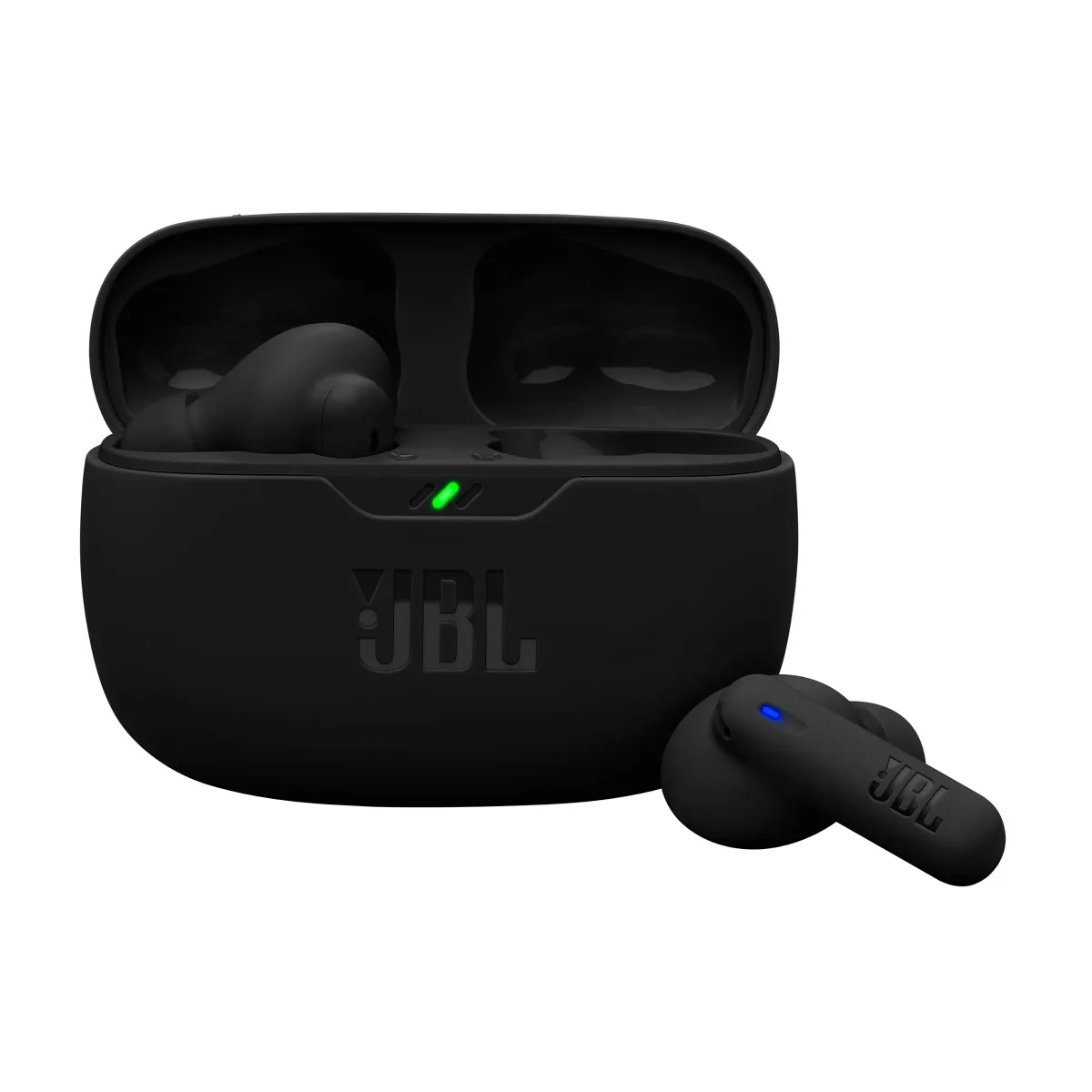
The Vibe Beam 2 packs an almost suspicious amount into a $40 earbud: real ANC with a Smart Ambient transparency mode, multipoint for two devices, IP54 dust and water resistance (the case itself is even IPX2 rated, which nobody else bothers with), and a 40-hour total battery that owners say translates to charging the case about once a week. The 8mm drivers deliver JBL's Pure Bass house sound — warm and bass-forward — and the JBL Headphones app gives you preset and fully custom EQ if you want to rein it in; some owners still wish they went louder and dug deeper. Battery math is honest: 10 hours per charge with ANC off, 8 with it on, and a 10-minute speed charge buys a full 3 hours, one of the best quick-charge ratios in the class. The ANC is a fixed system rather than adaptive, and it handles office hum and commute drone well for the price without threatening anything at $100+. The real weak spot is calls: despite the 4-mic array, multiple owners report the other end struggles to hear them anywhere noisier than a quiet room. No wireless charging either. As an everyday set-and-forget bud for music and podcasts, though, this is one of the strongest value plays JBL makes.
Best for Weekly chargers who hate babysitting a battery case