Are Expensive Headphones Worth It? The Price-Tier Breakdown
The gap between $25 earbuds and $250 earbuds used to be embarrassing. It isn't anymore — the budget tier has improved faster than any other consumer electronics category — which makes 'how much should I spend?' a genuinely interesting question with a tier-by-tier answer.
What each tier buys
| Tier | What you get | What you give up | Who it's for |
|---|---|---|---|
| $20-60 | Real ANC, app EQ, huge battery-per-dollar | Mic quality, refinement, durability | Gym pairs, kids, first buds, loseable spares |
| $60-150 | Multipoint, strong ANC, wireless charging | The last 20% of ANC and polish | Most people, most of the time |
| $150-300 | Flagship ANC, natural transparency, ecosystems | Value — you pay for the frontier | Daily commuters, frequent flyers, all-day callers |
| $300+ | Materials, status, the last few percent | Rational cost-benefit | Enthusiasts who know exactly why |
The jumps are not evenly spaced. $25 to $60 is the biggest audible leap on this page: from 'plays sound' to genuinely good tuning, workable ANC, and app EQ. $60 to $150 is the second real jump — last year's flagship features (strong ANC, multipoint, wireless charging, better mics) at mainstream prices. $150 to $300 buys the current flagships: the best ANC and transparency, ecosystem tricks, refinement. Past $300, you're deep into diminishing returns unless you're buying studio tools or audiophile wired gear, where the money goes to drivers instead of chips.
The case for spending more
Hours. If headphones are on your head six hours a day, a $250 pair costs pennies per hour of use and the flagship advantages — comfort engineering, mics that survive wind, ANC that makes flights restful, transparency you'll actually leave on — compound daily. Frequent flyers hit the clearest yes: strong ANC is the difference between arriving wrecked and arriving fine, twice a month.
There's also a durability argument that only partly survives contact with reality: expensive over-ears with replaceable pads and headbands genuinely last (and wired studio gear lasts decades), but expensive earbuds die of the same battery chemistry as cheap ones. A $250 earbud with a dead battery at year three cost you $83 a year; the $50 pair cost $25 a year. Earbuds are consumables at every price; over-ears and wired gear are where 'buy it for life' has any meaning.
The case for spending less
The budget tier's dirty secret is that it's mostly the same Shenzhen supply chain that builds the flagships, minus the R&D line items. Blind-tested on sound alone, well-reviewed $50 buds embarrass their price. If your use is a gym hour and podcasts, flagship money buys you features you'll never invoke. And cheap pairs carry a freedom no flagship offers: you can drop one in a lake and shrug.
The rational strategy for most people is the middle path: spend $60-150 on the pair you'll use most, spend $25 on the abuse pair, and revisit in three years when the batteries — all batteries — have aged out. Buy the expensive pair only when you can name the specific flagship feature your week actually needs.
Headphones mentioned in this guide
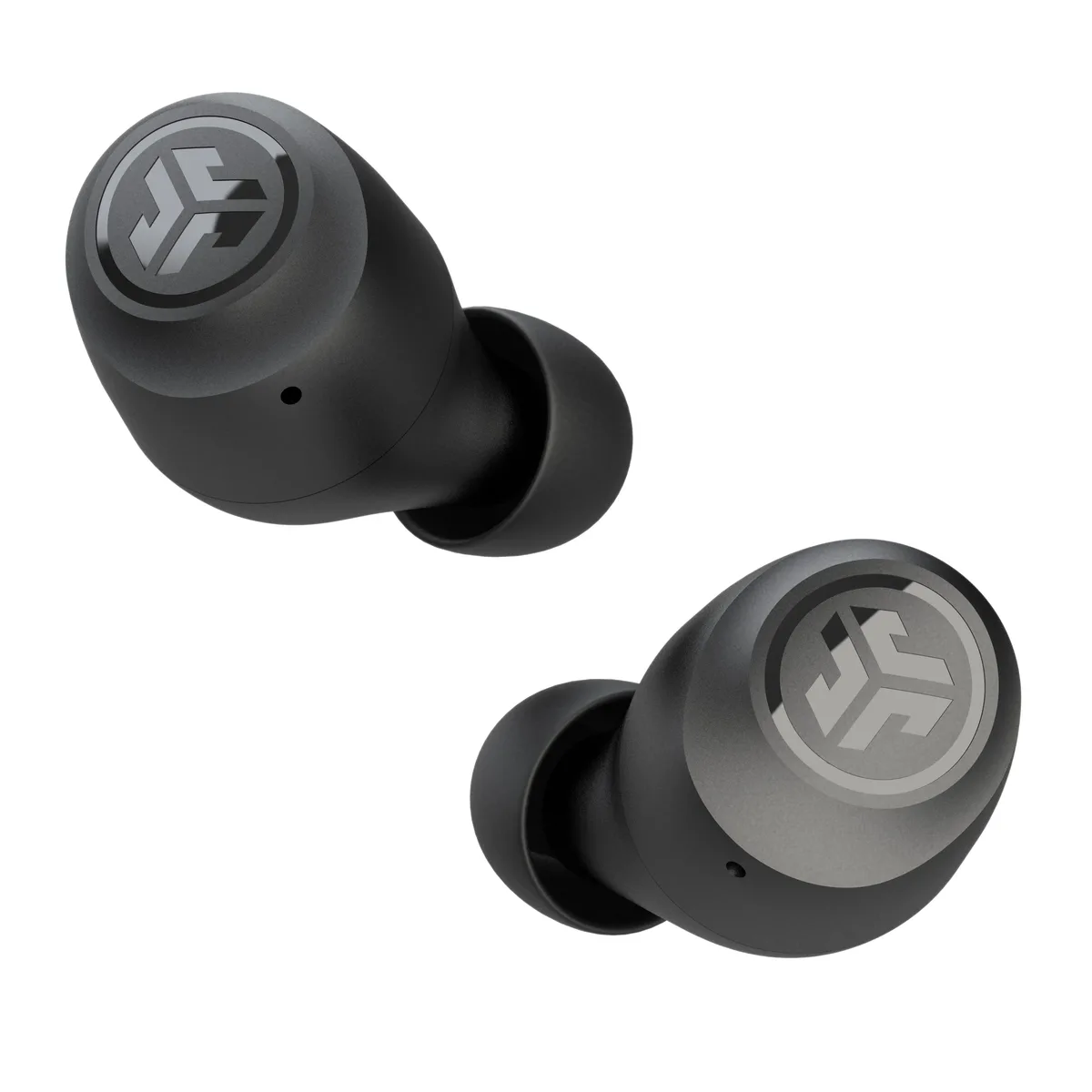
JLab
Wireless Earbuds
JLab's follow-up to the mega-selling Go Air Pop keeps everything that made the original a default recommendation: tiny buds, a case with the USB-C cable integrated right into it, and 9 hours per charge with 35 total. New here are Bluetooth 5.3, Google Fast Pair, and full custom EQ through the JLab app instead of just the old three-preset EQ3 cycling. Owners are blunt about the tradeoffs: the mics are rough on calls and nearly unusable in wind, touch controls trigger accidentally when you adjust a bud, and there's no ANC, ambient mode, or multipoint — Dual Connect just means either bud works solo. Bass-forward tuning suits gym playlists more than acoustic tracks. At around $25 with an enormous and consistently warm owner base, they're the safest ultra-cheap buds you can buy.
Best for gym-goers who want cheap, reliable buds
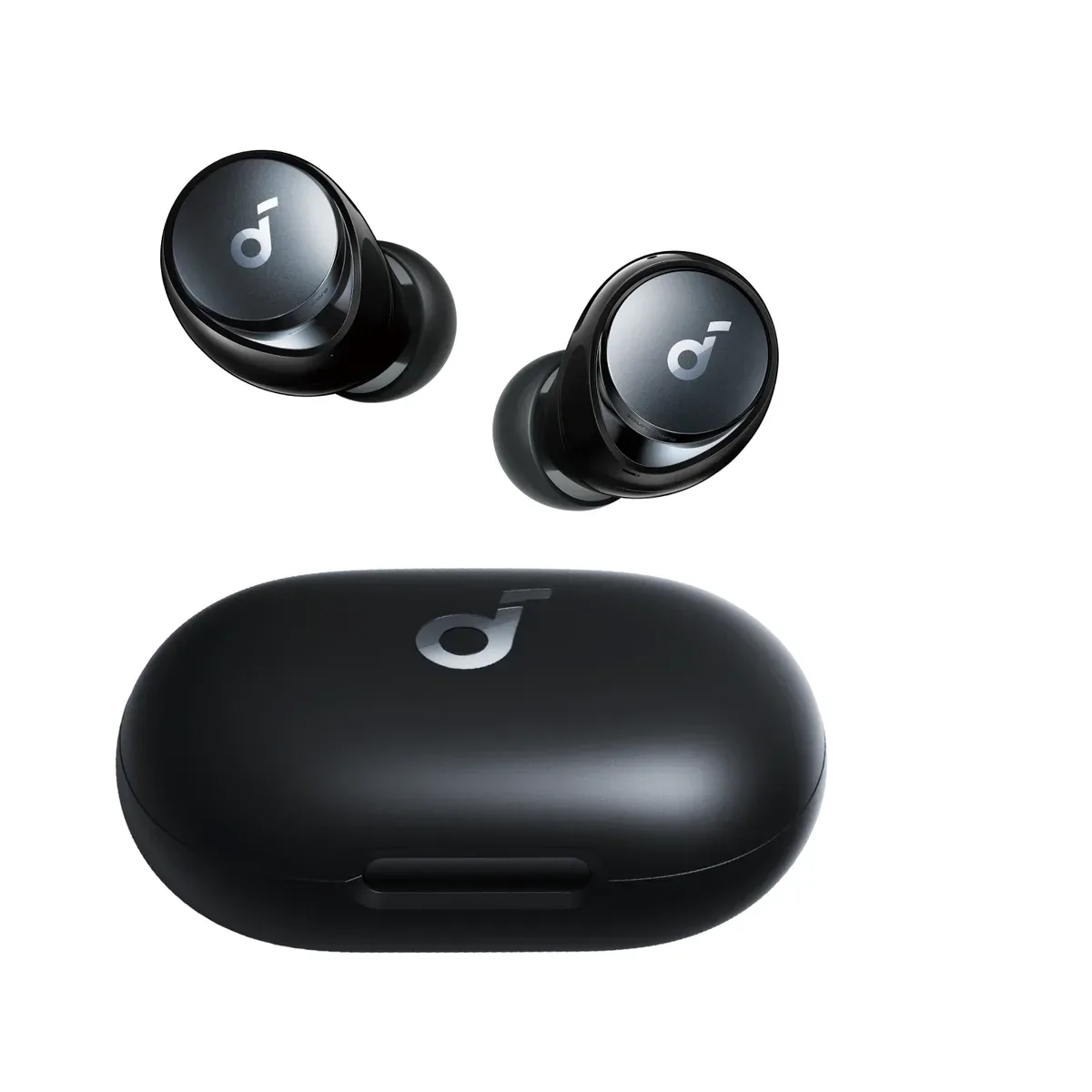
Soundcore
Wireless Earbuds
The Space A40 remains the budget ANC benchmark two-plus years after launch, and recurring $45 sales keep it planted on best-seller lists. The adaptive noise cancelling legitimately hangs with buds twice the price, the buds are small enough to sleep on, and you get LDAC, true multipoint, and a wireless-charging case — a spec sheet nothing else at this price matches. Caveats from long-term owners: LDAC drops battery from 8 hours (ANC on) to roughly 5, the touch controls don't cover volume by default and there's no wear detection, and the mics are mediocre for outdoor calls. Some report one bud developing faster battery drain past the one-year mark, which drags the Amazon average to 4.2. If you want maximum ANC per dollar and can live with average call quality, this is still the pick.
Best for travelers and sleepers wanting cheap ANC
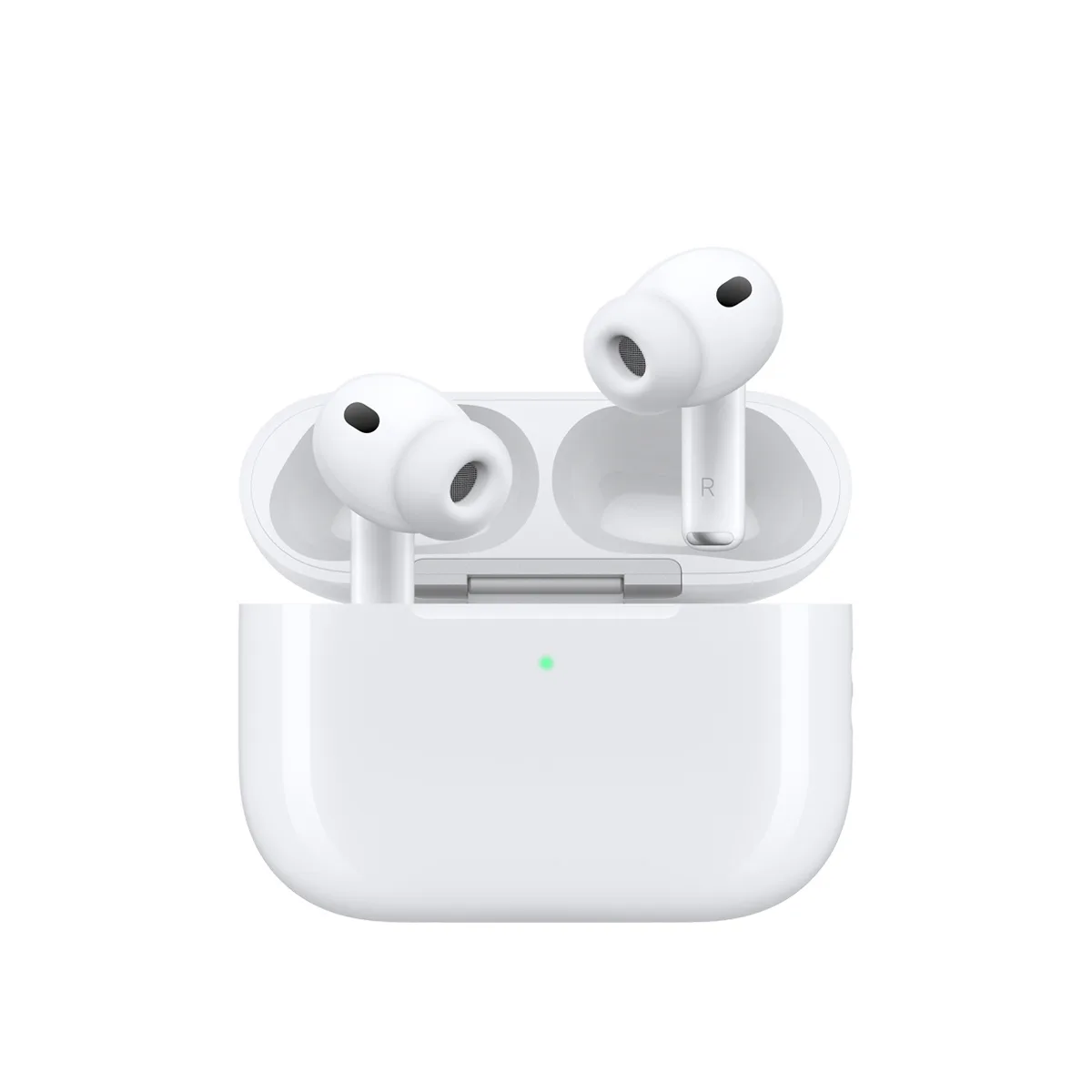
Apple
Wireless Earbuds
If you live on an iPhone, these are the easy answer. Apple roughly doubled the ANC over the Pro 2, added heart-rate sensing, foam-infused tips that actually seal, and bumped water resistance to IP57 — owners consistently say the noise cancellation now trades blows with Bose. Battery went up to 8 hours per charge, though the slimmer case total actually dropped to 24 hours. The honest caveats: you're stuck with AAC (no LDAC or aptX, so Android users lose hi-res and most features entirely), there's no real EQ beyond Apple's presets, and multipoint only works as auto-switching between Apple devices. Transparency mode and call quality remain the best in the business, and the hearing-aid feature is genuinely useful. Some longtime owners still grumble about eventual battery degradation — it's not user-replaceable. On Android, buy literally anything else.
Best for iPhone users who want set-and-forget ANC