
Skullcandy
Skullcandy Dime 3
The Dime 3 is the rare $25 bud with multipoint pairing and built-in Tile tracking, and its thumbnail-sized shells fit small ears that bulkier budget buds can't. Sound is warmer and more balanced than the price implies, and three EQ presets (music, bass boost, podcast) cover the basics. The catch is that everything is button-driven: there's no app at all, so remapping controls or fine-tuning EQ isn't possible, and the multi-press combos take memorizing. Battery is a modest 8 hours per charge and 20 total, charging is USB-C only, and the mic is serviceable indoors but wind shreds it. The lanyard-equipped case feels featherweight to the point of flimsy, and IPX4 covers sweat, not submersion. These are the default cheap, cheerful, losable recommendation.
We may earn a commission. Price and availability on Amazon’s site may differ.
Specifications
Highlights
Pros
- ✓Multipoint pairing at $25 — rivals charge four times more
- ✓Built-in Tile tracking helps find lost buds
- ✓Tiny 4-gram shells fit small ears bulkier buds can't
- ✓Warmer, more balanced sound than any $25 bud should have
- ✓10-minute quick charge buys 2 hours
- ✓Three EQ presets cover music, bass boost, and podcasts
Cons
- ✗No app at all — controls and EQ can't be customized
- ✗Multi-press button combos take real memorizing
- ✗Wind shreds the mic on outdoor calls
- ✗Featherweight lanyard case feels flimsy in hand
- ✗Modest 8-hour buds, 20 hours total with case
Owner Insights(45 discussions)
The Skullcandy Dime 3 has built a reputation as the default answer when someone asks for wireless earbuds under $30 that don't feel like a punishment. Owners consistently express surprise at how competent they are - stable Bluetooth, real multipoint pairing, a physical button instead of finicky touch controls, and a sound signature with enough bass to be fun. The vibe in owner discussions is 'buy these for the gym, as a backup pair, or for a kid, and stop overthinking it.'
In daily use the practical experience is mostly smooth with a few sharp edges. Sound is clear and punchy for the price, though there's no app, no EQ, and no firmware updates - what you hear out of the box is what you get forever. The eight-combination button controls are the most common day-one complaint; owners say they eventually build muscle memory but reference the manual constantly at first. Battery life holds up to the roughly 8-9 hour claim in real use, and the tiny lanyard-loop case is a favorite touch. The real risk owners flag is quality control: most pairs run fine for months, but a visible minority get a charging case that dies early or buds that periodically refuse to reconnect until re-paired.
Buy the Dime 3 if you want the cheapest earbuds that still feel like a real product - they undercut the JLab Go Air Pop's main rival territory and beat most gas-station-tier buds soundly. Skip them if you need ANC, an app, or call quality for outdoor use; the Soundcore Space A40 or JLab JBuds ANC in the $50-80 range add noise cancellation and EQ apps. The strongest direct alternative at the same price is the JLab Go Air Pop, which trades the Dime 3's multipoint and physical button for an EQ app - owners split roughly evenly between the two.
Pros
- +Genuinely surprising sound for ~$25 - owners describe clear audio with solid bass that embarrasses buds twice the price
- +Physical button (tact switch) instead of touch controls - no accidental pauses when adjusting the buds in the rain or with gloves
- +Multipoint pairing at a bargain price - connects to a laptop and phone simultaneously, a feature owners note is missing from far pricier buds
- +Tiny charging case with a built-in lanyard loop clips to keys or a bag and disappears in a pocket
- +Lightweight AirPods Pro-style fit that many owners wear comfortably for hours; three ear gel sizes included
- +Solo mode works properly - either bud can be used alone for calls or podcasts while the other charges
- +IPX4 sweat resistance holds up for gym use, which owners at this price bracket rarely expect
- +Battery life owners call dependable for daily use - roughly 8-9 hours per charge with about 33 hours total via the case
Cons
- −No companion app at all - EQ, control remapping, and firmware updates simply don't exist for these
- −Control scheme requires memorizing eight tap/hold combinations with no way to customize them - owners keep the manual bookmarked for weeks
- −Quality control is a lottery: some owners report charging cases that die within weeks, and Skullcandy replacements sometimes fail the same way
- −Intermittent connection quirks - a subset of owners report the buds refusing to connect every few days, or only one bud connecting until re-paired from the case
- −No wear detection - music keeps playing when you pull a bud out
- −No active noise cancellation or transparency mode, so they're a poor fit for flights or loud commutes
- −Case charges via USB-C but has no wireless charging and a fairly dim single status LED that's hard to read
- −Call quality is serviceable indoors but the mics struggle badly with wind and street noise
Common Questions
Compare the Skullcandy Dime 3
Related headphones
More from Skullcandy →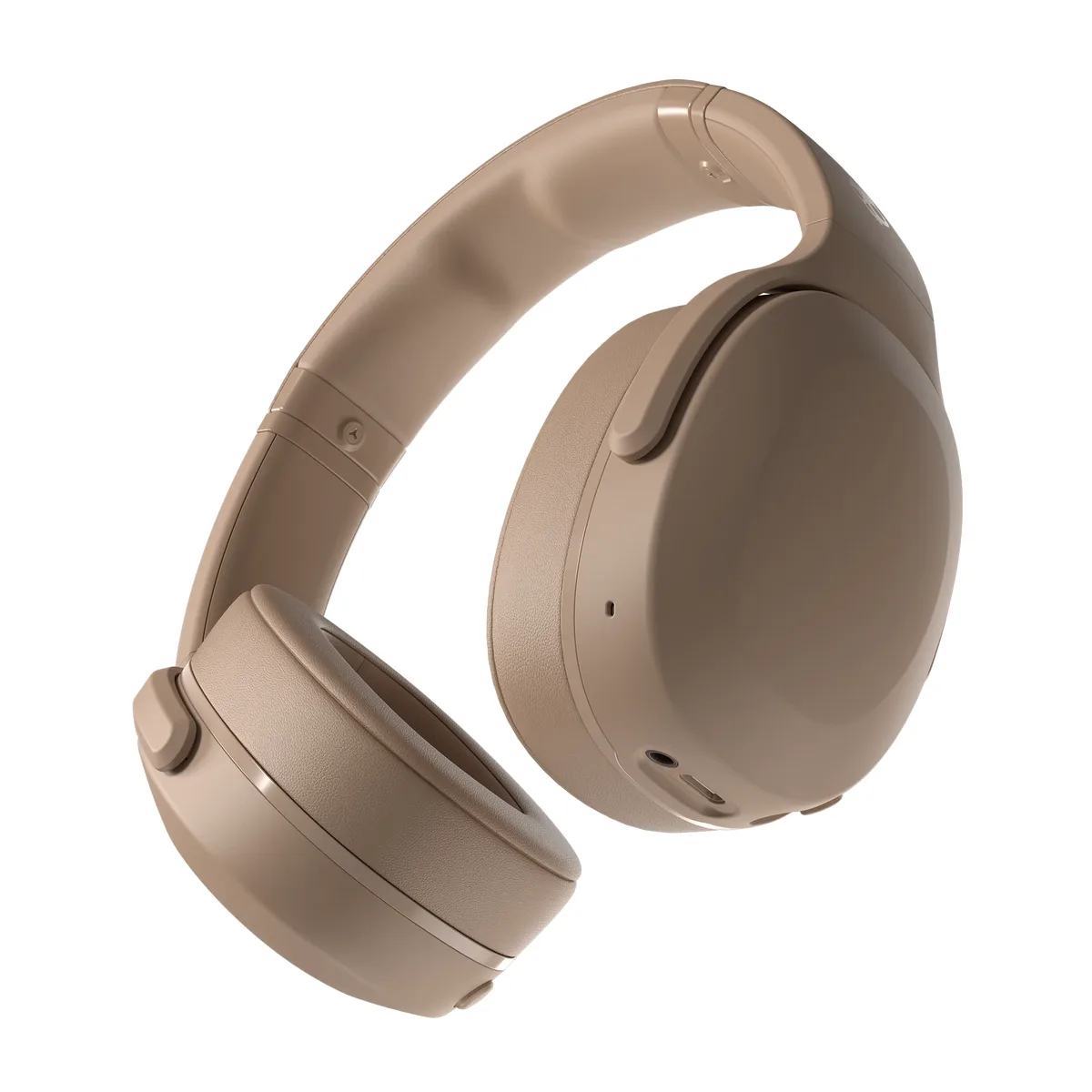
Skullcandy
Over-Ear Headphones
The Crusher Evo exists for exactly one reason: bass you can physically feel. A slider on the left earcup drives Skullcandy's haptic 'Crusher' bass drivers, and at full tilt the earcups literally vibrate against your head — owners describe it as a subwoofer strapped to your skull, and for hip-hop, EDM, and movies it's genuinely fun in a way no flat-tuned headphone is. Dial the slider to zero and you get a surprisingly normal, decent-sounding 40mm headphone, and the app's Personal Sound hearing test tailors the tuning to your ears. Battery is a strong 40 hours with a 10-minute quick charge good for 4 more. The honest caveats: there's no active noise cancellation and no multipoint, which stings now that both are standard under $150, and long-term owners flag the folding hinges as the build's weak point. It also rarely deserves its $200 list price — it sells in the $110-145 range constantly, and that's the price at which owners say it's worth it. If you want accuracy, look elsewhere; if you want to feel the drop, nothing else at this price does what the Crusher slider does.
Best for Bass addicts who want to feel the drop, not analyze it
JLab
Wireless Earbuds
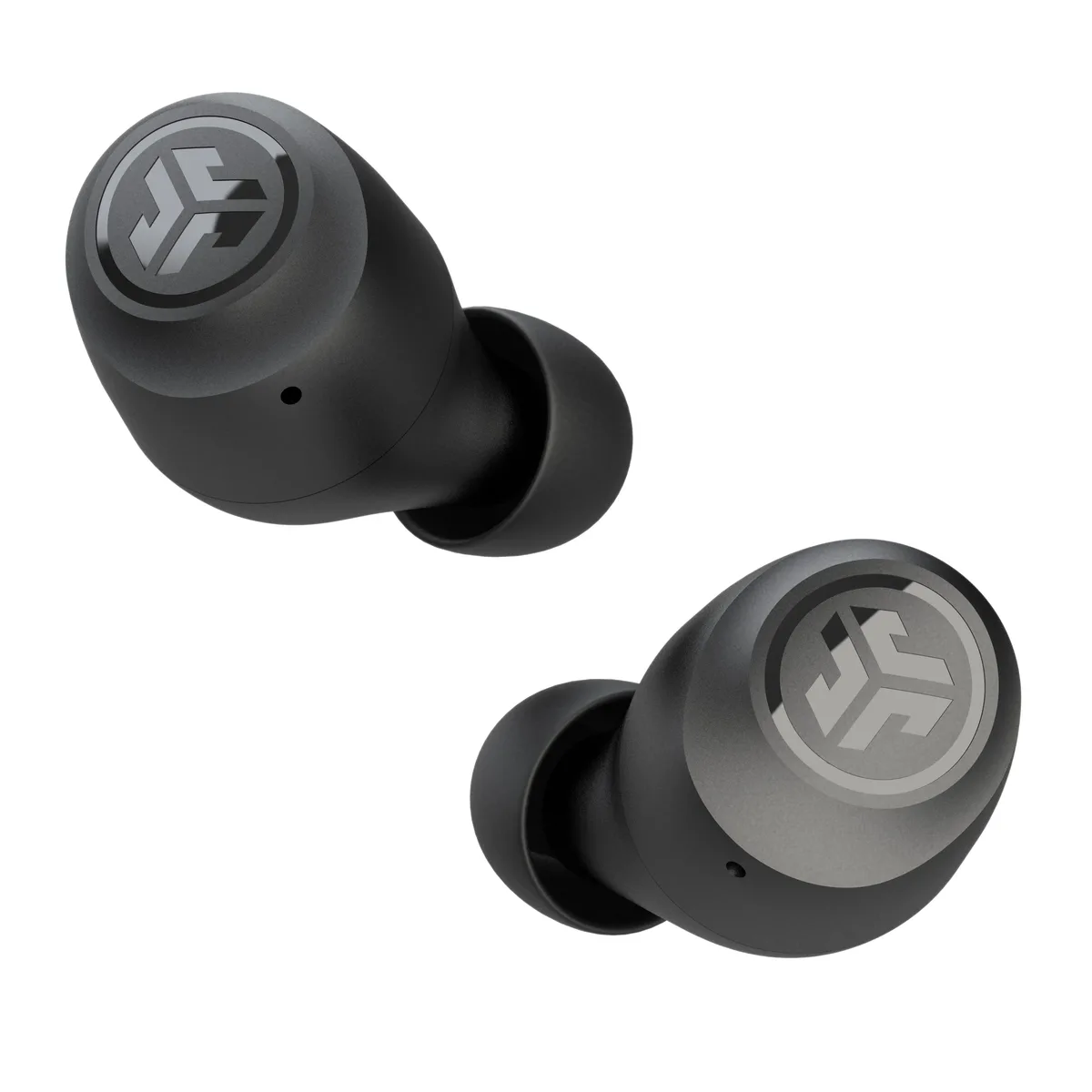
JLab's follow-up to the mega-selling Go Air Pop keeps everything that made the original a default recommendation: tiny buds, a case with the USB-C cable integrated right into it, and 9 hours per charge with 35 total. New here are Bluetooth 5.3, Google Fast Pair, and full custom EQ through the JLab app instead of just the old three-preset EQ3 cycling. Owners are blunt about the tradeoffs: the mics are rough on calls and nearly unusable in wind, touch controls trigger accidentally when you adjust a bud, and there's no ANC, ambient mode, or multipoint — Dual Connect just means either bud works solo. Bass-forward tuning suits gym playlists more than acoustic tracks. At around $25 with an enormous and consistently warm owner base, they're the safest ultra-cheap buds you can buy.
Best for gym-goers who want cheap, reliable buds
TOZO
Wireless Earbuds
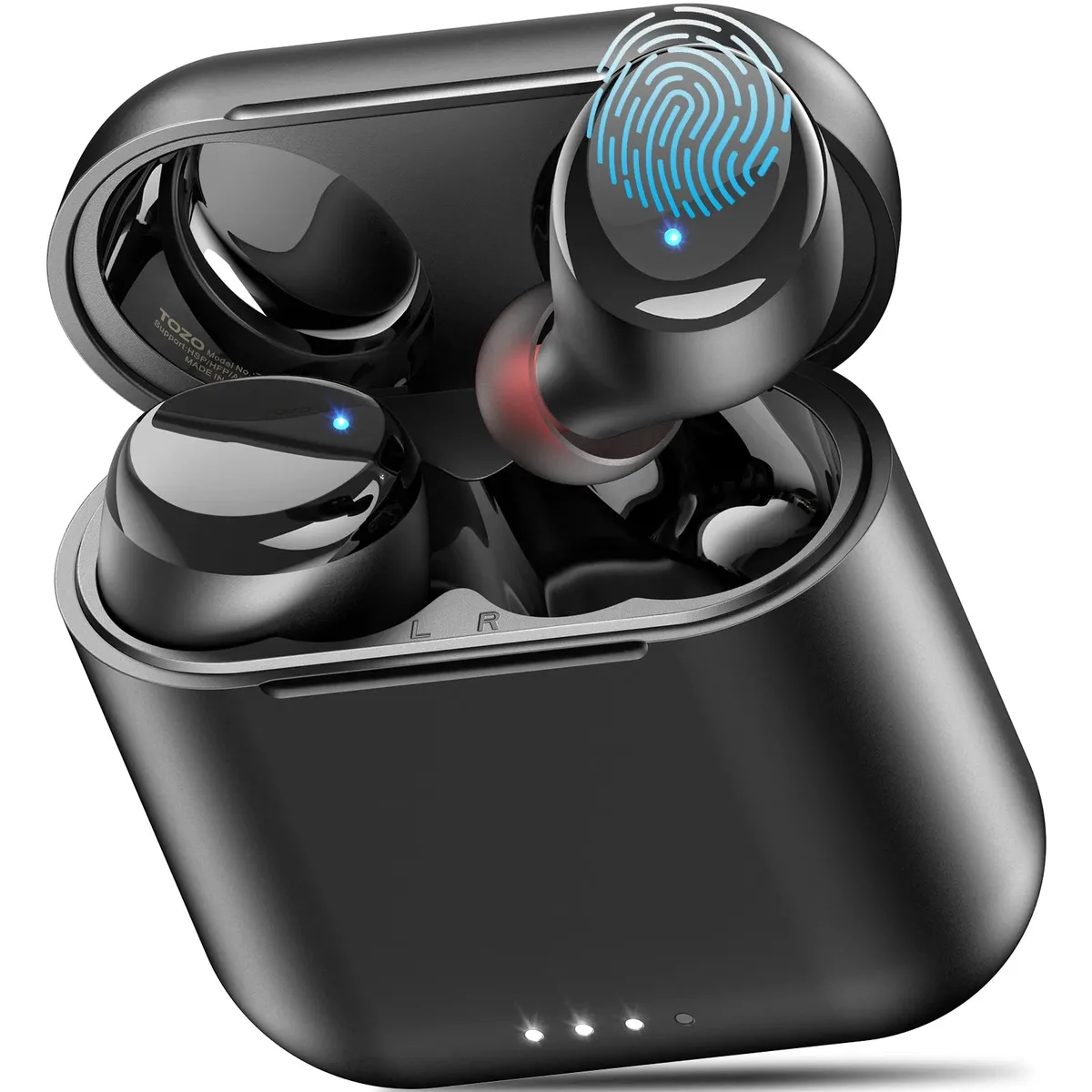
The T6 is one of the best-selling budget earbuds ever made, and the refreshed version keeps it relevant with Bluetooth 5.3, app EQ with 32 presets, and a claimed 12 hours per charge. The IPX8 rating is the real differentiator: these shrug off rain and sweat that kill other cheap buds, and the case still supports wireless charging at a price where that's almost unheard of. Why it's $26: SBC/AAC only, no ANC or ambient mode, no multipoint, and TOZO's infamous quirk where volume resets to a blaring default on every reconnect still annoys longtime owners. Touch controls are oversensitive, and the mic is fine for quick calls but not meetings. The bass-heavy OrigX tuning flatters pop and hip-hop. As a durable, replaceable workout bud, the T6 endures because it nails the basics.
Best for sweaty workouts and rainy runs
Soundcore
Wireless Earbuds
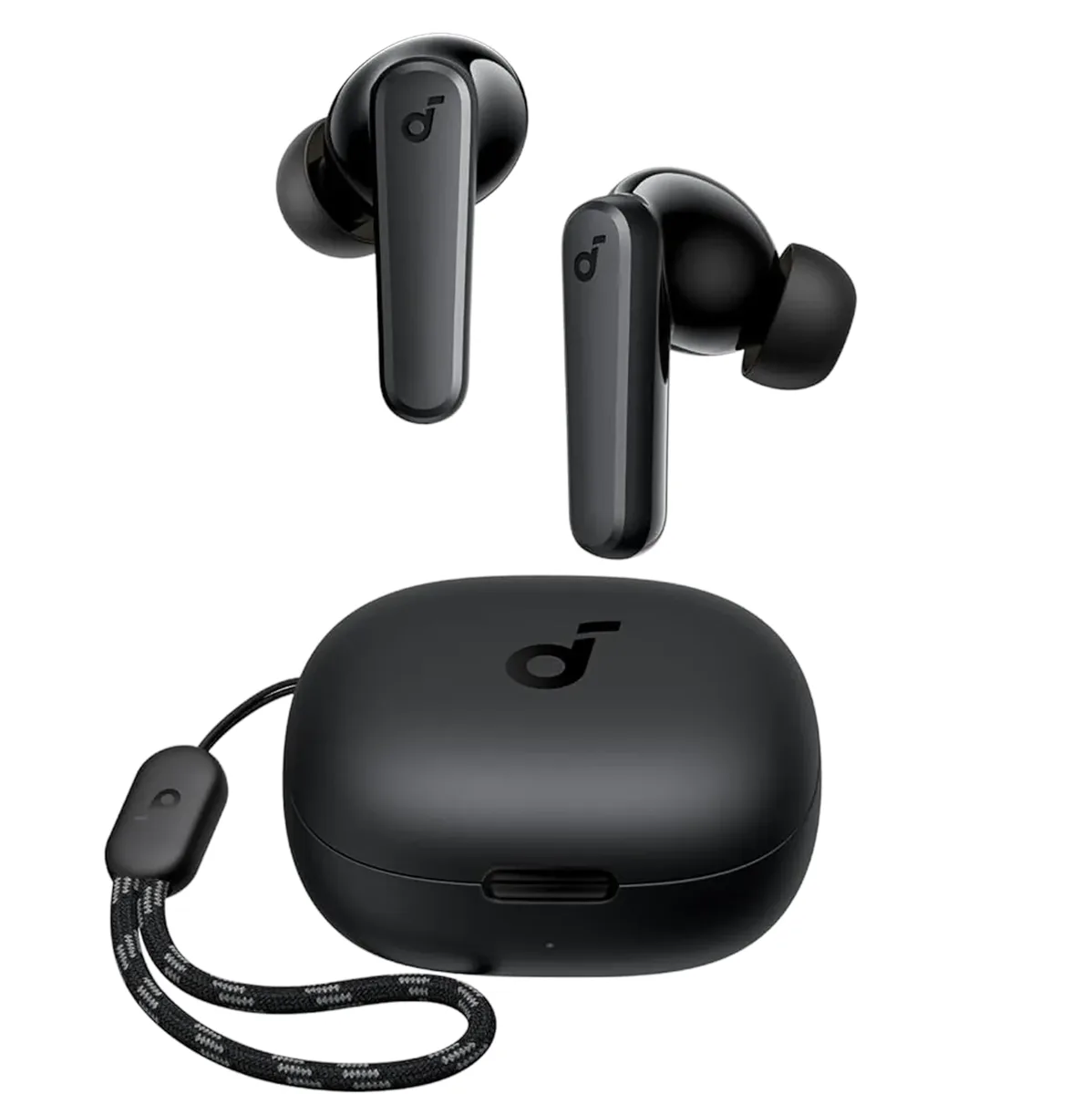
The P20i is what happens when Anker optimizes purely for the Amazon search results page: $20, 10-hour buds, big 10mm drivers, and over 90,000 ratings. For casual listening it genuinely delivers — bass-heavy out of the box, but the Soundcore app's 22 EQ presets tame it, and IPX5 handles sweat fine. Know what you're skipping: no ANC, no transparency mode, no multipoint, no wireless charging, and the pebble-shaped buds are bulky enough that smaller ears struggle to get a stable seal. Call quality is passable indoors and falls apart outside in wind despite the 'AI clear calls' marketing. Long-term owners mostly report the batteries holding up, though a vocal minority see one bud draining faster after a year. As a first pair or a beater set, nothing at this price is more proven.
Best for first-time earbud buyers on a tight budget
JBL
Wireless Earbuds
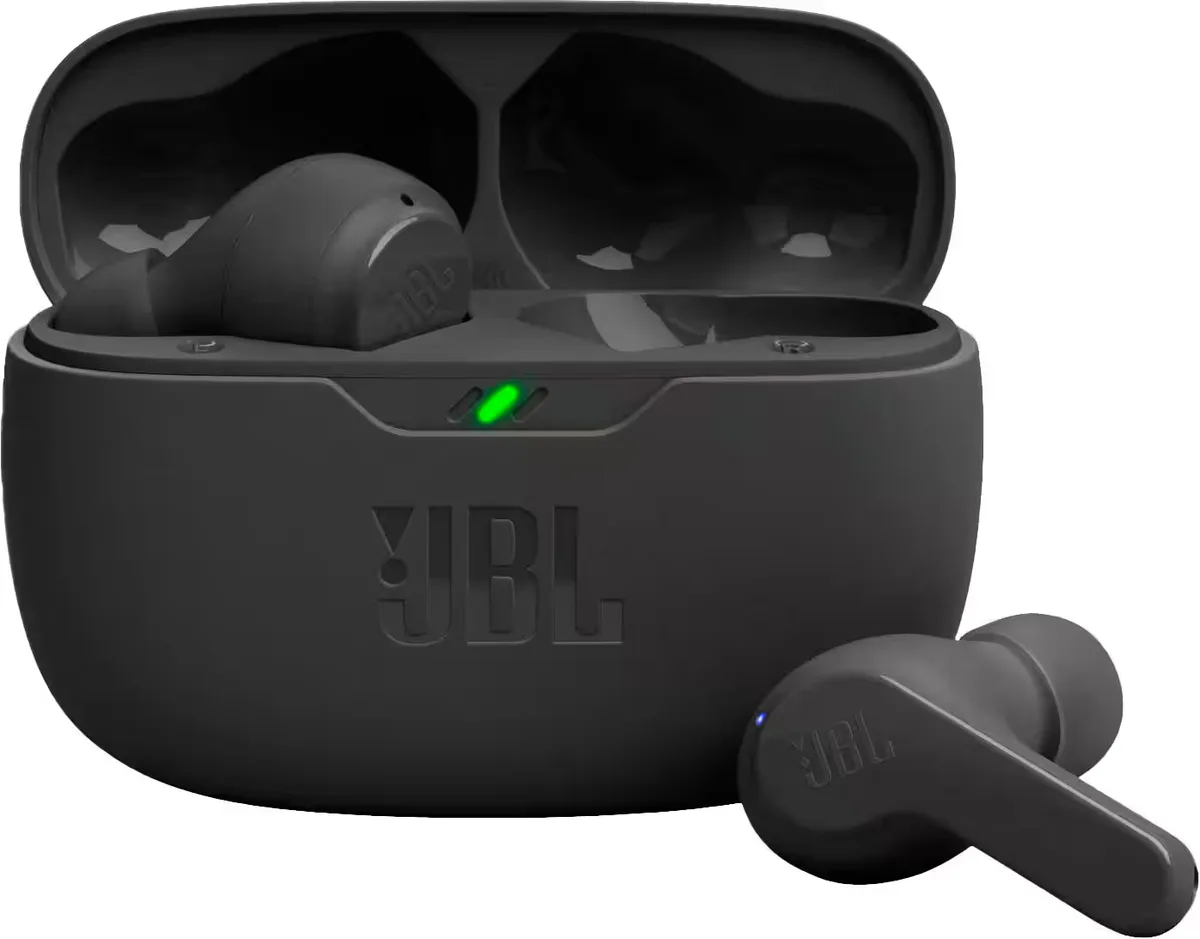
The Vibe Beam is JBL's volume seller, and it earns that by doing the unglamorous stuff well. The stick design fits securely, IP54 handles gym sweat, the battery runs a real 8 hours, and unusually for $30 you get Ambient Aware and TalkThru transparency modes plus full EQ customization in the genuinely good JBL Headphones app. What's missing is exactly what you'd guess: no ANC, no multipoint, no wireless charging, SBC/AAC only over Bluetooth 5.2. Owner gripes center on the mic — fine indoors, but windy calls turn robotic — and touch controls that misread taps. A few report that the case's weaker IPX2 rating means a soaked gym bag kills it even when the buds survive. If brand-name reliability matters more than a feature list, this is the safe $30 spend.
Best for casual listeners upgrading from freebie earbuds
JLab
Wireless Earbuds
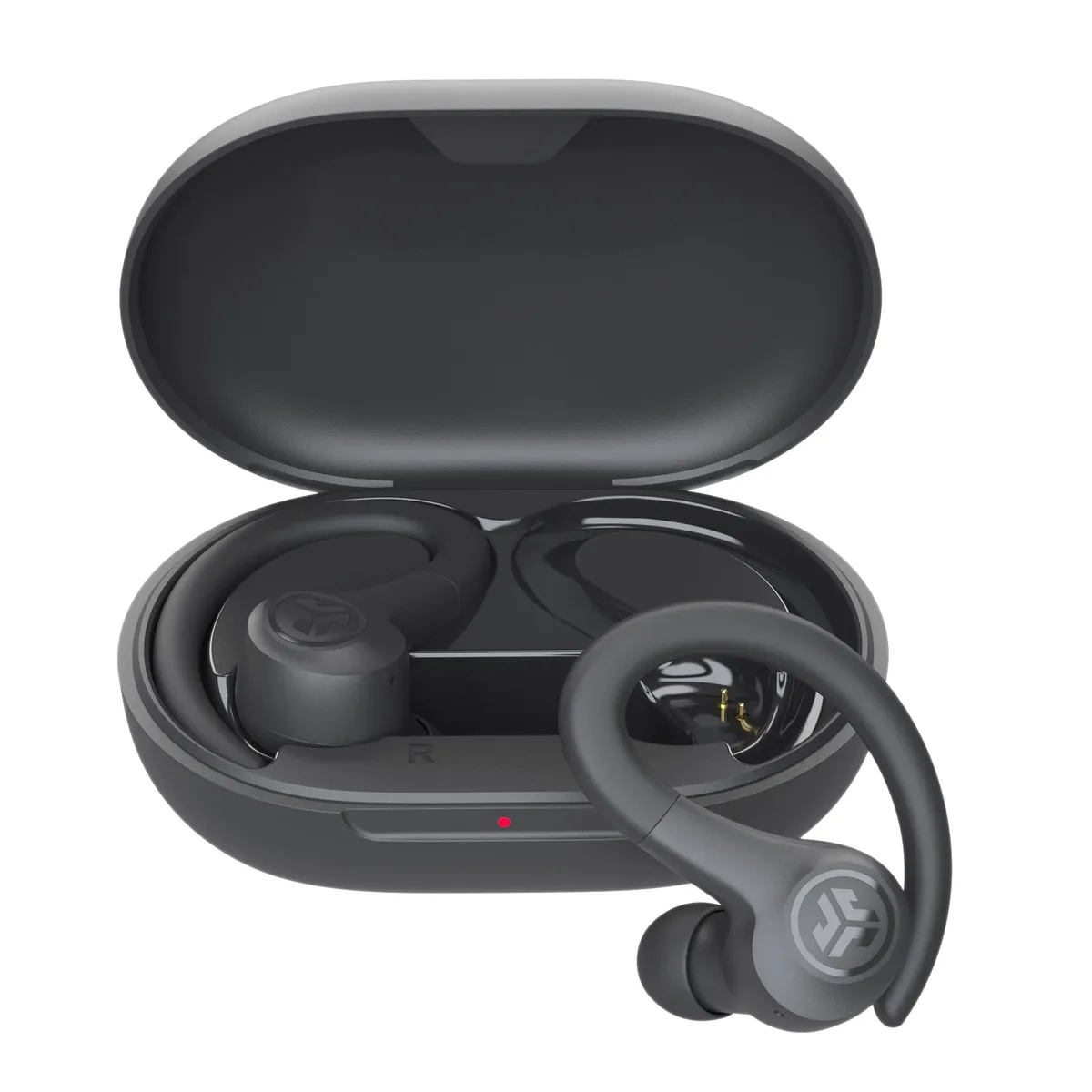
Thirty dollars, earhooks, eight hours per charge, IP55 — the value math here is absurd, which is why these show up in every budget-gym-buds thread. The 6.2g buds stay put through anything, and the case has JLab's signature party trick: an integrated USB-A cable tucked underneath, so there's no cable to lose (and no USB-C, which cuts both ways in 2026). Sound from the 6mm drivers is bass-forward and a little rough, with audible hiss on quiet tracks; you cycle three EQ presets (Signature, Balanced, Bass Boost) by tapping, since there's no app support on this model. Touch controls are oversensitive — adjusting a bud often skips a track. No multipoint, no transparency, and calls are passable indoors only. None of that matters much at this price: buy them as beater buds for the gym bag and be pleasantly surprised.
Best for budget gym-bag beaters you won't cry about losing