How Noise Cancelling Actually Works (and When It's Worth Paying For)
Active noise cancelling is the feature people pay the most for and understand the least. It's genuinely transformative on a plane and nearly useless against a crying baby — and both of those facts follow from the same physics. Here's what ANC actually does, so you can pay for exactly as much of it as your life needs.
The physics: anti-noise, not a force field
ANC microphones sample the sound around (and inside) your ear, and the headphone plays that waveform inverted — peaks against troughs, cancelling to near-silence. This works beautifully on steady, low-frequency sound: engines, HVAC rumble, road noise, the 100-300Hz drone that makes flights exhausting. It works poorly on fast, unpredictable, higher-frequency sound: speech, clattering dishes, a barking dog. The system can't predict randomness fast enough to invert it.
That's the honest sales pitch: ANC deletes the background hum of the world and only mutes the rest. Reviewers who say a flagship 'silences the office' mean the HVAC vanished and voices got softer — nobody's ANC deletes your coworkers.
Why fit beats processing
Passive isolation — the physical seal of ear tip or ear cup — blocks high frequencies before the electronics touch anything, and gives the microphones a quieter problem to solve. A $60 earbud sealing perfectly in your ear will out-cancel a $300 flagship with the wrong tips. This is why over-ears hold the ANC crown: a sealed cup around the ear is a better starting point than any silicone tip.
Practical consequence: before judging any ANC purchase, spend ten minutes trying every tip size in the box. Most 'weak ANC' returns are fit problems.
Adaptive ANC, transparency, and wind
'Adaptive' ANC adjusts strength continuously to your environment and how the buds sit in your ears — the flagship implementations (Bose, Apple, Sony) genuinely do this well, and it also fixes the pressure feeling that bothers some people. Transparency mode is the same microphones run in reverse, piping the world in; the good implementations sound eerily natural, the cheap ones sound like a walkie-talkie, and this gap tracks price more reliably than ANC strength does.
Wind is ANC's embarrassing weakness — moving air across the mics becomes roar. Flagships detect and suppress it; budget models make cycling with ANC on worse than off. If you're outdoors a lot, this one behavior is worth the flagship premium — or an open-ear design instead.
How much ANC money you actually need
Frequent flyer or daily transit commuter: pay for flagship ANC — it's the difference between arriving tired and arriving fine, and the $150-250 over-ear tier is where the strongest cancellation lives. Office worker who wants the HVAC and chatter dulled: the $50-100 budget-ANC tier now does 80% of the job. Runner or parent who needs to hear the world: you don't want ANC at all — you want transparency or open-ear.
And if silence itself is the product — studying, sensory relief — remember foam earplugs under a cheap over-ear beat any electronics for a fiftieth the price.
Headphones mentioned in this guide
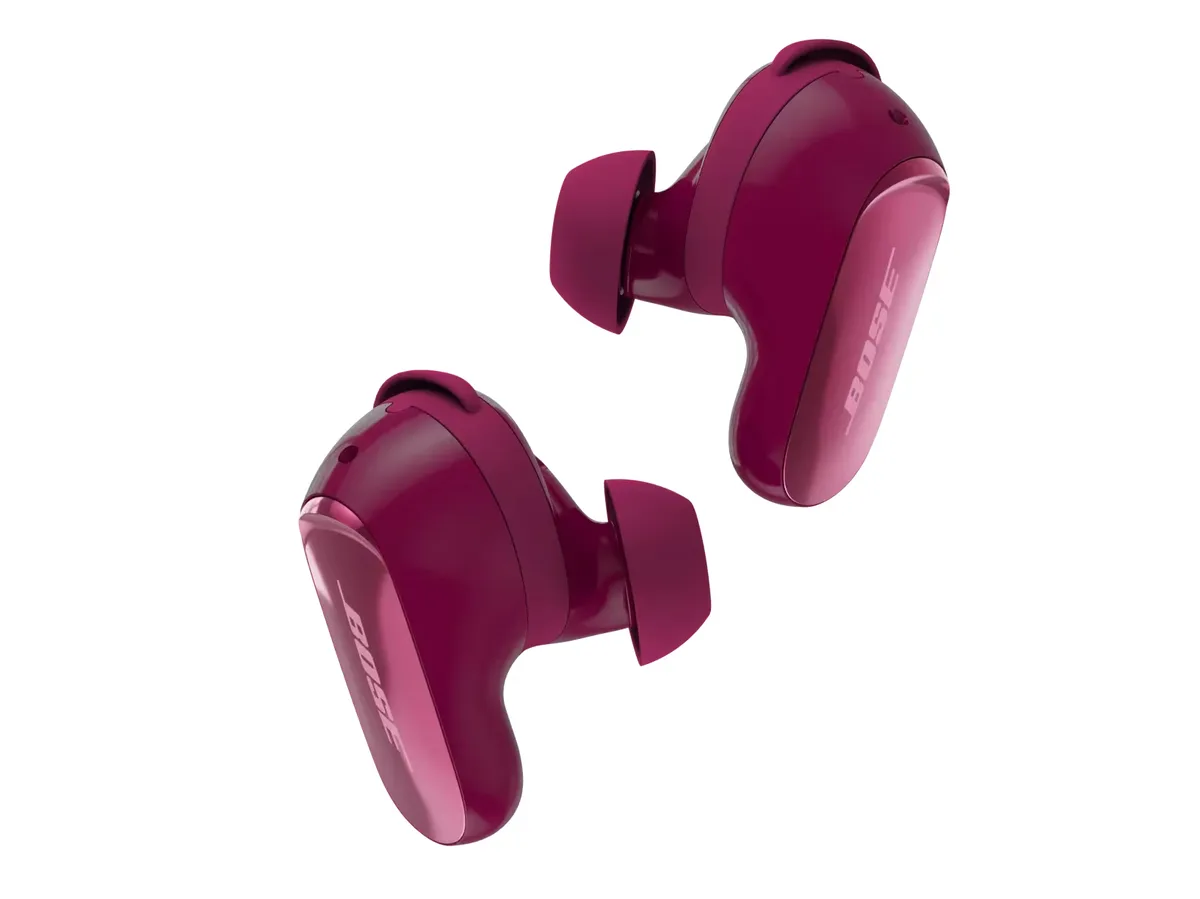
Bose
Wireless Earbuds
Nobody seriously disputes that these have the strongest noise cancellation you can put in your ears — low rumble just vanishes, and the CustomTune calibration means it works across different ear shapes. The second gen fixed the first gen's most annoying gaps: the case finally charges wirelessly, multipoint is on board, and AI noise suppression cleaned up what used to be mediocre call quality. What Bose didn't fix: 6 hours of battery is behind Sony and Technics, and running Immersive Audio knocks it down near 4. At 7.7g per bud they're chunky, and people with smaller ears feel it on long sessions. No LDAC either — aptX Adaptive on supported Androids, AAC otherwise. Sound is punchy and pleasant rather than audiophile-precise, and the app EQ is a basic three-band affair. Buy them for the silence; everything else is merely good.
Best for frequent flyers who want maximum silence
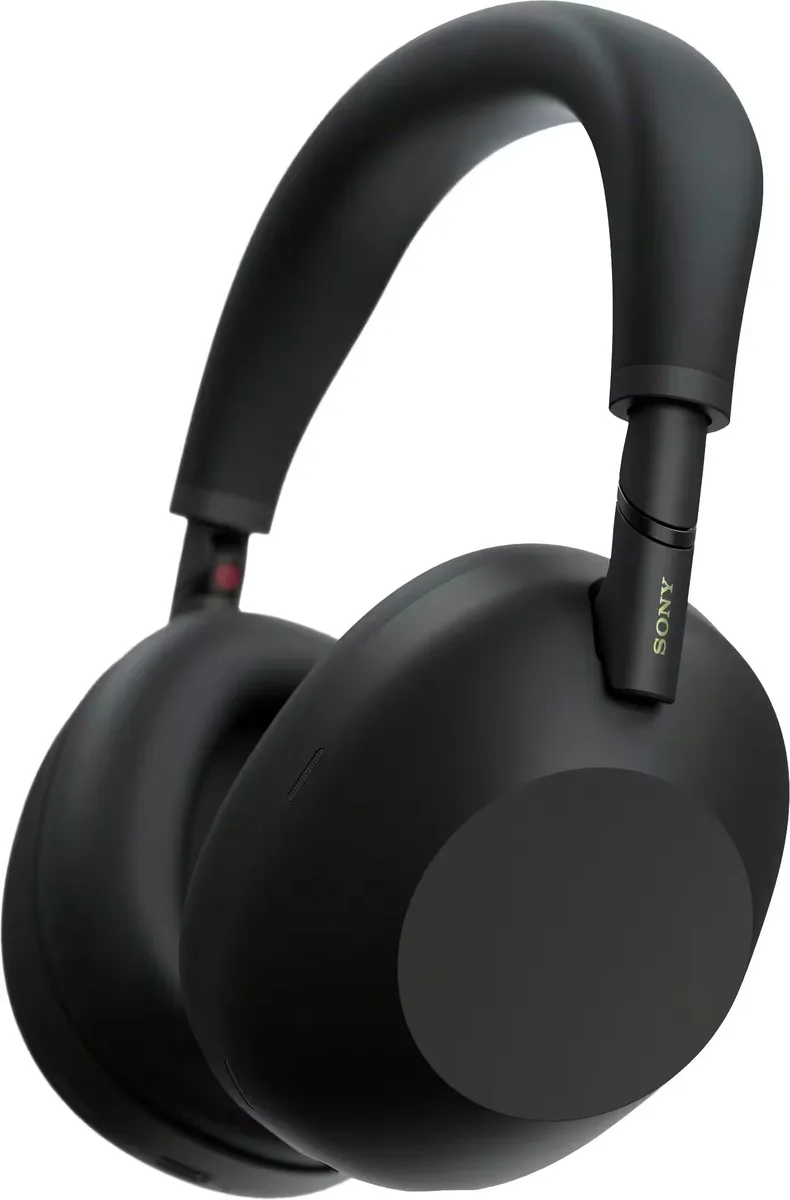
Sony
Over-Ear Headphones
Sony's flagship fixes the XM5's two biggest sins: the folding hinges are back, and the case now closes with a satisfying magnetic clasp instead of a fiddly zipper. The QN3 chip and 12 mics deliver arguably the best ANC you can buy right now, and the wider headband spreads pressure better than the XM5 ever did. Owners' gripes are real, though: the $449 list price stings (thankfully street price has drifted to about $398), 30 hours of battery is now merely average, and running LDAC drains it noticeably faster. The matte finish picks up skin oils, and a few owners report the power button being awkwardly close to the ANC button. No aptX support, as always with Sony. Still, as a total package — sound, ANC, call quality, comfort — this is the one most people should buy.
Best for frequent flyers who want the best all-rounder
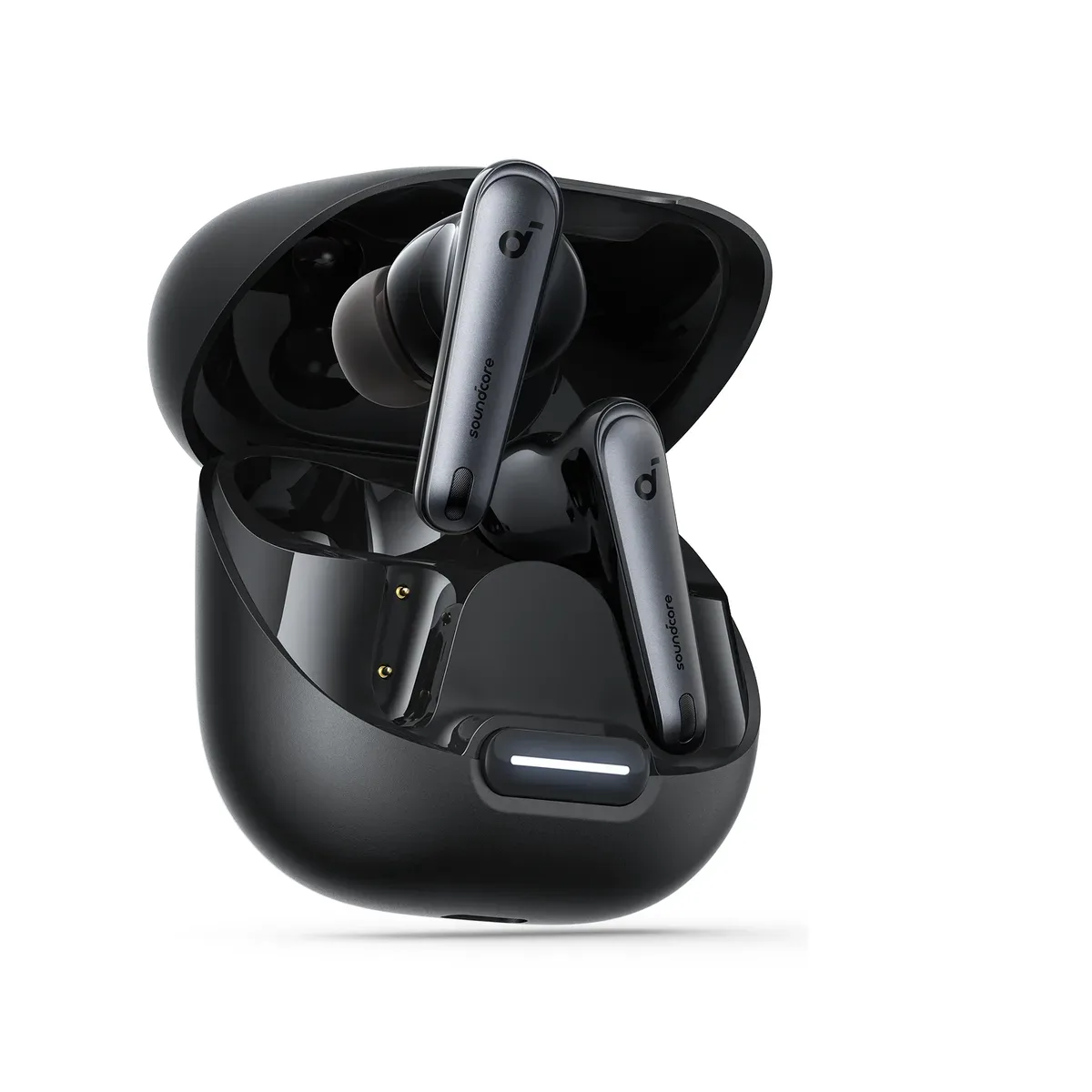
Soundcore
Wireless Earbuds
On paper the Liberty 4 NC reads like a $300 flagship: adaptive ANC claiming 98.5% noise reduction, 11mm drivers, LDAC, multipoint, wireless charging, and a 10-minute charge that buys four hours. In practice it delivers most of it — the ANC is genuinely strong, and HearID builds a custom EQ profile that meaningfully improves the default V-shaped tuning. The compromises: LDAC and multipoint can't run simultaneously, the glossy pill case scratches fast, the Soundcore app pushes firmware and promo nags, and the flat oval stems give some ears a loose seal that undermines the ANC. A subset of owners reports noticeable battery fade around the one-year mark, echoing the Space A40. Street price bounces between $57 and $99; anywhere near the low end it's one of the best-value ANC buds on Amazon.
Best for spec hunters who want everything under $75