Earbuds vs Over-Ear Headphones: The Honest Tradeoffs
This is the first fork in every headphone decision, and it has less to do with sound than with logistics: what fits your pocket, your commute, your ears at hour four, and your charging habits. Both formats are excellent now. They're just excellent at different lives.
What earbuds win
Portability isn't a category earbuds lead — it's one they end. A case vanishes into any pocket, which means they're actually with you, and the headphones you have beat the better ones at home. They win the gym (nothing touching your hair or glasses, IP-rated against sweat), hot weather (no ear ovens), naps and side-sleeping, discretion on video calls, and running errands where over-ears feel like an outfit choice.
Modern flagship buds also punch far above their size on features: adaptive ANC, transparency that sounds real, hearing-aid-adjacent tricks. The physics tax is battery — 5-8 hours per charge vs 30-100 — and a lifespan capped by tiny non-replaceable cells that degrade in 2-3 hard years.
What over-ears win
Comfort over long sessions, once you find a pair whose clamp and weight suit you — no silicone in the ear canal, no fit-lottery. ANC strength: a sealed cup blocks noise passively before the electronics start, which is why every 'best ANC' list is topped by over-ears. Battery measured in days, not hours. Mic arrays with room to do calls properly. Sound quality per dollar, because big drivers in a sealed chamber are an easier engineering problem than 6mm drivers in a bean.
The taxes: bulk in a bag, hat-and-glasses negotiations, warm ears in summer, and looking like you're wearing headphones — which is either a con or a do-not-disturb sign, depending on your office.
The decision, compressed
Commute on transit + fly a few times a year: over-ears — the ANC and battery earn it. Gym-first: earbuds, full stop. All-day calls at a desk: over-ears for comfort and mic, with multipoint. Mixed everything: this is why the two-pair answer is genuinely rational, not indulgent — a $60-120 earbud for the gym and errands plus a $150-250 over-ear for flights and focus costs less than one ultra-flagship and covers every scenario better.
If you must own exactly one: buy for your highest-hours scenario, not your most glamorous one. The flight happens twice a year; the commute happens every day.
Headphones mentioned in this guide
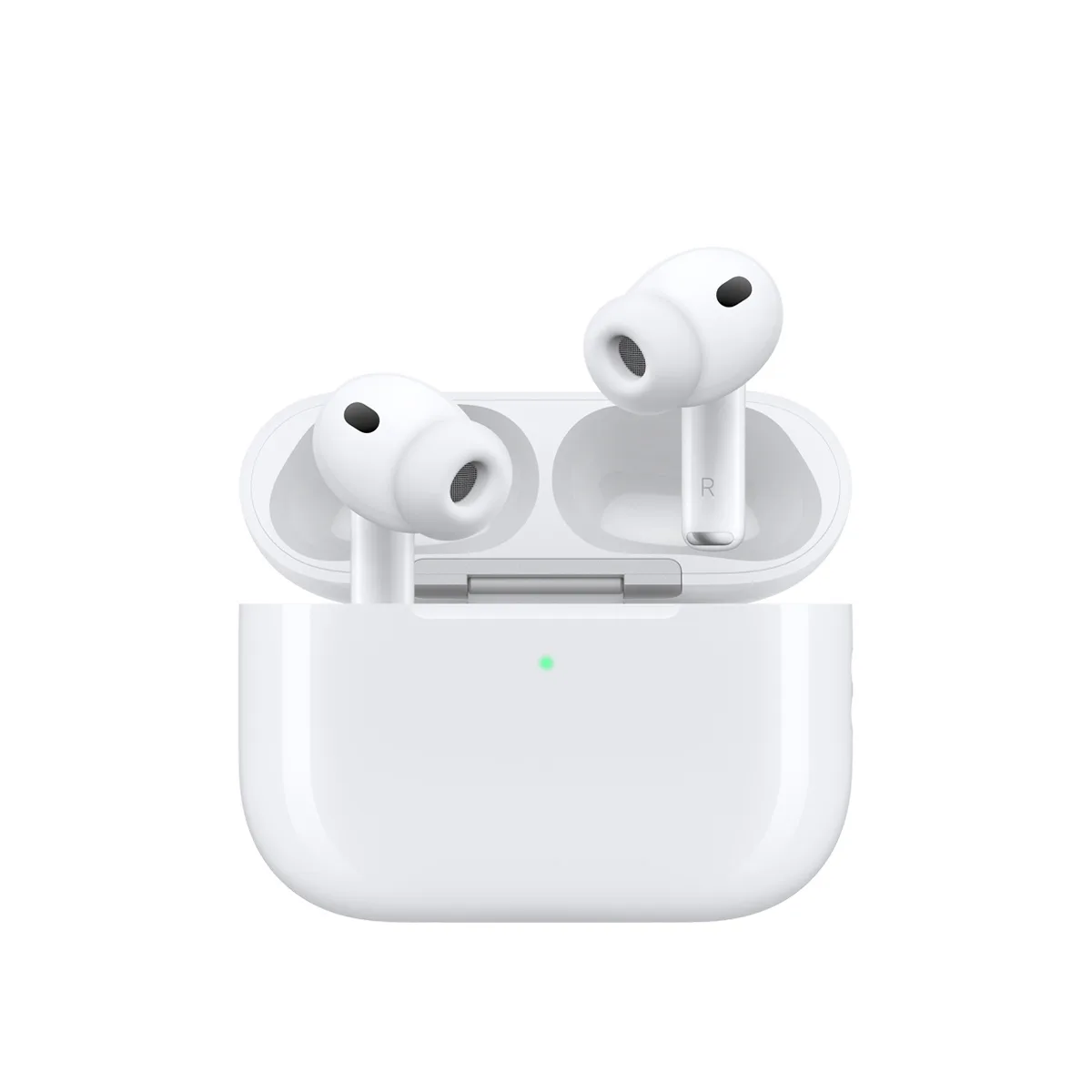
Apple
Wireless Earbuds
If you live on an iPhone, these are the easy answer. Apple roughly doubled the ANC over the Pro 2, added heart-rate sensing, foam-infused tips that actually seal, and bumped water resistance to IP57 — owners consistently say the noise cancellation now trades blows with Bose. Battery went up to 8 hours per charge, though the slimmer case total actually dropped to 24 hours. The honest caveats: you're stuck with AAC (no LDAC or aptX, so Android users lose hi-res and most features entirely), there's no real EQ beyond Apple's presets, and multipoint only works as auto-switching between Apple devices. Transparency mode and call quality remain the best in the business, and the hearing-aid feature is genuinely useful. Some longtime owners still grumble about eventual battery degradation — it's not user-replaceable. On Android, buy literally anything else.
Best for iPhone users who want set-and-forget ANC
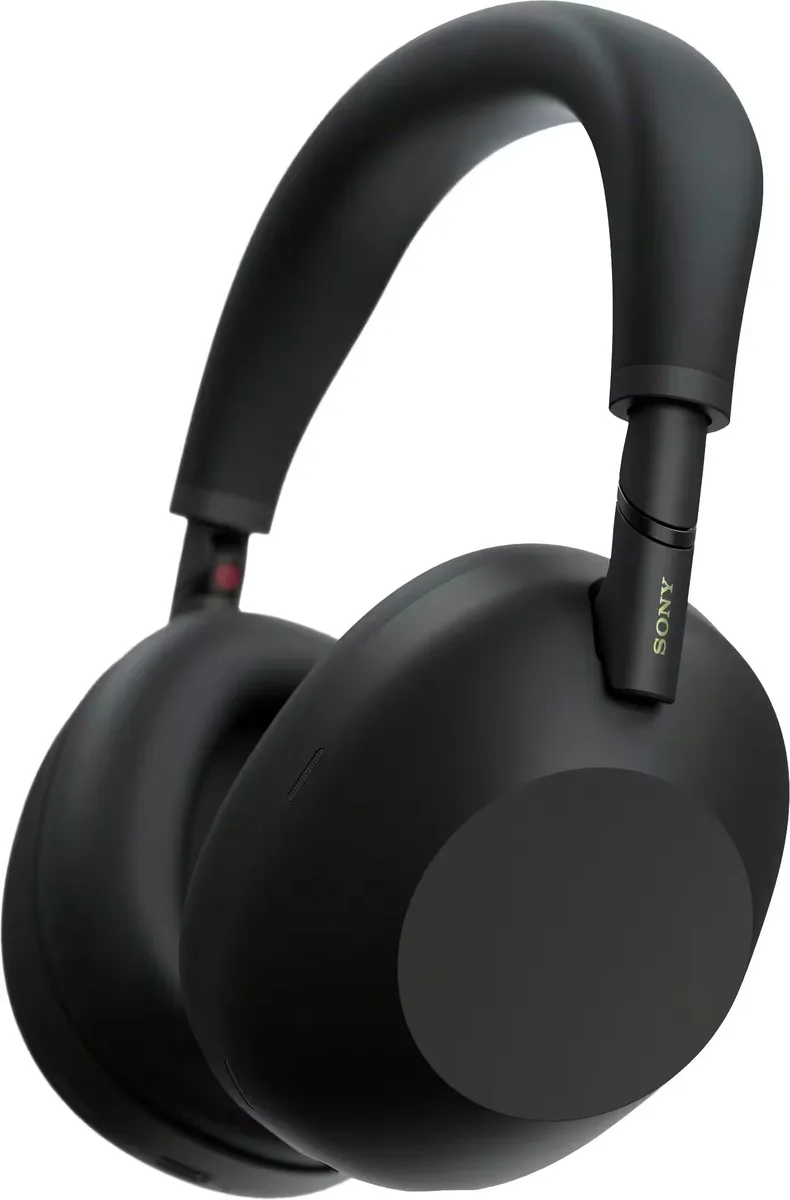
Sony
Over-Ear Headphones
Sony's flagship fixes the XM5's two biggest sins: the folding hinges are back, and the case now closes with a satisfying magnetic clasp instead of a fiddly zipper. The QN3 chip and 12 mics deliver arguably the best ANC you can buy right now, and the wider headband spreads pressure better than the XM5 ever did. Owners' gripes are real, though: the $449 list price stings (thankfully street price has drifted to about $398), 30 hours of battery is now merely average, and running LDAC drains it noticeably faster. The matte finish picks up skin oils, and a few owners report the power button being awkwardly close to the ANC button. No aptX support, as always with Sony. Still, as a total package — sound, ANC, call quality, comfort — this is the one most people should buy.
Best for frequent flyers who want the best all-rounder
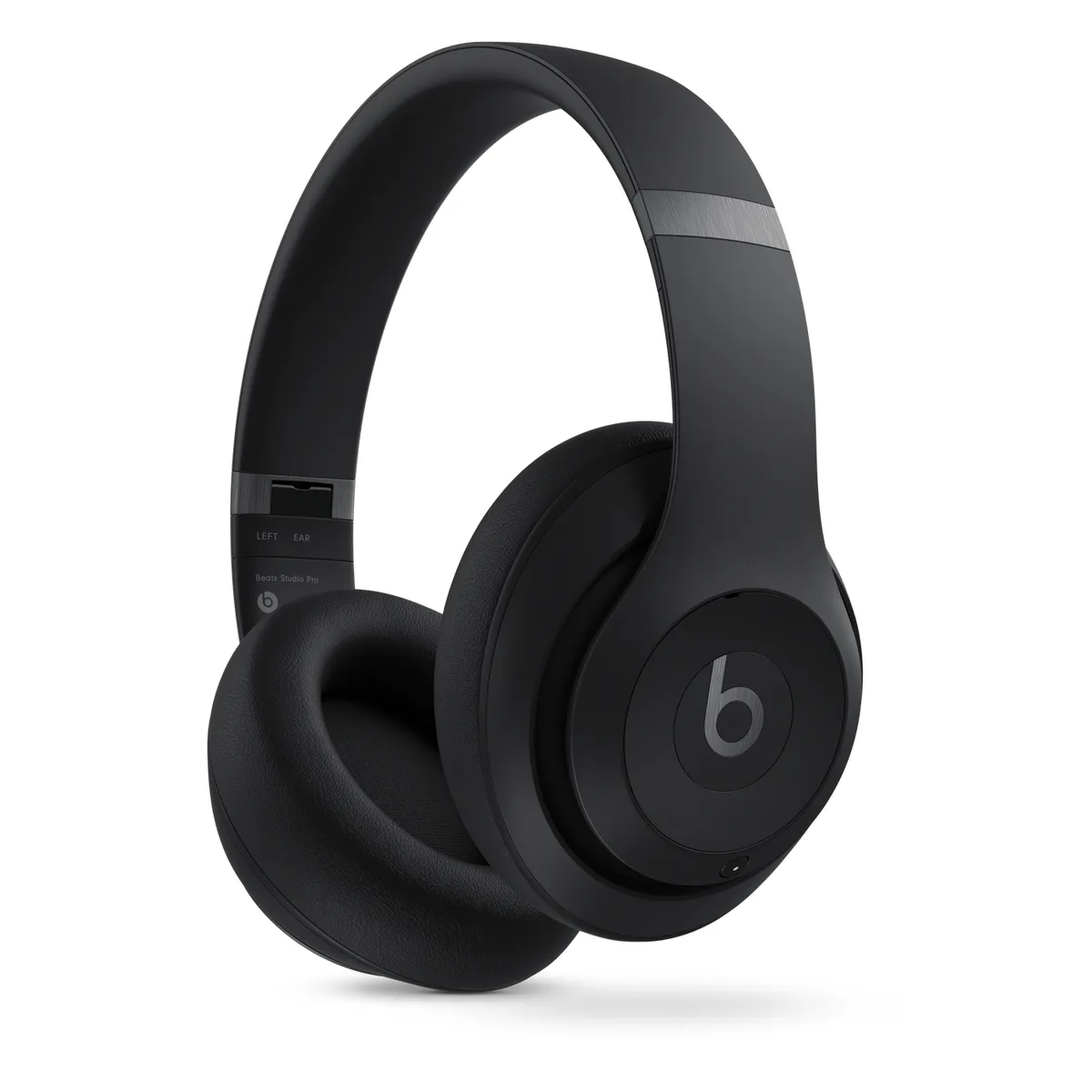
Beats
Over-Ear Headphones
At its $349 list price the Studio Pro was a hard sell; at the $170 it now regularly hits on Amazon — clearance pricing as a successor looms — it's one of the best deals in ANC headphones. The custom 40mm drivers are far better tuned than old Beats, the USB-C port doubles as a lossless DAC with three sound profiles, and it's the rare headphone with first-class features on both iOS (one-tap pairing, Personalized Spatial Audio, Find My) and Android (Fast Pair, Google Find Hub). The corners cut are obvious in daily use: no wear detection, no multipoint, no user EQ, and the design is unchanged 2017 plastic with a headband that transmits clamp to the top of your head. Ear cushions aren't user-replaceable and the pleather runs sweaty. Fine trade-offs at this price.
Best for budget shoppers splitting time between iPhone and Android