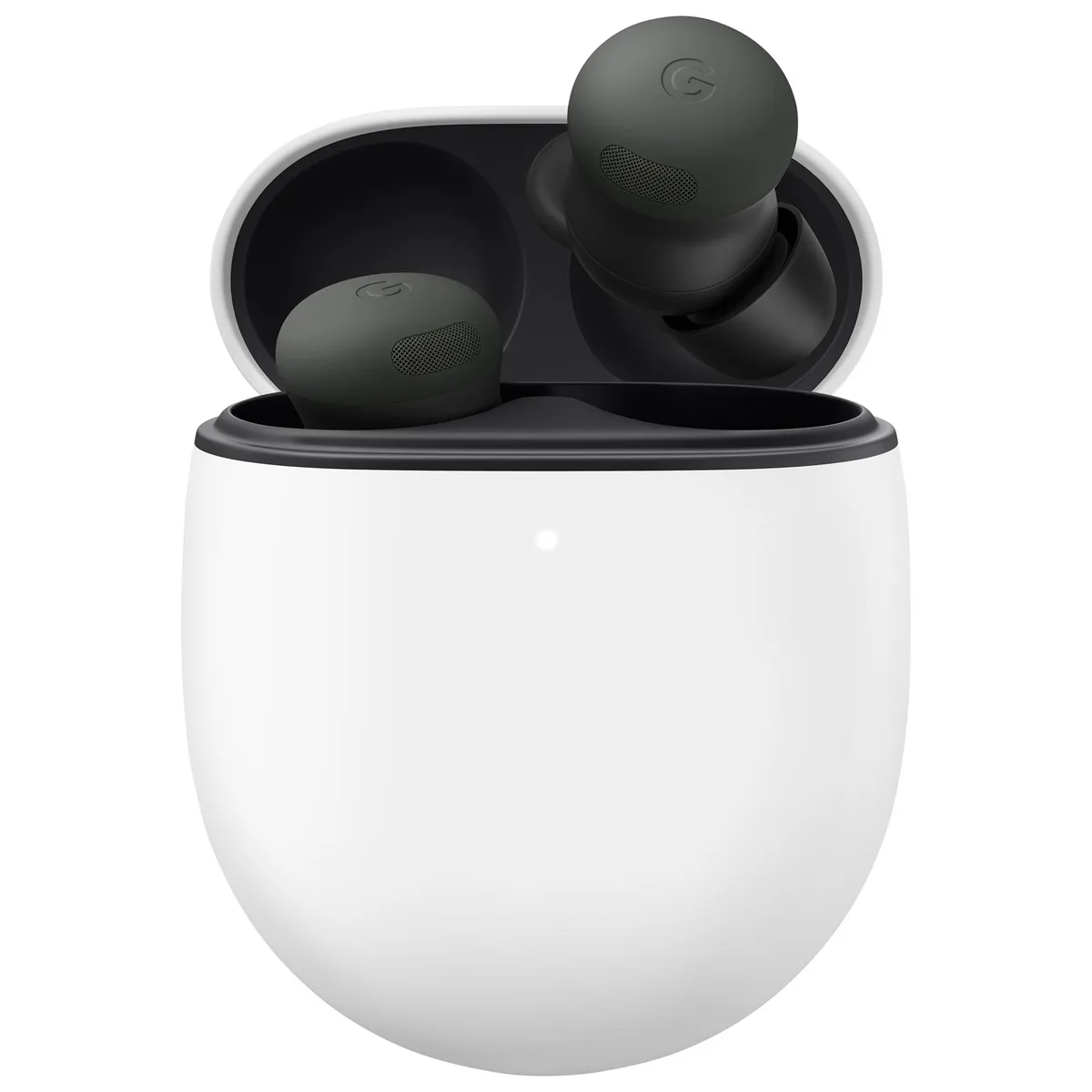
Google Pixel Buds Pro 2
The comfort champions. At 4.7g and 27% smaller than the originals, with a twist-to-adjust stabilizer fin, these are the buds people with small ears keep recommending after everything else fell out. The Tensor A1 chip doubled the ANC over gen one — solidly mid-pack now, behind Bose but ahead of most — and 8 hours with ANC plus 30 total is among the best endurance here. Real multipoint works across any two devices, not just Google's. The dealbreaker for audio nerds: SBC and AAC only, no LDAC or aptX, so hi-res streaming is off the table even on a Pixel (LE Audio/LC3 is arriving via updates). Sound is clean and balanced but needs the app's 5-band EQ to add excitement. Gemini voice features are hit-or-miss, and some owners report occasional case-charging quirks. On sale around $169 they're an easy recommendation.
We may earn a commission. Price and availability on Amazon’s site may differ.
Specifications
Highlights
Pros
- ✓4.7g and 27% smaller — a small-ear favorite
- ✓Tensor A1 doubles ANC over the original Pixel Buds Pro
- ✓8 hours ANC plus 30 total tops most flagships
- ✓True multipoint across any two devices, not just Google's
- ✓Twist-to-adjust stabilizer fin keeps them planted
- ✓Undercuts Bose and Sony flagships at $169
Cons
- ✗SBC/AAC only — no LDAC even on a Pixel
- ✗Clean-but-dull tuning needs the 5-band EQ
- ✗Gemini voice features are hit-or-miss
- ✗Occasional case-charging quirks reported
- ✗ANC still trails Bose Ultra and AirPods Pro 3
Owner Insights(2,400 discussions)
The Pixel Buds Pro 2's owner reputation is built on comfort. At 4.7g and 27% smaller than the originals, with a twist-to-adjust stabilizer fin, these are the buds people with small or difficult ears end up recommending after everything else fell out — long-term owners report multi-hour sessions with none of the fatigue heavier flagships cause. The Tensor A1 chip doubled the first gen's ANC to solidly mid-pack, battery life is among the best in class at 8 hours with ANC and 30 total, and true any-two-devices multipoint beats the ecosystem-only switching Apple and Samsung offer.
The practical caveats come in two flavors. The permanent one is codecs: SBC and AAC only, no LDAC or aptX, so hi-res streaming is off the table even on a Pixel — audio-focused owners consistently rank the sound as clean and balanced but needing the 5-band EQ to add excitement, and needing a codec it doesn't have to compete with Sony or Technics on detail. The situational one is reliability: while many owners report flawless long-term performance, a visible subset hits trouble around three months — random beeping from a bud, battery-life drops, and most commonly a charging case that gets flaky until buds are reseated or contacts cleaned. Google support experiences vary, so keep the receipt.
Buy these if comfort and battery are your top criteria, especially on a Pixel where Gemini integration and settings live natively — at the frequent $169-189 sale price owners call them an easy recommendation. If sound quality leads your list, the Sony WF-1000XM5 with LDAC is the stronger pick at similar street pricing, and iPhone owners should skip these for AirPods entirely (there's no iOS app). The strongest alternative overall is the XM5: better sound and codec support, at the cost of the Pixel Buds' comfort edge and multipoint-without-compromise.
Pros
- +The comfort pick of the flagship class — 4.7g buds with a twist-to-adjust stabilizer fin that owners with small ears recommend after everything else fell out
- +8 hours with ANC and 30 total is among the best endurance in the tier; owners regularly go days between case charges
- +Tensor A1 chip doubled the ANC over the first gen — owners rate it solidly mid-pack, ahead of most non-Bose rivals
- +True multipoint across any two devices, not just Google's — a rarity Samsung and Apple don't match
- +A few minutes in the case rescues a nearly dead bud; the quick-charge system earns repeated owner praise
- +The pebble-shaped case's polished-stone feel makes it one of the nicest to pocket and fidget with
- +Clean, balanced sound that responds well to the app's 5-band EQ
- +Long-term owners report fit staying comfortable across multi-hour listening sessions where heavier rivals cause fatigue
Cons
- −SBC and AAC only — no LDAC or aptX, so hi-res streaming is off the table even on a Pixel, a dealbreaker owners of Sony and Technics cite constantly
- −A subset of owners hits reliability trouble around the 3-month mark: random beeping from one bud, battery-life drops, and a charging case that turns flaky
- −Case-charging complaints are common enough to have spawned owner fix guides — buds sometimes don't charge until reseated or contacts are cleaned
- −Default tuning is polite to a fault; owners say it needs EQ work to sound exciting next to the Galaxy Buds3 Pro or Sony XM5
- −The stabilizer fin that anchors most ears presses uncomfortably on others — a minority never gets a comfortable seat
- −Gemini voice features are hit-or-miss in practice and oversold in marketing
- −ANC clearly trails Bose and the AirPods Pro 3 on planes
- −IP54 on the buds is fine, but owners note the case is only IPX2 — keep it out of the rain
Common Questions
Compare the Google Pixel Buds Pro 2
Related headphones
More from Google →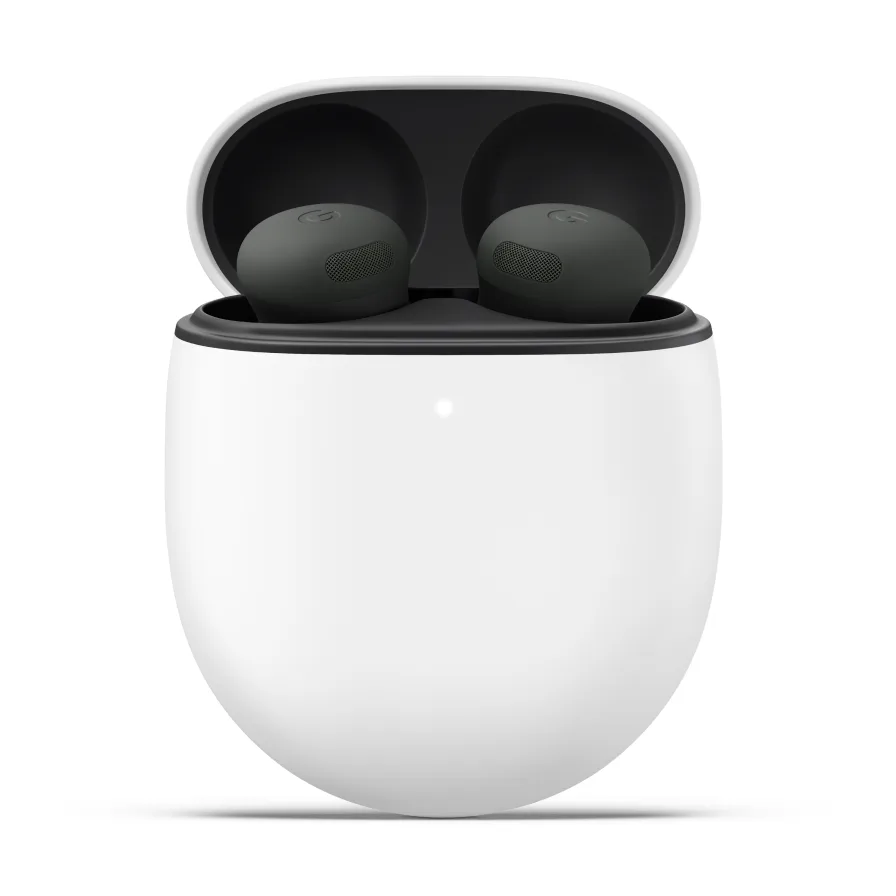
Wireless Earbuds
Google's budget buds grew up: the Pixel Buds 2a run the same Tensor A1 chip as the Pro 2, which means real ANC with Silent Seal 1.5 at $129 — reviewers called them 'diet Pixel Buds' and mostly meant it as a compliment. The 11mm driver sounds clean for the price, seven hours with ANC on beats plenty of flagships, the twist-to-lock fit is secure, and at 4.7g per bud they disappear in your ears. Hands-free Gemini works well if you live in Google's world, and in a first for earbuds this cheap, the case battery is user-replaceable. The cost-cutting is easy to list: no wireless charging, no multipoint (it hurts — you reconnect manually when switching devices), the case is plastic-basic and only rated IPX4, and total battery with the case is a modest 20 hours. There's no head-tracked spatial audio, and iPhone owners lose most of the smart features. As gym-and-commute buds for Android people they're one of the best value picks of 2026; power users juggling a laptop and phone will curse the missing multipoint weekly.
Best for Android users who want flagship ANC tech on a budget
Samsung
Wireless Earbuds
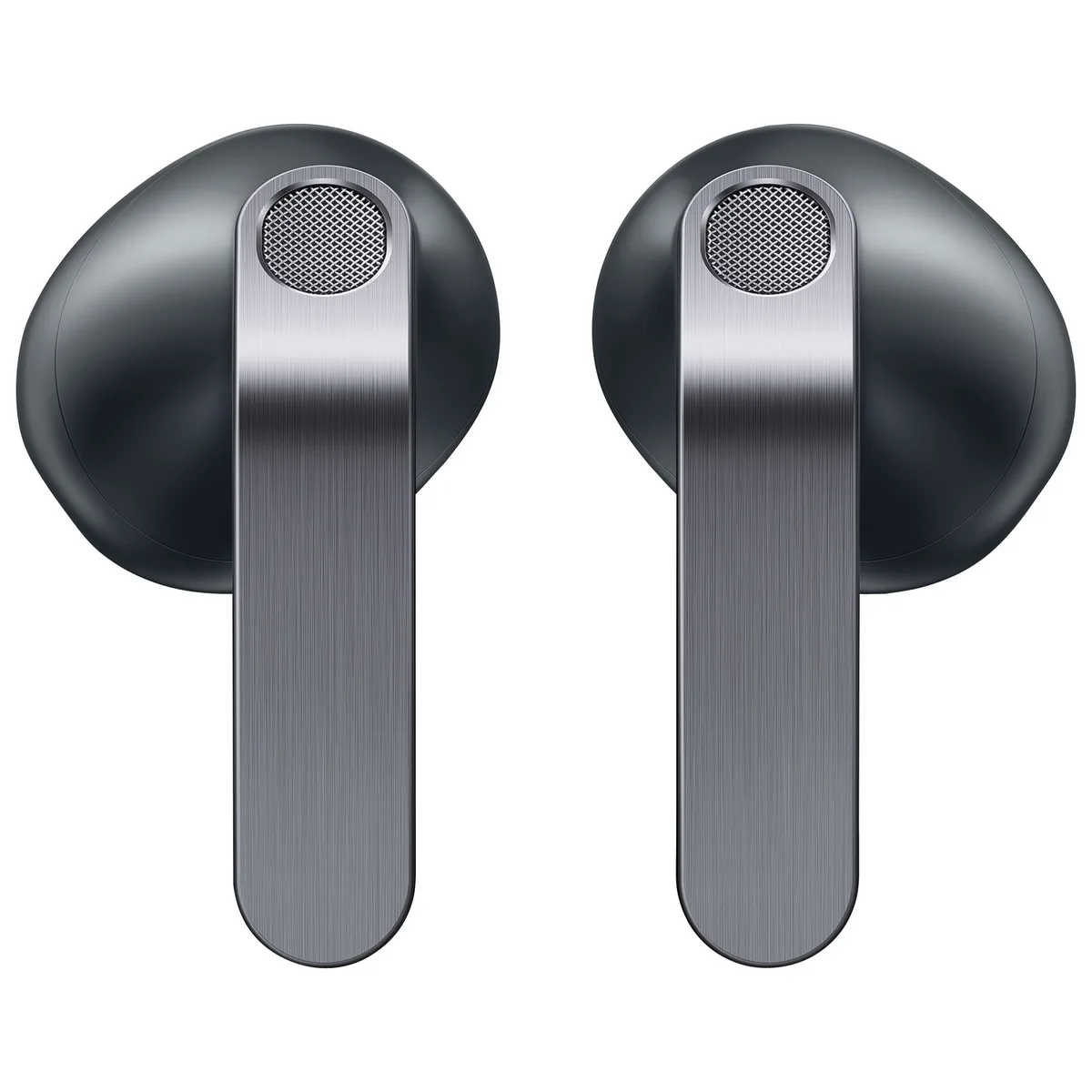
Samsung's answer to the AirPods 4: an unsealed, stem-style earbud with ANC, launched March 2026 alongside the Buds 4 Pro. Reviewers summed them up as 'AirPods envy, AirPods problems' — the open fit is genuinely comfortable for ear-tip haters and the redesigned stems with pinch-and-swipe controls work well, but bass and ANC strength depend entirely on how the hard plastic sits in your ears. When the fit cooperates you get an 11mm driver with 24-bit hi-res on Galaxy phones, Adaptive ANC that takes the edge off commutes, and a case that, unlike the base AirPods 4, still charges wirelessly. Battery is the weak spot at 5 hours with ANC on, though the case stretches it to 24. Same ecosystem catch as the Pro: SSC UHQ, 360 Audio, and the AI features need a Samsung phone, and Auto Switch isn't real multipoint. IP54 handles gym sweat fine. At $180 they're squeezed hard by the $119 AirPods 4 with ANC on one side and sealed buds with better isolation on the other — these make sense mainly for Galaxy owners who can't stand silicone tips.
Best for Galaxy owners who hate silicone ear tips
Apple
Wireless Earbuds
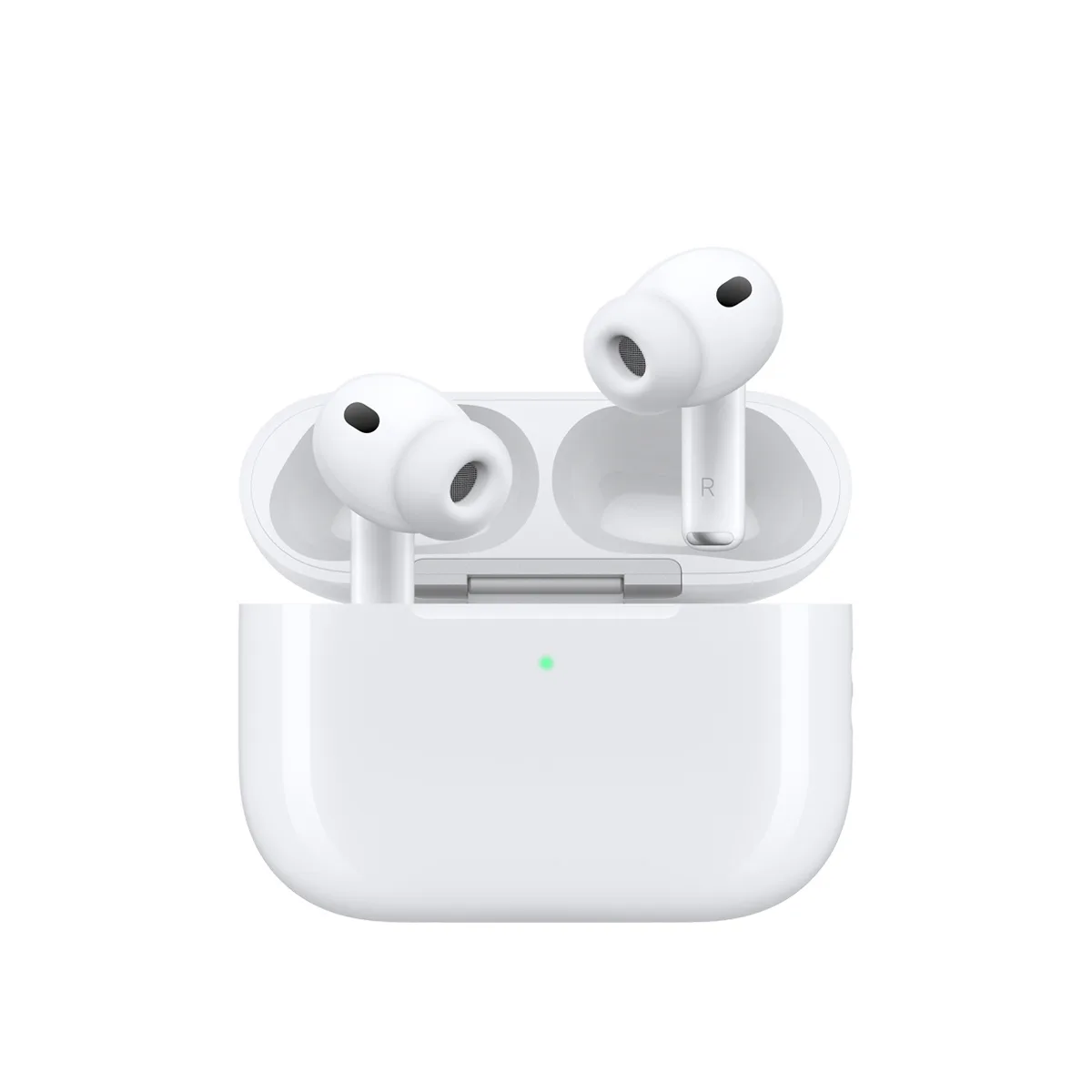
If you live on an iPhone, these are the easy answer. Apple roughly doubled the ANC over the Pro 2, added heart-rate sensing, foam-infused tips that actually seal, and bumped water resistance to IP57 — owners consistently say the noise cancellation now trades blows with Bose. Battery went up to 8 hours per charge, though the slimmer case total actually dropped to 24 hours. The honest caveats: you're stuck with AAC (no LDAC or aptX, so Android users lose hi-res and most features entirely), there's no real EQ beyond Apple's presets, and multipoint only works as auto-switching between Apple devices. Transparency mode and call quality remain the best in the business, and the hearing-aid feature is genuinely useful. Some longtime owners still grumble about eventual battery degradation — it's not user-replaceable. On Android, buy literally anything else.
Best for iPhone users who want set-and-forget ANC
Beats
Wireless Earbuds
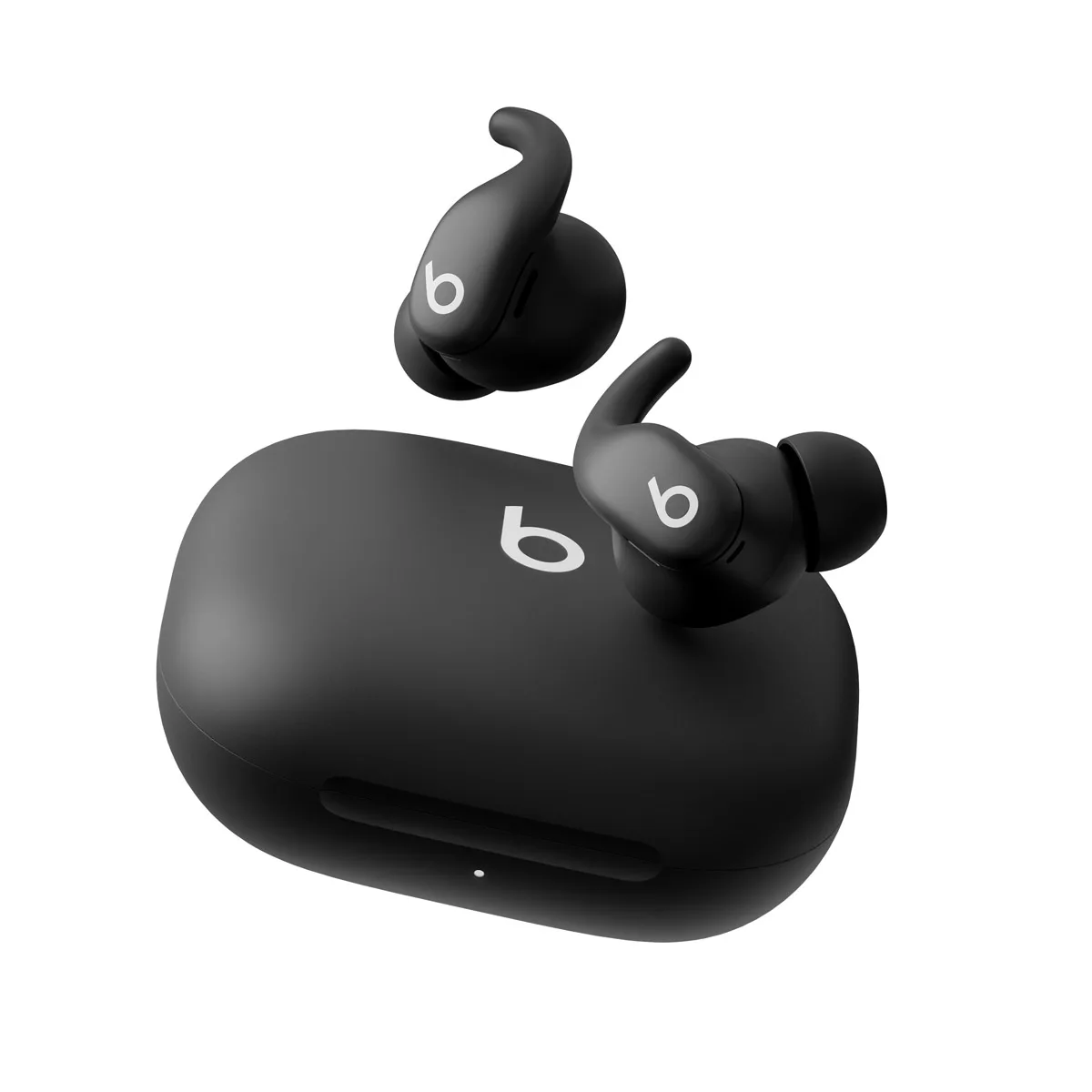
This is the Beats Fit Pro's direct replacement — Apple discontinued the Fit Pro in late 2025 — and it keeps the same winning idea: a wingtip that locks the bud in place through burpees without an over-ear hook. The wingtip is now 20% more flexible, the buds are slightly smaller, and the case shrank 17%; owners describe them as 'incredibly comfortable, yet locked in,' and reviewers call the jump in ANC and sound bigger than expected. Six hours with ANC on plus 24 total is fine for a gym bud, Fast Fuel buys an hour in five minutes, and because it's Apple inside you get one-tap pairing, Find My, hands-free Siri, and Personalized Spatial Audio on iPhone — plus a real Android app, which AirPods never get. The honest caveats: it's the old H1 chip, not the H2, so no Adaptive Audio or the Pro-tier tricks; the case lost wireless charging that the Fit Pro had; IPX4 is the minimum acceptable for a workout bud; and some owners find the wingtip pressure tiring after a couple of hours. AAC only and no EQ, as always with Beats. For runners who dropped AirPods one too many times, this is the mainstream pick.
Best for gym-goers who want AirPods features that stay put
Sennheiser
Wireless Earbuds
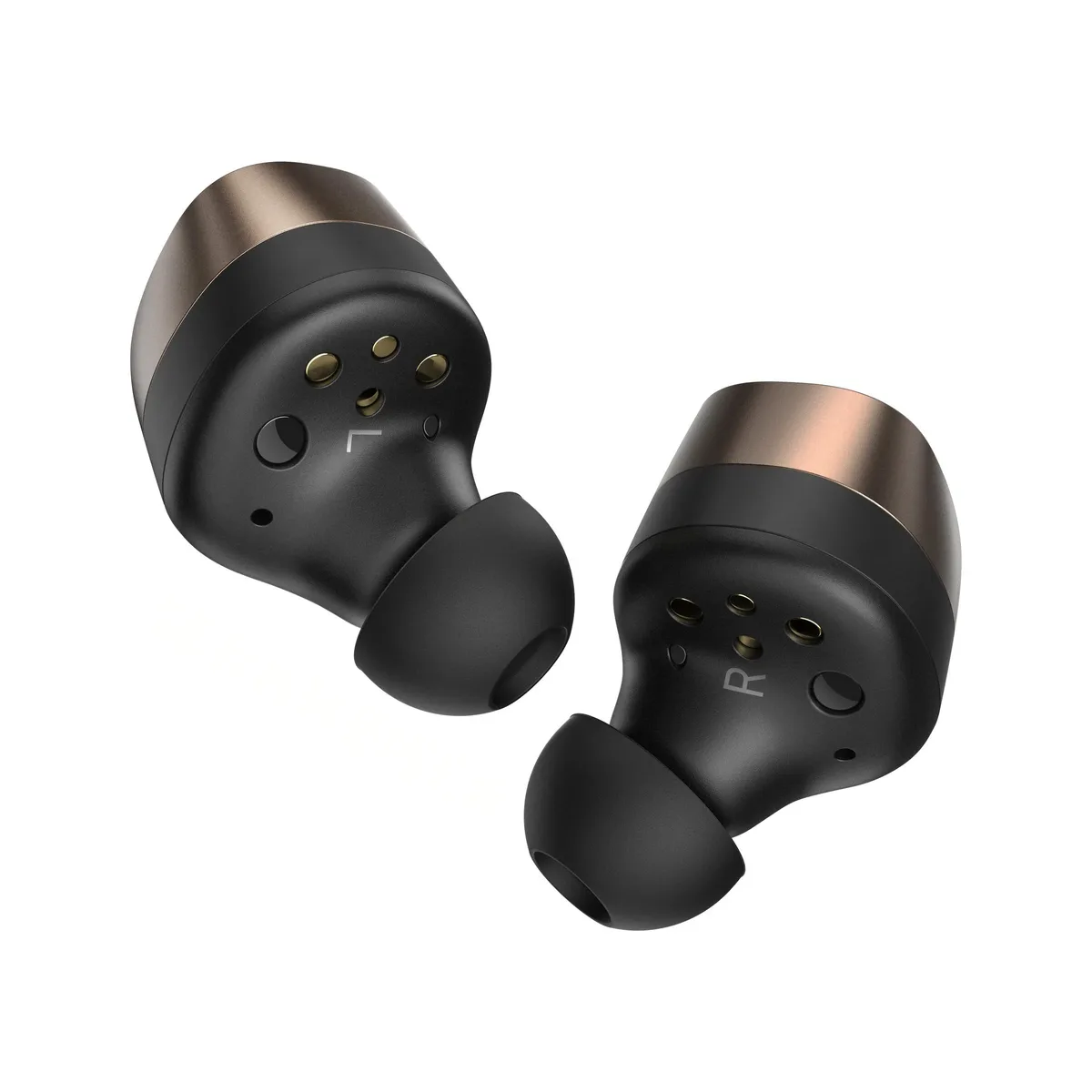
The codec king. If your phone supports aptX Lossless — mostly Snapdragon flagships — this is one of the only earbuds that can play CD-quality audio without compression, and the 7mm TrueResponse driver has the refined, spacious tuning Sennheiser is known for. Seven hours with ANC and 30 total is strong, multipoint works, and the Smart Control app has a proper EQ. The reasons these sit at 4.1 stars instead of 4.5: the chunky 6.2g housings are a genuinely bad fit for smaller ears, and owner threads are full of connection-drop and app-pairing complaints that firmware updates only partly cured. The Adaptive ANC is comfortably mid-tier — noticeably behind Bose and Sony — and call quality is unremarkable. No spatial audio at all, which either matters to you or doesn't. Best bought on the frequent sub-$200 sales, not at the $300 list.
Best for Snapdragon phone owners chasing lossless wireless audio
Beats
Wireless Earbuds
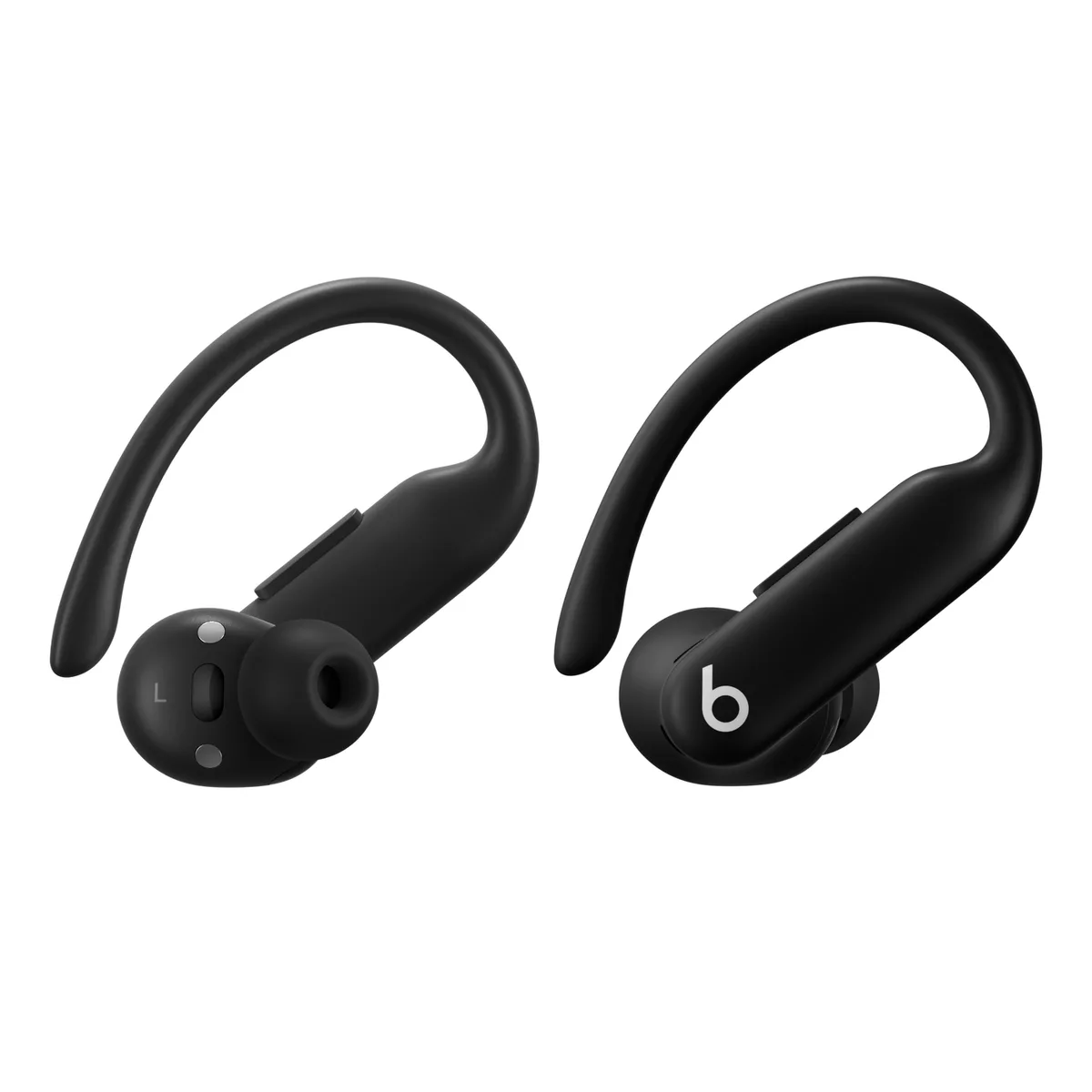
Six years after the original, Apple rebuilt its gym icon around the H2 chip, and it shows: real ANC and Transparency (rare in an earhook design), Personalized Spatial Audio, and optical heart-rate sensors in each bud that broadcast to gym equipment and fitness apps. The redesigned nickel-titanium hooks are lighter and lower-profile, the buds weigh 8.7g, and the case — now with wireless charging — shrank dramatically. Battery is 10 hours per bud (closer to 8 with ANC on) and 45 total. The gripes owners actually report: IPX4 is thin for a sweat-focused product, there's no traditional multipoint (Apple-ecosystem switching only), Android users lose Spatial Audio and heart-rate-to-app support, and there's no EQ anywhere. Fit with glasses takes negotiation, as with any hook. At the frequent $200 street price these are the default serious-training buds for iPhone owners.
Best for iPhone-owning gym rats who want ANC and HR data