JLab
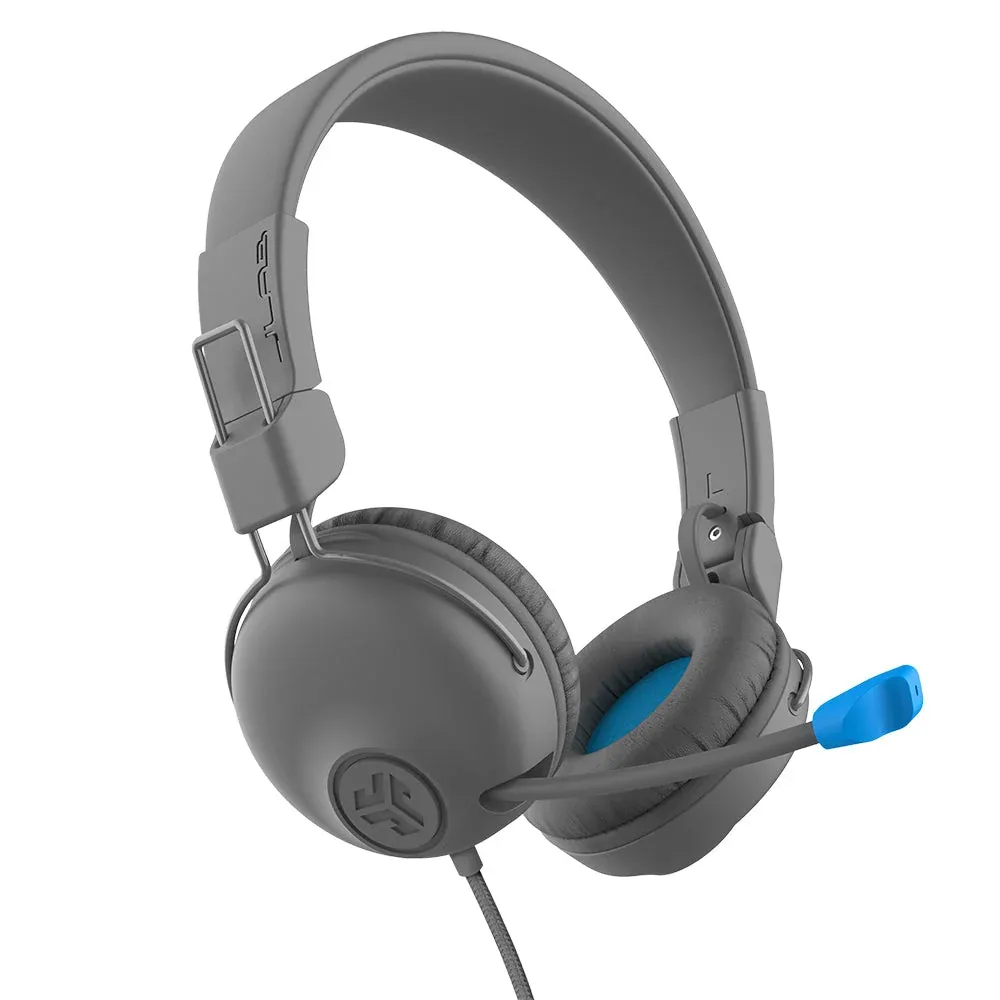
JLab JBuddies Learn
Heads up: despite sitting next to wireless kids models, the JBuddies Learn is wired-only — a 3.5mm nylon cord and no battery, which for school is actually the feature. Nothing to charge, nothing to pair, nothing for a six-year-old to lose by Tuesday. The retractable boom mic tucks into the earcup and works better for virtual classes than the muffled built-in mics on most kids headphones. Volume is capped at a fixed 85dB — the responsible number, but be realistic: 85dB for hours is still a lot of sound, and in a loud room kids will max it out. At 125g with folding hinges it fits ages six and up. Sound quality is fine-not-great, which no kid has ever complained about. JLab's lifetime warranty is the sleeper reason parents rebuy — they actually honor it.
We may earn a commission. Price and availability on Amazon’s site may differ.
Specifications
Highlights
Pros
- ✓No battery to die mid-class — wired is the feature
- ✓Retractable boom mic beats muffled built-in kid mics
- ✓Fixed 85dB limiter with no bypass toggle
- ✓JLab's lifetime warranty — they actually honor it
- ✓Folding 125g frame fits ages six and up
- ✓Nothing to pair, charge, or lose by Tuesday
Cons
- ✗85dB for hours is still a lot of sound
- ✗Kids max the limiter in loud classrooms
- ✗Owners report cracks where the cable exits the headband
- ✗Audio quality is merely fine, even for $25
- ✗3.5mm plug needs a dongle on modern devices
Owner Insights(20 discussions)
The JBuddies Learn is built for exactly one job - school and virtual classes - and parent reviews judge it on those terms. The counterintuitive winning feature is that it's wired: no battery to die mid-lesson, no Bluetooth pairing fight with a district Chromebook, and nothing for a six-year-old to forget to charge. The retractable boom mic is the other half of the pitch, and parents consistently report teachers can actually hear their kids clearly on calls, unlike the muffled built-in mics on most kids headphones. The 85dB volume limiter is fixed with no bypass toggle, which parents who've caught kids defeating switchable limiters specifically appreciate.
The practical caveats cluster in two places. Durability: the JBuddies line's known weak point is the plastic cracking where the wire exits the headband and around the earcup screws, and a subset of parents report breakage within the first school year - offset by JLab's warranty, which parents report is honored with minimal hassle and is the reason many rebuy JLab instead of gambling on no-name alternatives. Volume reality: 85dB is the responsible cap, but it's a peak limit, not a time limit - hours at max is still a lot of sound, and in a loud classroom kids will pin it there because the on-ear pads barely isolate. Sound is speech-first and thin for music, which no child has ever complained about.
For classroom and homework use, this is one of the default parent picks alongside the mic-less JBuddies Studio (choose the Learn specifically for the boom mic). If your kid needs headphones for travel and tablets rather than class calls, a wireless set with a bigger battery like the iClever BTH12 or JLab's JBuddies Pop makes more sense; if your school allows only wired and your kid destroys everything, buy the Learn, keep the receipt, and use the warranty.
Pros
- +Wired-only is the killer feature for school - parents say nothing to charge, nothing to pair, and nothing dies in the middle of a virtual class
- +The retractable boom mic genuinely helps in virtual classes - teachers hear kids clearly where built-in kid-headphone mics sound muffled
- +The 85dB limiter is fixed with no bypass switch, so there's no toggle for a kid to discover and defeat
- +Plugs straight into school Chromebooks, iPads with adapters, and laptops via 3.5mm - no compatibility drama with district devices
- +The adjustable folding frame spans roughly ages 6-16, so it survives multiple school years of growth
- +Parents report JLab honors warranty claims on JBuddies models with little friction - a real differentiator against no-name kids headphones
Cons
- −The known structural weak point is cracking in the plastic where the wire exits the headband and around the earcup screws - multiple parents report failures inside the first year
- −85dB for hours on end is still a lot of sound - the limiter caps peaks, it doesn't manage listening time
- −In a loud classroom kids max the limiter and can still struggle to hear, since on-ear pads isolate very little
- −The nylon cord resists tangles but not chair wheels and yanks - cord failures are the other common death
- −Sound quality is serviceable at best - fine for speech and class videos, thin for music
- −On-ear eco-leather cushions get sweaty and some kids find the pinch uncomfortable after long sessions
Common Questions
Compare the JLab JBuddies Learn
Related headphones
More from JLab →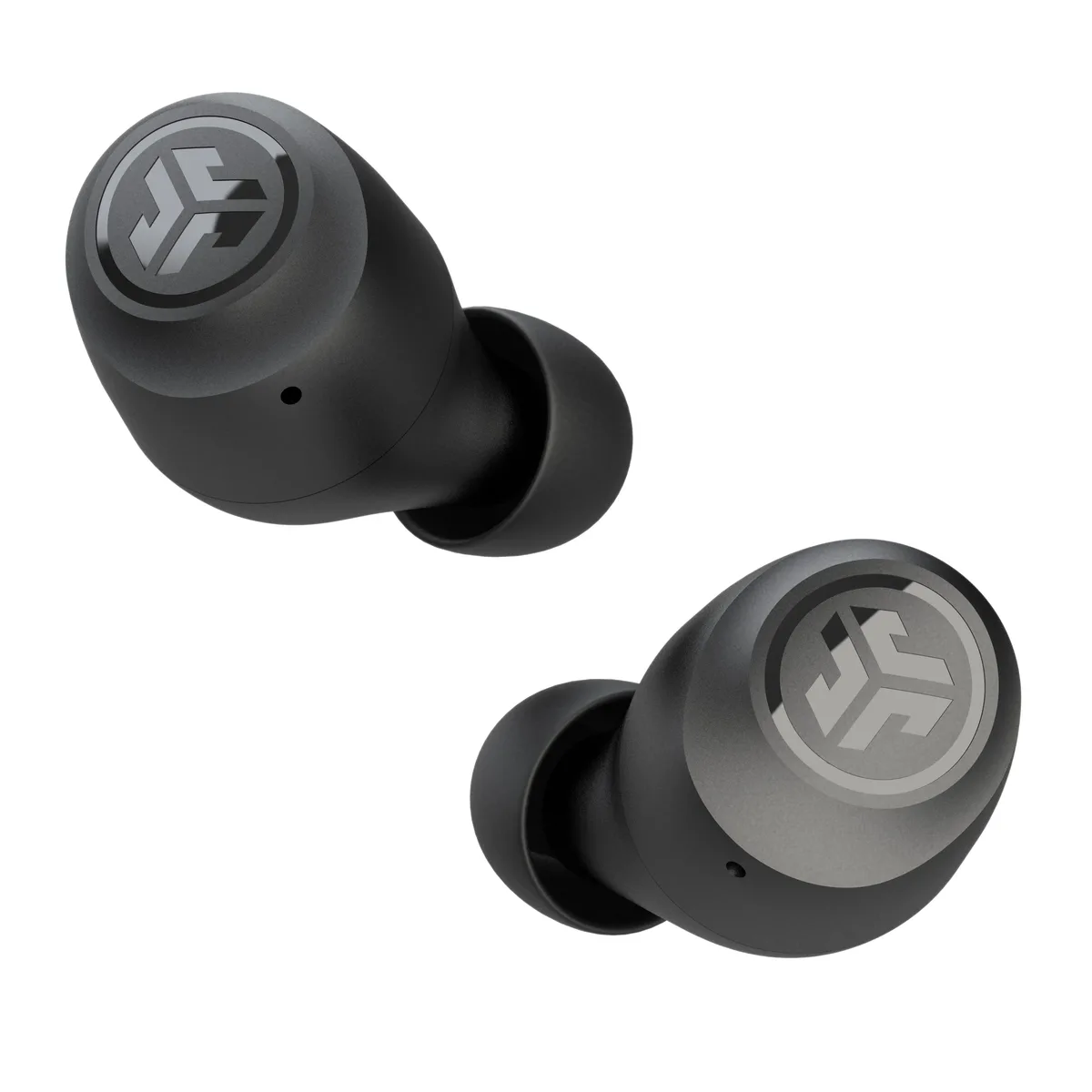
JLab
Wireless Earbuds
JLab's follow-up to the mega-selling Go Air Pop keeps everything that made the original a default recommendation: tiny buds, a case with the USB-C cable integrated right into it, and 9 hours per charge with 35 total. New here are Bluetooth 5.3, Google Fast Pair, and full custom EQ through the JLab app instead of just the old three-preset EQ3 cycling. Owners are blunt about the tradeoffs: the mics are rough on calls and nearly unusable in wind, touch controls trigger accidentally when you adjust a bud, and there's no ANC, ambient mode, or multipoint — Dual Connect just means either bud works solo. Bass-forward tuning suits gym playlists more than acoustic tracks. At around $25 with an enormous and consistently warm owner base, they're the safest ultra-cheap buds you can buy.
Best for gym-goers who want cheap, reliable buds
JLab
Wireless Earbuds
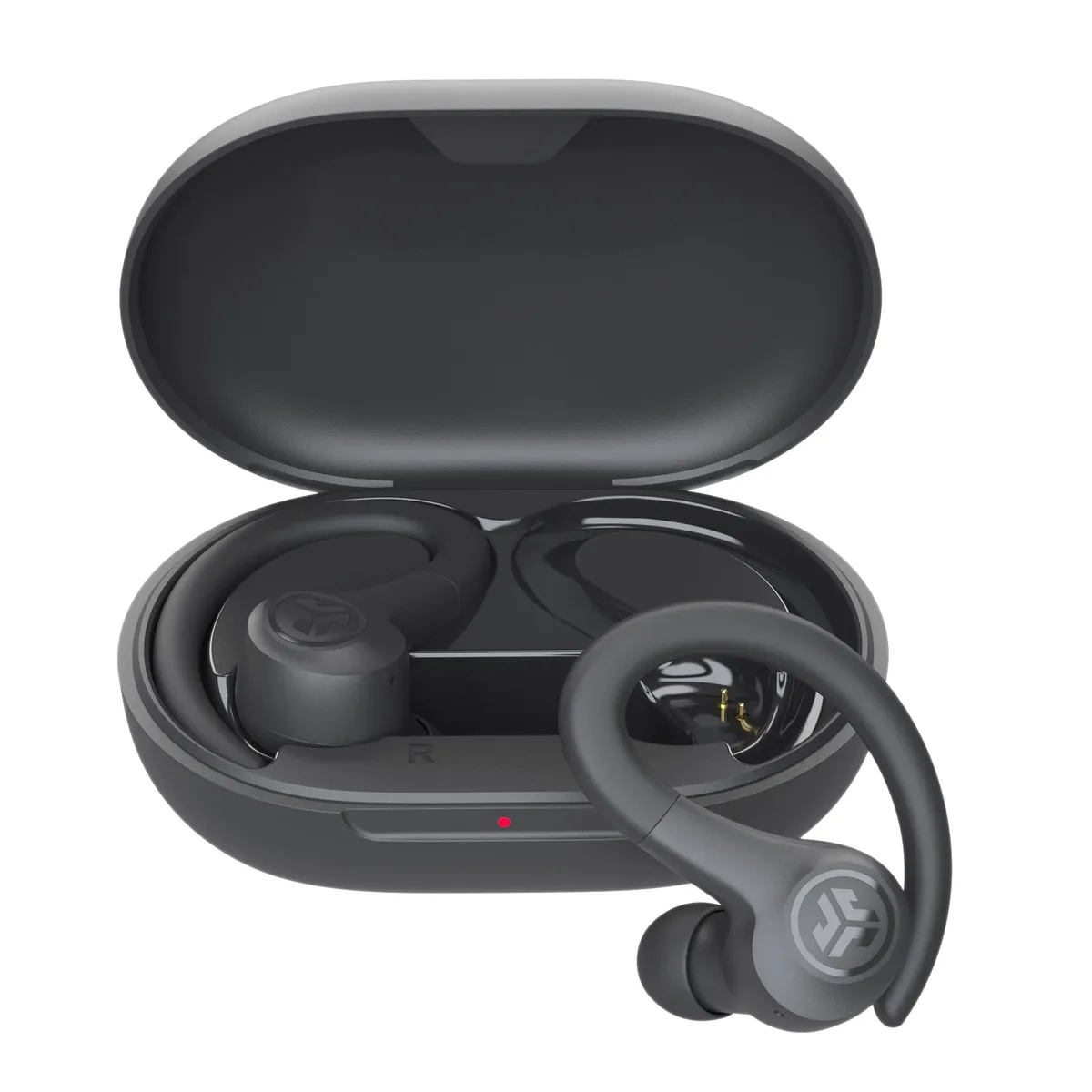
Thirty dollars, earhooks, eight hours per charge, IP55 — the value math here is absurd, which is why these show up in every budget-gym-buds thread. The 6.2g buds stay put through anything, and the case has JLab's signature party trick: an integrated USB-A cable tucked underneath, so there's no cable to lose (and no USB-C, which cuts both ways in 2026). Sound from the 6mm drivers is bass-forward and a little rough, with audible hiss on quiet tracks; you cycle three EQ presets (Signature, Balanced, Bass Boost) by tapping, since there's no app support on this model. Touch controls are oversensitive — adjusting a bud often skips a track. No multipoint, no transparency, and calls are passable indoors only. None of that matters much at this price: buy them as beater buds for the gym bag and be pleasantly surprised.
Best for budget gym-bag beaters you won't cry about losing
JLab
Wireless Earbuds
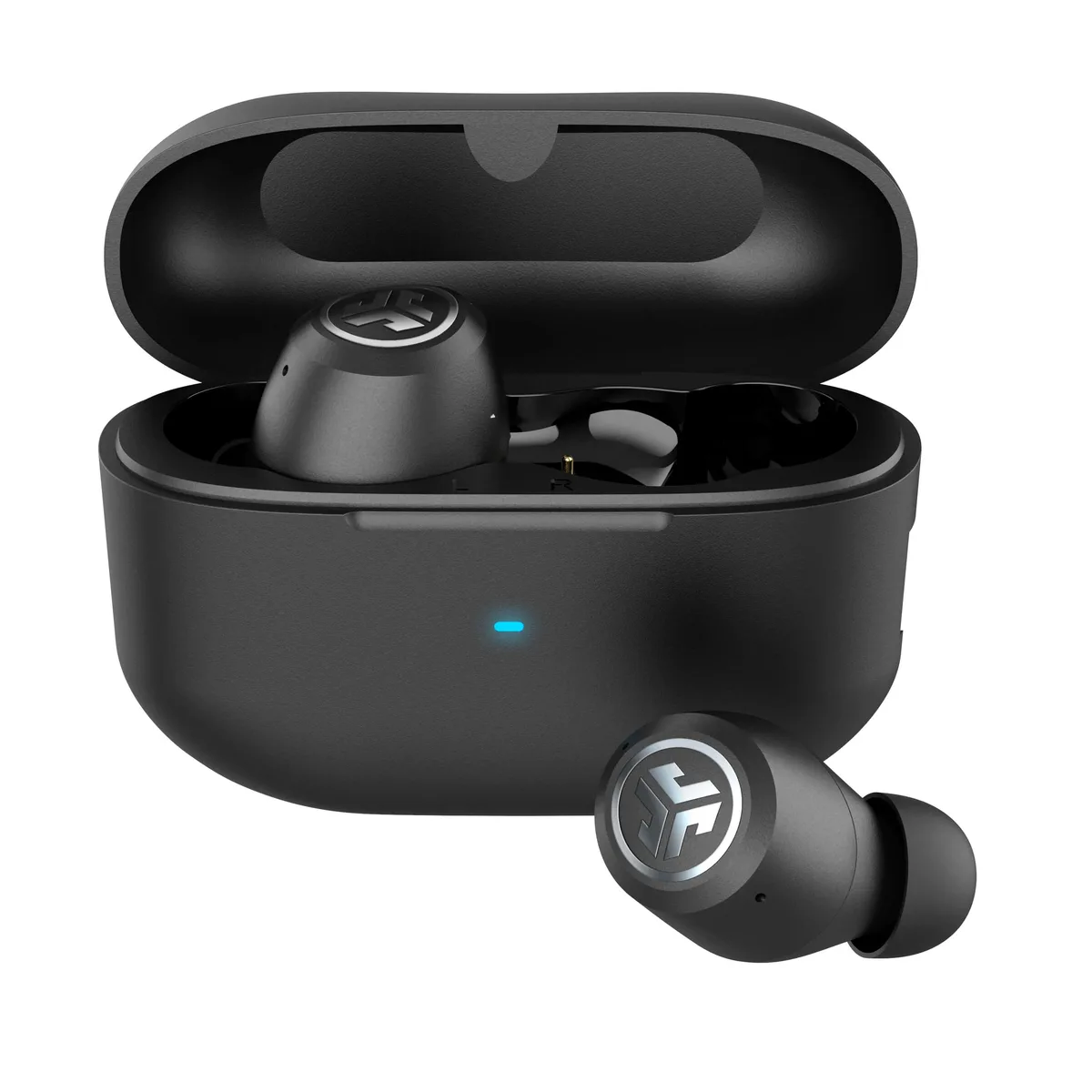
JLab's JBuds ANC 3 quietly checks nearly every feature box that used to cost $150: Smart ANC that learns your environment and adjusts itself, Be Aware transparency, Bluetooth multipoint, Google Fast Pair, a full custom EQ in the JLab app, and IP55 dust and sweat resistance. Reviewers keep landing on the same verdict — the noise cancelling is genuinely good, not budget-good, and it makes these an easy commute-and-plane recommendation. The buds themselves are tiny at 4.8 grams each, so owners who struggle with bulkier earbuds say these disappear in the ear and stay there. Battery is 9 hours per bud with ANC off (about 7.5 with it on) and 42 hours total, and the case has JLab's signature party trick: a short USB-C cable built right into it, so you never hunt for a charger. The honest caveats: call quality is the weak spot — owners say don't buy these primarily for meetings — the ANC can behave a little inconsistently as it adapts, there's no wireless charging, and Bluetooth is an older 5.2 spec with just SBC and AAC. Fishing the small buds out of the case is also fiddlier than it should be. If ANC per dollar is the metric, though, this is one of the best deals going.
Best for Feature-hunters who want everything under $60
iClever
Kids Headphones
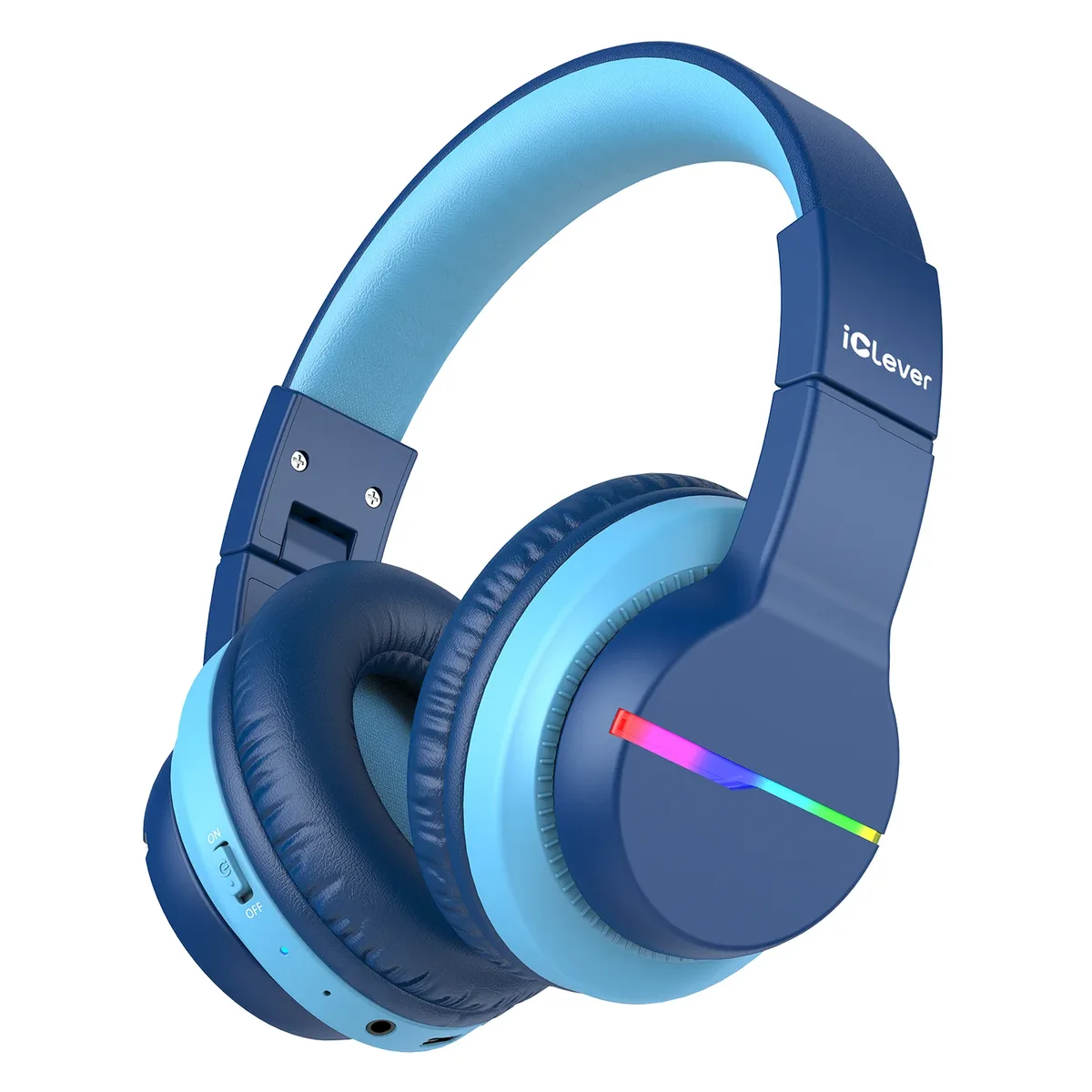
The BTH12's rainbow LED earcups are the reason kids pick it off the shelf, and the reason it wins flights: iClever claims 85 hours with the lights off, and owners report the lights-on number is closer to 50 — still enough for a week of travel. It's Bluetooth 5.2 (SBC audio, which is fine at this level) with a USB-C fast charge that banks about seven hours in ten minutes. The volume limiter toggles between 74 and 85dBA, and here's the caveat every parent should know: plug in the included aux cable and the limiter depends on the source device, so wired mode can get louder than the caps suggest. Fit runs small-to-medium — great for toddlers through early grade school, snug on big kids. Padding is decent, build is plasticky but has survived plenty of backpack abuse.
Best for young kids on long flights
ONANOFF
Kids Headphones
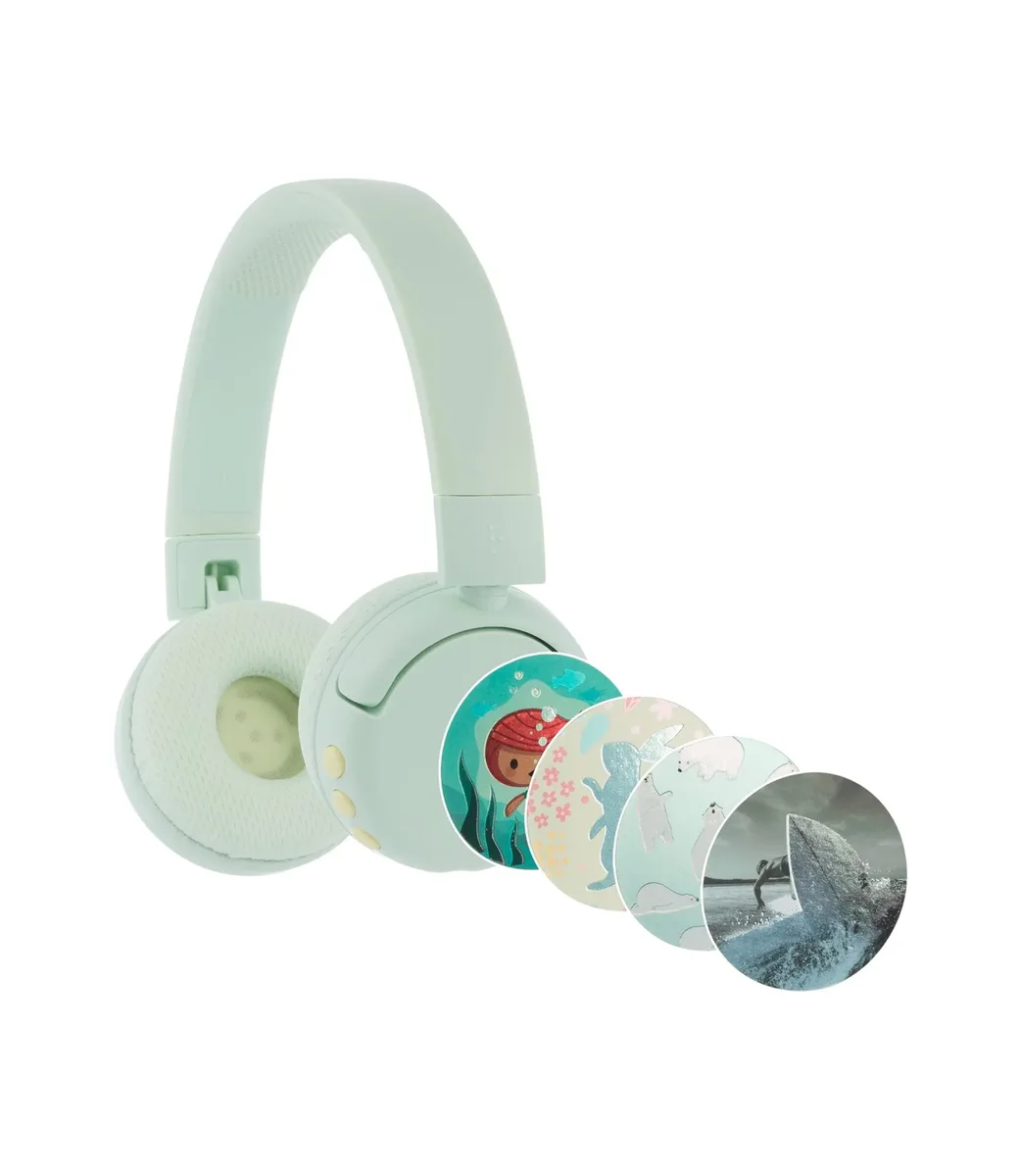
Here's the rare kids headphone where the volume limit actually does what the box says: instrumented testing measured 84.4dB in the 85dB SafeMode over Bluetooth, and even the parent-selectable 94dB POP mode landed exactly on target. That makes this one of the two or three most trustworthy limiters in the category, at a $30 price where most competitors blow past 94dB. The two modes are the smart part — 85dB for everyday use, 94dB you can unlock for noisy airplanes — and it works wired through the included 3.5mm cable too, so a dead battery doesn't end the trip. Battery tested at over 23 hours against the claimed 24, it charges over USB-C in under two hours, and at 137-147g with light clamping it fits the 3-to-9 age range it's built for. It's honest-cheap in the right ways: flexible plastic that survives bending and drops, washable earpads, stickers for personalization. The honest weaknesses: the built-in mic is muffled enough that teachers will struggle to hear your kid on video calls — plan on using the tablet's mic instead — and there's zero water resistance, so a juice-box spill can kill them. No carrying pouch either. If the whole reason you're buying kids headphones is the hearing protection, this is the best value in the category.
Best for parents who want a volume limit that verifiably holds, for $30
iClever
Kids Headphones
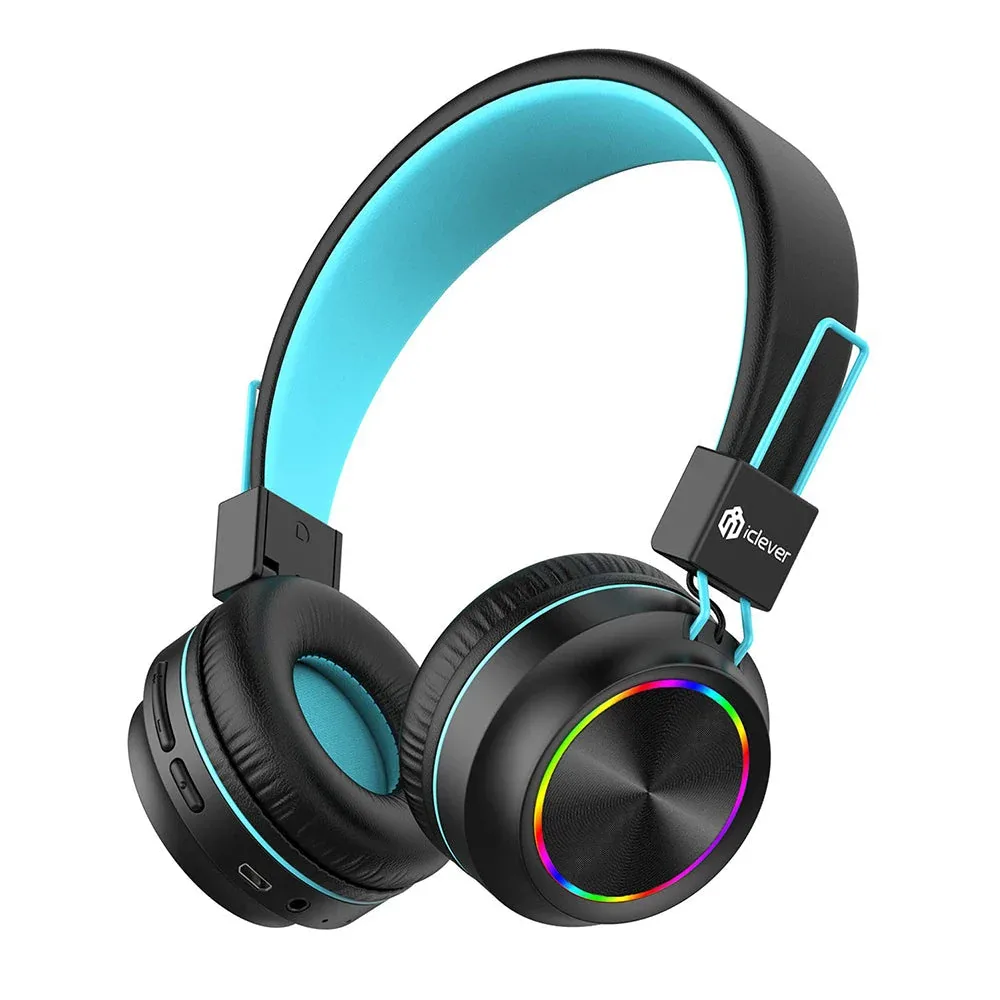
This is the impulse-buy kids headphone — around $20, wrapped in color-shifting LED rings that make it the one your kid actually asks for. Under the lights it's more competent than the price suggests: 40mm drivers, Bluetooth 5.4 in the current revision, a mic for school calls, memory-foam cushions, and a foldable frame with a headband that tolerates twisting. Battery is the quiet superpower — iClever rates it at 35 hours with the lights running and up to 100 hours with them off, and a 3.5mm jack lets kids keep listening wired while it charges. The LEDs themselves are a honeymoon feature: parents report kids losing interest within days, at which point you turn them off and triple the battery. The trust caveat matters, though: iClever claims an 85dB cap, but unlike Puro or BuddyPhones there's no independent lab verification, so treat it as approximate and set your tablet's volume limit as backup. Long-term durability is the other gamble — some parents report the headband deforming if stepped on and units dying after a few months, which is about what $20 buys. iClever no longer lists the BTH03 on its own store; it sells through the brand's Amazon storefront. As a starter pair for a kid who loses things, it's the right amount of money at risk.
Best for a cheap starter pair for kids who lose or break things