Soundcore
Soundcore AeroClip
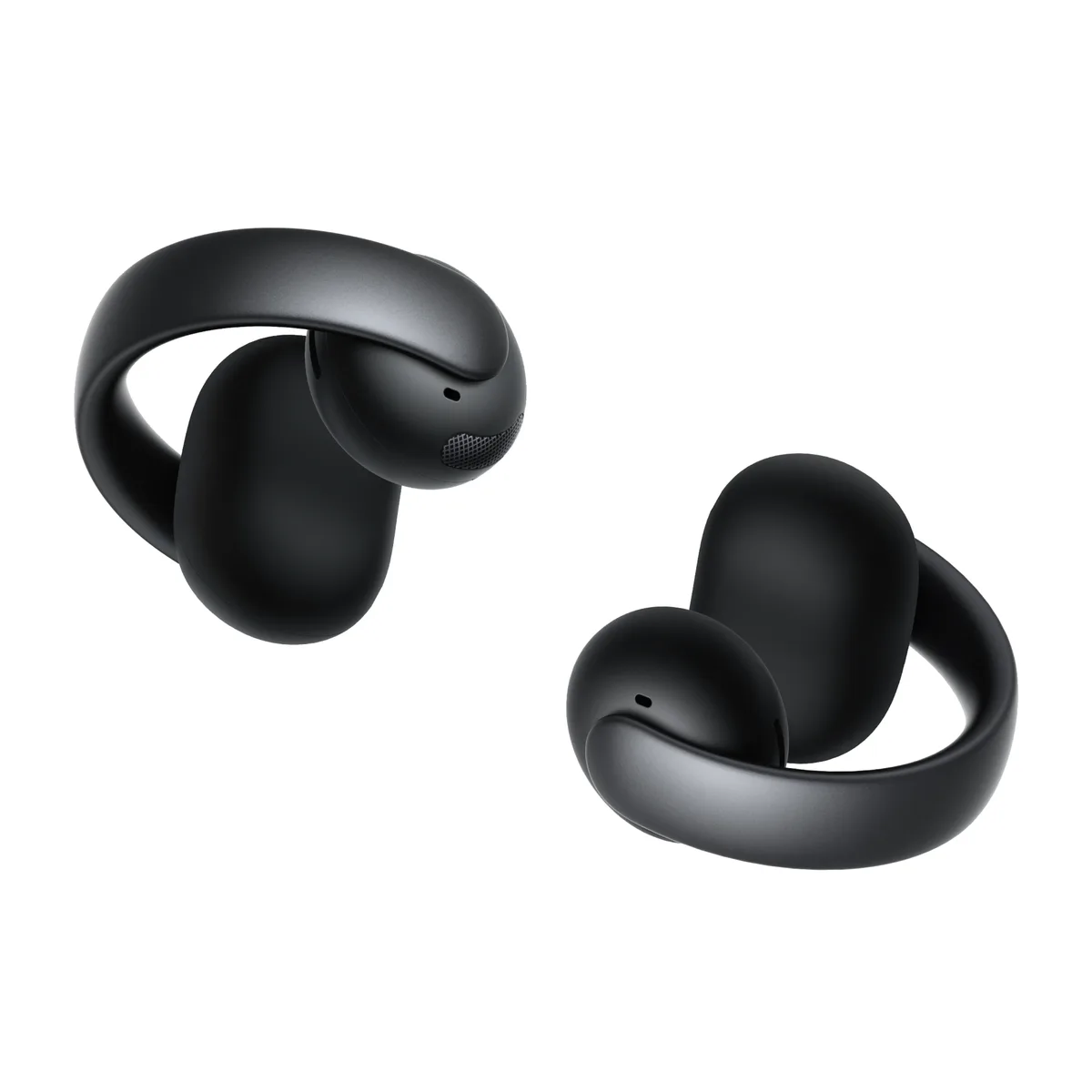
Anker's answer to the Bose Ultra Open at half the money: a 6g cuff with a memory-titanium wire core that clips to the edge of your ear, rated for 20,000 bends. Because nothing hooks over the top of your ear, these are the glasses-friendliest sports buds in this list — sunglasses and hearing-aid wearers gravitate to the clip format for exactly that reason. You get LDAC, multipoint, and Bluetooth 5.4, plus a 12mm titanium-coated driver that sounds warm and pleasant, if clearly a tier below Bose's tuning. Eight hours per charge and 32 total is fine, but the case skips wireless charging. The honest downsides: bass is gentle (open-ear physics again), the cuff can slowly rotate out of position during burpees or floor work, and call quality drops outdoors in wind despite the four-mic array. At its frequent $99 street price, it's the smart-money clip-on.
We may earn a commission. Price and availability on Amazon’s site may differ.
Specifications
Highlights
Pros
- ✓Bose Ultra Open's cuff format at half the price
- ✓Memory-titanium core rated for 20,000 bends
- ✓Glasses-friendliest sports bud — nothing hooks over your ear
- ✓LDAC and multipoint rarely appear at $99
- ✓6g weight disappears within minutes
- ✓Warm, pleasant 12mm titanium-coated driver tuning
Cons
- ✗Tuning sits a clear tier below Bose's cuff
- ✗Bass is gentle — open-ear physics wins again
- ✗Cuff rotates out of position during burpees
- ✗Four-mic array still loses calls to wind
- ✗Case skips wireless charging unlike the cheaper AeroFit 2
Owner Insights(90 discussions)
The AeroClip is the smart-money answer to the Bose Ultra Open, and owner discussions treat it exactly that way: the same jewelry-style cuff concept — a memory-titanium wire core rated for 20,000 bends, nothing touching the ear canal — at half the money. The comparison verdicts are remarkably consistent: Bose sounds 10-15% better, the AeroClip fits more gently and comfortably, and at ~$99 the value argument usually wins. For glasses and hearing-aid wearers the clip format is the whole point, since nothing hooks over the top of the ear at all.
Daily reports center on comfort and calls. The soft hug of the cuff makes multi-hour wear easy for most owners, though fit is individual — a minority find the grip sore after long sessions. Mic performance is a genuine surprise: callers report hearing owners clearly, though wind still degrades things outdoors. Sound is warm and pleasant with the gentle bass all open designs share; LDAC on Android is a bonus rather than a transformation. The recurring practical gripe is workout stability under inversion — burpees and floor work can slowly rotate the cuff out of position — plus a case that skips both wireless charging and quick-charge, which stings when the cheaper AeroFit 2 has wireless charging.
Buy the AeroClip if you want the clip-on open-ear format for all-day wear, podcasts, and calls without paying Bose money — especially if you wear glasses. The Bose Ultra Open (~$199) remains the strongest alternative and the right call when sound quality is the actual priority; the Shokz OpenFit 2 (~$140) wins on battery and workout stability if the hook format works for your frames.
Pros
- +Owners who compared it directly to the Bose Ultra Open call it 80-90% of the experience at half the price — some even prefer the AeroClip's gentler fit
- +Comfort is the standout: the cuff gently hugs the ear edge instead of gripping hard, and long-session wearers describe it as ultra-comfortable
- +The clip format is the glasses-and-hearing-aid solution — nothing hooks over the ear, so frames and aids coexist with zero contact
- +Call and mic quality surprise owners — people on the other end report hearing them clearly, a rarity in open-ear
- +Secure enough that owners stop worrying about flinging them off mid-workout
- +LDAC, multipoint, and Bluetooth 5.4 at $99 — a spec combination the Bose can't fully match at twice the price
- +Warm, pleasant tuning with low leakage at normal volumes; office neighbors don't get a broadcast
Cons
- −Fit varies noticeably between ears — a minority find the grip mechanism uncomfortable after long sessions or hit ear soreness where most feel nothing
- −The cuff can slowly rotate out of position during burpees, floor work, and other inverted movement, needing a mid-workout reseat
- −Bass is gentle — open-ear physics again — and a clear tier below the Bose Ultra Open's tuning for music-first listeners
- −Wind degrades outdoor call quality despite the four-mic array, so calls on breezy runs suffer
- −No wireless charging on the case, a step down from Soundcore's own cheaper AeroFit 2
- −No quick-charge feature, so a dead case means waiting on a cable
- −IP55 covers sweat and rain but heavy sweaters have burned through Soundcore open-ears before — register the warranty
Common Questions
Compare the Soundcore AeroClip
Related headphones
More from Soundcore →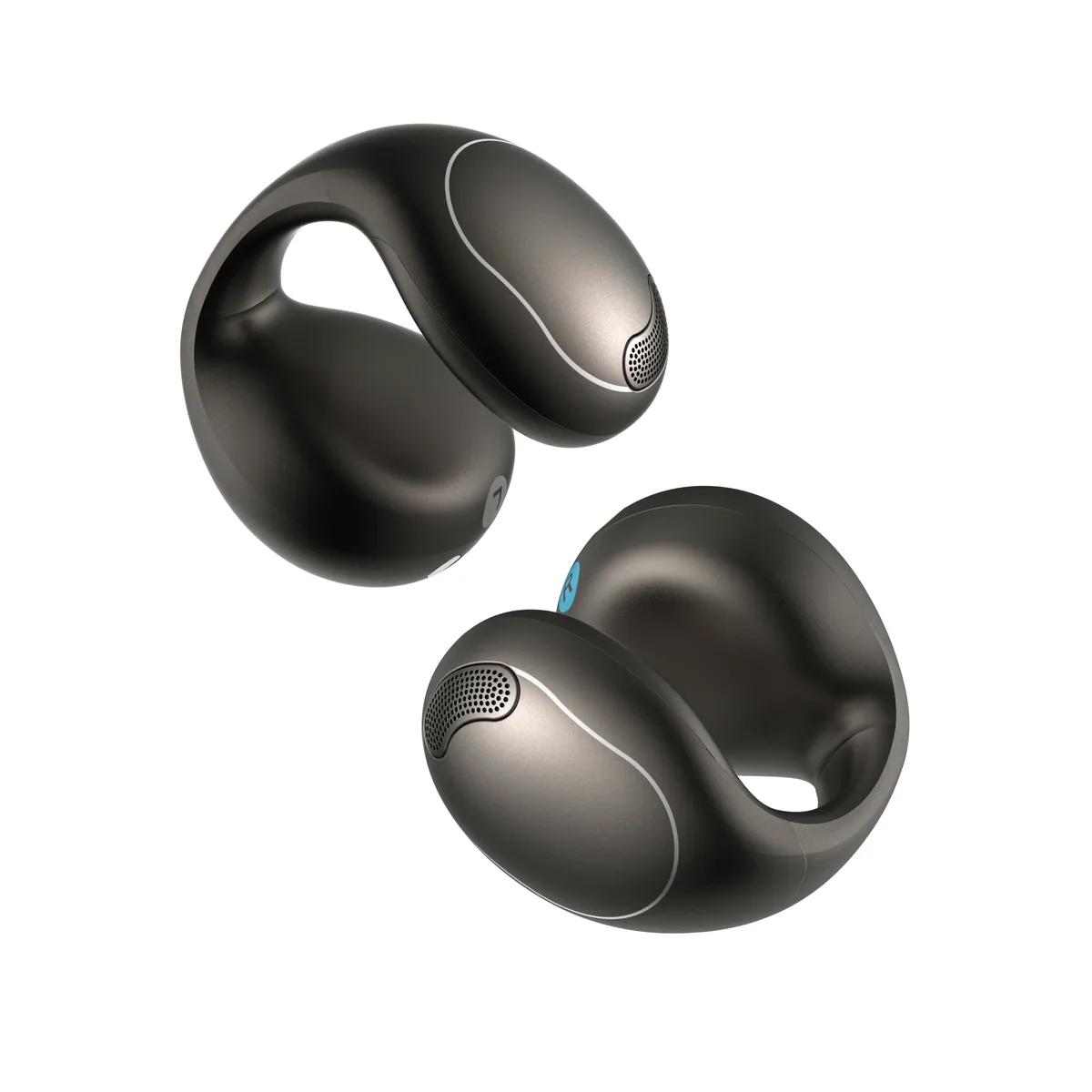
Soundcore
Open-Ear & Bone Conduction
Anker's clip-on open-ear is the sensible-money alternative to the $200 Shokz OpenDots One and $299 Bose Ultra Open: same cuff-style concept — a titanium-wire joint clips a 5.8g bud to the edge of your ear, nothing in the canal, nothing over the top — at half or a third of the price. The 12×17mm titanium-coated oval driver sounds decent once you spend a few minutes in the soundcore app; reviewers and owners agree the out-of-box tuning needs EQ work before it shines, and even then it won't out-muscle the OpenDots on bass. Controls are physical buttons rather than touch, which owners of touch-control rivals may consider a feature. Battery is 7 hours per charge and 21 with the case, with a 10-minute charge buying 2 hours. Fit is the polarizing part: most people find the clip design extremely comfortable and forget it's there, but the buds run large as clip-ons go, and some owners with smaller ears report pressure-point soreness after an hour — if in-ears bother you this is worth trying, but it's not universal. IPX4 handles sweat fine. Bluetooth 5.4 with multipoint is better connectivity than most at this price; Anker doesn't publish codec support, so assume standard fare. As a first open-ear or a gym-and-errands pair, it's the best value in the clip-on category.
Best for trying clip-on open-ears without spending $200
Soundcore
Open-Ear & Bone Conduction
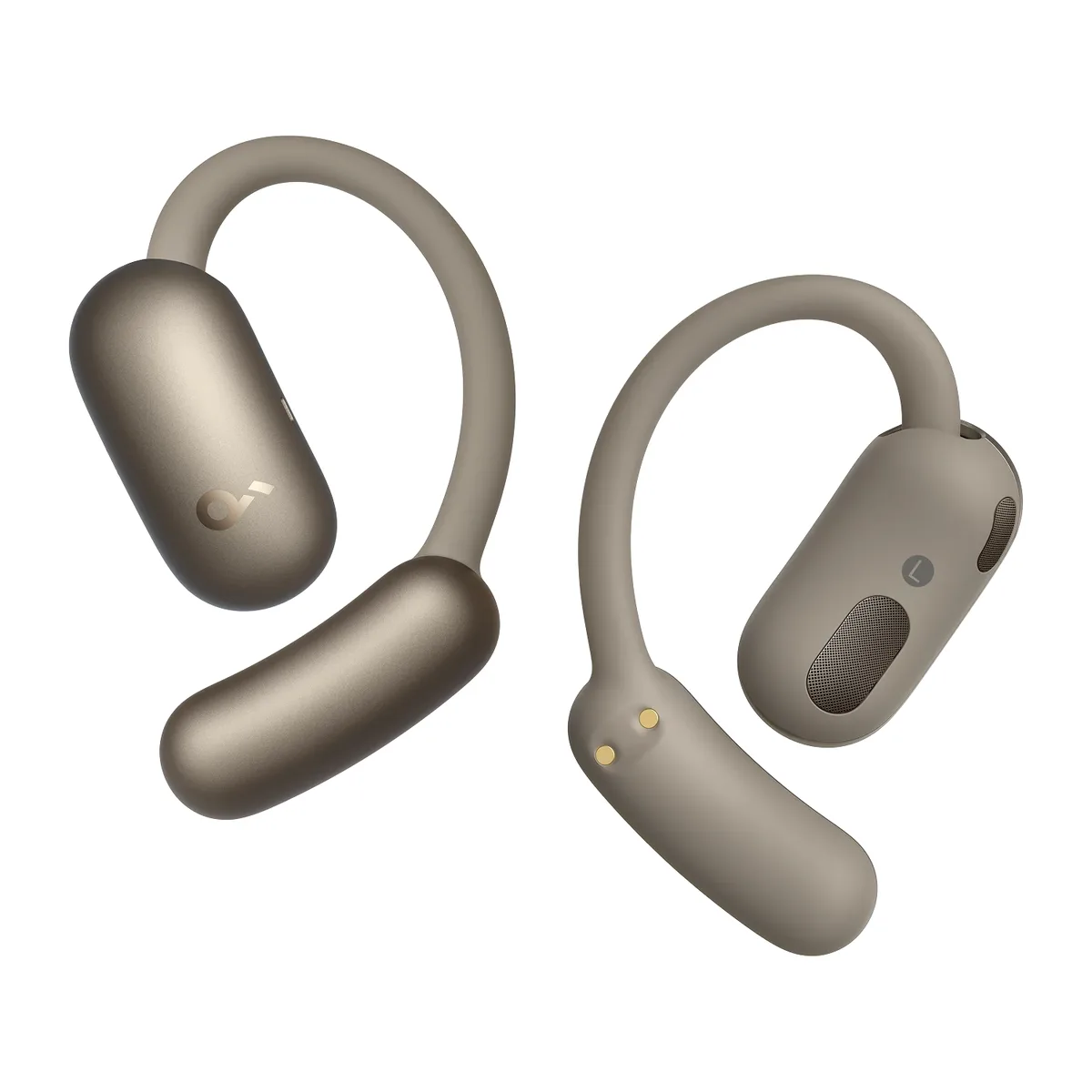
Anker's value play in open-ear, and the spec sheet embarrasses products twice the price: LDAC hi-res streaming, multipoint, wireless charging, 10 hours per charge with 42 total, and a four-position rotating joint so you can aim the 20 x 11.5mm racetrack drivers at your ear canal. That adjustability matters more than it sounds — open-ear bass lives or dies on driver placement, and dialing it in genuinely helps. At 10g per side the hooks are comfortable, though they jostle for real estate with glasses arms more than the Shokz OpenFit 2 does. Sound is respectable but the LDAC badge oversells it; you're still listening to speakers hovering outside your ear, so bass stays light and leakage is audible near others. Mics are just okay in wind. Street price hovers around $70, which makes the flaws easy to forgive.
Best for budget buyers who want flagship open-ear features
Soundcore
Over-Ear Headphones
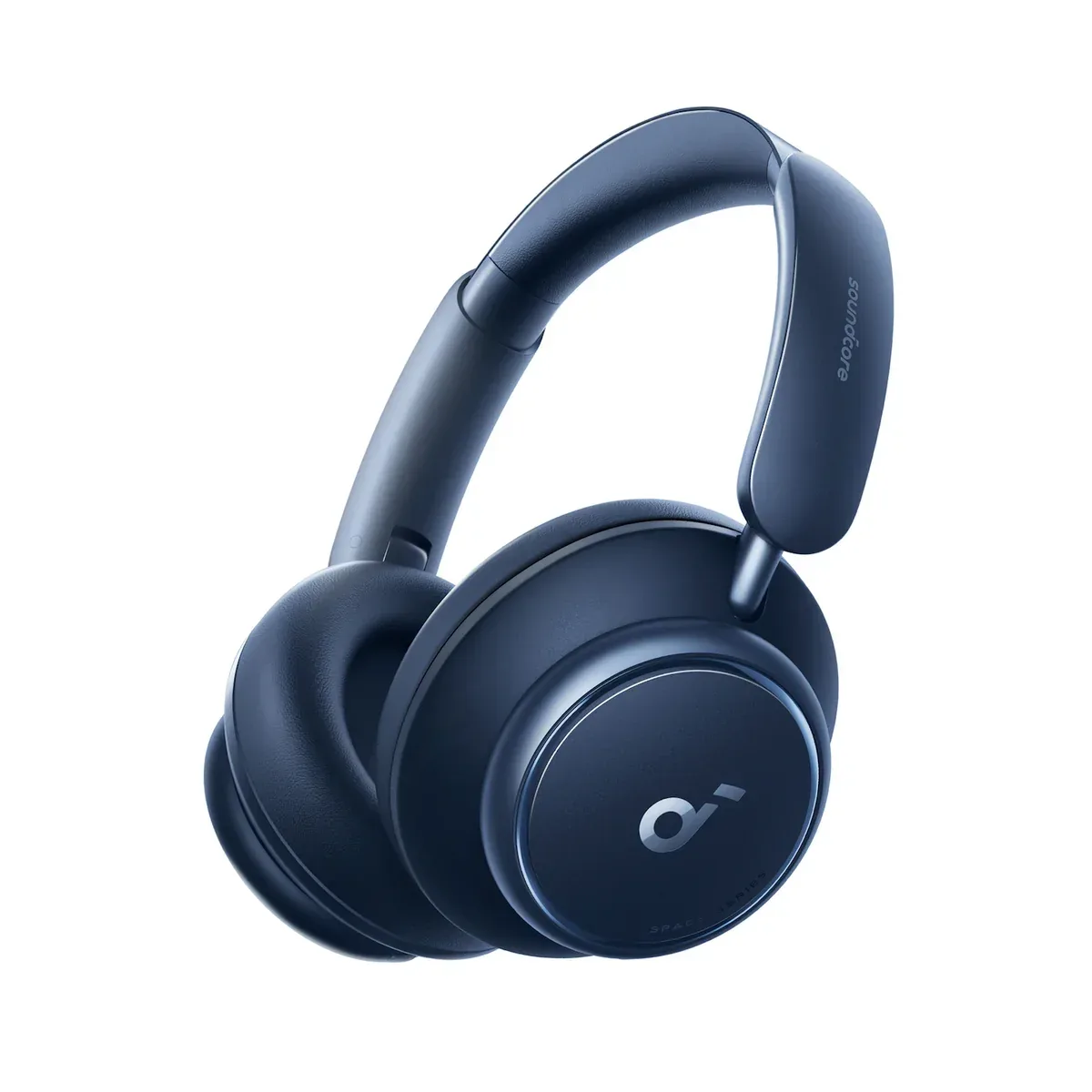
The Space Q45 is Soundcore's travel workhorse: 50 hours with ANC on, three-stage adaptive noise cancelling that legitimately embarrasses some headphones at twice the price on airplane drone, plus LDAC, multipoint, and a folding frame with a proper case. Street price bounces between $90 and $150, so patient buyers should wait for the frequent 40%-off deals. The catch list is honest but tolerable: it's heavier than it looks at roughly 292 grams, clamp is tight on larger heads for the first weeks, and the default V-shaped tuning has boomy mid-bass that needs the app EQ to sort out. ANC adds a touch of ear pressure and hiss in silence, and the mics are merely okay for calls. Versus the cheaper Space One you're buying more battery, stronger low-frequency ANC, and a sturdier build. For long-haul economy seats, it's a bargain.
Best for long-haul flyers who prioritize battery and ANC
Soundcore
Over-Ear Headphones
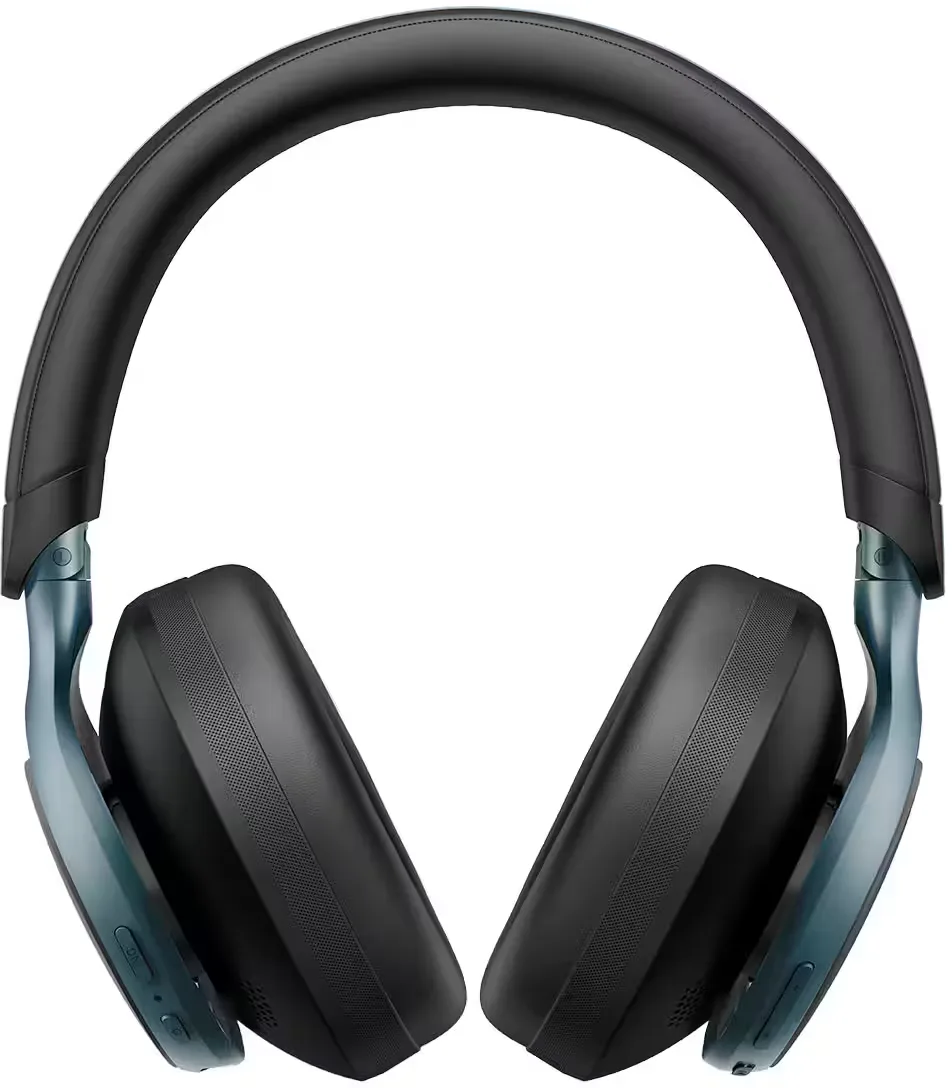
The Space One reads like a spec-sheet ambush: adaptive ANC, LDAC, multipoint, wear detection, and 40 hours with ANC on, usually for around $80. The noise cancelling is genuinely strong for the class — Soundcore's voice-reduction push means it handles chatter better than the JBL Tune 770NC — though you can hear a faint hiss in quiet rooms. Out of the box the tuning is deeply bass-heavy, and the Soundcore app's excellent custom EQ is basically mandatory. Build is all plastic with a slightly toylike headband slider, and clamp force is firm until it breaks in; pads are roomy but shallow. LDAC works, but you trade battery life and a bit of connection stability for it. Call quality is mediocre in noise despite the AI mic marketing. For under $100 it's one of the most complete feature sets in headphones, flaws included.
Best for travelers wanting the most complete sub-$100 ANC package
Soundcore
Wireless Earbuds
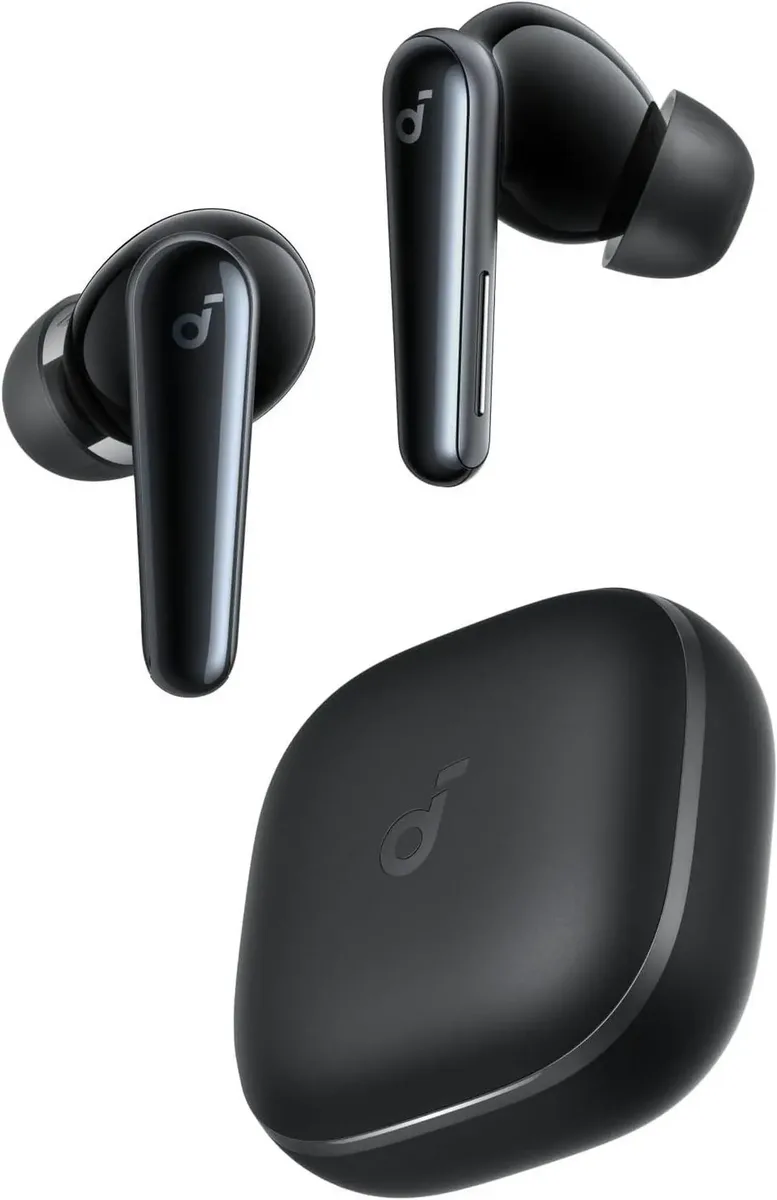
The spec sheet reads like a $200 product: LDAC hi-res, multipoint that keeps working even with LDAC enabled, 8 hours of ANC-on battery (12 with it off), IP55, and a 10-minute charge that buys five hours. Street price routinely sits at $80-100 (currently $79 on Amazon), which is why owners keep calling these the default recommendation under $100. The 9.2mm wool-paper drivers deliver big, tunable bass, and the HearID hearing-test EQ in the app genuinely changes the sound rather than nudging it. ANC 3.0 re-adjusts every 0.3 seconds and is tuned hard at voices — good in an office, though reviewers agree it lands mid-pack overall, below Bose and Sony's flagships. The compromises owners actually report: the squeeze-stem controls are fiddly and easy to mis-trigger, the glossy design reads a bit cheap, and the Dolby Audio toggle is more of an EQ effect than real spatial audio. Call quality with six mics is a genuine strength for the price. If you want 90% of the flagship experience for a third of the money and can live with average ANC, this is the value pick of the class.
Best for budget buyers who want flagship features under $100
Soundcore
Wireless Earbuds
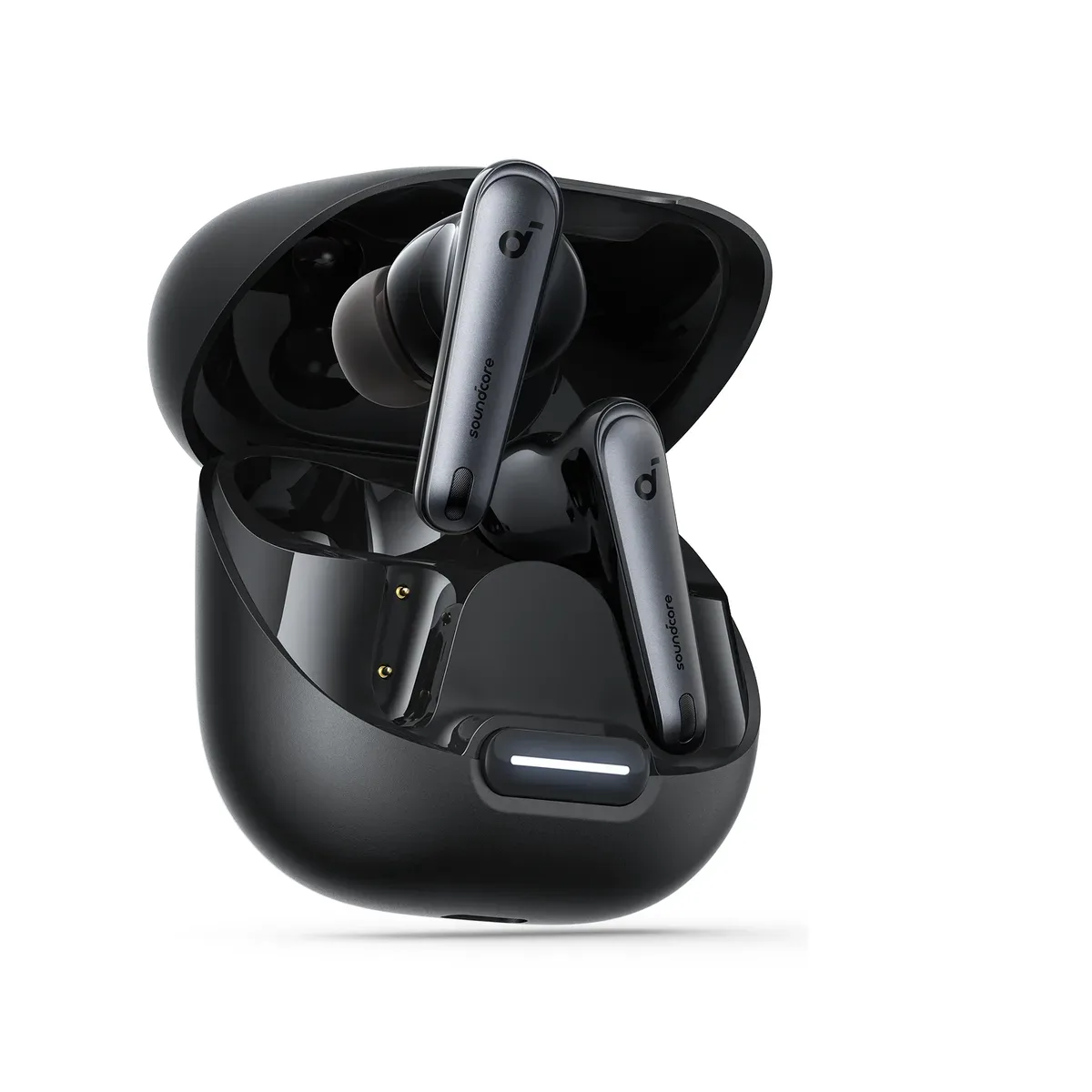
On paper the Liberty 4 NC reads like a $300 flagship: adaptive ANC claiming 98.5% noise reduction, 11mm drivers, LDAC, multipoint, wireless charging, and a 10-minute charge that buys four hours. In practice it delivers most of it — the ANC is genuinely strong, and HearID builds a custom EQ profile that meaningfully improves the default V-shaped tuning. The compromises: LDAC and multipoint can't run simultaneously, the glossy pill case scratches fast, the Soundcore app pushes firmware and promo nags, and the flat oval stems give some ears a loose seal that undermines the ANC. A subset of owners reports noticeable battery fade around the one-year mark, echoing the Space A40. Street price bounces between $57 and $99; anywhere near the low end it's one of the best-value ANC buds on Amazon.
Best for spec hunters who want everything under $75