Soundcore
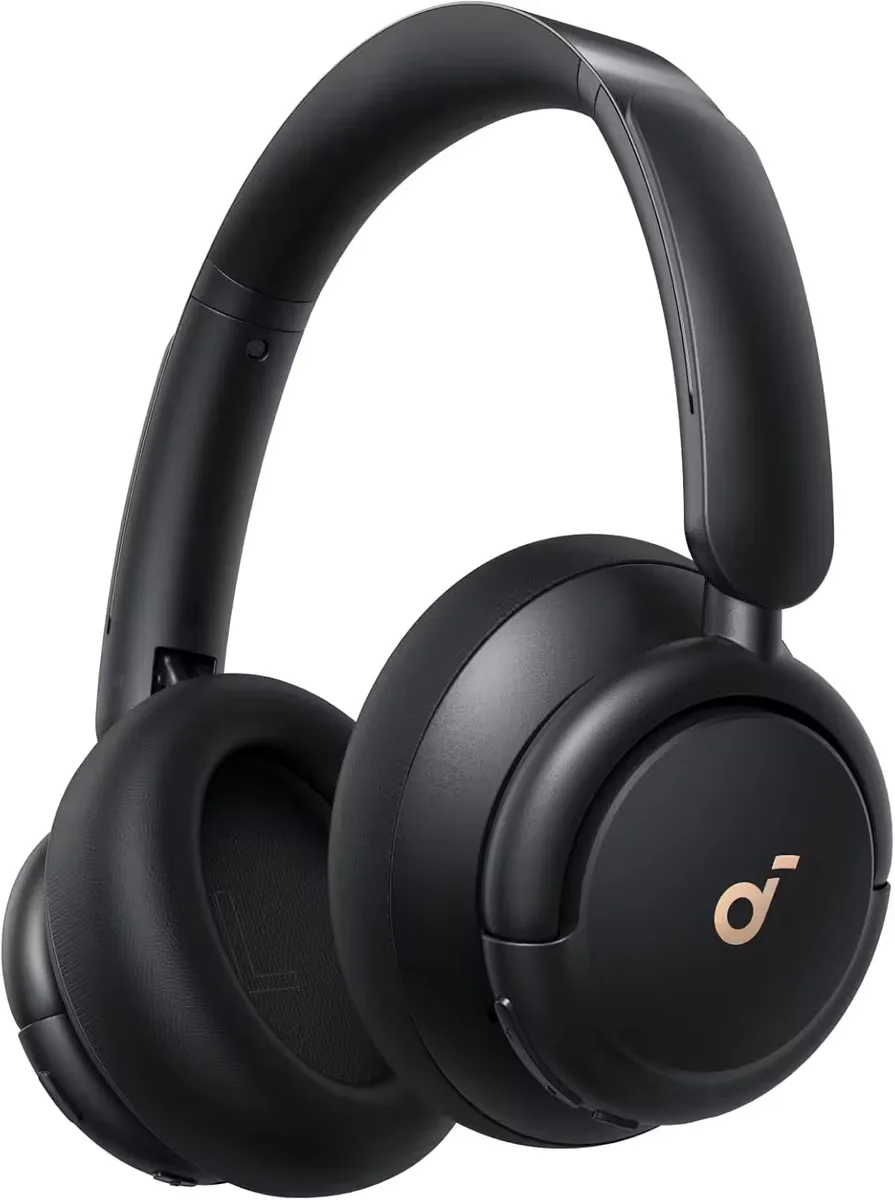
Anker Soundcore Life Q30
The Life Q30 might be the most-reviewed ANC headphone ever sold at its price — still around $60 — and it earned that by doing everything acceptably. Hybrid ANC takes a real bite out of engine rumble, the 40-hour ANC-on battery outlasts a workweek, and the app's custom EQ plus HearID can fix the muddy, bass-bloated stock tuning. And it is muddy out of the box; don't skip the EQ step. The compromises are real: Bluetooth 5.0 with SBC/AAC only, no transparency mode, poor wind handling, and a mic that callers describe as distant. The pleather pads get sweaty and start flaking after a year or two of daily use, and the plastic headband has a known crack point near the hinges. Even so, nothing else under $70 is this complete, which is why it refuses to die.
We may earn a commission. Price and availability on Amazon’s site may differ.
Specifications
Highlights
Pros
- ✓Hybrid ANC takes a real bite out of engine rumble
- ✓40-hour ANC battery outlasts a workweek
- ✓Custom EQ and HearID fix the stock tuning
- ✓A huge, long-running owner base de-risks the purchase
- ✓Multipoint at $60 is nearly unheard of
- ✓5-minute charge buys 4 hours
Cons
- ✗Muddy, bass-bloated out of the box — EQ is mandatory
- ✗No transparency mode and dated Bluetooth 5.0
- ✗Callers describe the mic as distant
- ✗Pleather pads flake after a year or two of daily use
- ✗Known headband crack point near the hinges
Owner Insights(350 discussions)
The Soundcore Life Q30 is arguably the most-recommended budget ANC headphone of its generation — years after launch it's still the reflex answer in owner discussions when someone has $60-80 and wants noise cancelling. The formula: hybrid ANC that meaningfully kills commute rumble, 40-60 hours of battery, memory-foam comfort, and a companion app with custom EQ and HearID that lets owners tune it far above its price class. A vocal contingent of long-term owners insists the Q30 still out-sounds the newer Soundcore models meant to replace it.
The daily experience is excellent for the money with two structural asterisks. First, the sound needs an EQ pass — stock tuning is boomy — after which owners are consistently happy. Second, longevity: the plastic yokes above the cups have a documented habit of cracking around 1-2 years, and there's a recurring report of the ANC mics developing a loud squeal after about a year. Many owners get 3-5 trouble-free years; enough don't that it colors the value math. Calls are mediocre, larger ears find the openings tight, and firmware updates have occasionally changed behavior for the worse.
Buy it if you want maximum ANC-per-dollar and treat headphones gently — nothing at $60 matches the total package. The strongest alternatives are its own siblings: the Space One (~$79-99) adds LDAC, wear detection, and a newer design, and is where owner threads increasingly point first; the Space Q45 (~$100+) adds stronger ANC. Outside Anker, the JBL Tune 770NC (~$70-90) trades a little EQ flexibility for cleaner long-term reliability reports, and the Sony WH-CH720N is the pick if weight and a natural ambient mode matter more than bass.
Pros
- +The long-running budget-ANC king — for years it's been the default owner answer to 'best noise-cancelling headphone under $80', with tens of thousands of positive ratings
- +Hybrid ANC that genuinely mutes bus, plane, and office rumble — owners upgrading from non-ANC sets call the difference dramatic for $60
- +40 hours of battery with ANC on and up to 60 off; charging is a fortnightly event for most owners
- +The Soundcore app's custom EQ plus HearID transforms the sound — a well-EQ'd Q30 is regularly described by owners as competitive with $150+ headphones
- +Memory-foam pads and moderate clamp make it comfortable for full workdays for average-sized heads
- +Multipoint pairing (added via firmware) covers the phone+laptop use case
- +3.5mm wired mode keeps working with the battery dead — flight-friendly
- +Some audio-focused owners maintain the Q30 still sounds better than Soundcore's newer replacements, which keeps it selling years after launch
Cons
- −Long-term durability is the big caveat — a recurring pattern of the plastic arms above the ear cups cracking or snapping around the 1-2 year mark
- −A known failure mode where the ANC microphones develop a loud squeal/feedback after roughly a year of use; replacement units have repeated it
- −Ear openings run small — larger ears end up partially pressed, turning it into a de-facto on-ear and undermining the comfort
- −Default tuning is aggressively bass-heavy; without the app EQ many owners find it boomy and muddy
- −Call quality is mediocre — muffled pickup that owners don't trust for meetings
- −Past firmware updates have caused regressions (owners reported ANC disabling in wired mode after one update) — behavior can shift under you
- −ANC handles voices and high frequencies much less well than rumble
- −The all-plastic build creaks and feels its price, and there's no water resistance
Common Questions
Compare the Anker Soundcore Life Q30
Related headphones
More from Soundcore →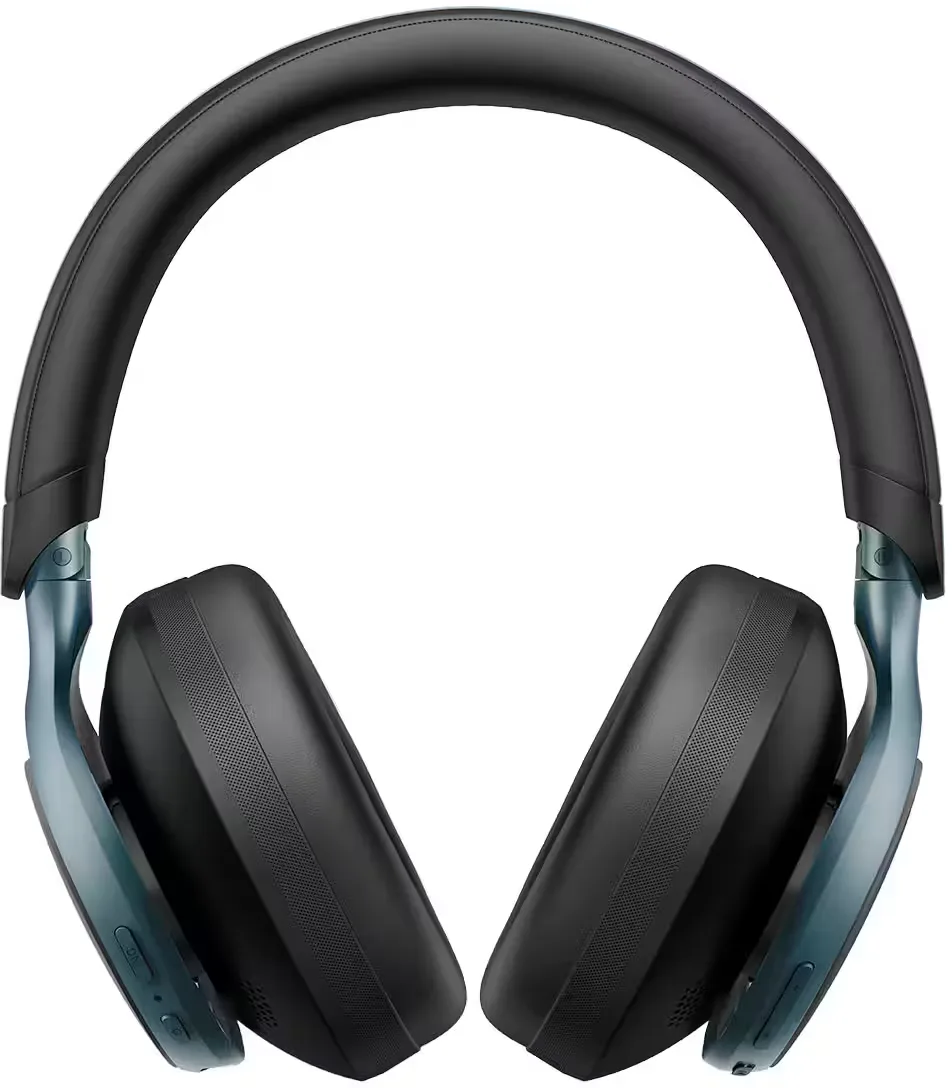
Soundcore
Over-Ear Headphones
The Space One reads like a spec-sheet ambush: adaptive ANC, LDAC, multipoint, wear detection, and 40 hours with ANC on, usually for around $80. The noise cancelling is genuinely strong for the class — Soundcore's voice-reduction push means it handles chatter better than the JBL Tune 770NC — though you can hear a faint hiss in quiet rooms. Out of the box the tuning is deeply bass-heavy, and the Soundcore app's excellent custom EQ is basically mandatory. Build is all plastic with a slightly toylike headband slider, and clamp force is firm until it breaks in; pads are roomy but shallow. LDAC works, but you trade battery life and a bit of connection stability for it. Call quality is mediocre in noise despite the AI mic marketing. For under $100 it's one of the most complete feature sets in headphones, flaws included.
Best for travelers wanting the most complete sub-$100 ANC package
Soundcore
Over-Ear Headphones
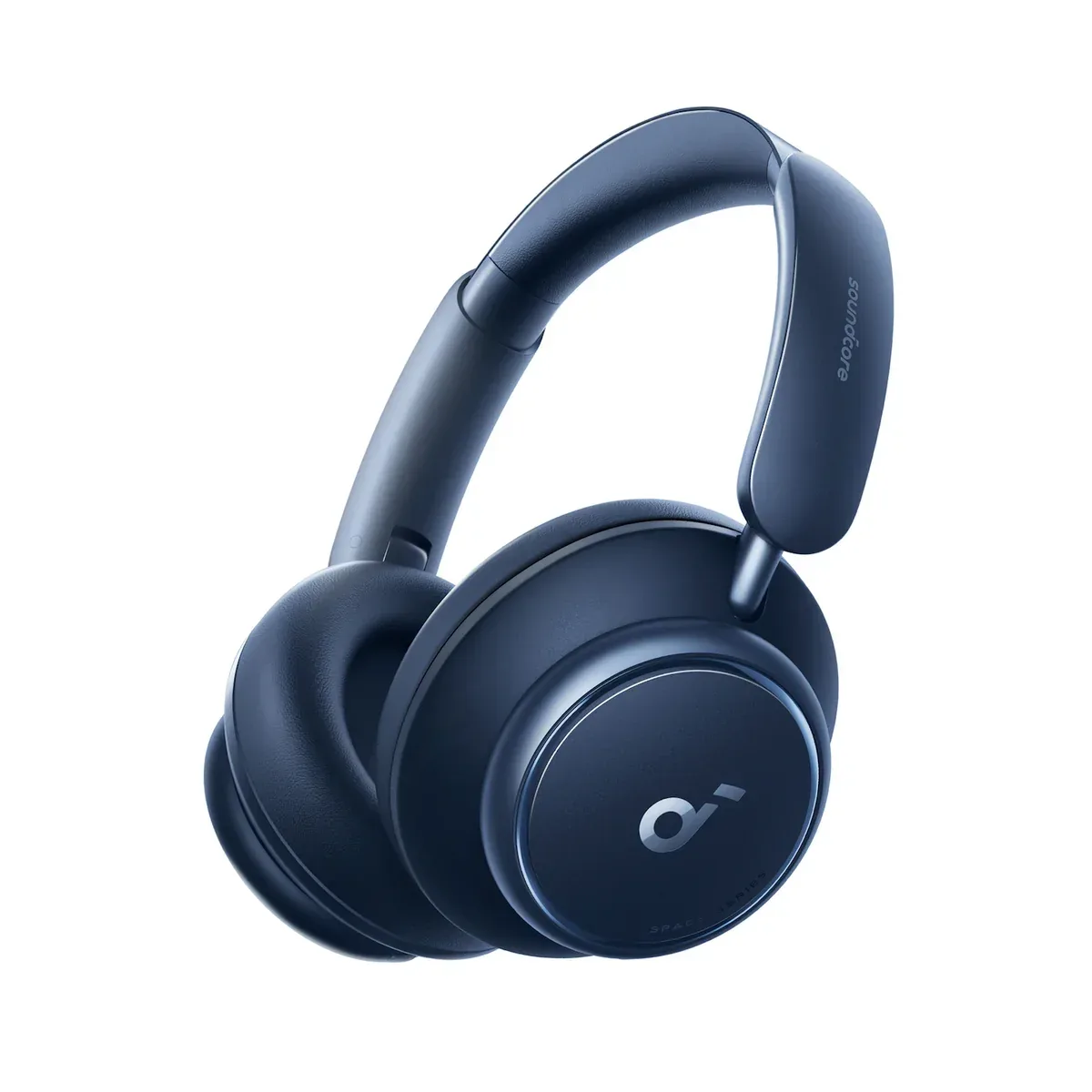
The Space Q45 is Soundcore's travel workhorse: 50 hours with ANC on, three-stage adaptive noise cancelling that legitimately embarrasses some headphones at twice the price on airplane drone, plus LDAC, multipoint, and a folding frame with a proper case. Street price bounces between $90 and $150, so patient buyers should wait for the frequent 40%-off deals. The catch list is honest but tolerable: it's heavier than it looks at roughly 292 grams, clamp is tight on larger heads for the first weeks, and the default V-shaped tuning has boomy mid-bass that needs the app EQ to sort out. ANC adds a touch of ear pressure and hiss in silence, and the mics are merely okay for calls. Versus the cheaper Space One you're buying more battery, stronger low-frequency ANC, and a sturdier build. For long-haul economy seats, it's a bargain.
Best for long-haul flyers who prioritize battery and ANC
Soundcore
Open-Ear & Bone Conduction
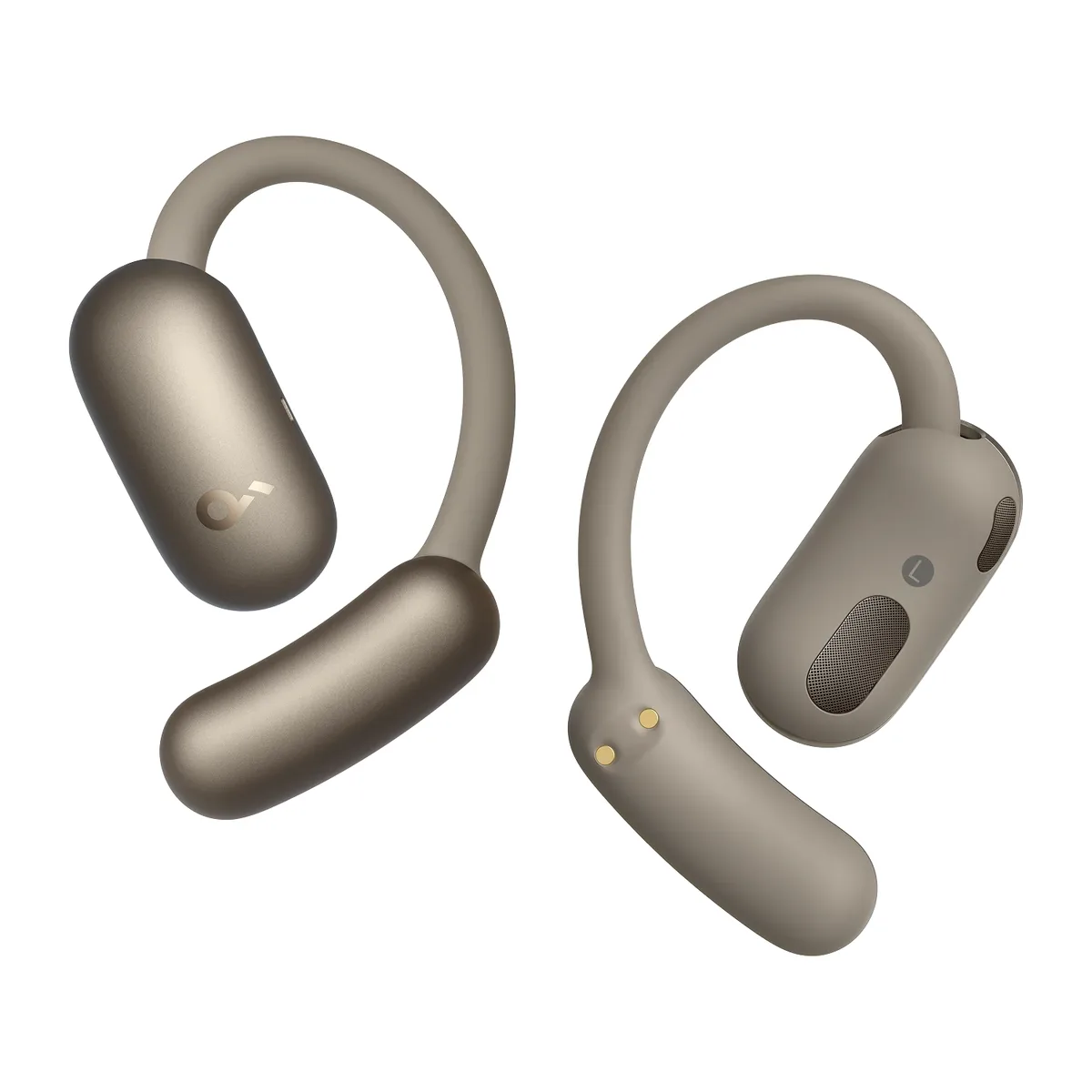
Anker's value play in open-ear, and the spec sheet embarrasses products twice the price: LDAC hi-res streaming, multipoint, wireless charging, 10 hours per charge with 42 total, and a four-position rotating joint so you can aim the 20 x 11.5mm racetrack drivers at your ear canal. That adjustability matters more than it sounds — open-ear bass lives or dies on driver placement, and dialing it in genuinely helps. At 10g per side the hooks are comfortable, though they jostle for real estate with glasses arms more than the Shokz OpenFit 2 does. Sound is respectable but the LDAC badge oversells it; you're still listening to speakers hovering outside your ear, so bass stays light and leakage is audible near others. Mics are just okay in wind. Street price hovers around $70, which makes the flaws easy to forgive.
Best for budget buyers who want flagship open-ear features
Soundcore
Wireless Earbuds
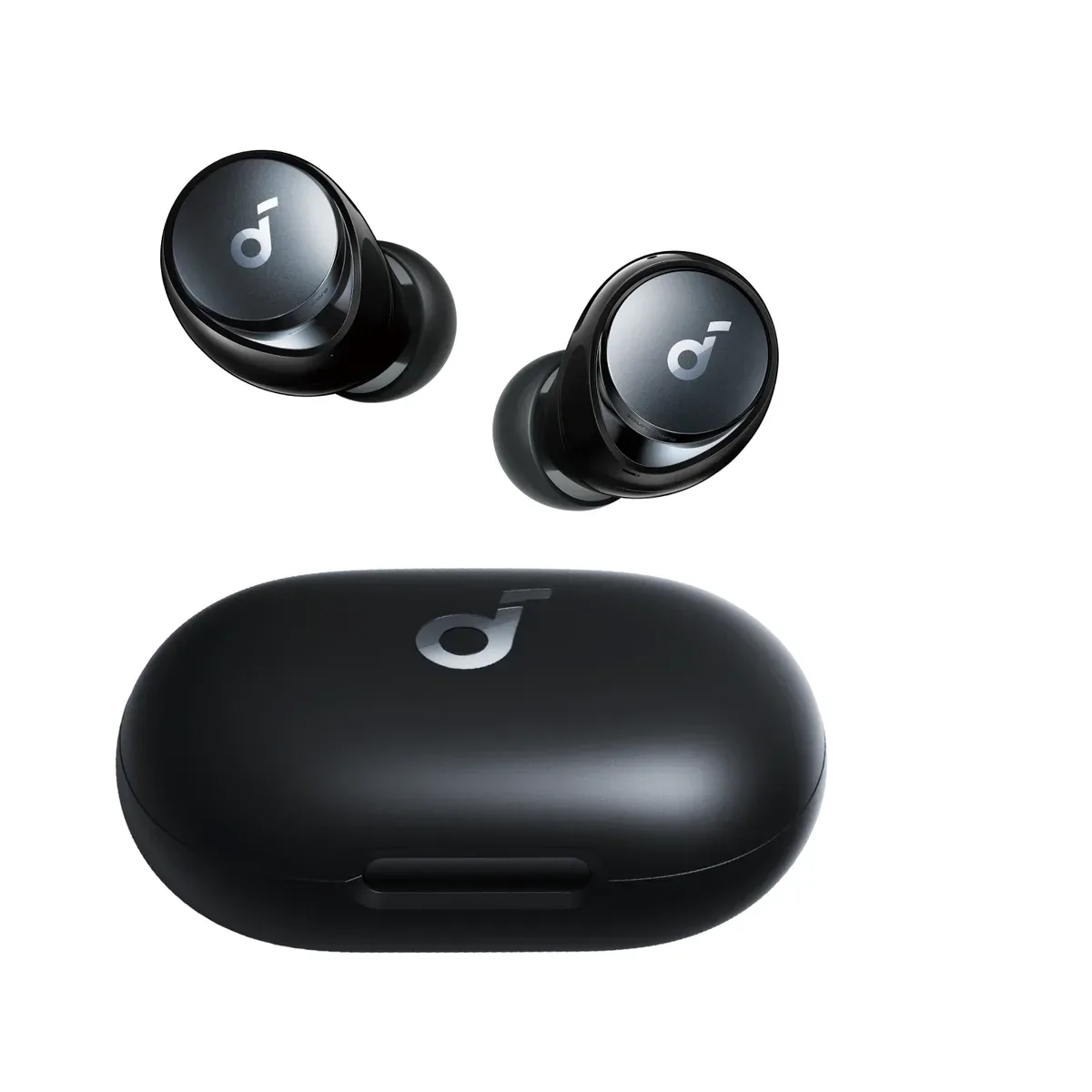
The Space A40 remains the budget ANC benchmark two-plus years after launch, and recurring $45 sales keep it planted on best-seller lists. The adaptive noise cancelling legitimately hangs with buds twice the price, the buds are small enough to sleep on, and you get LDAC, true multipoint, and a wireless-charging case — a spec sheet nothing else at this price matches. Caveats from long-term owners: LDAC drops battery from 8 hours (ANC on) to roughly 5, the touch controls don't cover volume by default and there's no wear detection, and the mics are mediocre for outdoor calls. Some report one bud developing faster battery drain past the one-year mark, which drags the Amazon average to 4.2. If you want maximum ANC per dollar and can live with average call quality, this is still the pick.
Best for travelers and sleepers wanting cheap ANC
Soundcore
Wireless Earbuds
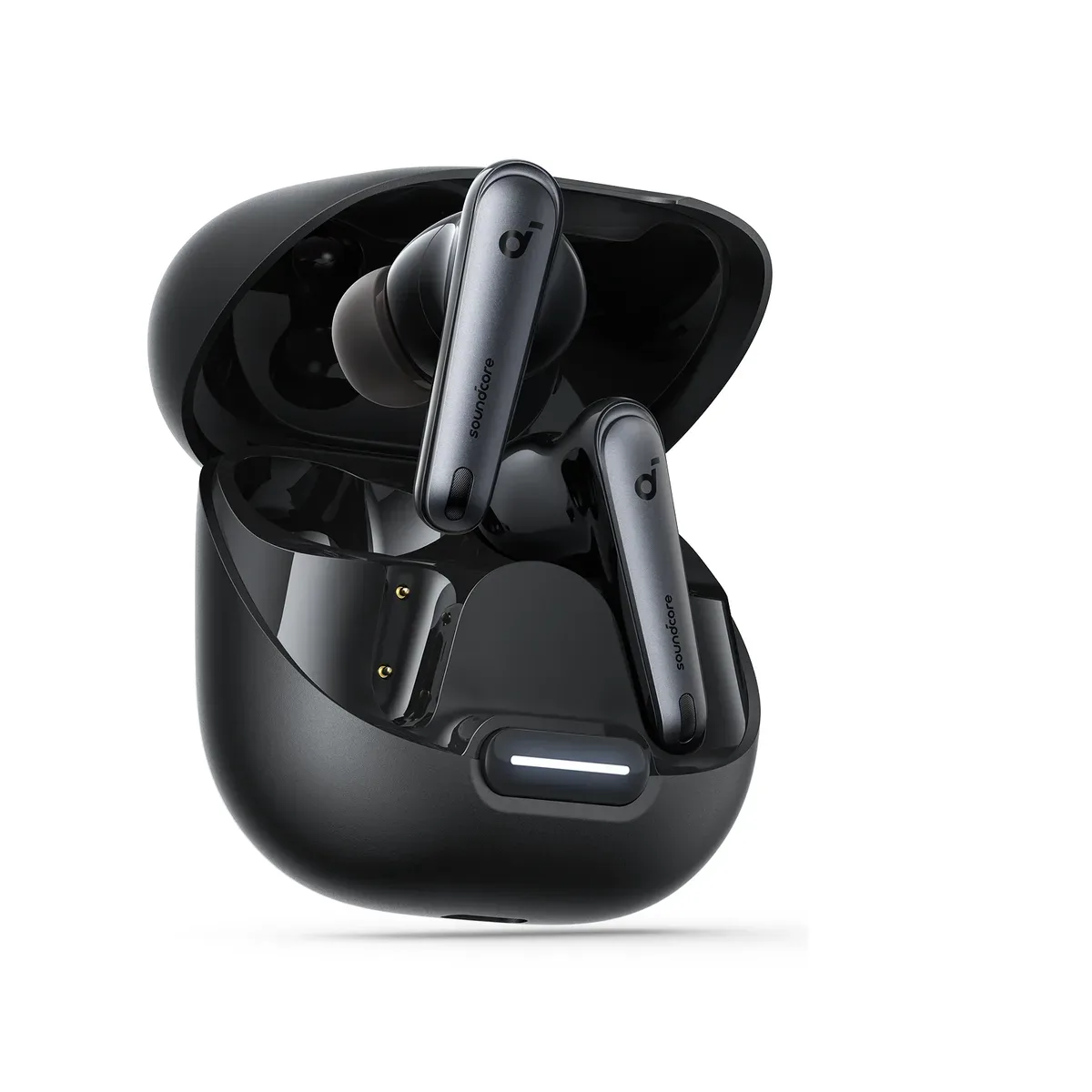
On paper the Liberty 4 NC reads like a $300 flagship: adaptive ANC claiming 98.5% noise reduction, 11mm drivers, LDAC, multipoint, wireless charging, and a 10-minute charge that buys four hours. In practice it delivers most of it — the ANC is genuinely strong, and HearID builds a custom EQ profile that meaningfully improves the default V-shaped tuning. The compromises: LDAC and multipoint can't run simultaneously, the glossy pill case scratches fast, the Soundcore app pushes firmware and promo nags, and the flat oval stems give some ears a loose seal that undermines the ANC. A subset of owners reports noticeable battery fade around the one-year mark, echoing the Space A40. Street price bounces between $57 and $99; anywhere near the low end it's one of the best-value ANC buds on Amazon.
Best for spec hunters who want everything under $75
Soundcore
Wireless Earbuds
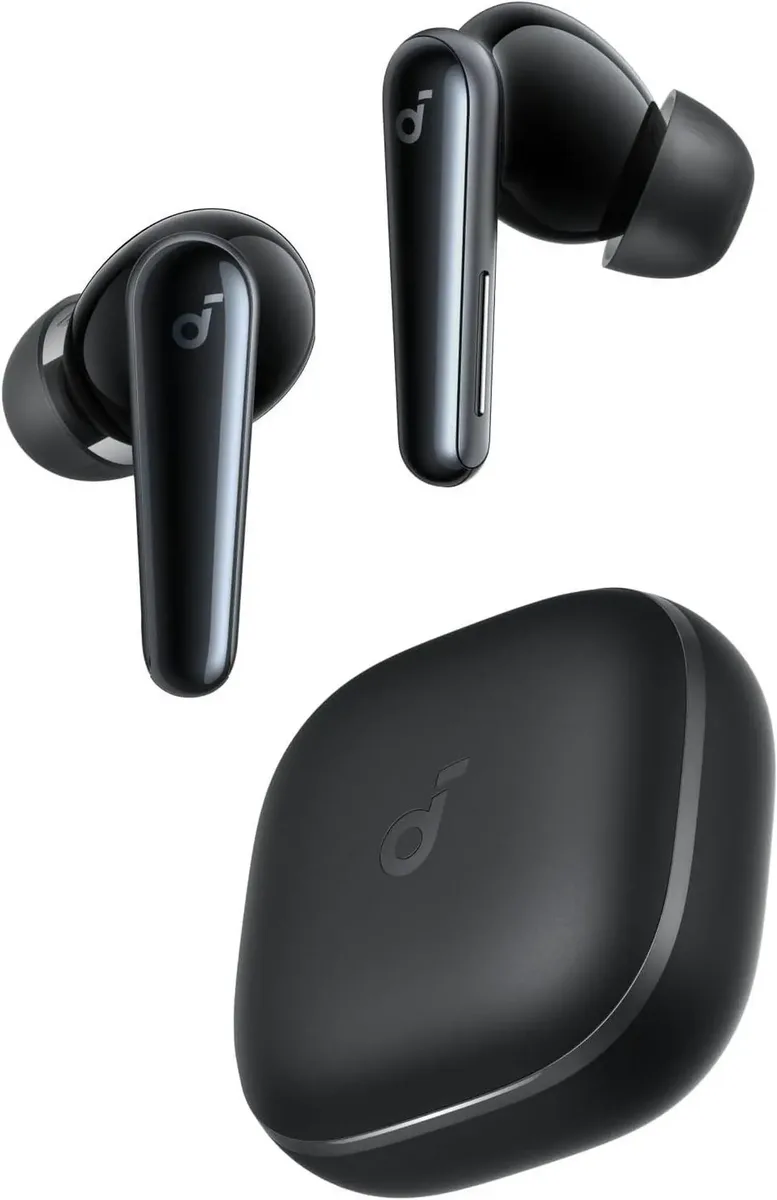
The spec sheet reads like a $200 product: LDAC hi-res, multipoint that keeps working even with LDAC enabled, 8 hours of ANC-on battery (12 with it off), IP55, and a 10-minute charge that buys five hours. Street price routinely sits at $80-100 (currently $79 on Amazon), which is why owners keep calling these the default recommendation under $100. The 9.2mm wool-paper drivers deliver big, tunable bass, and the HearID hearing-test EQ in the app genuinely changes the sound rather than nudging it. ANC 3.0 re-adjusts every 0.3 seconds and is tuned hard at voices — good in an office, though reviewers agree it lands mid-pack overall, below Bose and Sony's flagships. The compromises owners actually report: the squeeze-stem controls are fiddly and easy to mis-trigger, the glossy design reads a bit cheap, and the Dolby Audio toggle is more of an EQ effect than real spatial audio. Call quality with six mics is a genuine strength for the price. If you want 90% of the flagship experience for a third of the money and can live with average ANC, this is the value pick of the class.
Best for budget buyers who want flagship features under $100