HyperX Cloud II vs HyperX Cloud III
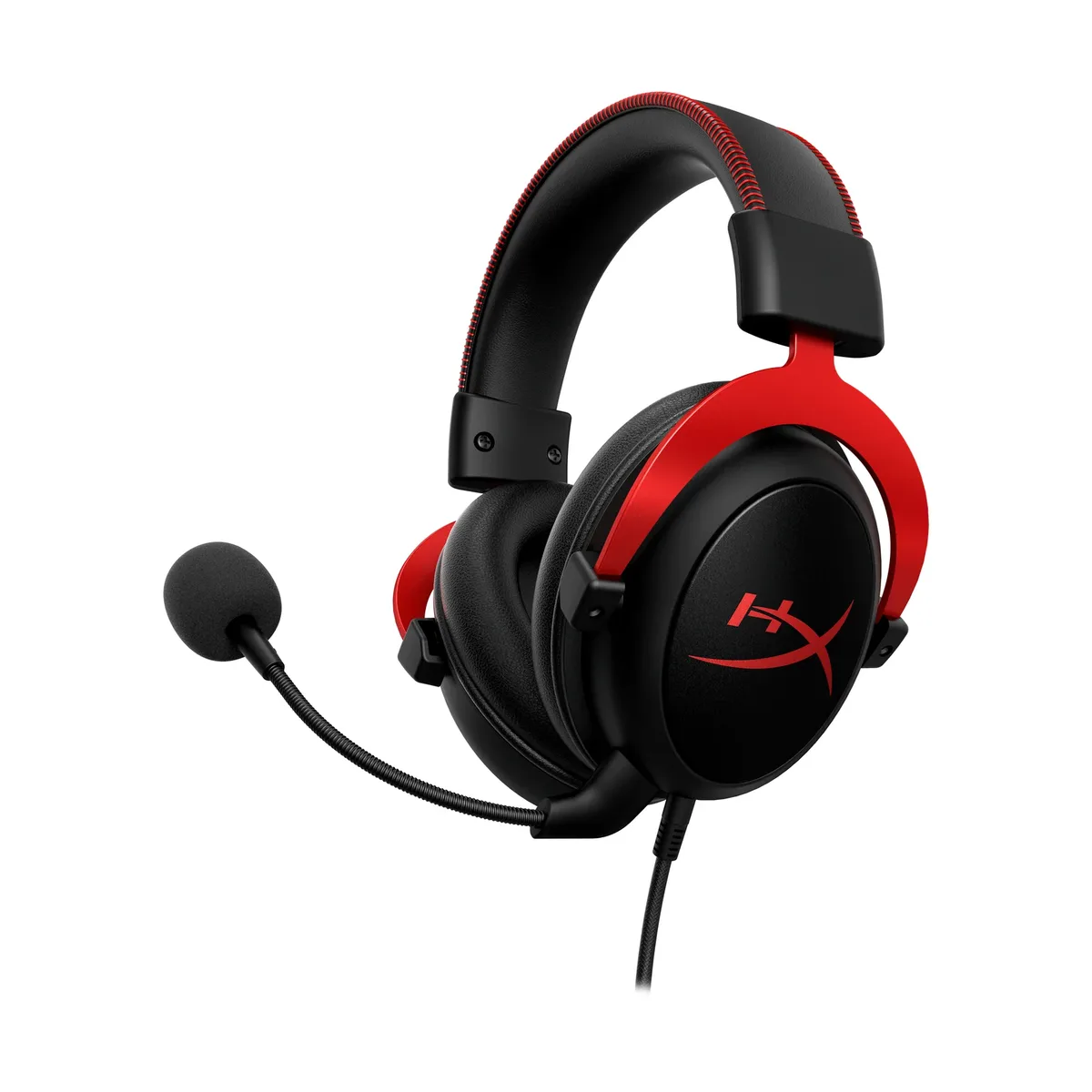
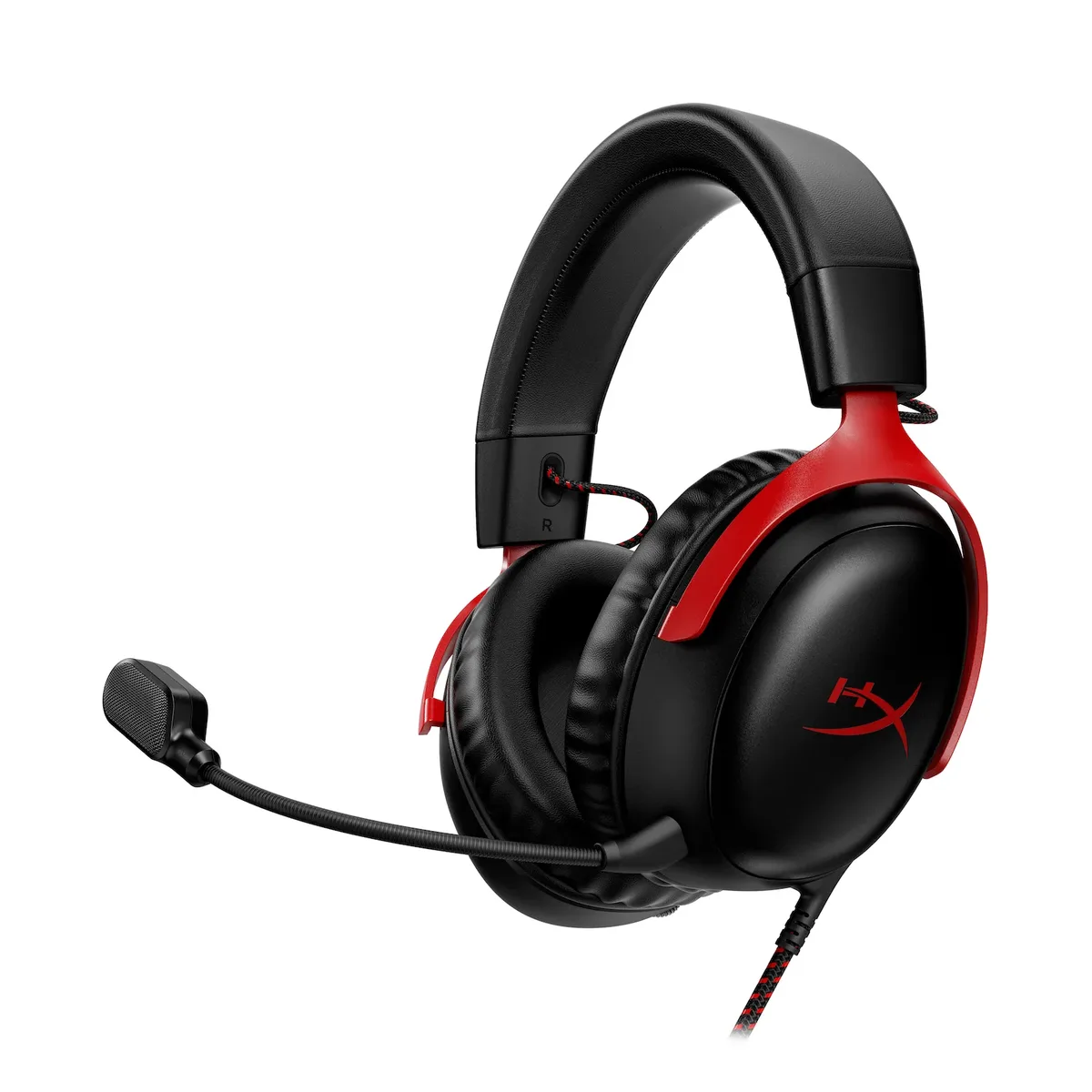
Quick take: The HyperX Cloud II costs $10 less.
Which one to buy
The Cloud III is the Cloud II with its known weak spots fixed, and $10 separates them. Both use the same aluminum frame, memory-foam comfort that works with glasses, and 53mm drivers, at about 320g. Long-term Cloud II owners report five to ten years of daily use with only pad swaps, and the Cloud III inherits that frame.
The mic is the headline. Cloud II owners like their detachable boom when it's plugged straight into a 3.5mm jack, but several say it sounds faint or distorted through the bundled USB box. The Cloud III's 10mm mic with a mesh filter and an LED mute indicator gets ranked among the best on any gaming headset, though a minority call it hollow through certain USB ports. Connectivity follows the same pattern. The Cloud II is 3.5mm plus a USB control box, while the Cloud III does 3.5mm, USB-C and USB-A natively, so it plugs straight into a Steam Deck or a modern laptop.
Sound shifts too. Owners call the Cloud II warm, bass-forward and dated for music, while the Cloud III's angled drivers are cleaner and better separated, with a top end some owners find harsh. The fix for that is EQ, which only exists in NGENUITY, a Windows-only app owners describe as buggy. The Cloud II has no software at all, which some people count as a feature. Neither headset's virtual surround (7.1 on the II, DTS on the III) is worth turning on, according to owners.
One durability note: the Cloud II's non-detachable cable is its main long-term failure point, and some Cloud III owners say its fixed USB-C cable deserves care too.
HyperX Cloud II
For the cheapest version of a headset owners keep for years, if you plug into a 3.5mm jack anyway and never want to install software.
HyperX Cloud III
If voice chat matters as much as game audio, or you want native USB-C for a Steam Deck or laptop. For $10 more, the better mic is the main reason to step up.
| Spec | HyperX Cloud II | HyperX Cloud III |
|---|---|---|
| Approx. price | ~$60 | ~$70 |
| Rating | — | — |
| Type | Gaming Headsets | Gaming Headsets |
| Noise Cancelling | None | None |
| Battery (single charge) | — | — |
| Battery (with case) | — | — |
| Quick Charge | — | — |
| Codecs | 3.5mm wired, USB audio control box | 3.5mm wired, USB-C, USB-A |
| Bluetooth | — | — |
| Multipoint | No | No |
| Driver Size | 53 mm | 53 mm |
| Weight | 320 g | 318 g |
| Water Resistance | — | — |
| Wireless Charging | No | No |
| Transparency Mode | No | No |
| Spatial Audio | Yes | Yes |
| App EQ | No | Yes |
Pros & cons
HyperX Cloud II
- ✓Aluminum frame durability is legendary — owners report 6-10 years of daily use
- ✓Memory foam leatherette pads stay comfortable through marathon sessions
- ✓3.5mm connection works on PS5, Xbox, Switch, PC, and mobile without adapters
- ✓Warm, bass-forward 53mm drivers suit action games well
- ✓Detachable noise-cancelling mic is fine for parties and Discord
- ✓Replacement ear pads are cheap and standard-sized
- ✓Frequently on sale around $50 or less
- ✗Sound quality is dated — fine for games, mediocre for music
- ✗USB box's virtual 7.1 surround is widely considered a gimmick
- ✗No software support, EQ, or firmware updates
- ✗Leatherette pads get sweaty in warm rooms
- ✗Mic is average by modern standards
- ✗Non-detachable main cable — a snag can total the headset
HyperX Cloud III
- ✓10mm mic is consistently rated among the best on any gaming headset
- ✓Cleaner, better-separated sound than the Cloud II's dated tuning
- ✓Works on PS5, Xbox, and Switch via 3.5mm; USB-C/USB-A for PC and PlayStation
- ✓Same legendary aluminum-frame durability as the Cloud II line
- ✓Memory foam pads comfortable for all-day sessions
- ✓LED mute indicator on the mic tip removes hot-mic anxiety
- ✓DTS spatial audio and EQ via Ngenuity software on PC
- ✗Modest upgrade if you already own a working Cloud II
- ✗No wireless option at this price point
- ✗Leatherette pads run warm during long sessions
- ✗Fixed (non-detachable) cable is the most fragile part
- ✗DTS spatial audio requires PC software — consoles get plain stereo
HyperX Cloud II vs HyperX Cloud III: common questions
Is the Cloud III's mic really better than the Cloud II's?▾
Mostly yes, especially over USB. The Cloud II's mic sounds good through 3.5mm but often faint or distorted through its USB box. A minority of Cloud III owners find its mic hollow on some USB ports, so the praise isn't unanimous.
Do the Cloud II or the Cloud III need software?▾
No. Both work plug-and-play. The Cloud II has no software at all. The Cloud III's EQ and DTS live in NGENUITY, which is Windows-only and which owners call buggy; most never install it.
Does the Cloud III's cleaner tuning beat the Cloud II for music?▾
The Cloud III. Owners call its tuning cleaner and better separated than the Cloud II's warm, bass-heavy sound, though some find its treble sharp without EQ. Neither is a music headphone first.