How to Pick a Gaming Headset Without Getting Burned
Gaming headsets are the most compatibility-trapped product in audio: a headset that's perfect on PC can be literally silent on Xbox, and the marketing rarely warns you. Sort out your platform and your mic needs first — the sound-quality question mostly takes care of itself.
Platform first: the Xbox trap
PlayStation, Switch, and PC all accept any generic 2.4GHz USB dongle or 3.5mm plug. Xbox doesn't: it uses Microsoft's proprietary wireless protocol, so a wireless headset works on Xbox only if it was specifically built for it (look for 'for Xbox' in the actual product name). This is the single most common gaming-headset return reason, and spec sheets bury it.
The safe patterns: a wired 3.5mm headset works on every controller ever made. A dual-mode headset with both 2.4GHz and Bluetooth covers PC, PlayStation, Switch, and your phone. And if you own an Xbox, filter for Xbox-licensed models before you compare anything else.
Wired vs 2.4GHz vs Bluetooth
For games, latency is everything, and the ranking is fixed: wired is instant, a 2.4GHz dongle is near-instant, and plain Bluetooth is noticeably late — voices desync from lips and footsteps arrive after the shot. That's why 'gaming headsets' ship with dongles while regular Bluetooth headphones, however excellent for music, feel wrong in a firefight.
Wired also means no battery to die mid-raid, less to break, and a $60 wired headset routinely sounds as good as a $150 wireless one — you're paying for the radio, not the drivers. Wireless earns its price if you pace during matches or share a living room; otherwise the cable is the value play.
The mic matters more than the drivers
Your teammates never hear your drivers — they hear your mic. Detachable boom mics are consistently clearer than flip-down ones, which beat the invisible mics on earbuds by a mile. If Discord is your second home, weight owner reports on mic clarity above everything: a headset that sounds 10% better but transmits you 50% worse is a bad trade for a squad.
Sidetone — hearing your own voice in the cups — is the sleeper feature. Without it, people on closed-back headsets unconsciously shout. Software EQ suites (iCUE, G HUB, Synapse, SteelSeries GG) can genuinely improve both directions, but they're also the most-complained-about part of every gaming brand; check whether the headset's core functions work without the app running.
Where the money actually goes
Under $50 buys honest wired headsets with good mics and gamer-adequate sound — the volume kings of the category live here, and for a first headset or a kid's setup they're the right call. $100-180 is the wireless sweet spot: dual 2.4GHz+Bluetooth, 40-80 hour batteries, better pads. Past $200 you're buying simultaneous-connection tricks, planar or graphene drivers, and base stations — real luxuries, not requirements.
Skip paying extra for '7.1 surround' badges: virtual surround is a software trick most owners toggle off within a week. Comfort with glasses, clamping force, and earcup depth decide whether a headset survives a four-hour session — and none of those appear on the box.
Headphones mentioned in this guide
HyperX
Gaming Headsets
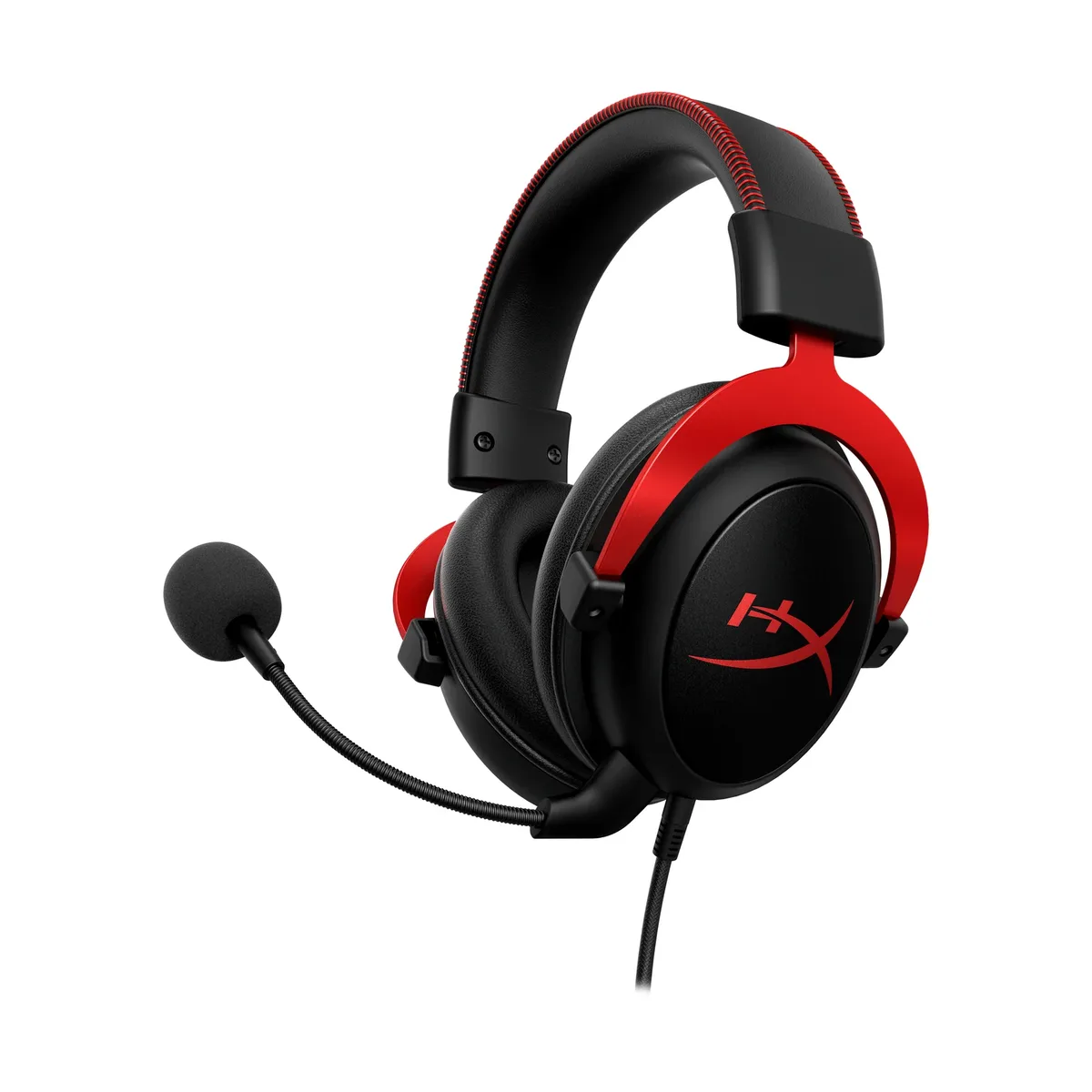
This is the headset that made HyperX, and a decade later it's still one of the safest cheap buys in gaming. The formula hasn't changed: an aluminum frame that survives years of abuse, memory-foam leatherette pads that stay comfortable through long sessions, and big 53mm drivers with a warm, bass-forward tune. Owners routinely report six to ten years of daily use before anything gives out, and when the pads finally do, replacements are cheap and standard-sized. The honest caveats: the sound is dated next to modern competition — perfectly fine for games, mediocre for music — and the USB control box's virtual 7.1 surround is a button most owners press once and never again. The mic is serviceable rather than great, and there's no software support, wireless option, or EQ. Compatibility is simple because it's analog: the 3.5mm plug works on PS5, Xbox, Switch, and anything with a headphone jack, while the USB box adds volume/mic controls on PC and PlayStation. If you want a no-fuss wired headset that will outlive two console generations, this is still the answer; if you care about sound refinement, spend a little more on the Cloud III.
Best for Budget buyers who want a headset that lasts for years
SteelSeries
Gaming Headsets
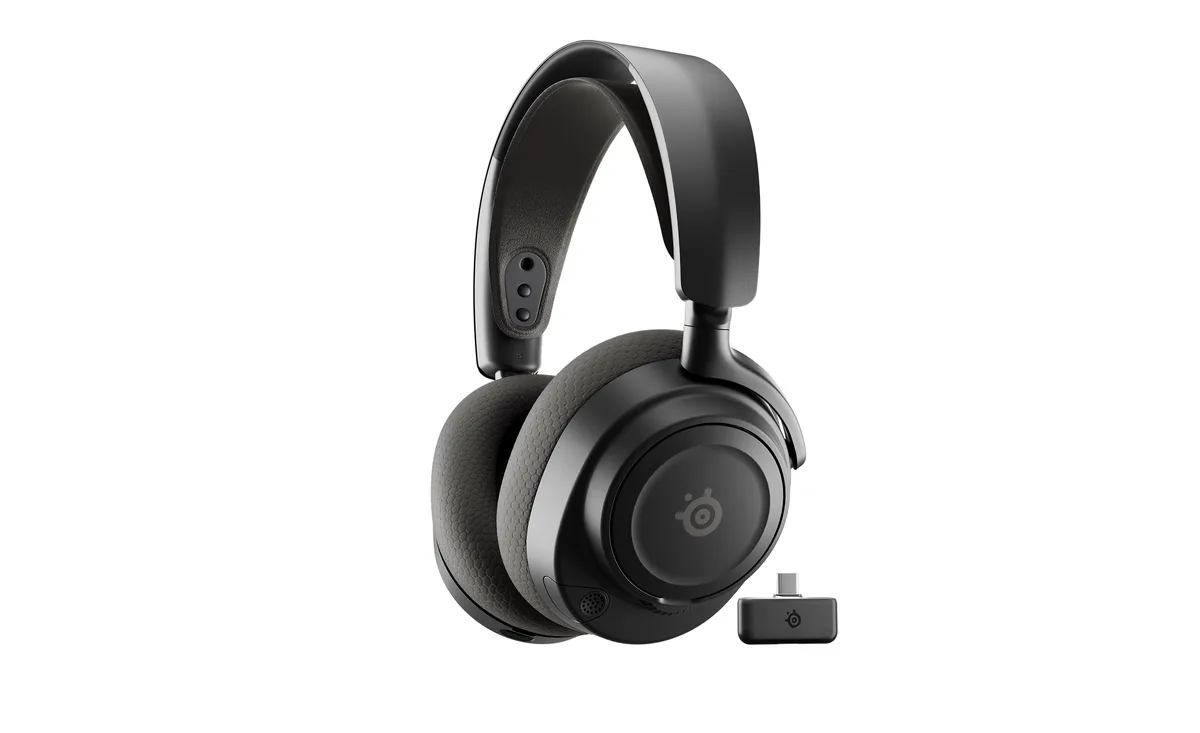
The Nova 7's party trick is still the best in the business: it runs 2.4GHz game audio and Bluetooth simultaneously, so you can hear Discord or take a call on your phone while gaming on PS5 or PC without touching a cable. The Gen 2 refresh pushes battery life past 50 hours (roughly 40% more than the original), adds a mobile companion app so console players can finally EQ without a PC, and keeps the 15-minutes-for-6-hours fast charge. Comfort is a longtime strength — the elastic ski-goggle headband and breathable fabric pads hold up over multi-hour sessions, though some owners note ear fatigue past the five-hour mark and the treble can get sharp at high volume. The retractable mic is convenient and clear enough for parties, but long-term reviews agree it sounds thin next to boom mics on the HyperX Cloud III or Logitech's PRO line. The big compatibility catch: this base version does not work with Xbox — you need the Nova 7X variant for that (it covers everything). At $175-200 it's not cheap, and the upgrade from the original Nova 7 is marginal, but if simultaneous dual audio and long battery matter to you, nothing else at this price does it as cleanly.
Best for Multi-taskers who game with Discord or music running on a second device
Logitech G
Gaming Headsets
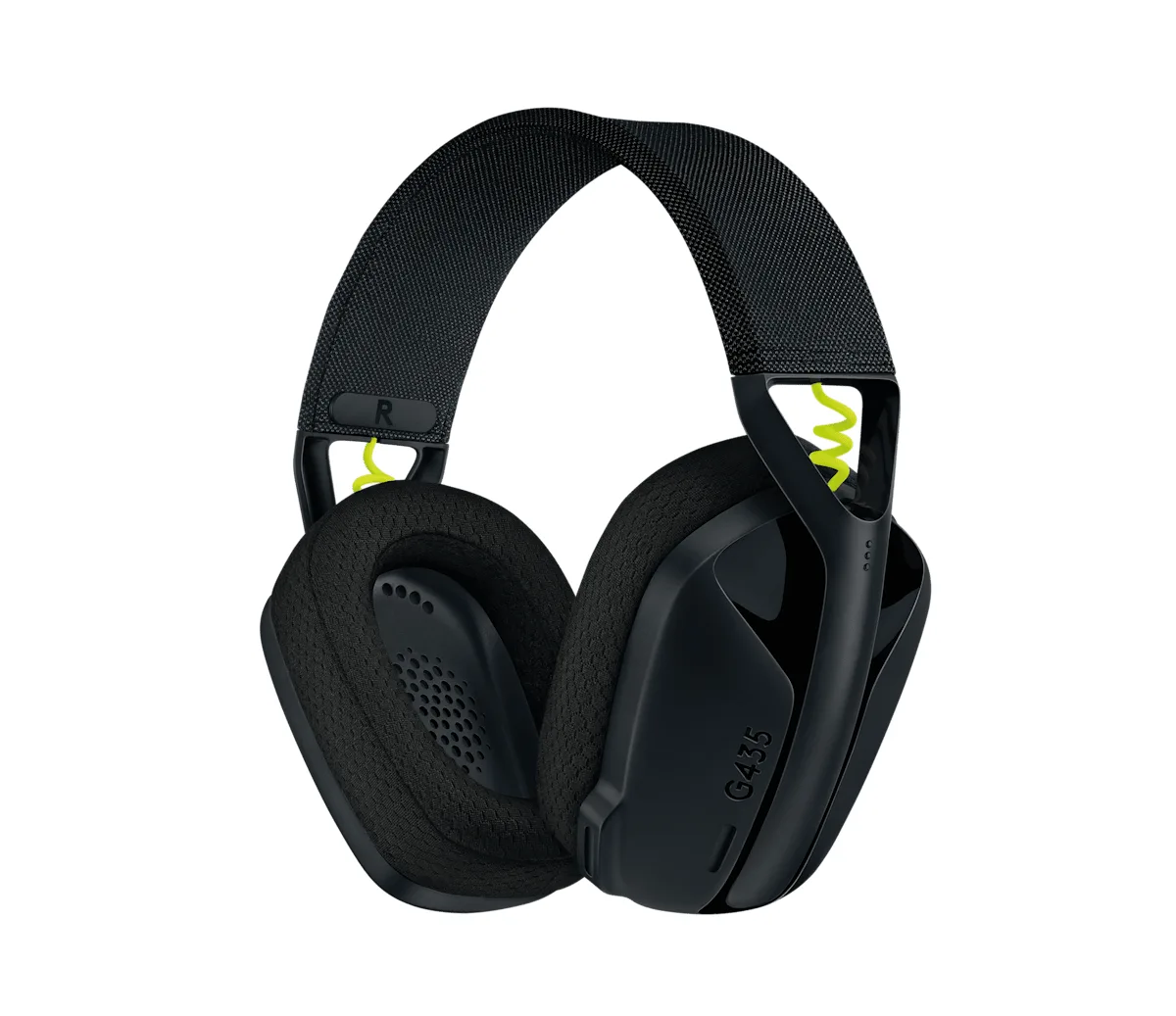
At 165 grams the G435 is one of the lightest wireless gaming headsets ever made, and that's the whole pitch: you put it on and forget it's there. It's built for smaller heads — Logitech designed it with teens and tweens in mind — which makes it the default answer for kids and anyone who finds normal headsets heavy and clampy, and the colorways lean playful rather than gamer-aggressive. You get both a low-latency Lightspeed dongle (PC, PS5/PS4, Switch) and Bluetooth for phones, plus 18 hours of battery and Dolby Atmos compatibility. The honest caveats stack up at this price: there's no boom mic — the built-in beamforming mics are fine for casual Discord but noticeably worse than any boom arm — there's no companion software or EQ, the materials feel cheap even if they hold up, and the battery is modest by 2026 standards. The big one: it does not work with Xbox at all, over dongle or Bluetooth. Sound is decent, safe, and a bit flat, which owners forgive at the street price of $35-50. For a light, cable-free headset for a kid, a Switch, or a secondary rig, it's hard to argue with; adults with big heads should size up.
Best for Kids, teens, and small-headed gamers who want cheap wireless