How to Choose Headphones: A No-Nonsense Buying Walkthrough
Headphone shopping fails when it starts from spec sheets instead of your day. The right pair depends on where you listen, what you need to hear around you, and how many hours a stretch they'll be on your head. Answer those three questions and most of the catalog eliminates itself.
Start with where you listen, not what sounds best
A commuter needs ANC and a case that disappears into a pocket. A runner needs sweat-proofing and to hear traffic. Someone on calls all day needs comfort past hour three, a mic that filters keyboard clatter, and multipoint so the laptop and phone stop fighting. A desk listener with no travel might be best served by wired headphones that will never need charging or pairing.
This is why 'best headphones' lists mislead: the best over-ear for a flight is close to the worst thing you could run in. Decide your primary scenario first, then let type follow — earbuds for portability and the gym, over-ears for immersion and all-day comfort, open-ear for situational awareness, wired for the desk.
The specs that actually matter
Battery, with ANC on: makers quote the biggest number they can print, usually ANC off. Real-world earbud numbers run 5-8 hours per charge with 24-40 in the case; over-ears run 30-100 hours. Anything under 5 hours per charge on earbuds will annoy you within a year, because lithium only degrades from there.
Multipoint: two devices connected at once. If you own a laptop and a phone, this is a daily-use feature, and its absence is the single most common regret in owner threads. Water resistance: IPX4 covers sweat and rain, IP67 survives a dunk. Fit: no spec captures it, but it decides bass, seal, and whether ANC works at all — buy from retailers with easy returns and actually try the tips.
The specs that are mostly marketing: driver size (a well-tuned 6mm beats a lazy 13mm), 'Hi-Res' badges, and frequency-response ranges beyond human hearing. Codecs matter only in narrow cases — see our codec guide before paying extra for LDAC.
Where the price tiers actually land
Under $60 is no longer junk: the volume kings of Amazon live here, with real ANC, wireless charging, and app EQ at $25-55. You give up mic quality in wind, refinement, and durability. The $80-180 tier is the sweet spot for most people — flagship features from a generation ago at half price. $200-300 buys the current flagships: the best ANC, transparency that sounds natural, and the ecosystems. Beyond $300 you're buying the last few percent, materials, or a brand.
Spend in proportion to daily hours. Two hours of gym use does not justify flagship money; eight hours of calls and flights absolutely does.
The mistakes that fill return bins
Buying ecosystem-locked buds for the wrong phone (AirPods on Android lose most of their tricks). Trusting the ANC-off battery number. Assuming ANC blocks voices — it kills drone, not conversation. Ignoring clamp force and weight on over-ears you'll wear for hours. And buying 'workout buds' without checking whether the ear-hook fit works with glasses.
One more: buying twice. A $40 pair to 'try it out' followed six months later by the $200 pair you wanted costs more than buying right once. Use the comparison table, shortlist two, and pick on fit and returns policy.
Headphones mentioned in this guide
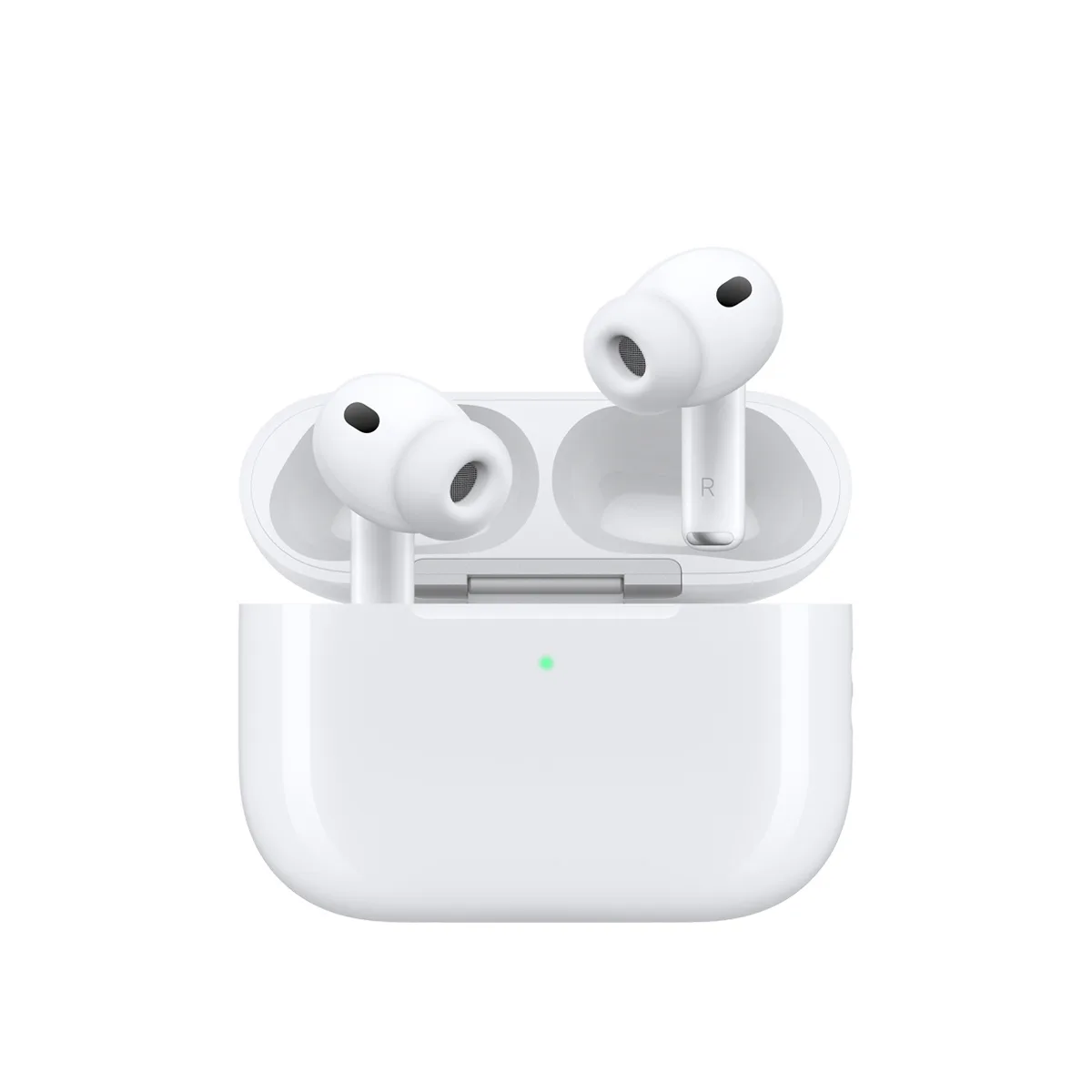
Apple
Wireless Earbuds
If you live on an iPhone, these are the easy answer. Apple roughly doubled the ANC over the Pro 2, added heart-rate sensing, foam-infused tips that actually seal, and bumped water resistance to IP57 — owners consistently say the noise cancellation now trades blows with Bose. Battery went up to 8 hours per charge, though the slimmer case total actually dropped to 24 hours. The honest caveats: you're stuck with AAC (no LDAC or aptX, so Android users lose hi-res and most features entirely), there's no real EQ beyond Apple's presets, and multipoint only works as auto-switching between Apple devices. Transparency mode and call quality remain the best in the business, and the hearing-aid feature is genuinely useful. Some longtime owners still grumble about eventual battery degradation — it's not user-replaceable. On Android, buy literally anything else.
Best for iPhone users who want set-and-forget ANC
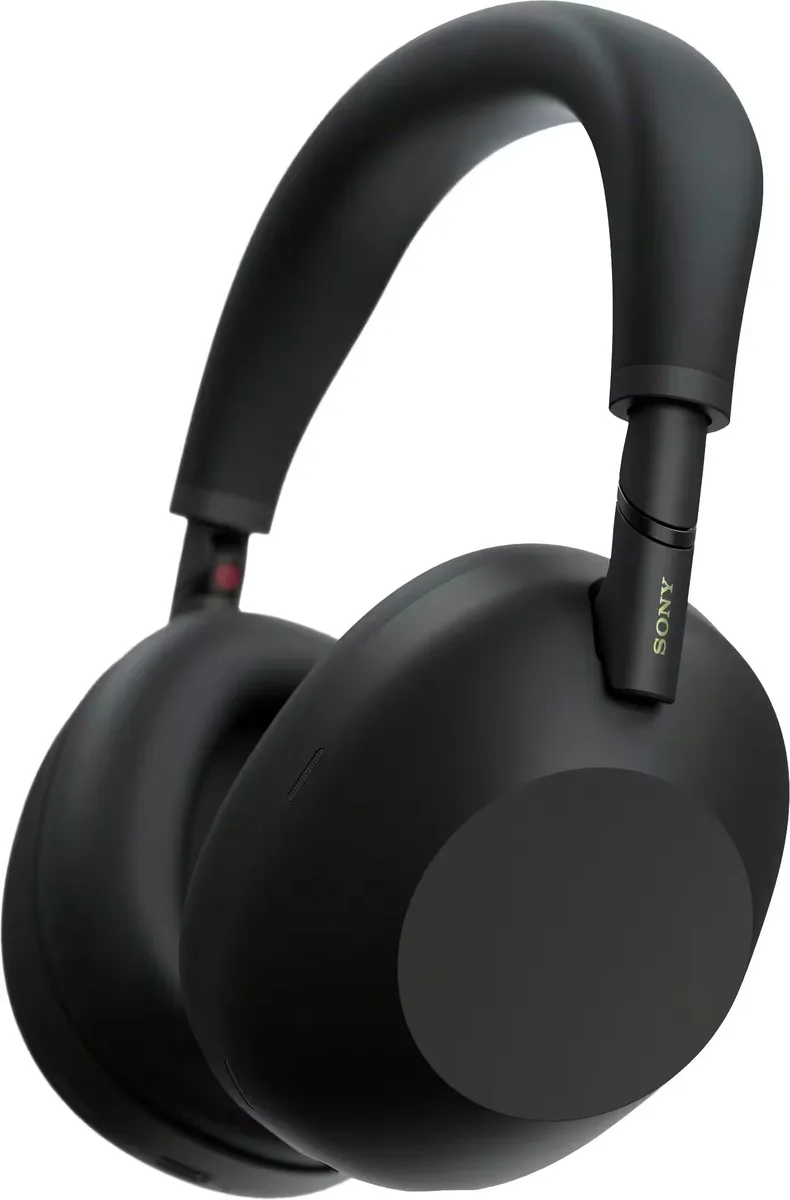
Sony
Over-Ear Headphones
Sony's flagship fixes the XM5's two biggest sins: the folding hinges are back, and the case now closes with a satisfying magnetic clasp instead of a fiddly zipper. The QN3 chip and 12 mics deliver arguably the best ANC you can buy right now, and the wider headband spreads pressure better than the XM5 ever did. Owners' gripes are real, though: the $449 list price stings (thankfully street price has drifted to about $398), 30 hours of battery is now merely average, and running LDAC drains it noticeably faster. The matte finish picks up skin oils, and a few owners report the power button being awkwardly close to the ANC button. No aptX support, as always with Sony. Still, as a total package — sound, ANC, call quality, comfort — this is the one most people should buy.
Best for frequent flyers who want the best all-rounder
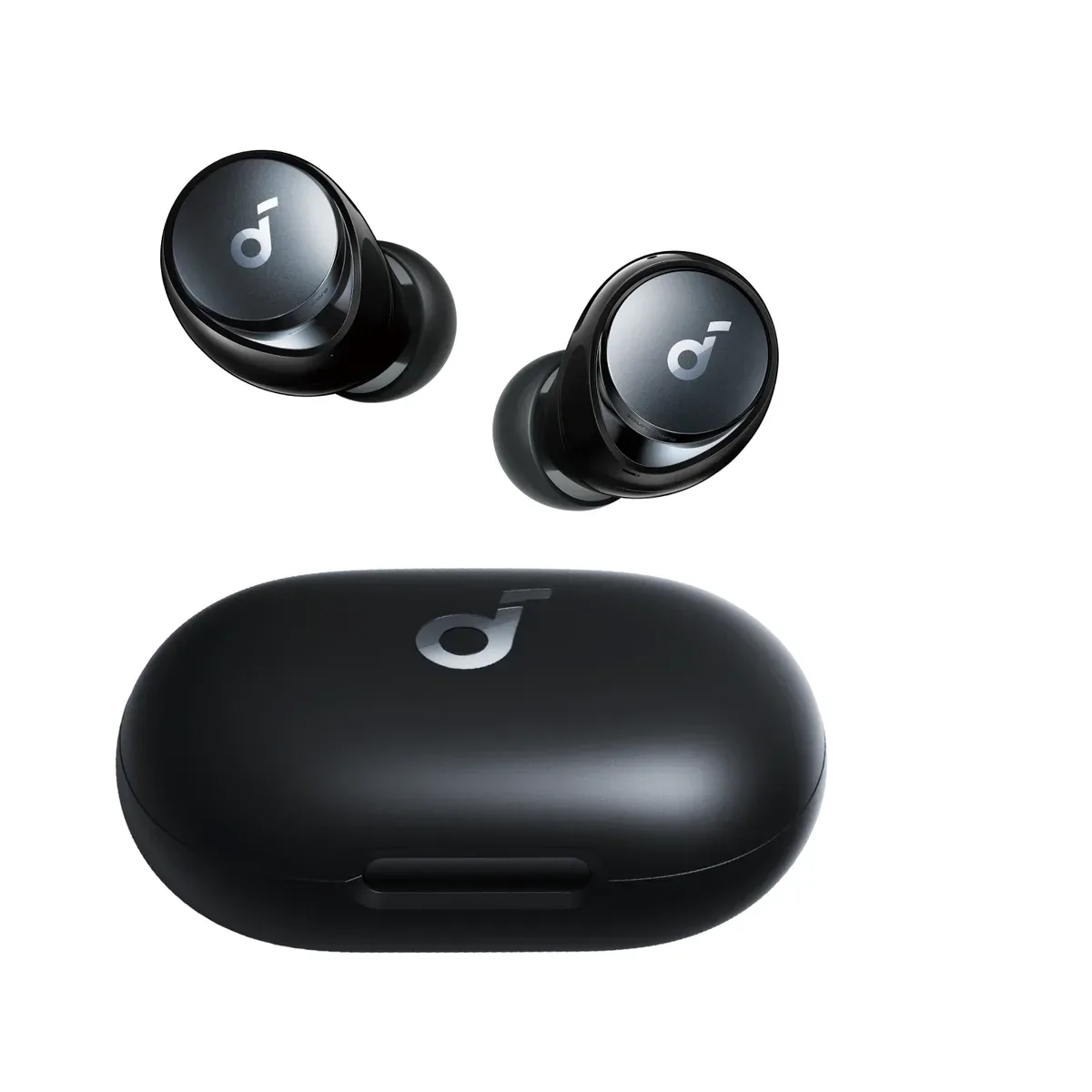
Soundcore
Wireless Earbuds
The Space A40 remains the budget ANC benchmark two-plus years after launch, and recurring $45 sales keep it planted on best-seller lists. The adaptive noise cancelling legitimately hangs with buds twice the price, the buds are small enough to sleep on, and you get LDAC, true multipoint, and a wireless-charging case — a spec sheet nothing else at this price matches. Caveats from long-term owners: LDAC drops battery from 8 hours (ANC on) to roughly 5, the touch controls don't cover volume by default and there's no wear detection, and the mics are mediocre for outdoor calls. Some report one bud developing faster battery drain past the one-year mark, which drags the Amazon average to 4.2. If you want maximum ANC per dollar and can live with average call quality, this is still the pick.
Best for travelers and sleepers wanting cheap ANC