Open-Ear & Bone Conduction: Hear Your Music and the Truck Behind You
The fastest-growing corner of the headphone market is the one that deliberately does the opposite of ANC: it leaves your ears open. Runners, cyclists, parents, and office workers are buying situational awareness — and accepting a very specific set of tradeoffs that headphone specs don't quite capture.
Two technologies, one idea
Air-conduction open-ears (Shokz OpenFit, Bose Ultra Open, Soundcore's clips) are tiny speakers hovering just outside your ear canal, aimed in. They sound like small, decent speakers near your ear — fuller than you'd expect, thin next to a sealed bud. Bone conduction (the classic Shokz neckband) skips the eardrum path: transducers on your cheekbones vibrate sound into the inner ear directly. It feels faintly buzzy at high volume, sounds more 'radio' than hi-fi, and leaves the ear canal completely untouched — the pick for people who can't tolerate anything in or on the ear.
Both formats accept the same physics tax: without a sealed air chamber, deep bass mostly isn't happening, and at high volume the person next to you hears a tinny whisper of your podcast. In a quiet meeting room, that leakage is a real consideration.
Who they're genuinely for
Road runners and cyclists, first and forever: hearing the car is a safety feature no ANC product can offer, and several races now require open-ear formats. Parents listening for kids, dog walkers, office workers who need to hear their name called, warehouse and trades workers where sealed ears are a hazard. And a quieter group: people with ear infections, eczema, or canal sensitivity for whom silicone tips are misery — bone conduction especially is often their first comfortable listening in years.
Who they're not for: bass lovers, plane passengers, open-office workers seeking isolation, and anyone whose primary use is drowning the world out. That's the sealed-ANC catalog's job.
How to shop the category
IP rating first — these live in sweat and rain; IP55 is the floor, and Shokz's swim-specific models (with onboard MP3 storage, since Bluetooth dies underwater) exist for pool people. Per-charge battery matters more than case totals for long runs: 8-12 hours is the good tier. Fit style is the real differentiator: neckband bone conduction is glasses-friendly and utterly secure; ear-hook air conduction gives better sound; clip-style is the most discreet but the most fiddly with sunglasses.
Volume discipline is the one safety note: because open designs compete with ambient noise, it's easy to run them louder than a sealed bud doing the same subjective job. If you're cranking them to max on every run, a sealed sport bud with transparency mode may serve your ears better.
Headphones mentioned in this guide
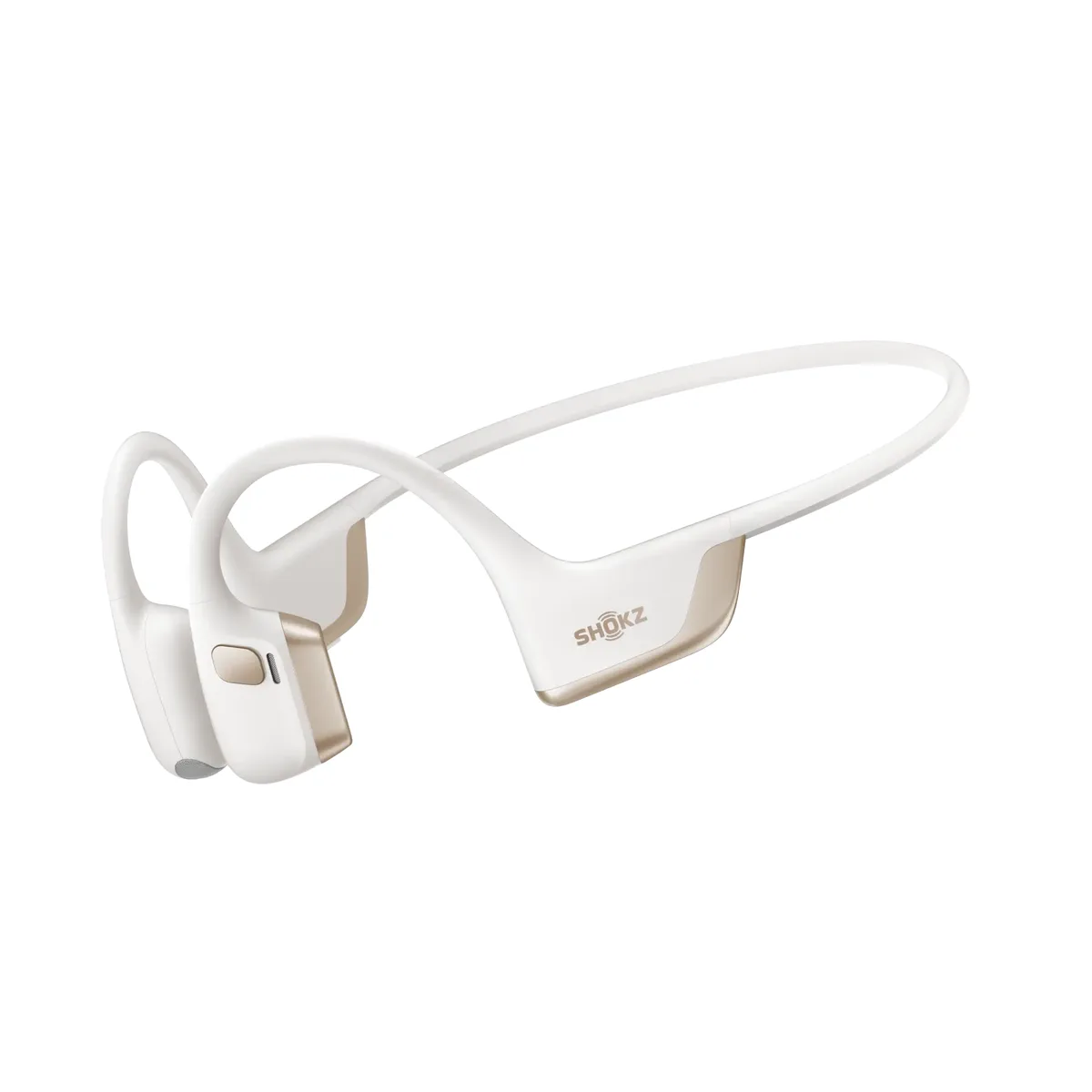
Shokz
Open-Ear & Bone Conduction
The best bone-conduction headphones you can buy, and the first Shokz that don't feel like a compromise. The trick is DualPitch: bone conduction handles mids and highs while a small air-conduction driver fills in bass, which mostly kills the cheek-tickle older models gave you at high volume. Weight is 30.3g for the whole titanium band, and Shokz finally switched to USB-C after years of proprietary cables. Twelve hours of battery is genuinely enough for an ultra, and a 5-minute charge buys 2.5 more hours. Reality check: it's SBC-only, sound leakage is real in a quiet room, and IP55 means sweat and rain, not swimming — get the OpenSwim for laps. The band stacks with sunglasses fine, though helmet straps can be fiddly. If you need to hear traffic while running, this is the category benchmark.
Best for runners and cyclists who need full situational awareness
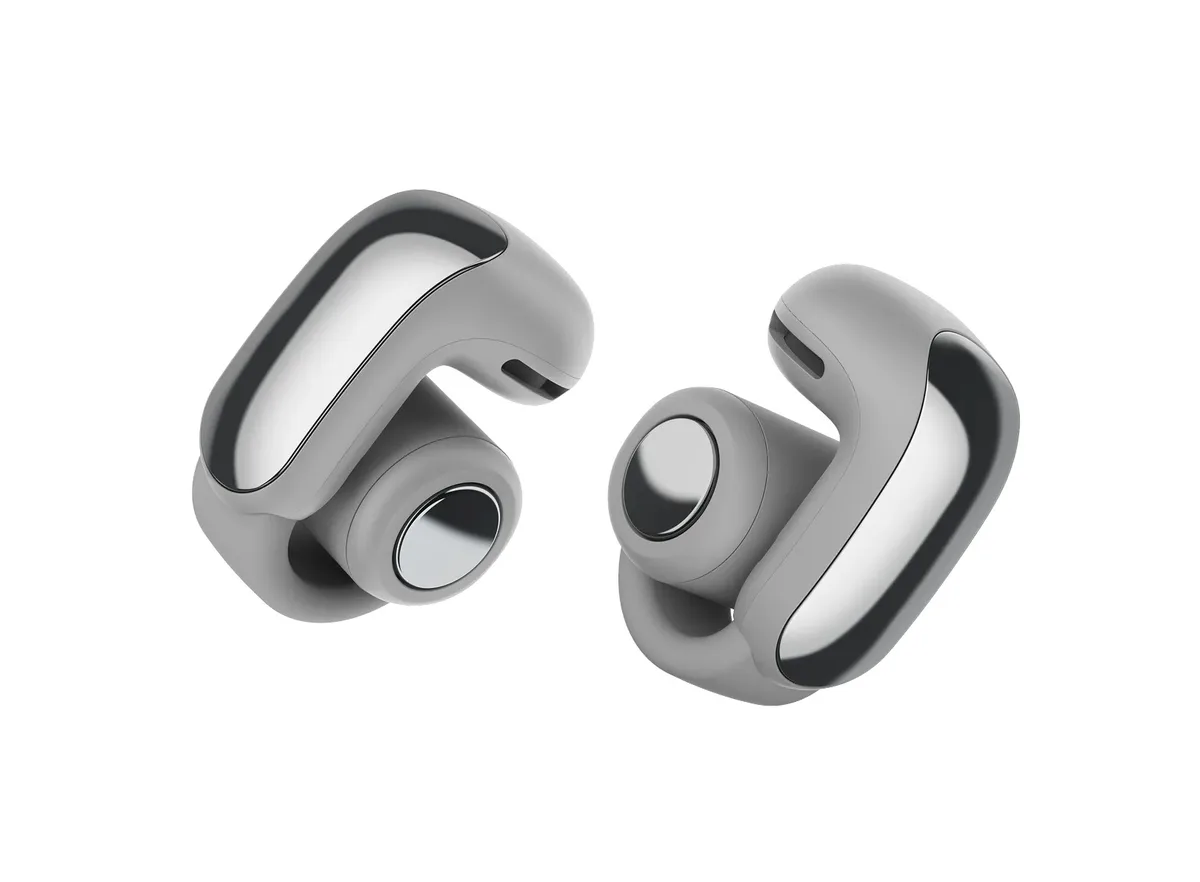
Bose
Open-Ear & Bone Conduction
The best-sounding open-ear product, full stop. These 6.4g cuffs clip onto the edge of your ear like jewelry — nothing touches your ear canal — yet Bose wrings out more bass than any hook or band design manages. aptX Adaptive and Snapdragon Sound sweeten the deal on Android, and multipoint arrived via firmware update after a rocky launch without it. The catches: Immersive Audio (Bose's spatial mode) is genuinely fun but cuts battery from 7.5 hours to about 4.5, IPX4 is the weakest water rating in the sports category, and the case has no wireless charging. Some ears find the cuff pinchy after a few hours, and the fit takes a day to learn. Launched at $299; at today's ~$199 they're much easier to recommend. Leakage is low for open-ear, but a quiet office will still hear you.
Best for sound-quality-first listeners who refuse in-ear tips
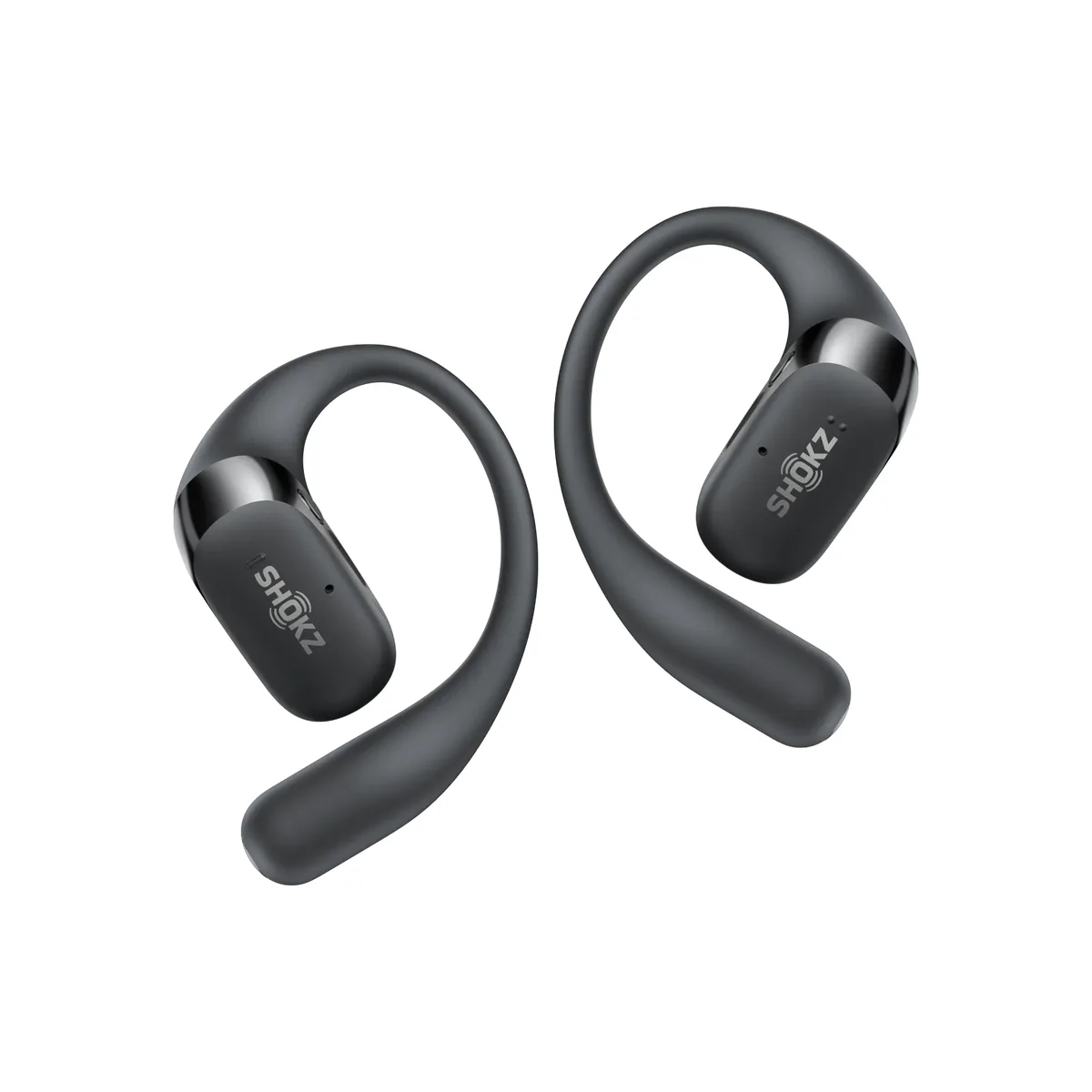
Shokz
Open-Ear & Bone Conduction
Shokz's earhook buds, not bone conduction — a tiny air-conduction speaker floats over your ear canal, so sound quality is a clear step up from the OpenRun line. DualBoost dual drivers give these more low-end than the first OpenFit, though physics still applies: bass is polite, not punchy, because nothing seals your ear. At 9.4g each with ultra-soft silicone hooks, owners regularly forget they're wearing them, and they coexist with glasses better than most hook designs. Eleven hours per charge is best-in-class for the style, with 48 total from the case. Shokz added a real physical button this generation, fixing the flaky touch controls people hated on gen one. Leakage is modest but present — coworkers will hear a whisper of your podcast in a silent office. No wireless charging; that's reserved for the pricier OpenFit 2+.
Best for all-day open-ear wear at the desk and gym