Sennheiser
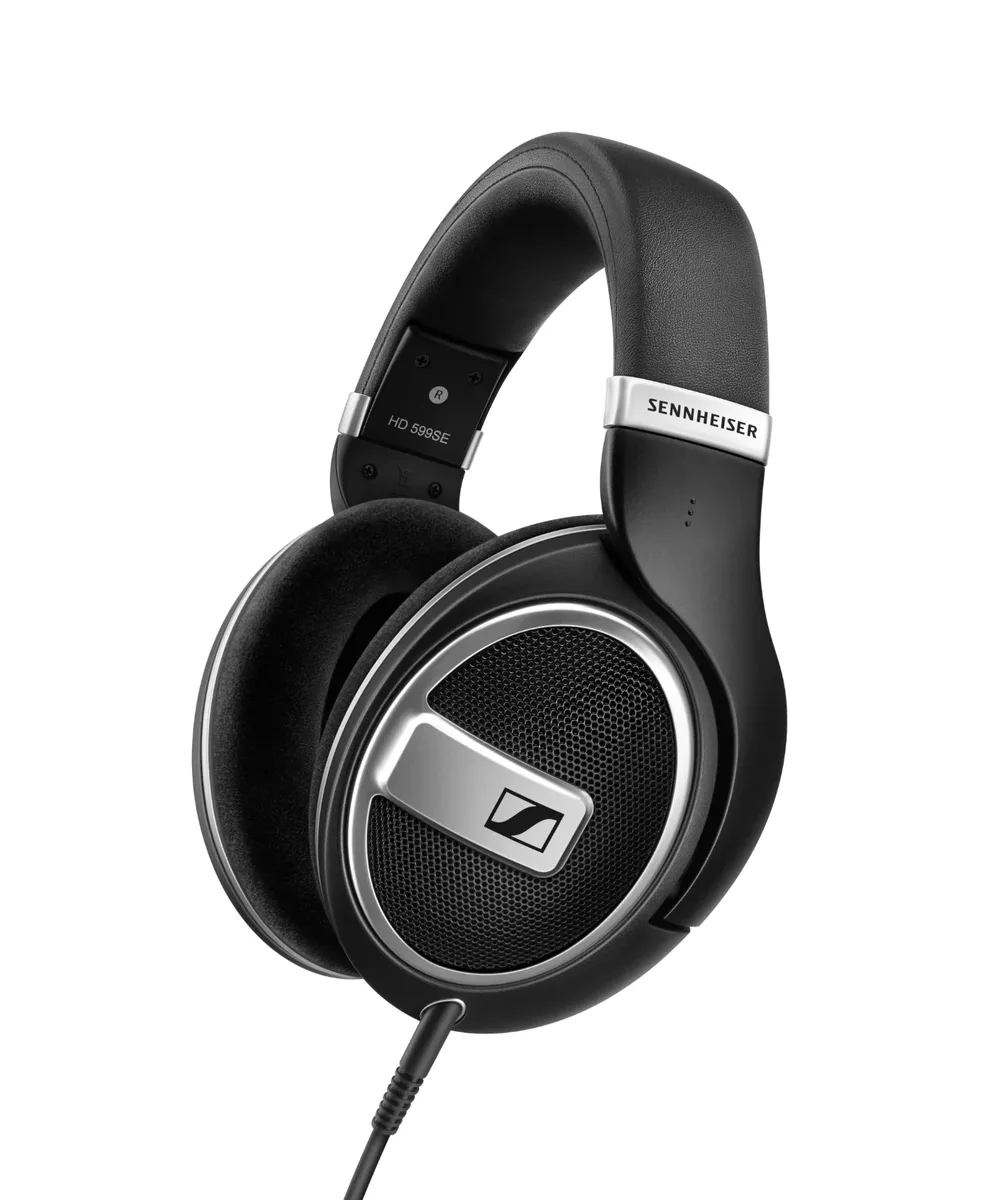
Sennheiser HD 599 SE
The HD 599 SE is the Amazon-exclusive black version of Sennheiser's long-running open-back, and it's the classic gateway into open-back listening. At 50 ohms with high sensitivity it runs fine straight from a laptop or phone dongle — no amp required, despite what forums imply. The sound is warm, smooth, and wide, with relaxed treble that's easy for hours; bass rolls off at the bottom like most open-backs, and everyone around you hears your music, so it's a quiet-room headphone only. At 250g with velour pads, comfort is superb even for glasses wearers. Two cables (6.3mm and 3.5mm) are included. Pricing is the thing to know: it lists around $160 but has dropped to roughly $100 many times, so patient buyers should never pay full price. Pads and cables are replaceable.
We may earn a commission. Price and availability on Amazon’s site may differ.
Specifications
Highlights
Pros
- ✓Classic gateway into open-back listening
- ✓Runs fine from a laptop — no amp myths apply
- ✓Warm, relaxed treble stays easy for hours
- ✓Superb 250g velour comfort, even with glasses
- ✓Ships with both 6.3mm and 3.5mm cables
- ✓Regularly drops to $100 — patience pays
Cons
- ✗Bass rolls off at the bottom like most open-backs
- ✗Everyone in the room hears your music
- ✗Zero isolation makes it useless for commutes
- ✗Paying the $160 list price is a mistake
- ✗Relaxed treble trades away detail versus the MDR-7506
Owner Insights(200 discussions)
The HD 599 SE - the Amazon-exclusive all-black version of the HD 599 - is the classic gateway drug into open-back listening, and owner discussions treat it accordingly: it's the headphone people recommend to friends who've only ever heard closed consumer cans and want to know what 'soundstage' means. Its reputation is built on two things: class-leading comfort from a 250g frame with velour pads that vanish on your head, and a warm, forgiving tuning with zero listening fatigue. Owners repeatedly note it stays comfortable where the harder-clamping HD 58X hurts jaws and the HD 560S grips tighter.
In practice it's an easy headphone to live with: 50 ohms and high sensitivity mean laptops and phone dongles drive it fully (owners are quick to debunk the amp-required myth), the velour pads outlast flaking pleather rivals by years, and both pads and cable are replaceable - though note the earcup uses Sennheiser's twist-lock 2.5mm connector, so replacement cables are model-specific. The honest limitations: bass rolls off at the bottom and distorts if you EQ it hard, treble is relaxed enough that detail-hunters call it veiled, and as a true open back it leaks both ways - useless on a bus, antisocial in a shared room. Sub-$100 sale pricing happens several times a year, and the owner consensus is blunt: never pay list.
Buy the HD 599 SE for relaxed evening listening, acoustic and orchestral music, and comfortable casual gaming in a quiet room - especially at the ~$100 sale price where it's a near-unanimous recommendation. If you want more detail and neutrality for the same or less money, the Sennheiser HD 560S is the enthusiast pick (brighter, tighter, less cozy); if you want warmer Sennheiser sound with more bass slam and own an amp, the drop-priced HD 58X Jubilee is the classic step up.
Pros
- +Comfort is the headline - the light 250g frame and velour pads disappear for hours, and owners consistently rank it above the tighter-clamping HD 58X and HD 560S
- +Warm, relaxed, wide sound that owners describe as the easiest possible introduction to open-back listening - zero fatigue over long sessions
- +Runs properly from a laptop or phone dongle at 50 ohms - owners confirm the 'needs an amp' advice floating around simply doesn't apply here
- +Velour pads hold up years without the flaking that kills pleather rivals, and pads and cable are both replaceable
- +Gamers praise the open, spacious staging plus all-day comfort for single-player and casual play
- +Routinely drops to $85-100 on sale, where owner consensus flips from 'decent' to 'easy recommendation'
Cons
- −Bass rolls off audibly at the bottom - bassheads and EDM listeners find it polite to the point of thin, and pushing sub-bass EQ introduces distortion
- −The relaxed treble reads as 'veiled' to detail-oriented listeners - the cheaper HD 560S resolves noticeably more
- −Open back means zero isolation and real leakage - everyone in the room hears your music, so it's strictly a quiet-room headphone
- −Full $160-200 list price is widely considered poor value when the street price dips to $100 several times a year
- −The proprietary twist-lock 2.5mm connector at the earcup means replacement cables must be Sennheiser-specific, not any 3.5mm cord
- −Headband foam slowly compresses over the years, and heavier-headed owners eventually notice a contact hot spot
Common Questions
Compare the Sennheiser HD 599 SE
Related headphones
More from Sennheiser →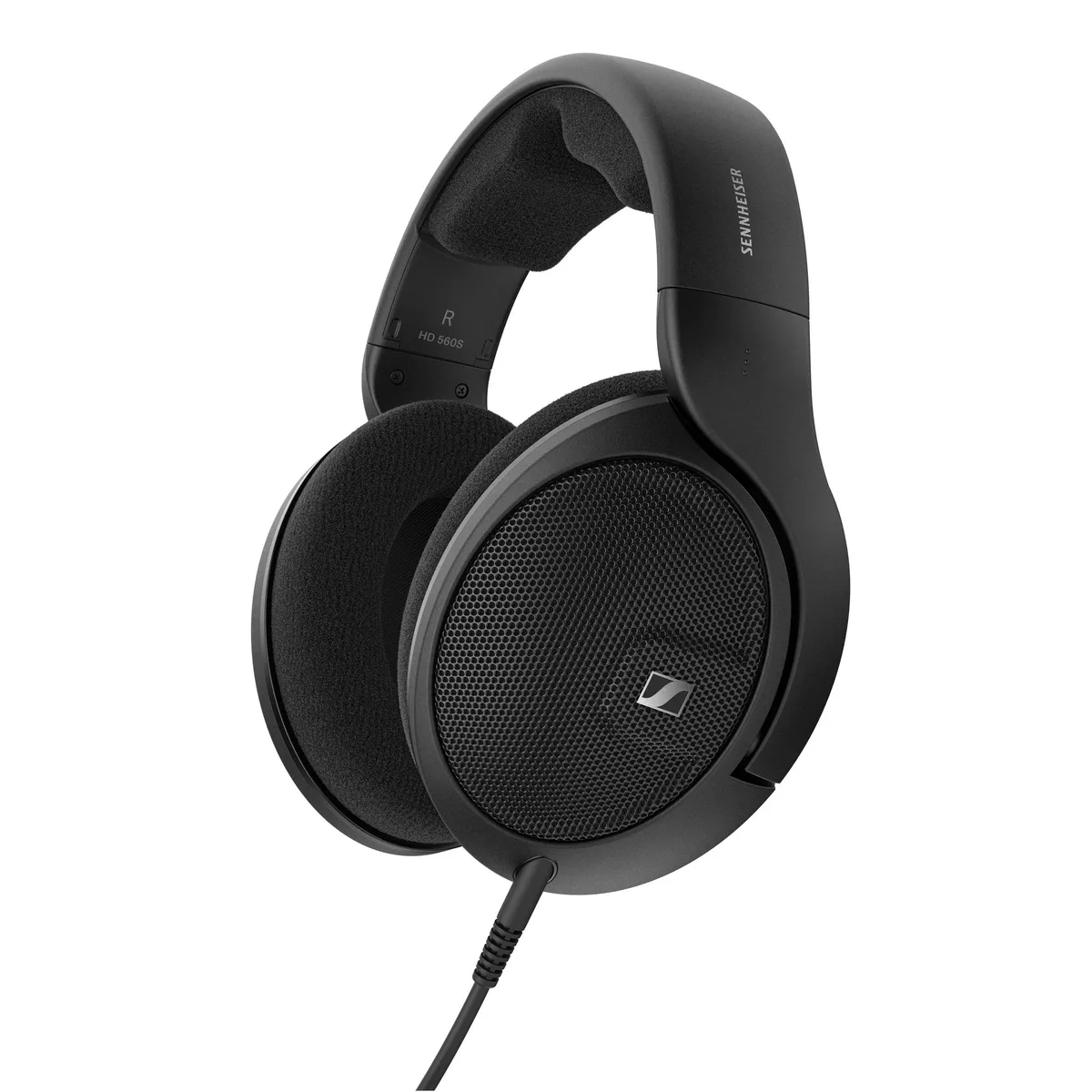
Sennheiser
Wired & Studio
The HD 560S is the measurement crowd's favorite budget reference: the most honestly neutral headphone Sennheiser sells under $200, with bass that actually extends where the HD 600 and 6XX roll off. Angled drivers give it a wider, more precise presentation than its 6-series cousins, which is why owners keep recommending it for competitive gaming as much as for checking mixes — footsteps and pan positions land exactly where they should. It's 120 ohms but very sensitive at 110 dB/1Vrms, so unlike the 300-ohm Sennheisers it gets genuinely loud from a decent dongle or interface, though it still tightens up on a real amp. The sonic trade-off owners cite most is the treble: there's a brightness and occasional sibilance around the top that treble-sensitive listeners EQ down, and it makes harsh recordings harsher. Build is where the price shows — lots of lightweight matte plastic that feels a class below the sound, with a long-term creak here and there, though at 280g it stays comfortable for hours. The open back leaks freely, as always. Street price swings between $140 and $200; toward the low end of that range it's arguably the best neutral-headphone value in the hobby.
Best for Neutral reference sound without a big amp
Sennheiser
Wired & Studio
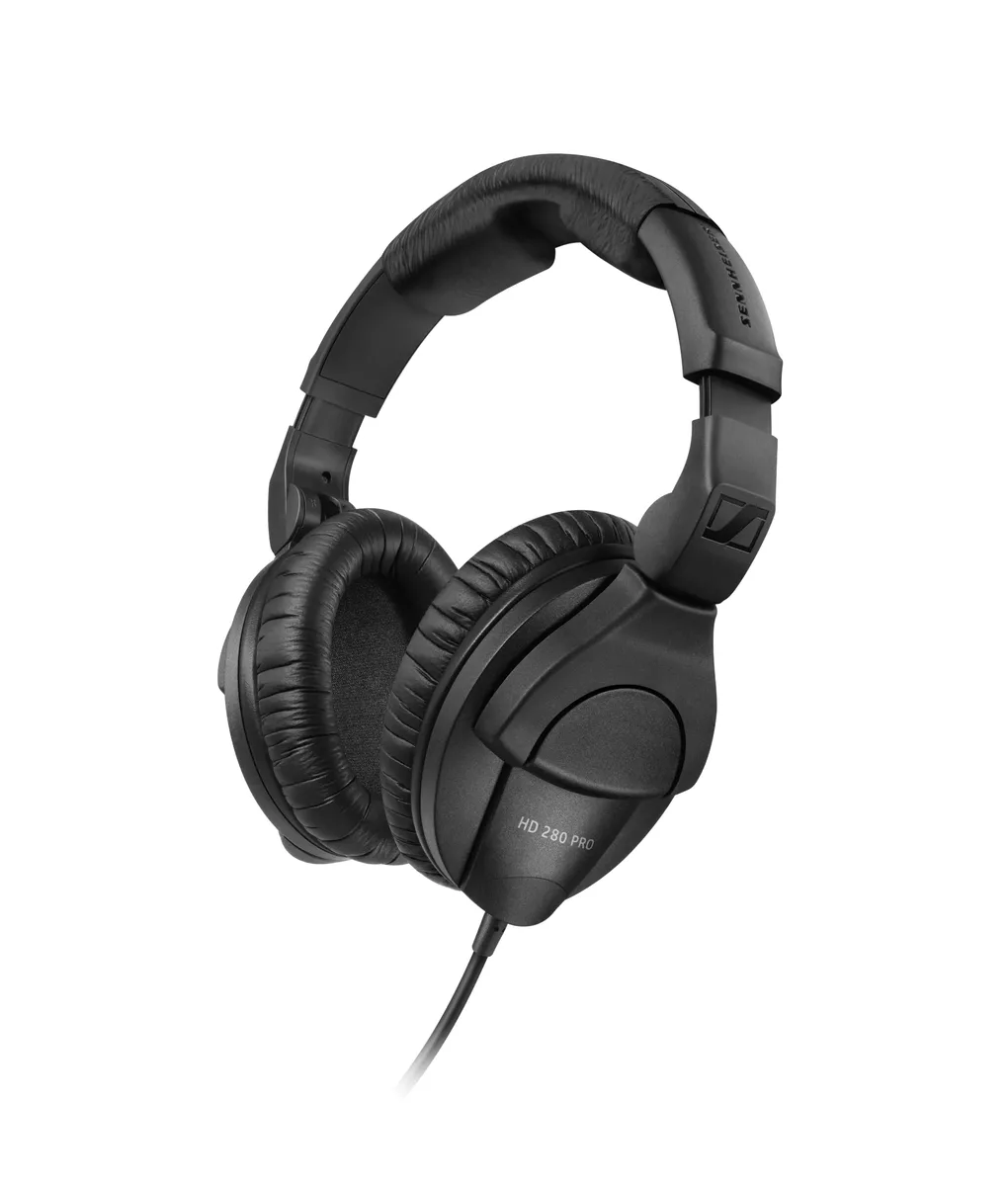
The HD 280 Pro is the beige Toyota pickup of studio headphones: it's been in every tracking room, radio station, and podcast studio for twenty years because it does one job — isolate and monitor — better than anything near $100. The closed cups block up to 32 dB of outside noise passively, which is more than many ANC headphones manage and exactly what you want when a singer is tracking next to a click or you're editing audio somewhere loud. The sound is honest rather than fun: clear, mid-focused, slightly dry, with controlled but unexciting bass — owners consistently call it a phenomenal tracking and editing tool and a mediocre music-pleasure headphone. The isolation comes from a genuinely aggressive clamp; larger heads feel it inside an hour, and the pleather pads get sweaty in long sessions, though the grip relaxes with break-in. At 64 ohms and 113 dB max SPL it runs fine from interfaces, laptops, and phones without an amp. The coiled 1.3-3m cable is studio-practical but non-detachable, and the cups fold and swivel for one-ear monitoring and bag storage. Pads, headband padding, and earcup parts are all replaceable, and owners commonly report pairs surviving a decade of abuse. Buy it as a tool, not a toy, and it never disappoints.
Best for Tracking, editing, and podcasting in noisy rooms
Sennheiser
Wired & Studio
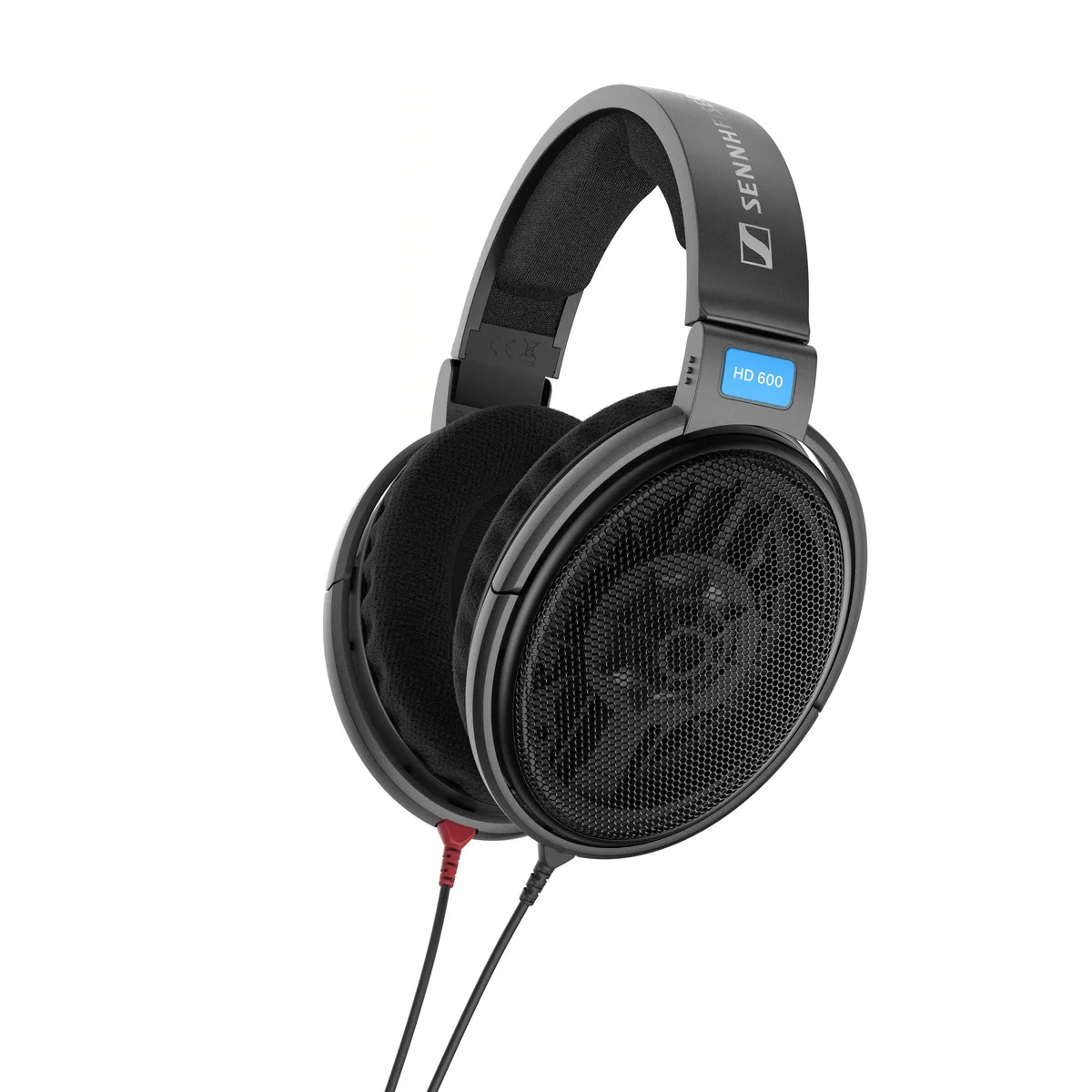
The HD 600 has been the reference midrange headphone since 1997, and nothing in almost three decades has fully dethroned it — mastering engineers still keep a pair on the desk as a sanity check. The open-back, hand-assembled 42mm drivers deliver what owners describe as the most natural vocal and instrument timbre you can buy without spending four figures, with a neutrality that makes it a genuine mixing and critical-listening tool. The one thing you cannot skip: this is a 300-ohm headphone, and straight out of a phone or cheap laptop jack it sounds quiet, thin, and boring. Budget for a real amp or a capable dongle DAC, because owners are unanimous that it scales dramatically with better gear. The trade-offs are well documented after 28 years — sub-bass rolls off audibly, the soundstage is intimate rather than expansive, and being open-back it isolates nothing and leaks everything. Comfort is excellent at 260g once the initially firm clamp breaks in, and every single part — pads, headband, cable, even drivers — is user-replaceable, which is why decades-old pairs are still in service. It's also unforgiving of bad recordings and low-bitrate sources. If you want one endgame-adjacent headphone for the desk and you'll feed it properly, this is still the safest $350 in audio.
Best for Critical listening and mixing with a proper amp
Sennheiser
Over-Ear Headphones
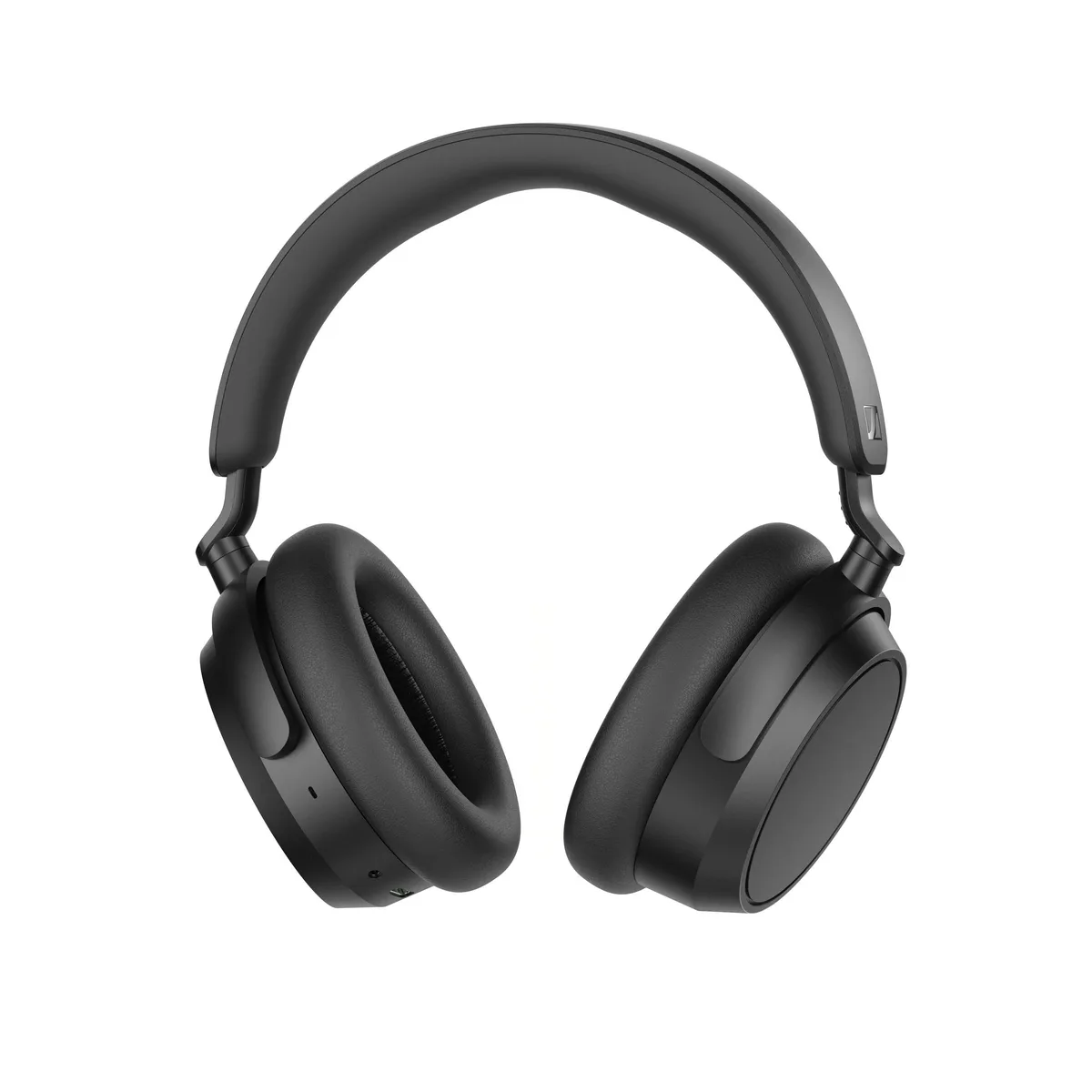
The Accentum Plus is the budget gateway to Sennheiser's house sound: refined, balanced, less bass-bloated than anything else in this price bracket, with aptX Adaptive for Android users and a legitimate 50-hour battery with ANC running. Street price has settled around $130 from a $230 list, which changes the value math entirely. The adaptive hybrid ANC is competent — good on steady rumble, a clear step behind Sony and Bose flagships on voices — and wind handling is weak. The understated matte-plastic build is light at 227 grams but feels unremarkable for the brand, the earcups only swivel flat rather than folding, and there's no wear detection, so music keeps playing when you take them off. Touch controls work but occasionally misread swipes. The Smart Control app adds a 5-band EQ and multipoint management. If sound quality per dollar is the priority, this is the pick of the batch.
Best for listeners stepping up to audiophile-brand sound on a budget
Sennheiser
Wireless Earbuds
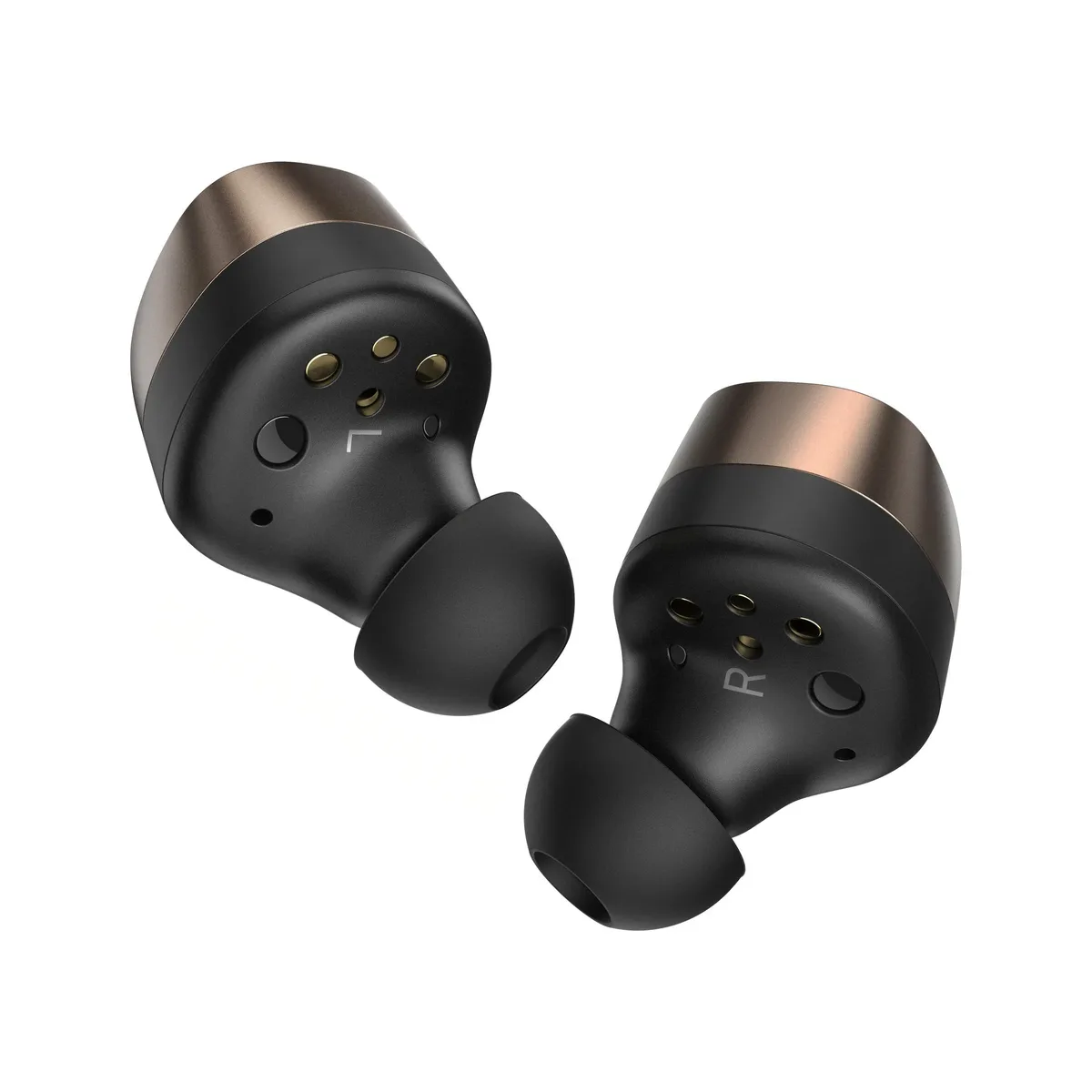
The codec king. If your phone supports aptX Lossless — mostly Snapdragon flagships — this is one of the only earbuds that can play CD-quality audio without compression, and the 7mm TrueResponse driver has the refined, spacious tuning Sennheiser is known for. Seven hours with ANC and 30 total is strong, multipoint works, and the Smart Control app has a proper EQ. The reasons these sit at 4.1 stars instead of 4.5: the chunky 6.2g housings are a genuinely bad fit for smaller ears, and owner threads are full of connection-drop and app-pairing complaints that firmware updates only partly cured. The Adaptive ANC is comfortably mid-tier — noticeably behind Bose and Sony — and call quality is unremarkable. No spatial audio at all, which either matters to you or doesn't. Best bought on the frequent sub-$200 sales, not at the $300 list.
Best for Snapdragon phone owners chasing lossless wireless audio
Sennheiser
Over-Ear Headphones
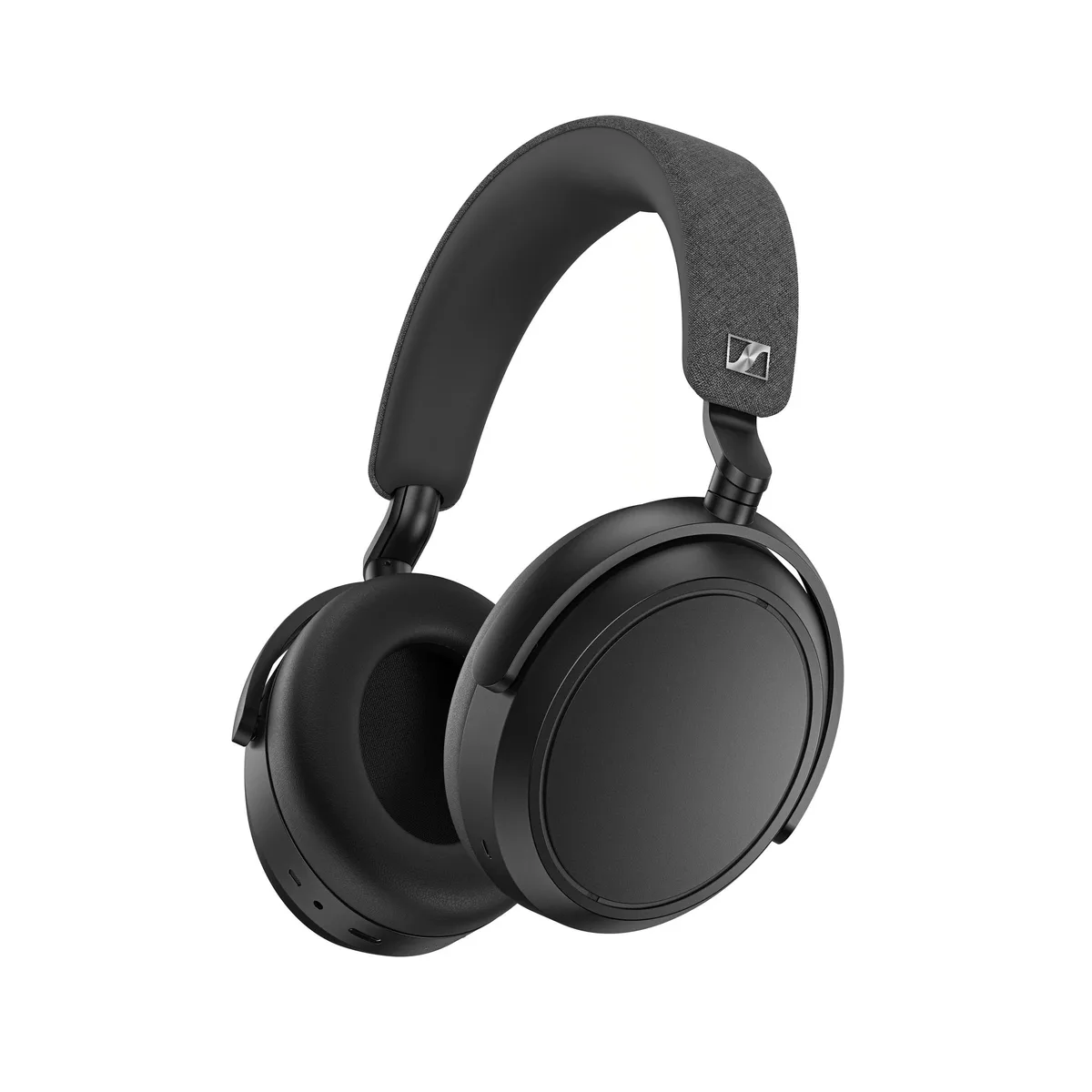
The Momentum 4's headline stat remains unbeaten in the flagship class: 60 hours of battery with ANC on — double Sony and Bose — plus 6 more hours from a 10-minute top-up. Owners consistently rate the sound among the best of any wireless over-ear: big 42mm drivers, a rich but detailed tuning, and a genuinely useful parametric-style EQ in the Smart Control app. Street price around $220 makes it a steal. The trade-offs are well documented: adaptive ANC is a clear step behind Bose and the XM6, the all-touch control scheme misfires often enough that many owners disable auto-pause, wind noise pickup is bad on calls, and the anonymous design abandoned the old Momentum's retro charm. Some units also drain battery in standby until you toggle auto-off in the app. If sound-per-dollar and battery matter most, this is the pick.
Best for long-haul listeners who prioritize sound and stamina