Sony MDR-7506 vs Truthear Hexa
Quick take: The Truthear Hexa costs $13 less.
Which one to buy
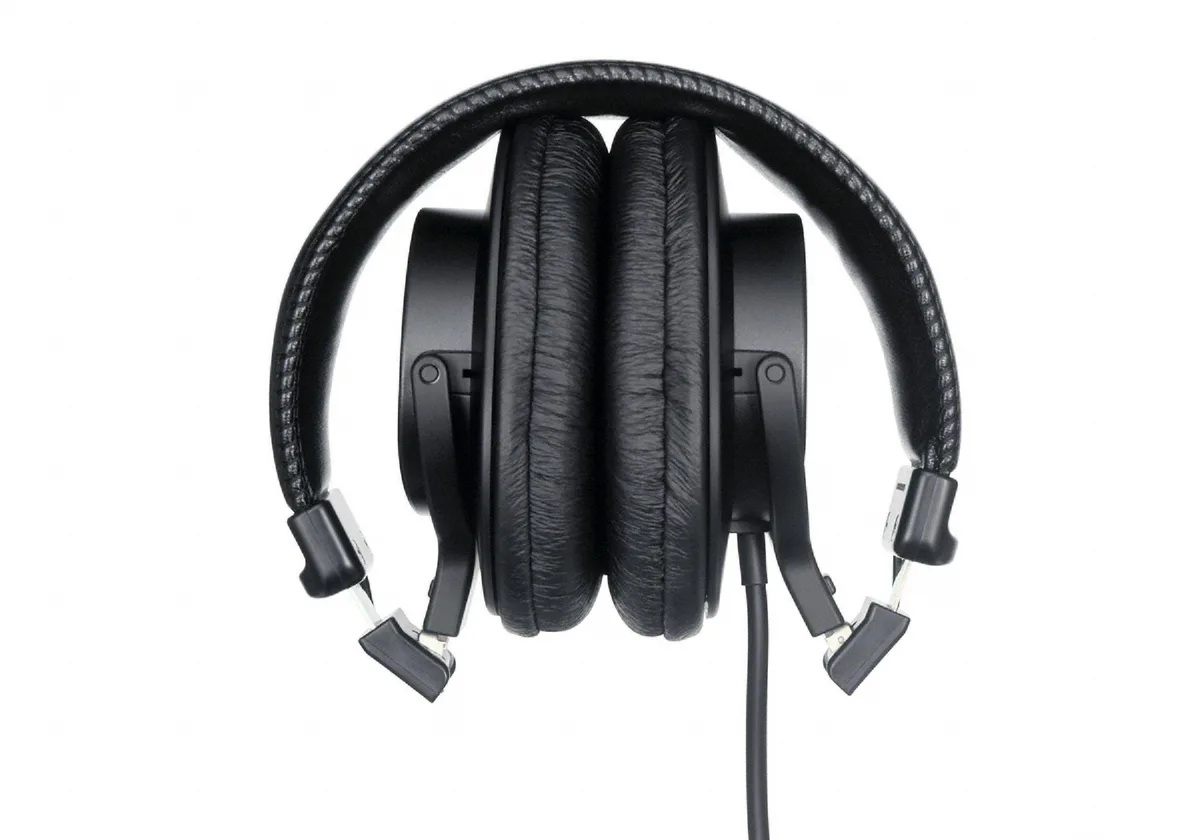
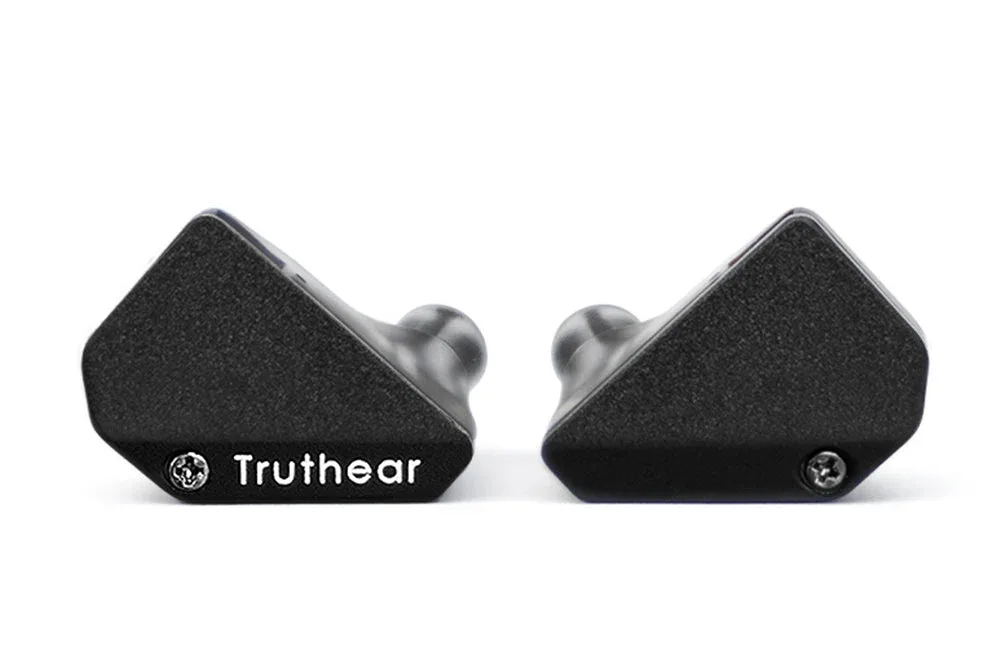
Wired, under $100, and tuned for accuracy rather than excitement: that describes both of these. One sits over your ears and one goes in them. The MDR-7506 has been the standard broadcast and field-recording headphone since 1991. It's bright and detail-forward, so hum, sibilance, mouth clicks and bad edits stand out, which is why podcasters and people who cut video keep buying the same model. The Hexa is the budget IEM most owners recommend as the first serious step up. It's a 1DD+3BA hybrid tuned close to neutral, and owners praise its detail retrieval and imaging for music.
They're used very differently. The 7506 runs loud from any camera, mixer or phone, folds into a bag and weighs 230g, but its 3-meter coiled cable is permanently attached and its stock pads flake apart within a year or two. The Hexa needs a decent USB-C dongle, because weak phone jacks leave it flat. Its shells are small enough that some owners sleep in them, and it uses standard 2-pin cables you can swap. Its wide, deep-inserting nozzles don't suit every ear canal, though.
On sound, the 7506's treble can turn cymbals brittle and get tiring for music. The Hexa's treble is smooth and fatigue-free, and its weakness is polite, soft-hitting bass. For catching mistakes in spoken-word audio, owners choose the Sony. For enjoying acoustic, vocal and indie music, they choose the Hexa.
Sony MDR-7506
If you edit podcasts or video, monitor on a shoot, or need something any piece of gear can drive.
Truthear Hexa
Pick this if you want detailed, neutral, fatigue-free music listening in a form you can wear all day or to bed, and you have a decent dongle.
| Spec | Sony MDR-7506 | Truthear Hexa |
|---|---|---|
| Approx. price | ~$98 | ~$85 |
| Rating | — | — |
| Type | Wired & Studio | Wired & Studio |
| Noise Cancelling | None | None |
| Battery (single charge) | — | — |
| Battery (with case) | — | — |
| Quick Charge | — | — |
| Codecs | — | — |
| Bluetooth | — | — |
| Multipoint | No | No |
| Driver Size | 40 mm | 10 mm |
| Weight | 230 g | — |
| Water Resistance | — | — |
| Wireless Charging | No | No |
| Transparency Mode | No | No |
| Spatial Audio | No | No |
| App EQ | No | No |
Pros & cons
Sony MDR-7506
- ✓Broadcast-booth standard since 1991 for good reason
- ✓Any camera or phone drives it, no amp
- ✓Detail-forward sound exposes hum, sibilance, and edit points
- ✓Featherweight 230g folding frame for all-day wear
- ✓Under $100 for a genuine industry tool
- ✓Folds compact into any camera bag
- ✗Stock pads famously disintegrate into black flakes yearly
- ✗3-meter coiled cable is permanently attached
- ✗Bright treble fatigues casual listeners quickly
- ✗Zero updates in decades — no detachable-cable revision
- ✗Aftermarket pads are effectively part of the price
Truthear Hexa
- ✓Hybrid 1DD+3BA detail retrieval well above its price class
- ✓Balanced, near-neutral tuning with a tasteful bass shelf
- ✓Smooth, extended treble with natural timbre for a BA hybrid
- ✓Easy to drive: 20.5 ohm, 120 dB/Vrms from any dongle
- ✓Standard 0.78mm 2-pin detachable cable
- ✓Understated, comfortable matte shells for most ears
- ✗Wide, deep-insert nozzles cause real fit problems for smaller ear canals
- ✗Lean note weight — polite bass and mids for those wanting warmth
- ✗A minority of owners report sibilance in the upper treble
- ✗Stock cable and accessories are functional rather than premium
- ✗Finding third-party tips that fit the thick nozzle takes trial and error
Sony MDR-7506 vs Truthear Hexa: common questions
Can I plug the MDR-7506 or the Hexa straight into a camera or recorder?▾
The MDR-7506. At 63 ohms it's sensitive enough to reach full volume from cameras, mixers and phones. Owners describe the Hexa as harder to drive than typical budget IEMs and recommend a decent USB-C dongle.
Is the Hexa less fatiguing than the MDR-7506 for long music sessions?▾
The Hexa, according to owners. Its treble is smooth and well extended, while the 7506's brightness can make cymbals and horns brittle at volume. Swapping the 7506 to softer aftermarket pads can tame it, but it also changes the reference sound.