Sony
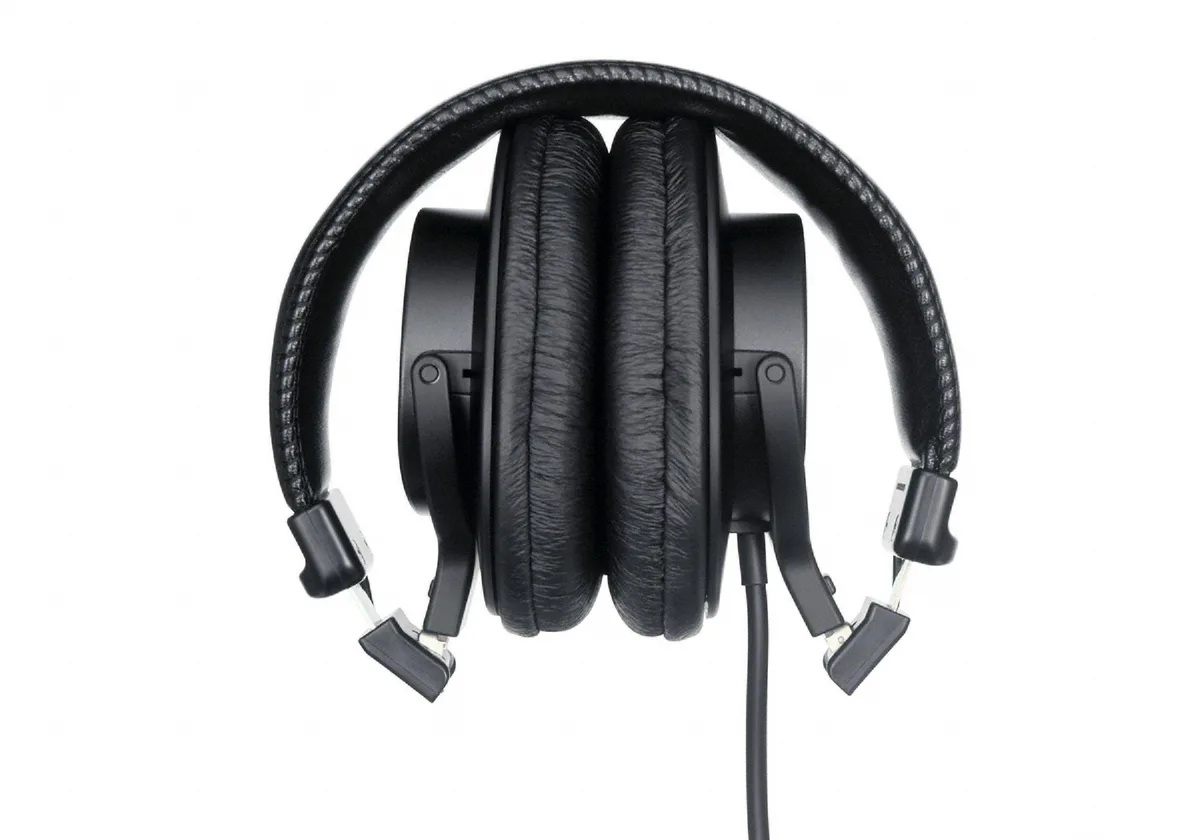
Sony MDR-7506
The MDR-7506 has been hanging in broadcast booths and video rigs since 1991, and almost nothing about it has changed — including the flaws. At 63 ohms and 106dB/mW it's sensitive enough that any camera, mixer, or phone drives it fine without an amp. The sound is bright and detail-forward: sibilance, hum, and edit points jump out, which is exactly why engineers love it and casual listeners sometimes find it fatiguing. The 230g folding frame is featherweight for all-day wear. Two gripes come up constantly: the 3-meter coiled cable is permanently attached and heavy for desk use, and the stock earpads famously disintegrate into black flakes within a year or two — nearly every long-term owner ends up buying aftermarket pads and considers it part of the price.
We may earn a commission. Price and availability on Amazon’s site may differ.
Specifications
Highlights
Pros
- ✓Broadcast-booth standard since 1991 for good reason
- ✓Any camera or phone drives it, no amp
- ✓Detail-forward sound exposes hum, sibilance, and edit points
- ✓Featherweight 230g folding frame for all-day wear
- ✓Under $100 for a genuine industry tool
- ✓Folds compact into any camera bag
Cons
- ✗Stock pads famously disintegrate into black flakes yearly
- ✗3-meter coiled cable is permanently attached
- ✗Bright treble fatigues casual listeners quickly
- ✗Zero updates in decades — no detachable-cable revision
- ✗Aftermarket pads are effectively part of the price
Owner Insights(500 discussions)
The MDR-7506 has been hanging in broadcast booths and slung on camera rigs since 1991, and owner discussions treat it less like a product and more like a standard-issue tool - the recurring story is someone buying their second or third pair in twenty years and noting that a brand-new set feels like broken-in shoes. Its reputation rests on doing one job with total honesty: the bright, detail-forward tuning exposes hum, sibilance, mouth noise, and sloppy edits immediately, which is exactly why podcasters, video editors, and field recordists keep recommending it over more flattering headphones.
The practical experience: it's featherweight at 230g and comfortable for all-day sessions, folds into any camera bag, and reaches full volume from any camera, phone, or mixer without amplification. The same honesty that makes it a great editing tool makes it a fatiguing casual listen - cymbals and trumpets get brittle at volume, and music lovers often find it too bright for pleasure listening. The two universal ownership realities: the stock pleather pads famously disintegrate into black flakes within a year or two (every long-term owner budgets for replacements, and note that thick aftermarket velour pads audibly soften the sound you bought it for), and the 3-meter coiled cable is permanently attached - great on a camera rig, annoying at a desk.
Buy the 7506 if you edit spoken word, shoot video, or record in the field and want the sub-$100 industry reference everyone's notes are calibrated against. If you want one headphone for both production and fun music listening, the punchier ATH-M50x with its detachable cables is the classic alternative - it's more enjoyable and less honest. If treble sensitivity is your concern, the Beyerdynamic DT 770 Pro isolates similarly with plusher comfort, though it has its own treble spike and wants more power.
Pros
- +The detail-forward sound surfaces hum, sibilance, mouth clicks, and bad edits instantly - podcast and video editors say problems the M50x's bass boost hides jump right out
- +Repurchased for decades - longtime owners describe a new pair as feeling like well broken-in shoes and buy their second or third set without shopping around
- +At 230g it disappears on your head for all-day editing sessions - lighter than nearly every studio rival
- +Any camera, mixer, laptop, or phone drives it to full volume - field recordists confirm no amp ever enters the picture
- +Folds small and shrugs off years of camera-bag abuse despite feeling unremarkable in hand
- +Under $100 for the exact tool broadcast booths have standardized on since 1991
- +The coiled cable resists tangling and survives desk-chair-wheel encounters that kill straight cables
Cons
- −Stock earpads disintegrate into black flakes within a year or two - owners literally find black bits stuck to their faces, and replacement pads are considered part of the purchase price
- −The bright treble turns cymbals and trumpets brittle and gets fatiguing for casual music listening at volume
- −The 3-meter coiled cable is permanently attached - no detachable option, and it's heavy and long for a desk or couch
- −Aftermarket pads that fix the flaking (velour, gel) audibly change the sound signature, which trips up people who bought it for reference
- −Zero modern conveniences - no folding case, no inline mic, no spare cable options
- −Not built like a tank so much as built simple - hinges and headband survive, but it's the pads and finish that age first
Common Questions
Compare the Sony MDR-7506
Related headphones
More from Sony →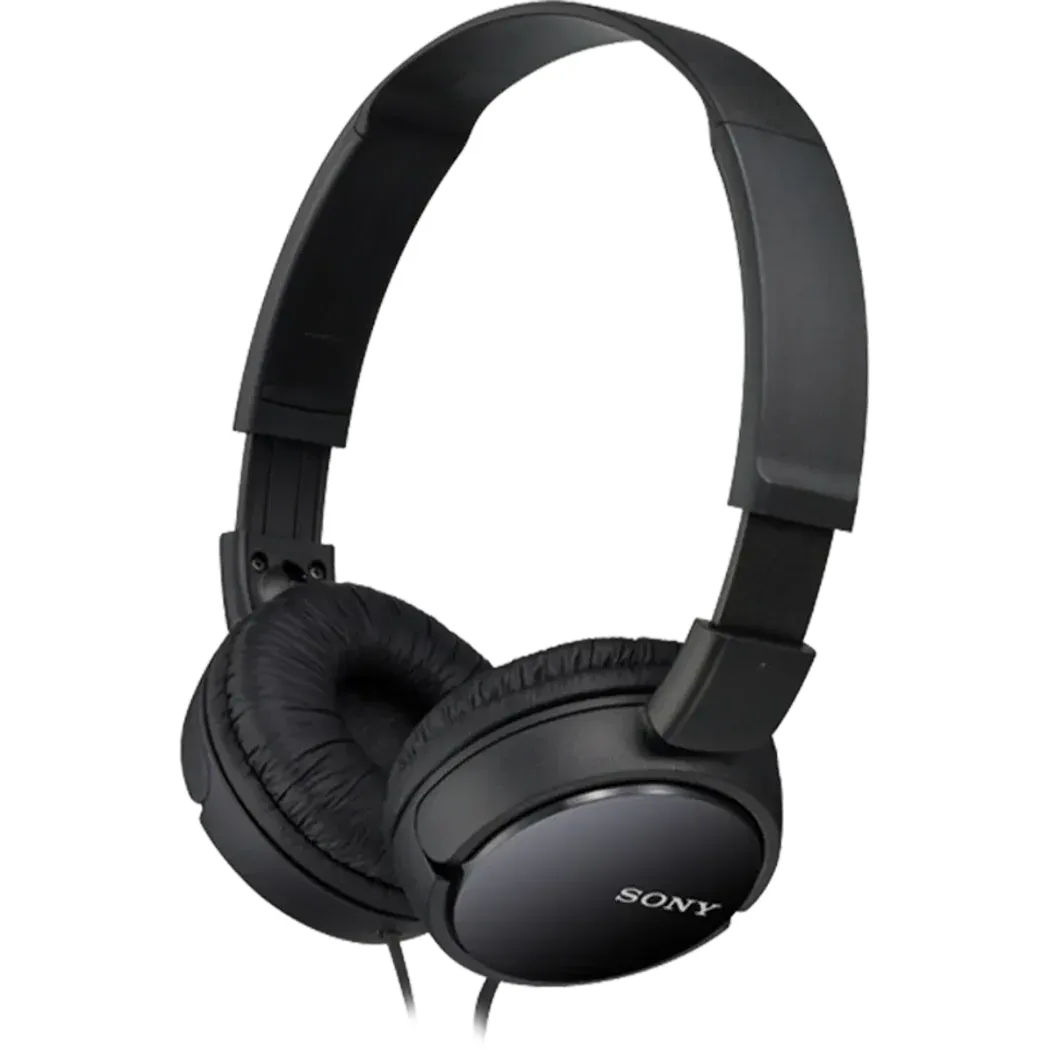
Sony
Wired & Studio
This is the ten-dollar headphone that's been in every drugstore, backpack, and lost-and-found bin for a decade, and it's genuinely fine for what it costs. The 30mm drivers push a warm, bass-and-mids-forward sound that owners consistently describe as better than a $10 headphone has any right to be, though the top end gets rolled off and can turn harsh when you push the volume. At 120g with a fold-flat swivel design, it's light enough to forget in a bag as a permanent spare. The honest caveats are all comfort and build: the pads are thin pleather over small on-ear cups, the headband can pinch larger heads after an hour, and the non-detachable 1.2m cord is the usual failure point. There's no mic or remote — Sony sells the ZX110AP if you need one — and at 24 ohms it runs happily off any phone dongle or laptop jack. Don't expect isolation, soundstage, or all-day comfort; do expect a cheap, durable, name-brand headphone that embarrasses gas-station earbuds. If your use case is 'backup pair,' 'kid's Chromebook,' or 'office Zoom audio,' this is the default answer.
Best for A dirt-cheap spare or first wired headphone
Sony
Wireless Earbuds
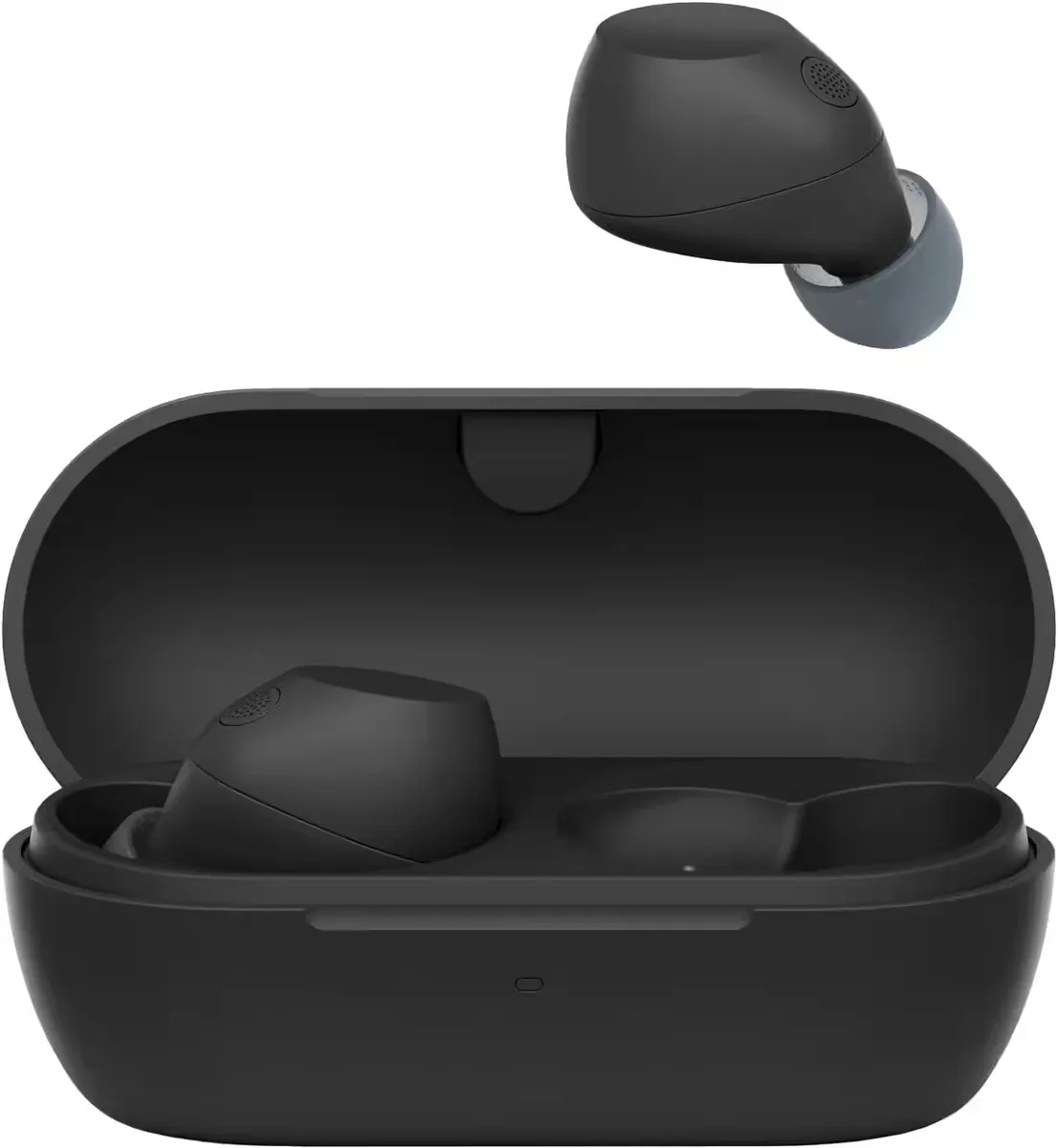
Sony's WF-C710N fixes the two loudest complaints about the beloved WF-C700N: it adds multipoint and touch controls, and stretches ANC battery life to 8.5 hours. The translucent Glass Blue finish became a minor social-media phenomenon, and the ANC — with dual noise sensors — is comfortably among the best in the sub-$100 tier when you catch it on sale from its $120 list. The stingy parts are very Sony: SBC/AAC only (no LDAC on a Sony bud at this price still stings), no wireless charging, no spatial audio, and the buds grew slightly chunkier than the C700N, which smaller ears notice on long sessions. The Sound Connect app is feature-rich but pushy about accounts and notifications. Mic quality is average outdoors in wind. Retail review volume is still building since the 2025 launch, but sentiment tracks the C700N's strong reputation.
Best for commuters wanting Sony ANC without flagship prices
Sony
Over-Ear Headphones
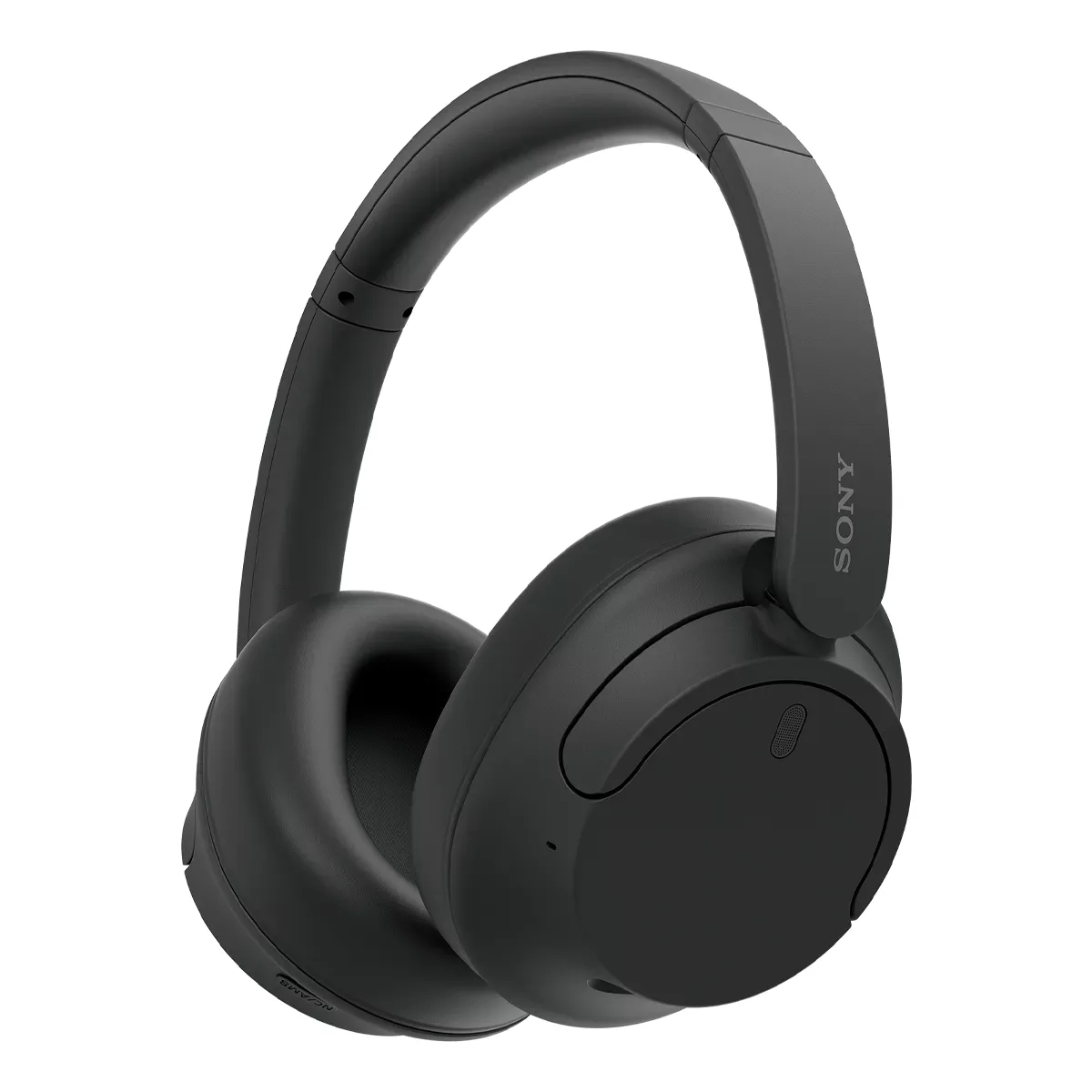
The WH-CH720N is what happens when Sony puts its flagship V1 noise-cancelling processor in a $180-list headphone that actually sells for $87-95. At 192 grams it's one of the lightest ANC over-ears made, and that's its superpower — people who find the XM5 or Bose heavy wear this all day and forget it's on. The ANC is genuinely good on low rumble, merely okay on voices and clatter, and there's some hiss. Sound is balanced-warm and clean, though the bass is a bit loose and the 30mm drivers won't wow anyone before EQ in the Headphones Connect app. The weight savings come from frankly hollow-feeling plastic that creaks when flexed, and the headband padding is minimal. It doesn't fold, only swivels flat. Battery is 35 hours with ANC on — fine, not class-leading. A 3.5mm jack is included. Comfort-first ANC, done cheap.
Best for listeners who want light, all-day ANC comfort without flagship prices
Sony
Over-Ear Headphones
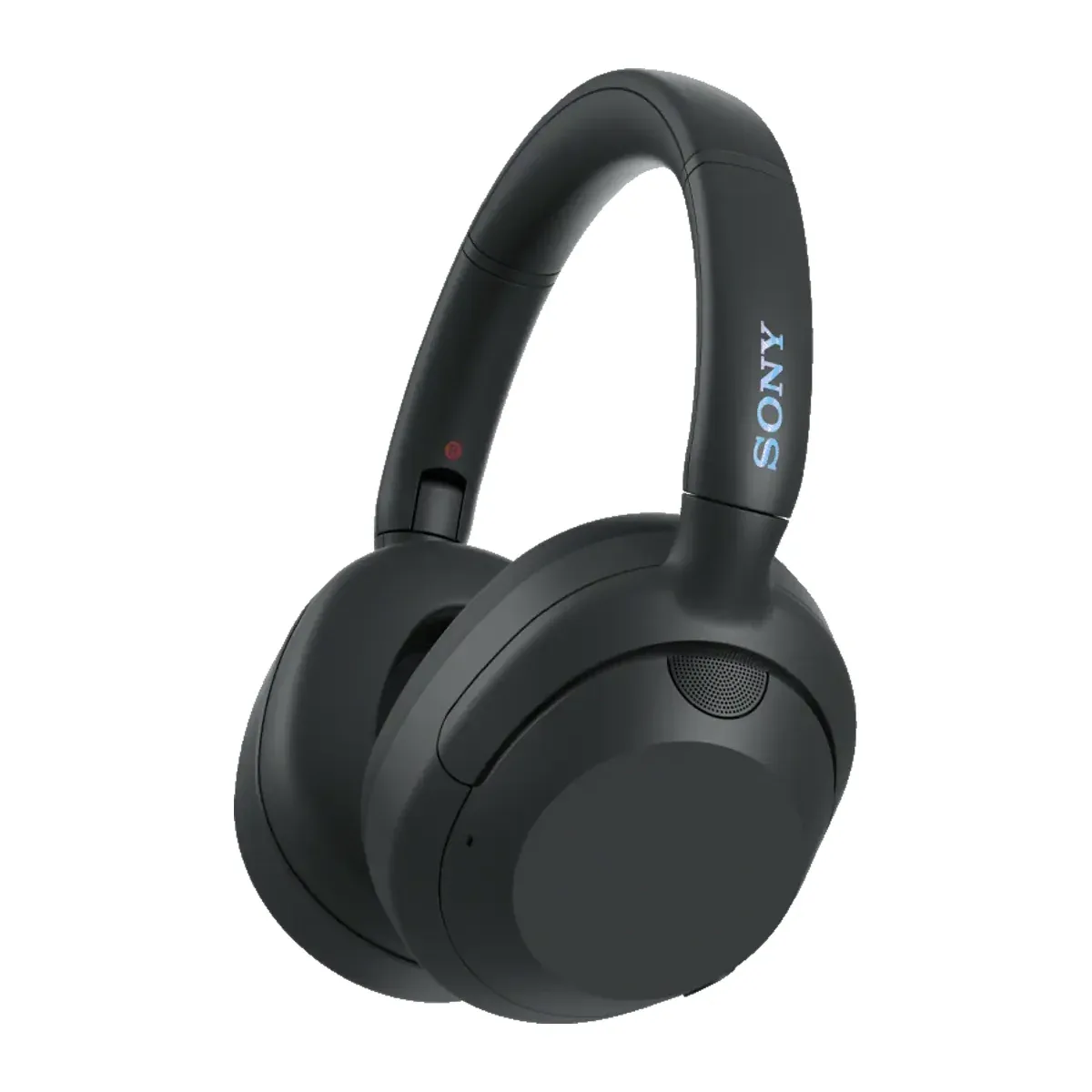
This is Sony's bass-cannon spin on its 1000X formula: the same V1 processor and genuinely good ANC trickled down from the flagship line, bolted to a dedicated ULT button that cycles two levels of bass boost. Owners are consistent on the split verdict — the default tuning is solid and warm, ULT1 is fun for EDM and hip-hop, and ULT2 is a caricature that buries everything above the bass line, so most people try it twice and leave it off. Noise cancellation is the real draw at this price; it's a clear step below the WH-1000XM5 but beats almost everything else under $200, and you get LDAC, multipoint, wear detection, and Sony's excellent app EQ — a feature list mid-rangers rarely match. Battery runs a rated 30 hours with ANC (50 with it off), and a 3-minute charge buys 90 minutes. Comfort gets high marks for the light 255g build and low clamp, though a few long-term owners report the plastic around the earcup joints cracking after a year-plus. Mic quality on calls is the other recurring complaint — fine indoors, inconsistent in wind and street noise. At its usual $128-150 street price it's one of the best-rounded mid-range ANC headphones; just know you're buying it for features and fun, not fidelity.
Best for Bass-first listeners who want real ANC without flagship prices
Sony
Wireless Earbuds
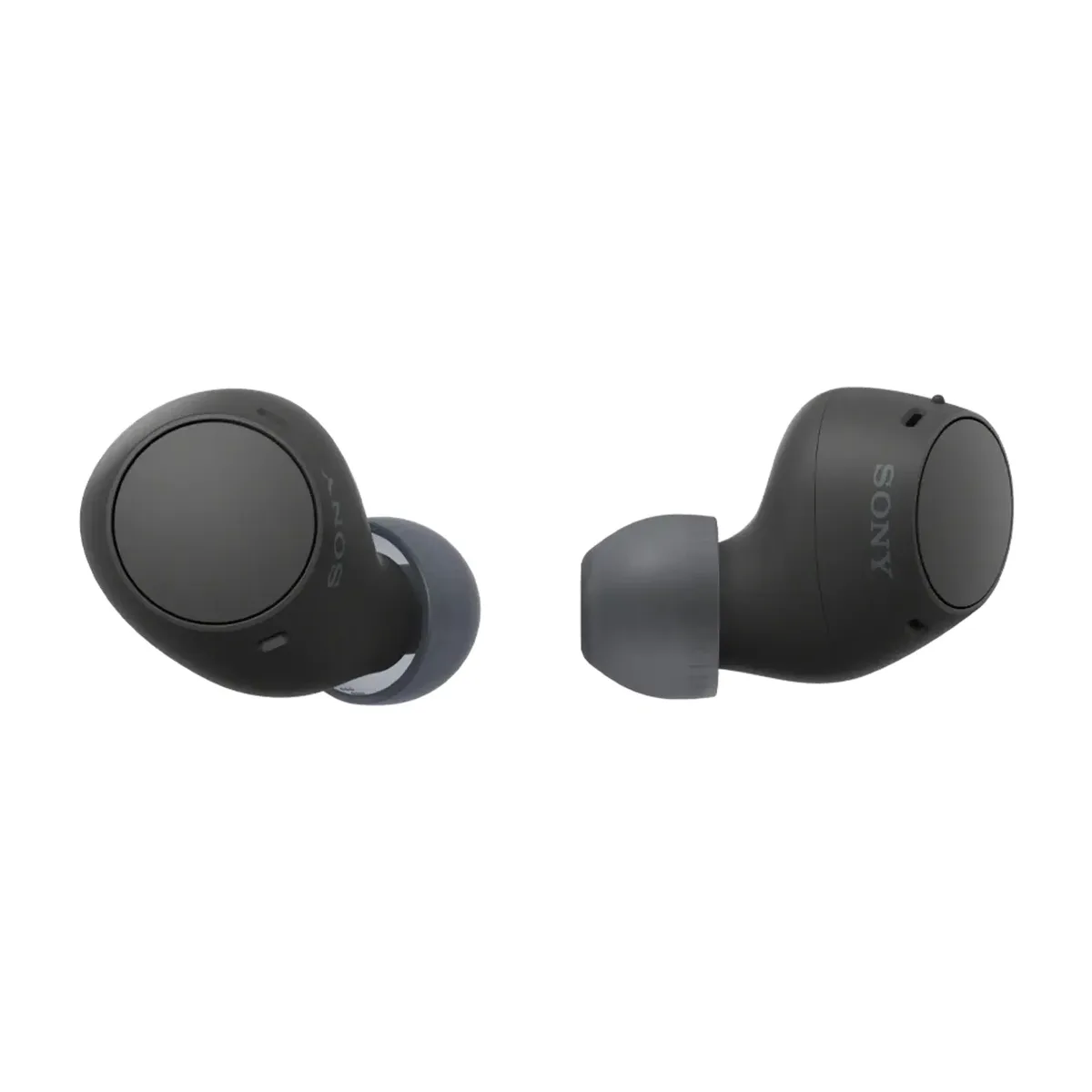
The WF-C510 is Sony's entry ticket, and it's the rare budget bud that reviewers describe as sounding like a Sony rather than a compromise: crisp, detailed mids and highs with a punchy low end, plus DSEE upscaling for compressed streams and a proper EQ in the Sound Connect app. The buds are genuinely tiny — among the smallest cases and lightest fits in the class — and owners who've worn them cycling and at the gym say they stay planted and shrug off sweat and rain despite the modest IPX4 rating. You get real multipoint for phone-plus-laptop switching, an Ambient Sound transparency mode with Voice Focus, and physical buttons instead of finicky touch panels. The trade-offs are clear-eyed ones: there's no ANC at all, no wireless charging, and while 11 hours per charge is excellent, the slim case only holds one extra charge for 22 total — the weakest case stamina in this price range. A 5-minute quick charge buying an hour of playback softens that. Codec support stops at SBC and AAC, so no LDAC hi-res here. If you want the most refined sound and smallest footprint under $50 and can live without noise cancelling, this is the pick; if you need ANC, look at the P30i or JBuds ANC 3 instead.
Best for Sound quality first, ANC never
Sony
On-Ear Headphones
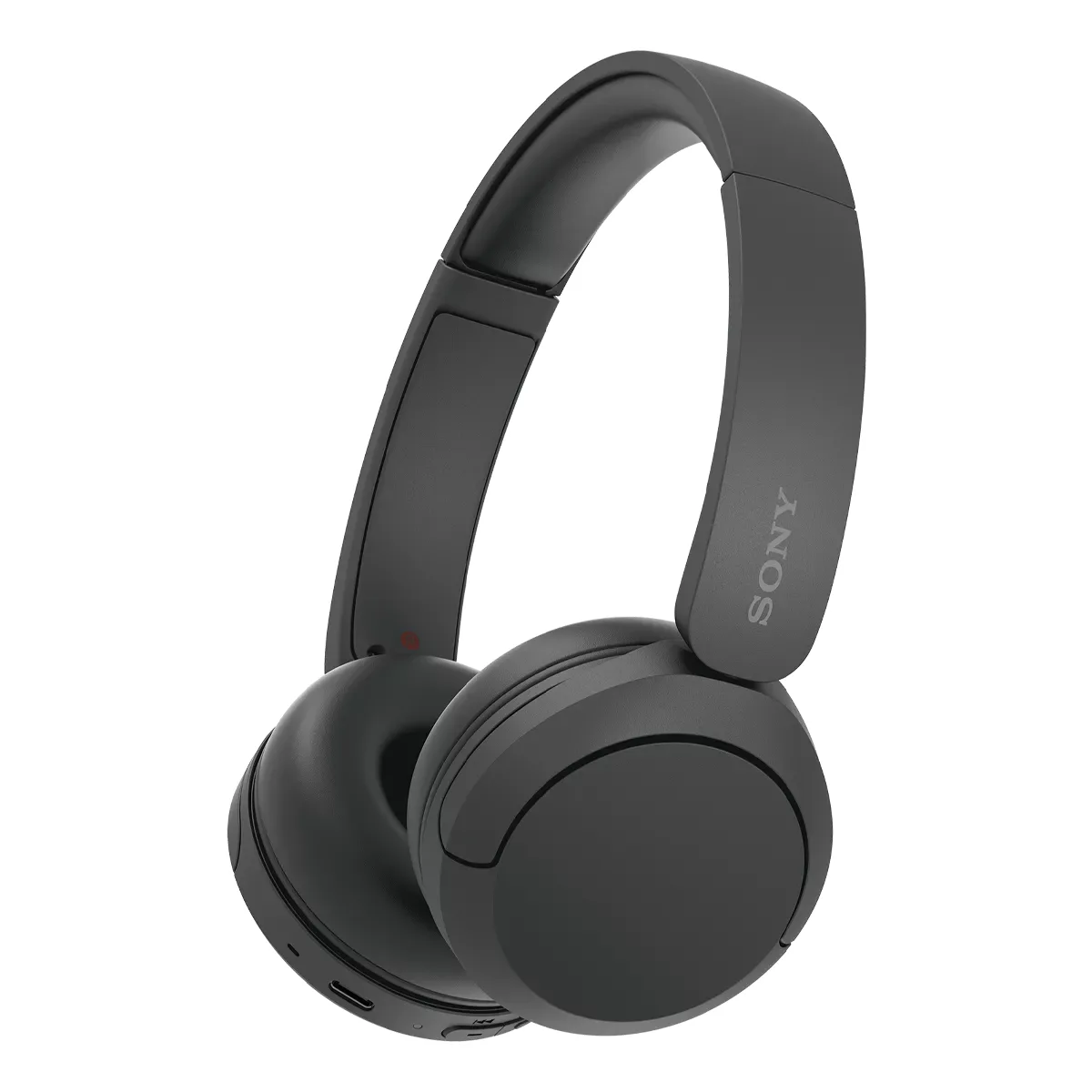
At its near-permanent $38 Amazon price, the WH-CH520 is the sensible default for anyone who just needs wireless headphones that work. You get a 50-hour battery, real multipoint, and — unusually at this price — the full Sony Headphones Connect app with custom EQ and 360 Reality Audio certification. The stock tuning is surprisingly even for the money; a little EQ warms it up nicely from the 30mm drivers. The trade-offs are exactly what you'd guess: an all-plastic build that feels light rather than premium, thin on-ear pads that get fatiguing past a couple of hours, zero noise isolation to speak of, and no ANC. The one genuinely annoying omission is a 3.5mm jack — when the battery dies, it's a paperweight until you charge it. The mic is serviceable for quiet-room calls. As a beater pair, it's nearly impossible to beat.
Best for anyone who wants reliable wireless sound for under $40