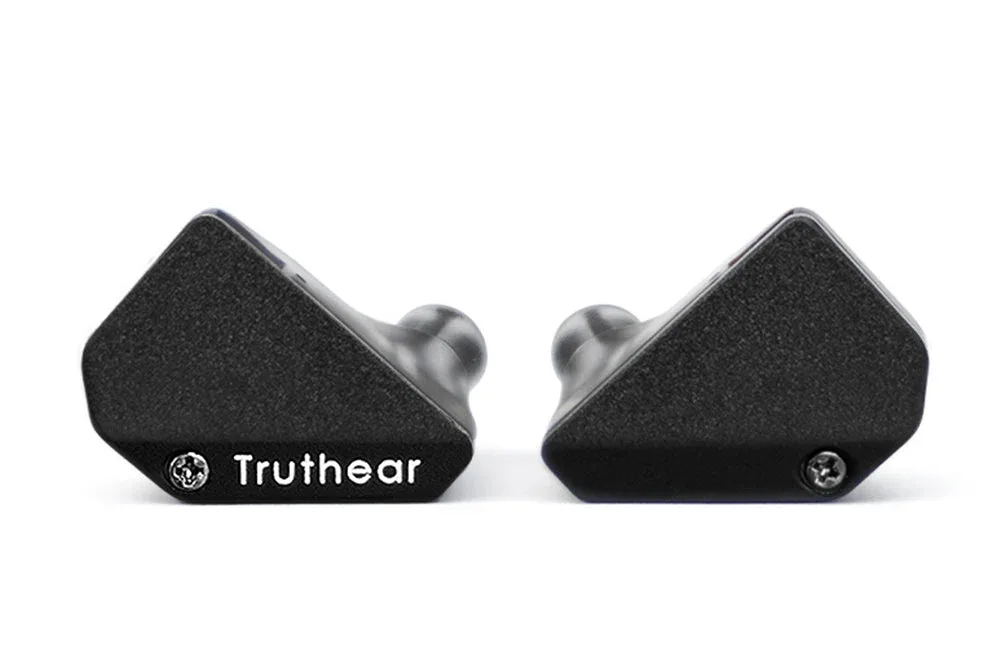
Truthear
Truthear Hexa
The Hexa is the budget-IEM scene's consensus 'first serious upgrade': one dynamic driver plus three balanced armatures per side for under $90, tuned close to a neutral reference curve with just enough bass shelf to stay musical. What owners praise most is resolution — it retrieves detail and layers instruments in a way single-driver $25 IEMs simply don't, with smooth, well-extended treble that mostly avoids the artificial timbre cheap armatures are known for. The matte black shells are understated and comfortable for most, and at 20.5 ohms with 120 dB/Vrms sensitivity it runs happily from a phone dongle or laptop. The caveats owners actually report: the nozzles are notably wide and insert deep, so people with smaller ear canals struggle with fit and tip selection; note weight is on the lean side, so bass-heads and fans of thick, lush mids can find it polite; and a minority of treble-sensitive listeners hear sibilance where most hear sparkle. The stock silver-plated 2-pin cable is decent, and standard 0.78mm connectors open the aftermarket. Against the $20-25 crowd it's a clear step up in refinement rather than a sidegrade, and against $150-200 hybrids it embarrasses several. If your budget stops under $100 and you want the most balanced, detailed sound available there, this is the pick.
We may earn a commission. Price and availability on Amazon’s site may differ.
Specifications
Highlights
Pros
- ✓Hybrid 1DD+3BA detail retrieval well above its price class
- ✓Balanced, near-neutral tuning with a tasteful bass shelf
- ✓Smooth, extended treble with natural timbre for a BA hybrid
- ✓Easy to drive: 20.5 ohm, 120 dB/Vrms from any dongle
- ✓Standard 0.78mm 2-pin detachable cable
- ✓Understated, comfortable matte shells for most ears
Cons
- ✗Wide, deep-insert nozzles cause real fit problems for smaller ear canals
- ✗Lean note weight — polite bass and mids for those wanting warmth
- ✗A minority of owners report sibilance in the upper treble
- ✗Stock cable and accessories are functional rather than premium
- ✗Finding third-party tips that fit the thick nozzle takes trial and error
Owner Insights(900 discussions)
The Hexa is where budget IEM advice converges: when someone outgrows a $20 Chu II or Zero:2 and asks what's actually worth more money, the answer in owner discussions is almost mechanical — 'Hexa, $85, done.' Its 1DD+3BA hybrid delivers genuinely neutral tuning with detail retrieval and imaging that embarrass its price bracket, and it has effectively hollowed out the $100-150 tier since late 2022; long-term owners still rank it among the best pure values in the hobby.
Living with it is defined by two traits. First, comfort: the small, light, ergonomic shells are among the most sleep-friendly in any price class, and 'I forget they're in' is a running theme. Second, restraint: the bass is textured but polite with a soft attack — the single most-cited limitation, with bassheads calling it outright anemic — and overall dynamics favor composure over slam. It also wants more power than its budget siblings; a proper USB-C dongle is the practical minimum, and weak built-in jacks sell it short. Minor quirks include occasional driver-flex pressure on insertion and a forgettable stock cable.
Buy it for vocals, acoustic, jazz, indie, and classical — anywhere resolution and tonal honesty beat thump — as a first 'real' IEM or a reference to judge others by. Its in-house rival Truthear Zero:Red is the mirror image (big bass, less finesse) and the standard alternative for bass-driven libraries; above it, owners say nothing clearly beats it until the $200+ tier. On the used market Hexas trade around $60 and hold demand, making it one of the safest experiments in audio.
Pros
- +The consensus 'first serious IEM': a 1DD+3BA hybrid tuned to a clean neutral reference that owners say makes $20 sets sound blurry in direct comparison
- +Detail retrieval and imaging that punch well above $85 — micro-detail and instrument placement are the reason it's the standing step-up recommendation
- +Outstanding comfort: compact, light 3D-printed shells with a metal faceplate that many owners can literally sleep in
- +Mature, layered bass presentation — modest in quantity but textured and never boomy, ideal for acoustic, indie, and vocal libraries
- +Fatigue-free treble that keeps long sessions comfortable without sounding dead
- +Standard 2-pin detachable cable and a complete accessory kit (tips, case) for the price
- +Sub-$90 price undercuts the crowded $100-150 bracket so hard that owners call that whole zone 'dead on arrival'
Cons
- −Bass is the known compromise — polite quantity with soft attack, and bass-first listeners flatly call it anemic; EDM/hip-hop heads are steered to the Zero:Red instead
- −Dynamics are restrained: it resolves detail without ever sounding punchy or exciting, which some owners eventually find sterile
- −Noticeably harder to drive than typical budget IEMs — fine from a decent dongle, but weak phone jacks leave it flat and quiet
- −Driver flex / pressure on insertion shows up in some owner fit reports (a vent quirk), disconcerting though harmless
- −Stock cable is functional but thin and unremarkable for an $85 product
- −The longer nozzles with certain tips don't suit everyone — a minority never nail the seal despite the comfy shells
- −No mic-cable option in the box for gamers and callers
Common Questions
Compare the Truthear Hexa
Related headphones
More from Truthear →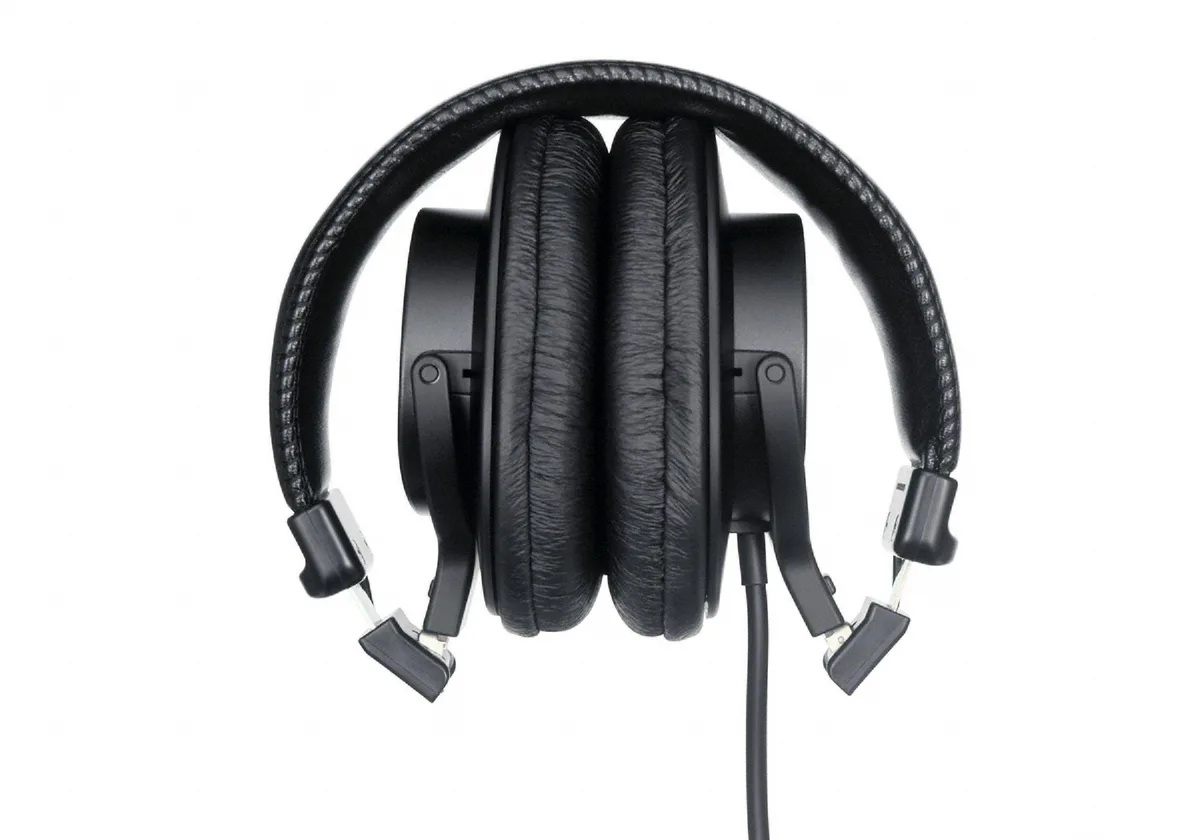
Sony
Wired & Studio
The MDR-7506 has been hanging in broadcast booths and video rigs since 1991, and almost nothing about it has changed — including the flaws. At 63 ohms and 106dB/mW it's sensitive enough that any camera, mixer, or phone drives it fine without an amp. The sound is bright and detail-forward: sibilance, hum, and edit points jump out, which is exactly why engineers love it and casual listeners sometimes find it fatiguing. The 230g folding frame is featherweight for all-day wear. Two gripes come up constantly: the 3-meter coiled cable is permanently attached and heavy for desk use, and the stock earpads famously disintegrate into black flakes within a year or two — nearly every long-term owner ends up buying aftermarket pads and considers it part of the price.
Best for podcasters and field recording pros
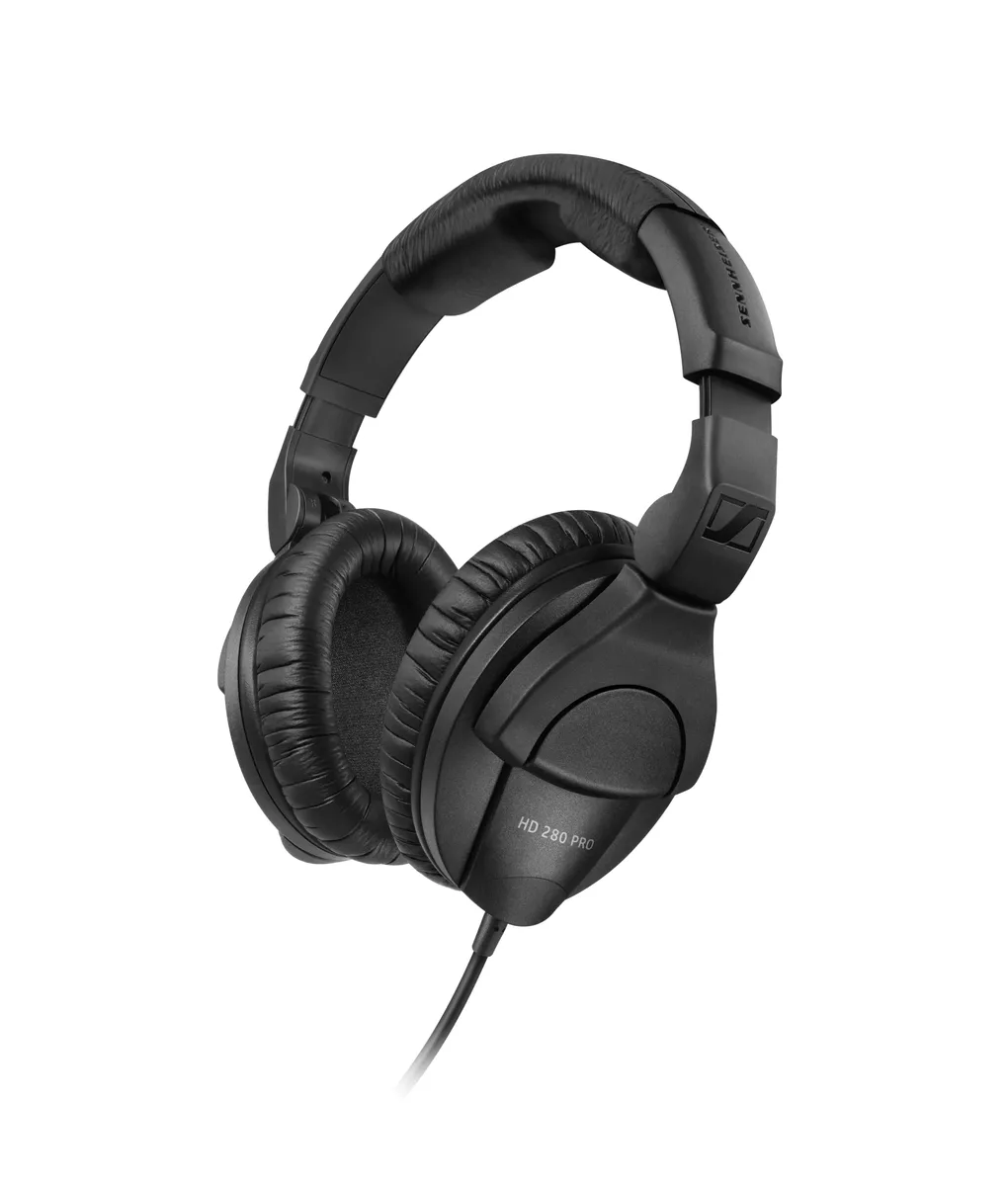
Sennheiser
Wired & Studio
The HD 280 Pro is the beige Toyota pickup of studio headphones: it's been in every tracking room, radio station, and podcast studio for twenty years because it does one job — isolate and monitor — better than anything near $100. The closed cups block up to 32 dB of outside noise passively, which is more than many ANC headphones manage and exactly what you want when a singer is tracking next to a click or you're editing audio somewhere loud. The sound is honest rather than fun: clear, mid-focused, slightly dry, with controlled but unexciting bass — owners consistently call it a phenomenal tracking and editing tool and a mediocre music-pleasure headphone. The isolation comes from a genuinely aggressive clamp; larger heads feel it inside an hour, and the pleather pads get sweaty in long sessions, though the grip relaxes with break-in. At 64 ohms and 113 dB max SPL it runs fine from interfaces, laptops, and phones without an amp. The coiled 1.3-3m cable is studio-practical but non-detachable, and the cups fold and swivel for one-ear monitoring and bag storage. Pads, headband padding, and earcup parts are all replaceable, and owners commonly report pairs surviving a decade of abuse. Buy it as a tool, not a toy, and it never disappoints.
Best for Tracking, editing, and podcasting in noisy rooms
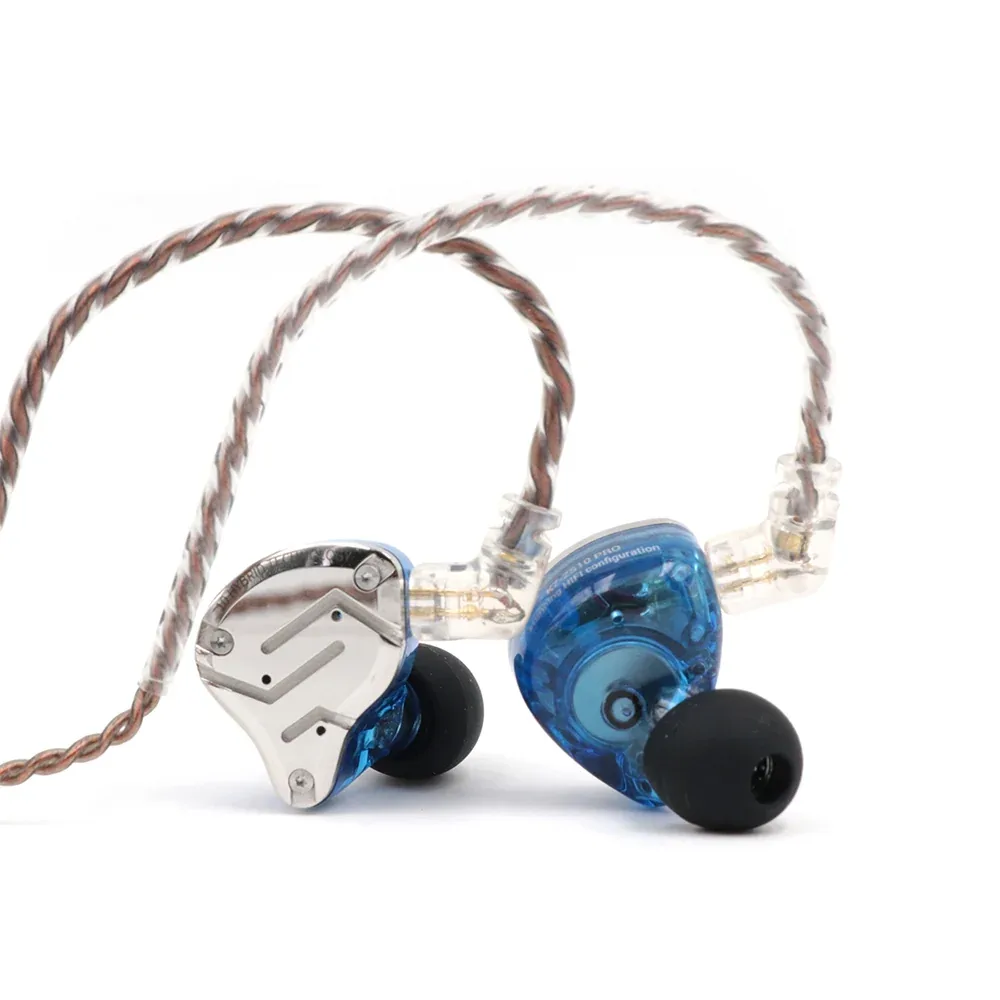
KZ
Wired & Studio
Five drivers per side — a 10mm dynamic plus four balanced armatures — for under fifty bucks is the KZ pitch, and the ZS10 Pro delivers a genuinely fun, energetic V-shaped sound that got a lot of people into IEMs. At 24 ohms and 111dB sensitivity your phone drives it easily; no amp needed. Now the honest part: KZ quality control is a known lottery. Most sets are fine, but channel imbalance and driver failures show up in reviews at a rate you don't see from bigger brands, so buy from a seller with easy returns. The upper treble has peaks that get spicy at volume, the stock cable is thin and tangly (it's a standard 0.75mm 2-pin, so upgrades are cheap), and the accessory kit is bare. As a first IEM or a beater set, it's still an easy yes.
Best for budget bassheads entering IEMs
Koss
Wired & Studio
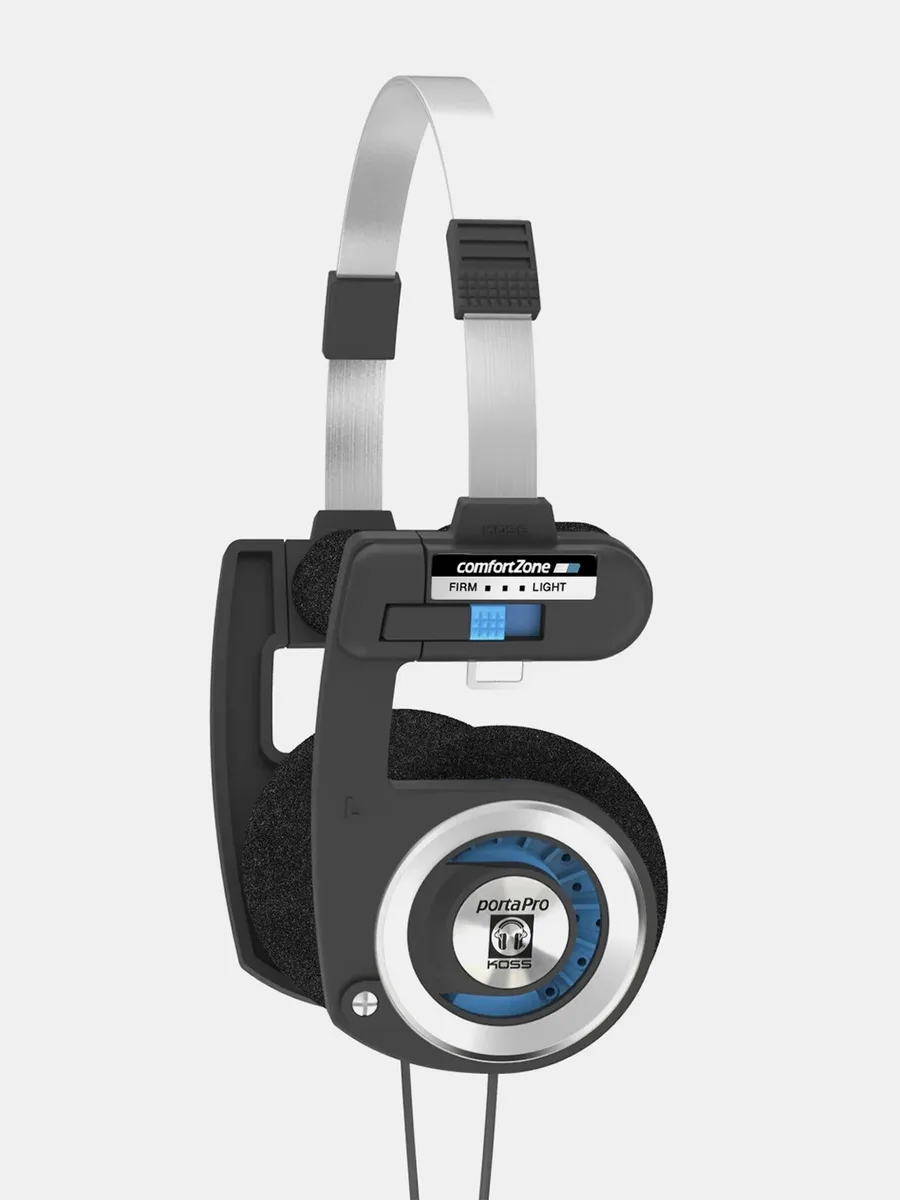
The Porta Pro has been sold essentially unchanged since 1984, and there's a reason it's still a cult favorite: some of the most natural, feel-good bass you can buy under $50, in an open-back design that weighs about 60 grams. Owners who've been through a dozen pairs describe the sound as warm and forgiving — rich low end, smooth mids, and a relaxed top end that never fatigues, though everything above the presence region is noticeably soft compared to modern neutral headphones. Because it's open, it leaks in both directions: everyone on the bus hears your music, and you hear the bus. The retro headband with its 'comfortZone' sliders is featherweight and genuinely comfortable for hours, though the temple pads pinch some heads and the folding mechanism famously grabs hair. Build is springy steel and thin plastic that looks fragile but survives decades, and Koss backs it with a limited lifetime warranty that owners actually use. The 60-ohm, 101 dB drivers run fine from a phone dongle — no amp needed. The cable is fixed and dual-entry, which is the main modern annoyance. If you want a cheap open-back for the desk or a nostalgic daily driver with real bass, this is still one of audio's great bargains.
Best for Warm, comfy open-back sound on a budget
OneOdio
Wired & Studio
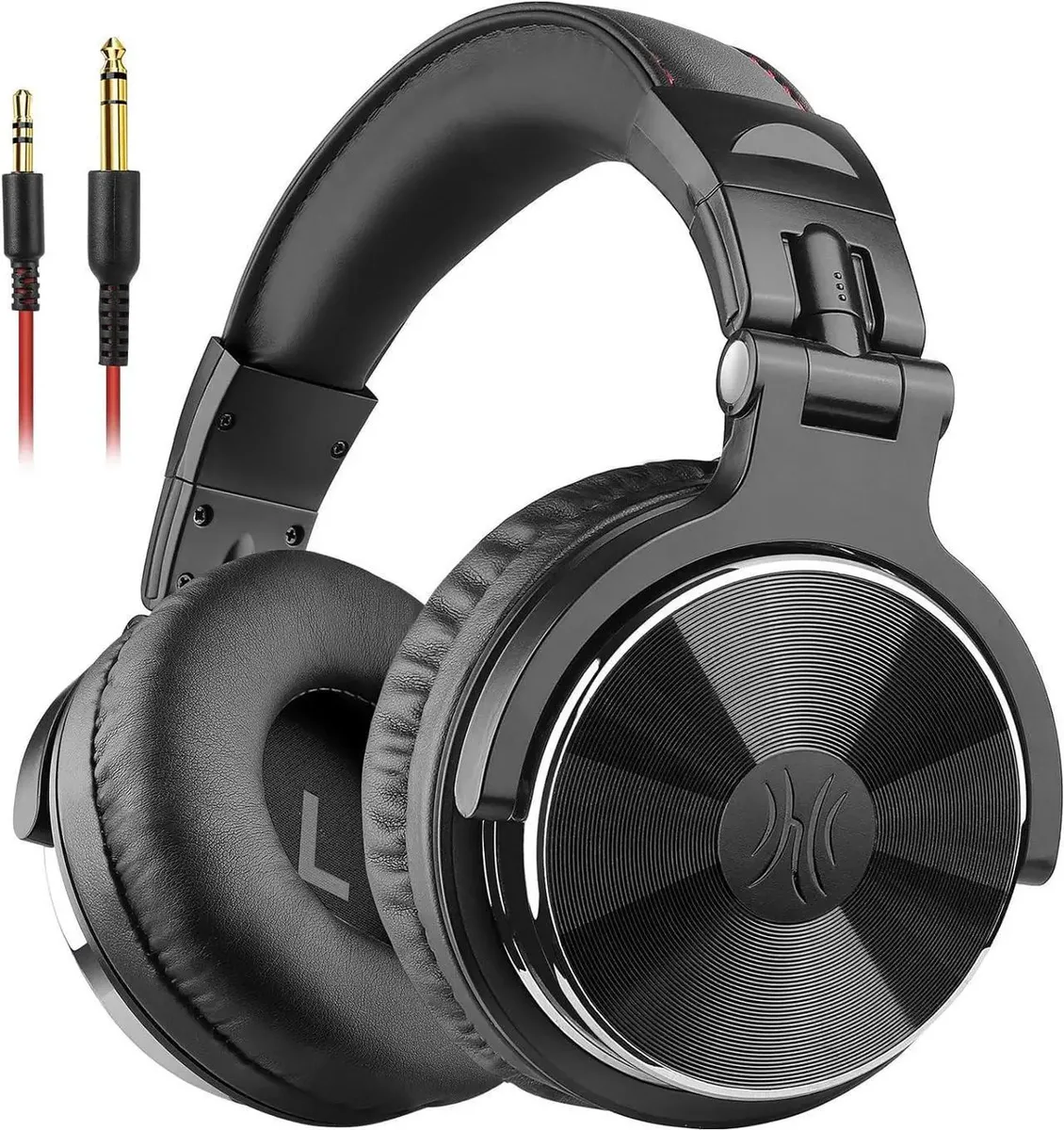
The Pro-10 is the Amazon best-seller that shows up in every 'budget DJ headphone' search, and for around $30 it's a legitimately smart package. The party trick is connectivity: a 3.5mm jack on one cup and a 6.35mm jack on the other, so the same headphone plugs into a phone, an audio interface, or a mixer with no adapter, and the spare jack doubles as a share port to daisy-chain a second headphone. You get two cables in the box — a long coiled 3.5-to-6.35mm and a shorter mobile cable with a mic. The 50mm drivers deliver a mild V-shaped sound with boosted bass that owners describe as fun and surprisingly balanced for the price, though it's not the flat 'studio monitor' tuning the marketing implies, and the treble has a cheap sheen on cymbals. Padding is plush for the money and the cups swivel 90 degrees for one-ear monitoring, but the clamp runs firm and the build is unmistakably plasticky. Isolation from the closed cups is decent for tracking vocals or podcasting without bleed. Treat it as a do-everything beater for recording, DJ practice, and desk duty — not a mixing reference — and it over-delivers.
Best for Cheap do-it-all monitoring and podcast duty
7Hz
Wired & Studio
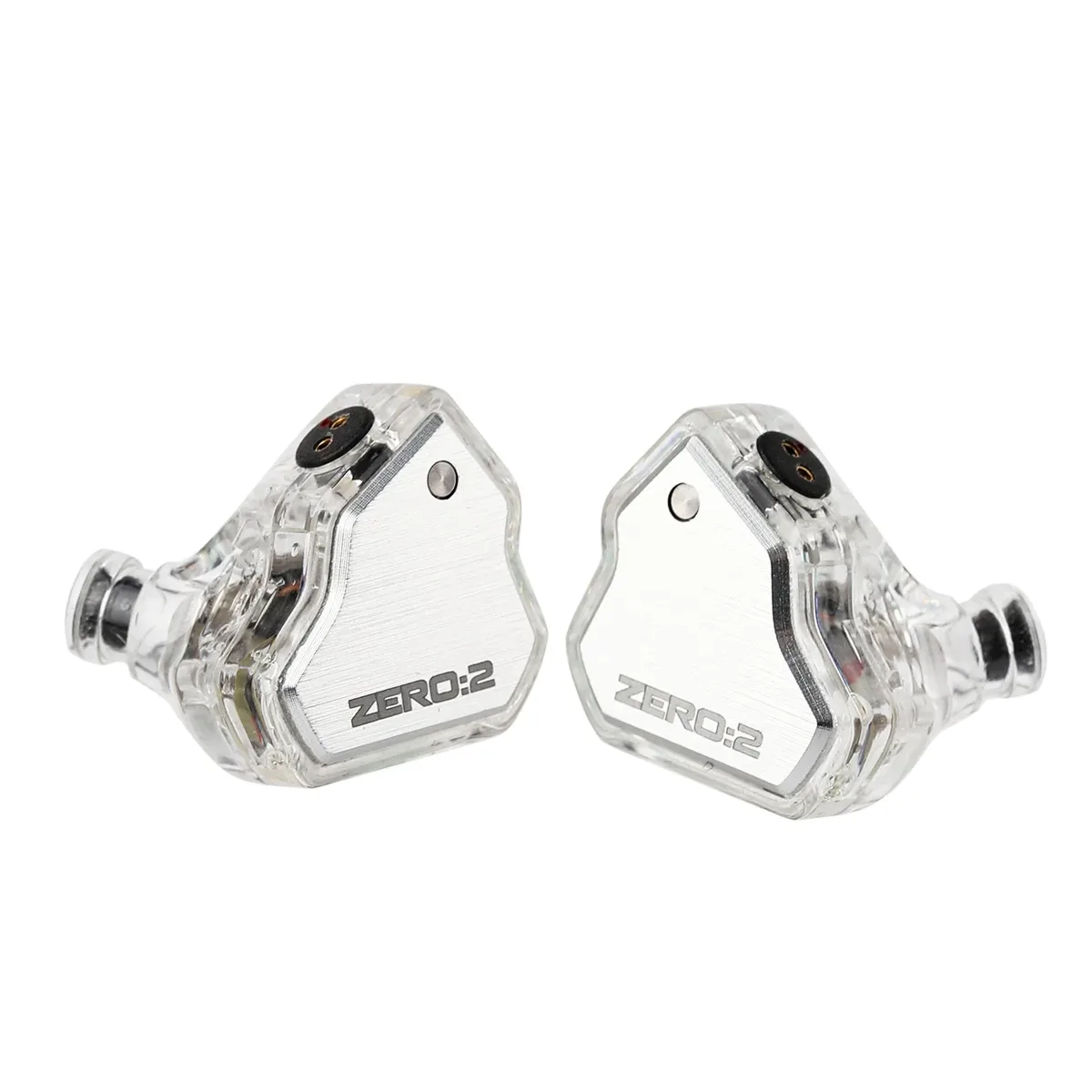
The Zero:2 is what happens when the internet's most influential IEM reviewer retunes an already-famous $20 earphone: it takes the original Salnotes Zero's near-neutral signature and adds a tasteful bass shelf, and the result is widely treated as the default answer to 'best IEM under $50.' Owners who own both this and the Moondrop Chu II consistently call the Zero:2 the cleaner, better-balanced listen — energetic low end, natural mids, and a treble that stays smooth without sounding dull. The 10mm dynamic driver with its PU-and-metal composite diaphragm keeps distortion impressively low, and the detachable 0.78mm 2-pin cable means the usual budget failure point is replaceable. At 32 ohms it's slightly less sensitive than some rivals but still runs fine from a phone or laptop. The honest caveats: the shells are lightweight colored plastic that looks toy-like next to metal rivals, the stock silver-plated cable is serviceable rather than nice, no case or extras beyond tips are included, and the short nozzles give some owners real trouble getting a seal — plan on tip-rolling if your canals are deep. Colorways are loud (the classic is a blue-and-white combo; this listing is orange). As a first IEM, a beater pair, or a reality check on how good $25 can sound, it has no serious weaknesses.
Best for The best-tuned $25 in-ear, full stop