Best Wired Earbuds: USB-C EarPods and Four In-Ear Monitors
Wired earbuds never need charging or pairing, and the cheap ones cost little to replace. The five we track come in two kinds: Apple's EarPods, an open-fit earbud with a USB-C plug and a mic for calls, and four sealed in-ear monitors (IEMs) with detachable cables, bought for how they sound.
Will they plug into your phone?
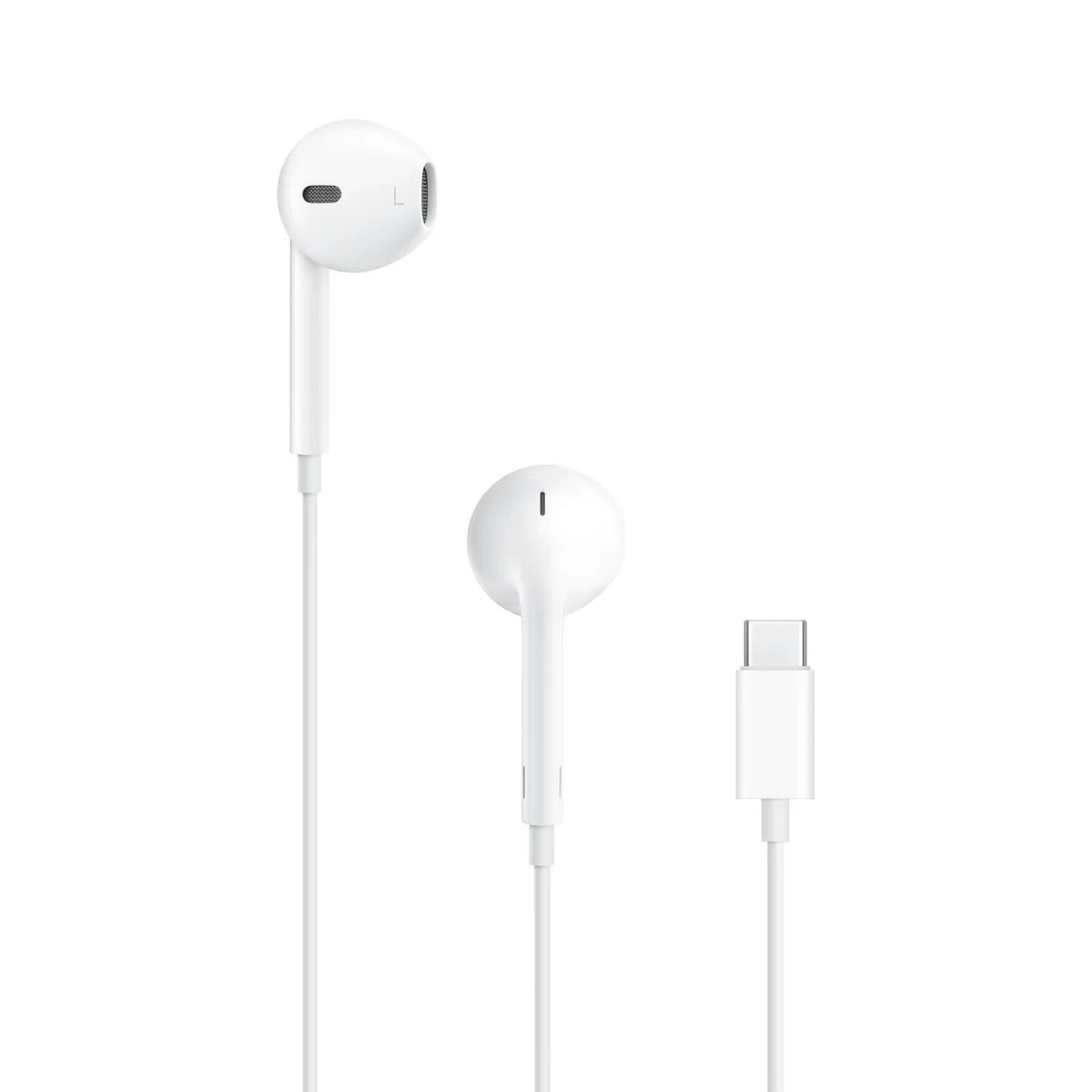
The EarPods end in USB-C with a small DAC built into the plug, so they play at full volume from any USB-C phone, iPhone 15 and later included, as well as an iPad or a laptop. They will not go into a Lightning iPhone or a 3.5 mm jack.
The four IEMs use a detachable two-pin cable. The cable is what fails first on cheap earphones, and here a snagged one means a new cable rather than a new pair. The Chu II's cable ends in a 3.5 mm plug, and the Zero:2 is sold with either a 3.5 mm or a USB-C cable. A phone with no headphone jack needs a USB-C to 3.5 mm adapter for a 3.5 mm cable. None of the four needs an amplifier; a phone or laptop drives them.
The five wired earbuds we compare
| Model | Price | Drivers per side | Cable |
|---|---|---|---|
| Apple EarPods (USB-C) | $17 | Not published | Fixed, USB-C plug with a DAC inside |
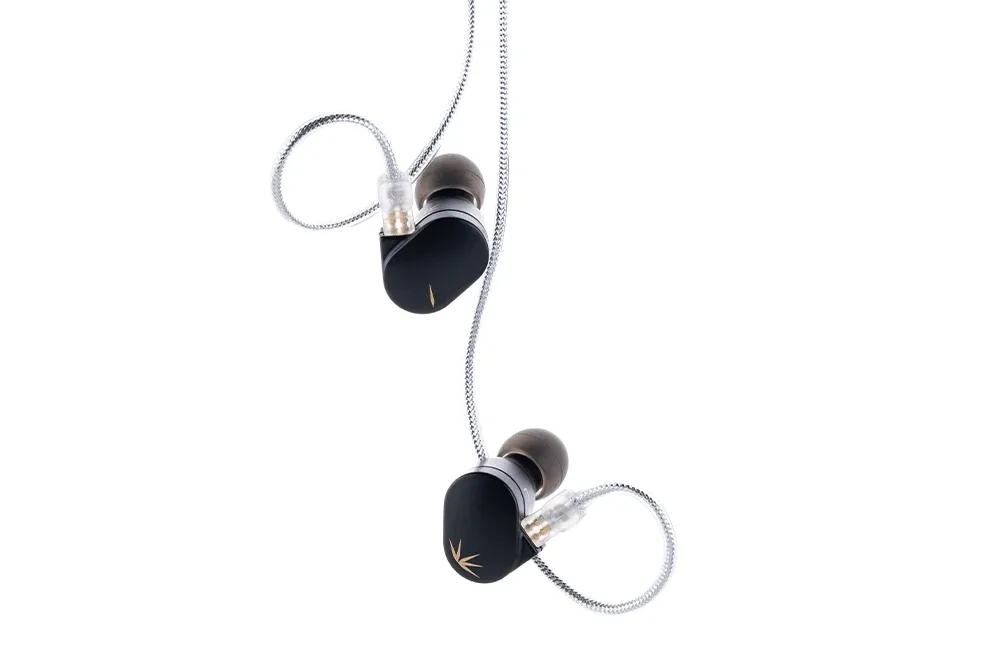
| Moondrop Chu II | $20 | 1 dynamic (10 mm) | Detachable 0.78 mm 2‑pin, 3.5 mm plug |
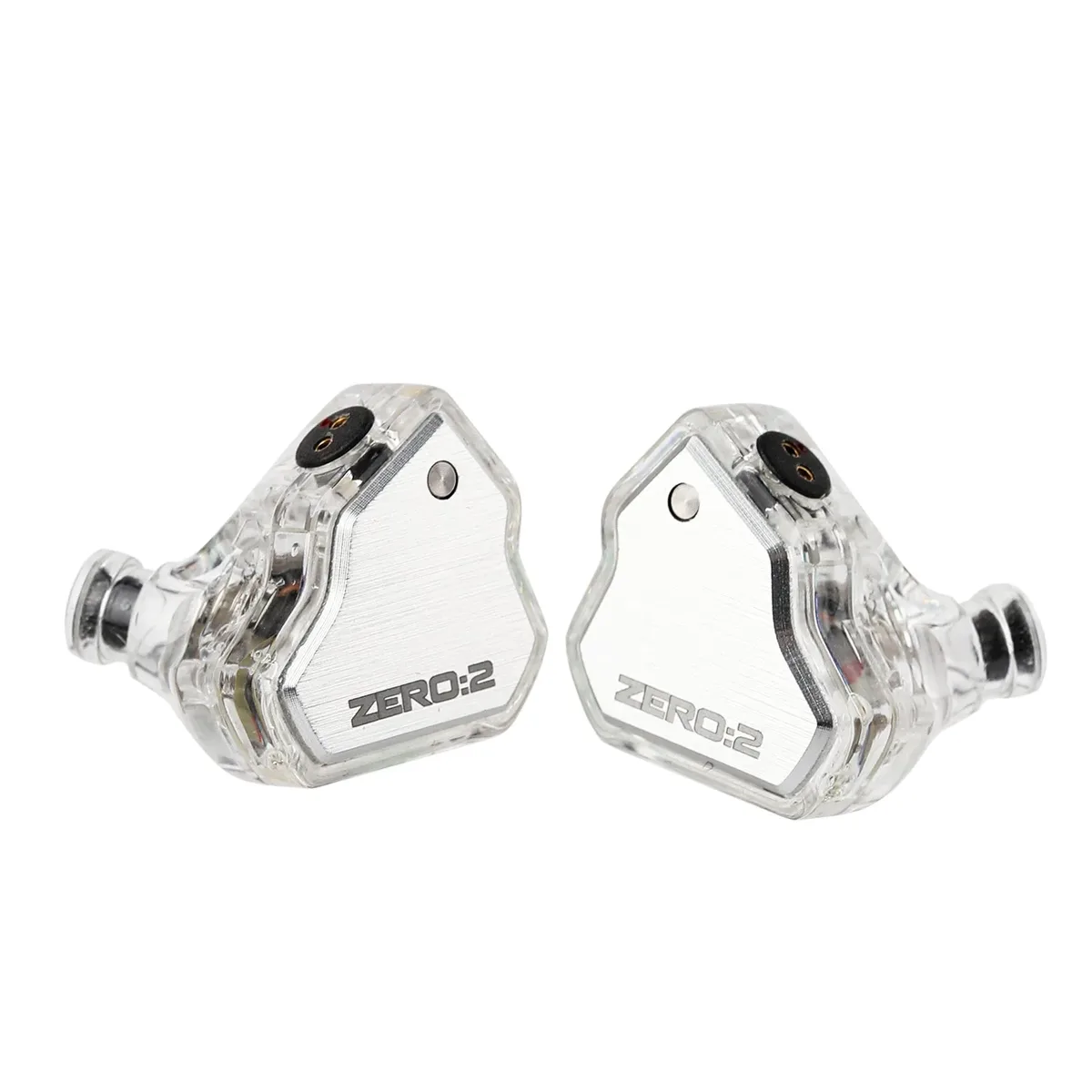
| 7Hz Salnotes Zero:2 | $25 | 1 dynamic (10 mm) | Detachable 0.78 mm 2‑pin, 3.5 mm or USB-C |
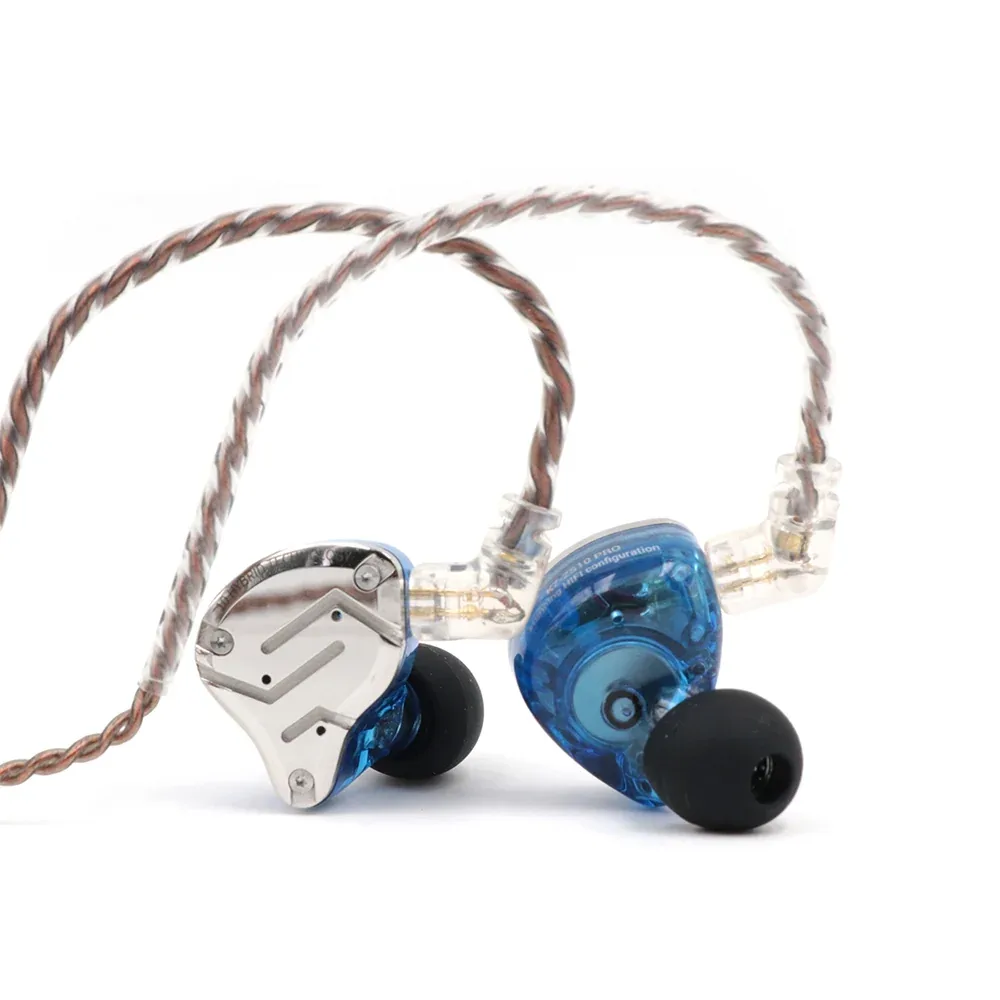
| KZ ZS10 Pro | $45 | 1 dynamic + 4 balanced armature | Detachable 0.75 mm 2‑pin |
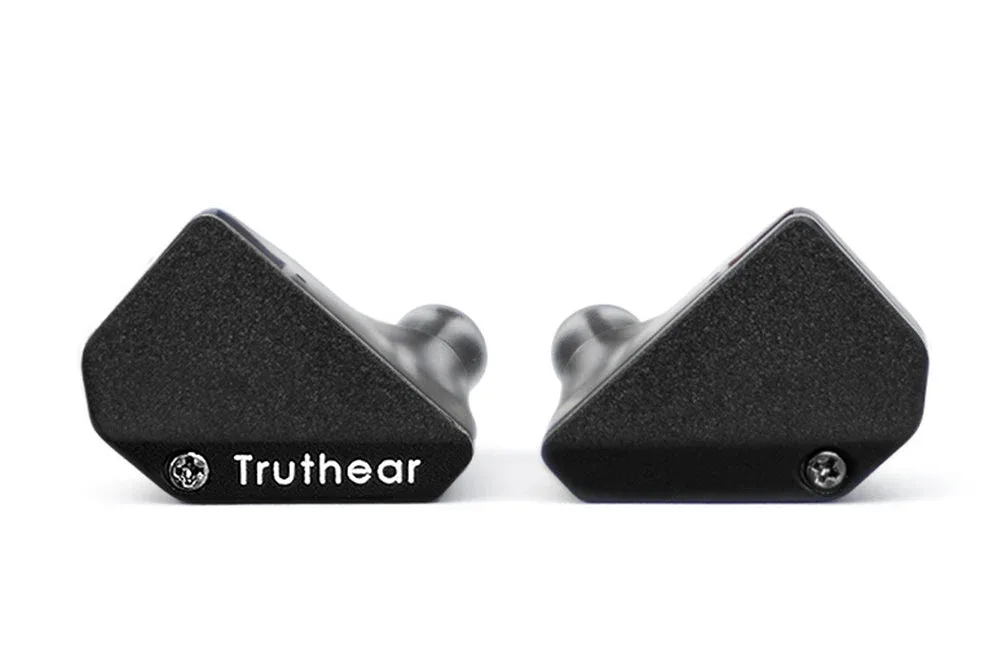
| Truthear Hexa | $85 | 1 dynamic + 3 balanced armature | Detachable 0.78 mm 2‑pin |
Each model's own page has its full specs and what owners report about it.
Open fit or sealed fit
Apple's earbuds sit loosely in the outer ear and leave it open: traffic and voices stay audible and there are no tips to lose, but there is no isolation at all on a bus or a plane, and the bass is thin unless the shape happens to suit your ears.
An IEM seals the ear canal with a silicone or foam tip, which blocks outside noise and keeps the bass in. The seal depends on the tip and the shell. The Zero:2's short nozzles make a seal hard for some ears, the Hexa's wide nozzles sit deep and can be too big for small ear canals, and the Chu II's metal shells feel heavy and cold in small ears. Try every tip size in the box before judging the sound.
Which pair for which listener
For calls and commuting on a USB-C phone, the EarPods. Many owners keep a pair just for calls because the inline mic beats most Bluetooth earbuds, and they cost little enough to keep a pair in a bag and another at work. Of the IEMs, the Chu II and the Hexa ship without a mic; the Zero:2 is sold with a mic option, and Moondrop makes a separate Chu II DSP with USB-C and a mic.
For a first IEM, the Zero:2 and the Chu II are the two entry-level pairs. Owners who have both tend to prefer the Zero:2 for its cleaner, more balanced sound. The Chu II is warmer and bassier, and its metal shells look and feel more expensive than the Zero:2's plastic ones.
The KZ ZS10 Pro puts five drivers in each ear behind a lively V-shaped tuning with plenty of bass, but owners report channel imbalance and failed drivers more often than with bigger brands, so buy it where returns are easy. The Hexa is the step up: one dynamic driver and three balanced armatures tuned close to neutral, with more detail than the single-driver pairs. Listeners who like warm, thick mids can find it lean.
Headphones mentioned in this guide
Apple
Wired & Studio
Seventeen dollars gets you Apple's wired earbuds with a small DAC built into the USB-C plug, which is quietly the whole story: they bypass your phone's jack-less design and play at full volume from any USB-C phone, iPad, or laptop — an amp is beside the point, and Apple doesn't even publish an impedance figure. The open, unsealed fit is love-it-or-hate-it: no silicone tips to fuss with and you can hear traffic, but there's zero isolation and bass is thin unless they happen to fit your ears just right. The inline remote and mic are genuinely good — many people keep a pair purely for calls because they beat most Bluetooth mics. Longevity is fine but not endless; the cable survives pockets better than the old 3.5mm version, and at this price they're effectively disposable.
Best for cheap reliable calls and commutes
Moondrop
Wired & Studio
The original Chu was the $20 IEM that broke the internet; the Chu II fixes its one fatal flaw by making the cable detachable via standard 0.78mm 2-pin connectors, so a snagged cord no longer kills the whole earphone. You still get tiny zinc-alloy shells that look and feel like they cost several times the price, and a 10mm dynamic driver tuned to Moondrop's house curve — though owners note this one is warmer and bassier than the near-neutral original, with thicker mids and softer treble. At 18 ohms and 119 dB/Vrms it gets loud from literally anything with a jack, no amp or dongle upgrade required. It remains a superb first IEM: safe tuning, grown-up build, real accessories including Moondrop's Spring Tips. The caveats are honest ones for the money — the included cable is thin and tangly, the metal shells can feel cold and slightly heavy in small ears, isolation is average, and owners who compare it head-to-head with the 7Hz Zero:2 tend to prefer the Zero:2's cleaner, more balanced presentation. There's also a DSP variant with USB-C and a mic if you're dongle-averse. For a gift, a gym beater, or a first step out of gas-station earbuds, it's still one of the easiest $20 recommendations in audio.
Best for A first IEM or giftable $20 upgrade
7Hz
Wired & Studio
The Zero:2 is what happens when the internet's most influential IEM reviewer retunes an already-famous $20 earphone: it takes the original Salnotes Zero's near-neutral signature and adds a tasteful bass shelf, and the result is widely treated as the default answer to 'best IEM under $50.' Owners who own both this and the Moondrop Chu II consistently call the Zero:2 the cleaner, better-balanced listen — energetic low end, natural mids, and a treble that stays smooth without sounding dull. The 10mm dynamic driver with its PU-and-metal composite diaphragm keeps distortion impressively low, and the detachable 0.78mm 2-pin cable means the usual budget failure point is replaceable. At 32 ohms it's slightly less sensitive than some rivals but still runs fine from a phone or laptop. The honest caveats: the shells are lightweight colored plastic that looks toy-like next to metal rivals, the stock silver-plated cable is serviceable rather than nice, no case or extras beyond tips are included, and the short nozzles give some owners real trouble getting a seal — plan on tip-rolling if your canals are deep. Colorways are loud (the classic is a blue-and-white combo; this listing is orange). As a first IEM, a beater pair, or a reality check on how good $25 can sound, it has no serious weaknesses.
Best for The best-tuned $25 in-ear, full stop
KZ
Wired & Studio
Five drivers per side — a 10mm dynamic plus four balanced armatures — for under fifty bucks is the KZ pitch, and the ZS10 Pro delivers a genuinely fun, energetic V-shaped sound that got a lot of people into IEMs. At 24 ohms and 111dB sensitivity your phone drives it easily; no amp needed. Now the honest part: KZ quality control is a known lottery. Most sets are fine, but channel imbalance and driver failures show up in reviews at a rate you don't see from bigger brands, so buy from a seller with easy returns. The upper treble has peaks that get spicy at volume, the stock cable is thin and tangly (it's a standard 0.75mm 2-pin, so upgrades are cheap), and the accessory kit is bare. As a first IEM or a beater set, it's still an easy yes.
Best for budget bassheads entering IEMs
Truthear
Wired & Studio
The Hexa is the budget-IEM scene's consensus 'first serious upgrade': one dynamic driver plus three balanced armatures per side for under $90, tuned close to a neutral reference curve with just enough bass shelf to stay musical. What owners praise most is resolution — it retrieves detail and layers instruments in a way single-driver $25 IEMs simply don't, with smooth, well-extended treble that mostly avoids the artificial timbre cheap armatures are known for. The matte black shells are understated and comfortable for most, and at 20.5 ohms with 120 dB/Vrms sensitivity it runs happily from a phone dongle or laptop. The caveats owners actually report: the nozzles are notably wide and insert deep, so people with smaller ear canals struggle with fit and tip selection; note weight is on the lean side, so bass-heads and fans of thick, lush mids can find it polite; and a minority of treble-sensitive listeners hear sibilance where most hear sparkle. The stock silver-plated 2-pin cable is decent, and standard 0.78mm connectors open the aftermarket. Against the $20-25 crowd it's a clear step up in refinement rather than a sidegrade, and against $150-200 hybrids it embarrasses several. If your budget stops under $100 and you want the most balanced, detailed sound available there, this is the pick.
Best for The refined step up from $25 IEMs